


News
 By Hermione
PVDF Coated Aluminum Coil for Insulation Panels
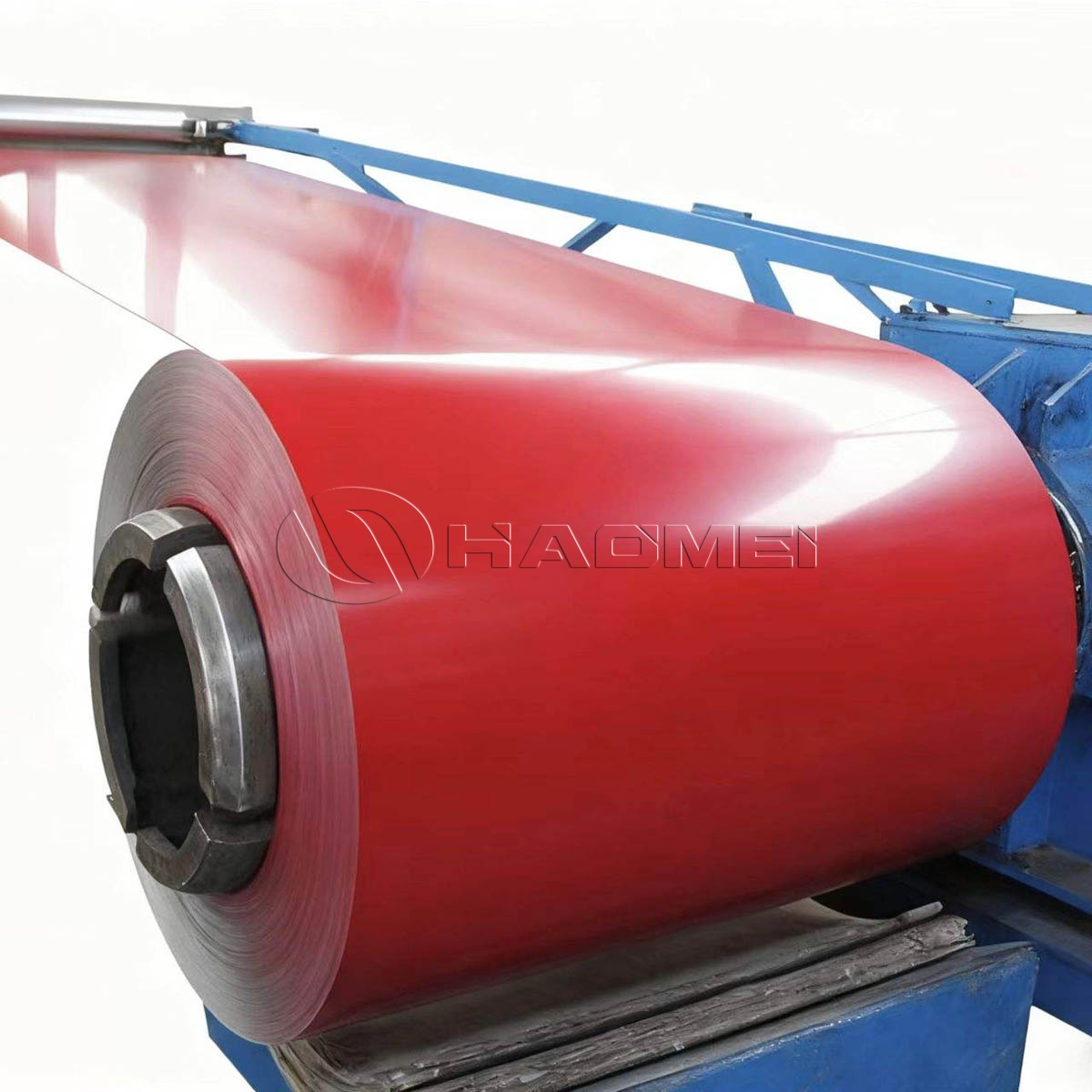
PVDF coated aluminum coil is a high-performance pre-painted metal facing designed for insulated wall panels, roof panels, cold-room panels, cleanroom partitions, and architectural sandwich panel systems. It combines the low weight and corrosion resistance of aluminum with a durable polyvinylidene fluoride coating, providing a stable decorative surface for panel assemblies exposed to sunlight, rain, humidity, and temperature variation.
Product Positioning for Insulated Panel Systems
In an insulation panel, the aluminum coil functions as the exterior or interior facing sheet while the core material provides thermal insulation. Common core materials include polyurethane, polyisocyanurate, mineral wool, expanded polystyrene, and phenolic foam. The pre-painted aluminum surface protects the panel structure, contributes to appearance consistency, and supports roll forming, laminating, bending, and edge-processing operations.
Compared with standard polyester-coated surfaces, PVDF coatings are commonly selected where exterior weatherability, color retention, chalk resistance, and chemical resistance are more demanding. A PVDF Coated Aluminum Coil is particularly suitable for building envelopes in high-UV, coastal, industrial, humid, or highly variable climatic environments.
PVDF Coating Structure and Performance
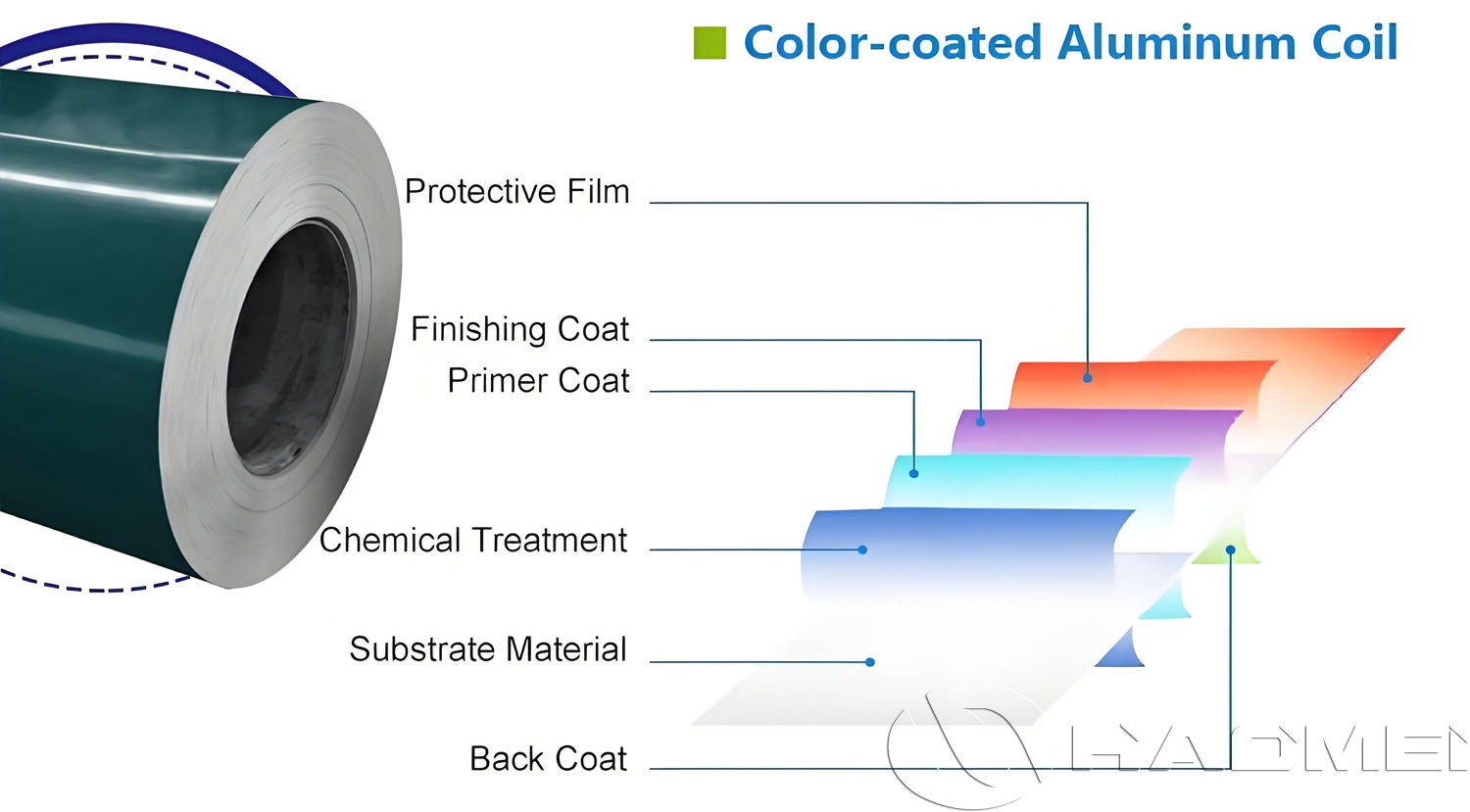
PVDF coating systems are fluorocarbon-based finishes formulated for long-term exterior service. A typical coil coating structure includes aluminum substrate pretreatment, primer, PVDF topcoat, and, where required, a protective back coat on the reverse side.
The pretreatment stage is critical because it improves adhesion between the aluminum substrate and coating layers while enhancing resistance to under-film corrosion. The primer supports coating flexibility and adhesion during forming. The PVDF topcoat provides the visible color and gloss level, as well as protection against ultraviolet exposure, moisture, airborne contaminants, and weathering.
Common surface options include:
Solid colors in matte, low-gloss, semi-gloss, or gloss finishes
Metallic and mica-effect colors
Textured, embossed, and stucco finishes
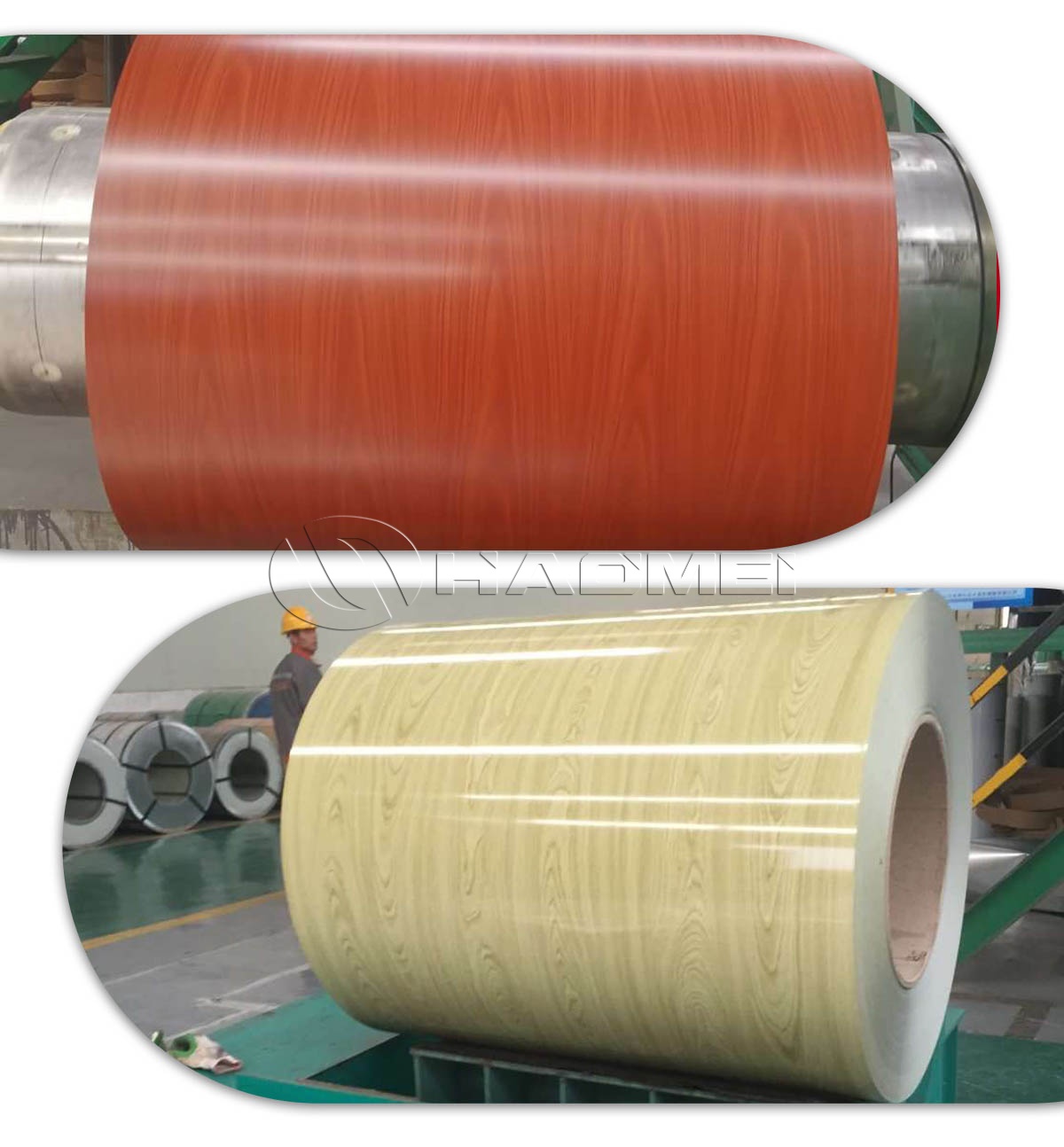
Wood grain, stone pattern, or other decorative printed surfaces
Protective film application for roll-forming and panel-lamination processes
PVDF coatings are generally specified for exterior-facing insulation panels, while interior panel faces may use PE coatings when environmental exposure is limited. The final coating selection depends on panel location, expected service conditions, forming requirements, and appearance expectations.
PVDF-Coated Aluminum Coils for Insulation Panels
Weather Resistance and Anti-Aging: Offers excellent UV resistance, ensuring minimal fading or chalking during long-term outdoor exposure. With a service life exceeding 20 years, it is well-suited for the long-term external exposure requirements of building insulation panels.
Superior Corrosion Protection: Resistant to acid rain, salt spray, and industrial pollutants; ideal for use in coastal areas or near chemical plants, protecting the insulation core material from corrosion.
Excellent Formability: The coating remains intact—without cracking or peeling—during bending or roll-forming processes, facilitating the shaping of insulation panels.
Low-Maintenance, Self-Cleaning: Features a dense, smooth surface that allows rainwater to wash away dirt, thereby reducing long-term maintenance costs.
Lightweight and Stable: The aluminum substrate is lightweight, adding no significant load to the building structure; the coating boasts strong adhesion, preventing peeling even under extreme temperature fluctuations.
Safe and Eco-Friendly: Low-smoke and self-extinguishing properties; the aluminum substrate is fully recyclable, meeting stringent building fire safety and environmental sustainability standards.
Core Specifications of PVDF Coated Aluminum Coil for Insulation Panels
Technical Specification Table
| Item | Typical Range or Option |
|---|---|
| Base metal | Aluminum alloy 1100, 3003, 3004, 3105, 5005 |
| Coil thickness | 0.30-1.20 mm |
| Common panel-facing thickness | 0.40-0.80 mm |
| Coil width | 600-1,600 mm |
| Inner diameter | 405 mm or 508 mm |
| Coil outer diameter | According to coil weight and processing equipment |
| Coating type | PVDF fluorocarbon coating system |
| Topcoat thickness | Typically 20-30 μm, subject to specification |
| Back coat thickness | Typically 5-10 μm, subject to application |
| Surface finish | Matte, gloss, metallic, textured, embossed, patterned |
| Color options | RAL, Pantone, custom colors, metallic shades |
| Temper | O, H14, H16, H18, or application-specific temper |
| Protective film | Optional, commonly 30-80 μm |
| Main applications | Insulated wall panels, roof panels, facade panels, cold-room panels, cleanroom panels |
Actual thickness, temper, coating thickness, and mechanical properties should be matched to the panel profile geometry, lamination process, and required stiffness.
Common Aluminum Alloys for Insulation Panel Facings
1100 Aluminum Alloy
1100 is a commercially pure aluminum alloy with excellent corrosion resistance, high ductility, and good formability. It is commonly used for lightweight panel facings that require smooth bending or shallow profiling. Its relatively low strength makes it more suitable for applications where the panel core and profile design provide most of the structural support.
For projects using this alloy, 1100 Color Coated Aluminum Coil provides a compatible pre-painted material option for decorative and insulation-panel surface applications.
3003 Aluminum Alloy
3003 is one of the most widely used alloys for color-coated insulation panels. It contains manganese, giving it higher strength than 1100 while maintaining good formability and corrosion resistance. This balance makes 3003 suitable for roll-formed wall panels, roof panels, and sandwich panels requiring improved dent resistance and profile stability.
3004 Aluminum Alloy
3004 offers higher strength than 3003 and is used where deeper profiling, increased rigidity, or improved resistance to handling deformation is required. It can be used in insulated roofing panels and architectural panel systems with more demanding structural or fabrication conditions.
3105 Aluminum Alloy
3105 is another commonly used manganese-containing alloy for pre-painted aluminum products. It offers good formability, moderate strength, and stable processing performance. For insulation panel facings, 3105 is frequently selected for roll forming and applications requiring a balance between surface quality, strength, and cost efficiency.
5005 Aluminum Alloy
5005 is a magnesium-containing alloy with good corrosion resistance and an attractive anodizing response, although anodizing is not normally required for coated panel facings. It is used for projects requiring improved corrosion performance, especially where panels are installed in humid or mildly corrosive environments. Its strength and surface consistency support architectural-grade exterior panel applications.
Processing Compatibility in Panel Manufacturing
PVDF coated aluminum coil is produced for continuous processing in insulation panel lines. Stable coil flatness, coating adhesion, and controlled mechanical properties help support consistent lamination and profiling results.
Important processing characteristics include:
Formability: The coating system must remain adherent during roll forming, bending, and edge shaping.
Coating flexibility: A suitable primer and topcoat combination helps reduce cracking at bends and embossed areas.
Surface cleanliness: Clean, uniform surfaces support reliable bonding with panel-core adhesives.
Coil flatness: Controlled flatness assists continuous panel production and reduces profile variation.
Protective film performance: Temporary film helps limit scratches and handling marks during fabrication, transport, and installation.
For sandwich panel production, the reverse-side coating may be tailored to improve compatibility with adhesive systems or foam-core lamination. Back-coat selection should consider the chemistry and curing conditions of PUR, PIR, EPS, mineral wool, or other insulation-core bonding systems.
Environmental Resistance in Exterior Panel Applications
PVDF coated aluminum coil is widely used for exterior insulation panels because aluminum does not rust in the way carbon steel does, and the fluorocarbon finish provides an additional protective barrier. The material performs well in environments involving UV radiation, rainwater exposure, atmospheric humidity, urban pollutants, and normal industrial conditions.
In coastal or chemically active locations, the combined effect of substrate alloy, pretreatment quality, coating system, cut-edge design, and installation details determines long-term panel durability. Aluminum alloy selection is therefore linked not only to panel strength but also to the overall corrosion-resistance requirements of the building envelope.
Surface Appearance and Color Consistency
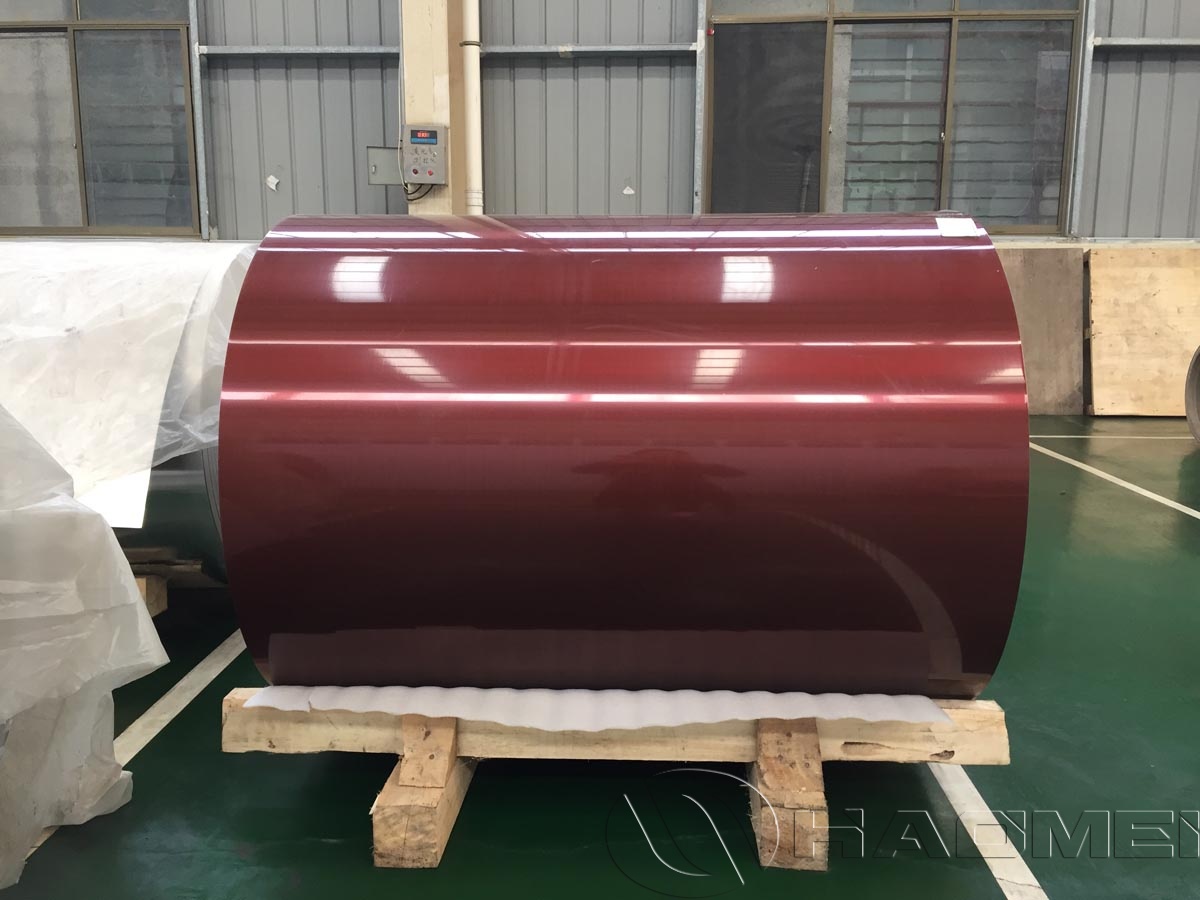
Architectural insulation panels often cover large wall or roof areas, making color consistency an important material property. PVDF coated aluminum coil is manufactured through a continuous coil-coating process that supports controlled color, gloss, coating thickness, and finish uniformity across production batches.
For large façade systems, the same color code may appear different under changing daylight conditions due to gloss level, metallic pigment orientation, texture, and viewing angle. Solid colors generally provide the most uniform visual effect, while metallic and mica finishes create more dynamic architectural appearances. Batch management and directional installation practices help maintain a consistent finished-panel appearance.
Quality Control Considerations
Quality evaluation for PVDF coated aluminum coil used in insulation panels typically includes substrate inspection, coating thickness measurement, gloss testing, color evaluation, adhesion testing, flexibility testing, impact resistance testing, and surface-defect inspection. Coil width, edge quality, camber, and flatness are also controlled because they influence panel-line efficiency and finished-profile accuracy.
The finished coil should maintain a uniform coating surface without significant pinholes, scratches, coating voids, color streaks, or edge damage. These controls support reliable performance during panel manufacturing and help preserve the weather-resistant decorative surface of the completed insulation panel.
-
How Is Wood Grain Aluminum Coil Made
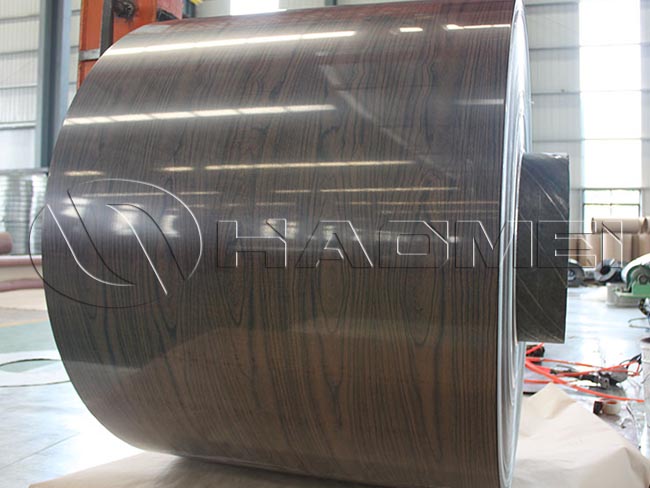
Learn how wood grain aluminum coil is made using pre-painted aluminum coil, chromate-free pretreatment, PE or PVDF coating, and transfer printing for durable exterior cladding.
2026-03-11
-
0.35mm-2.2mm 1060 H24 Color Coated Aluminum Coil for Warehouse Roofing
1060 H24 color coated aluminum coil delivers lightweight, durable PE or PVDF protection for warehouse roofing across 0.35mm to 2.2mm thicknesses reliably.
2026-08-25
-
Color coated Aluminum Coils for Roofing, Ceiling, and Wall Systems
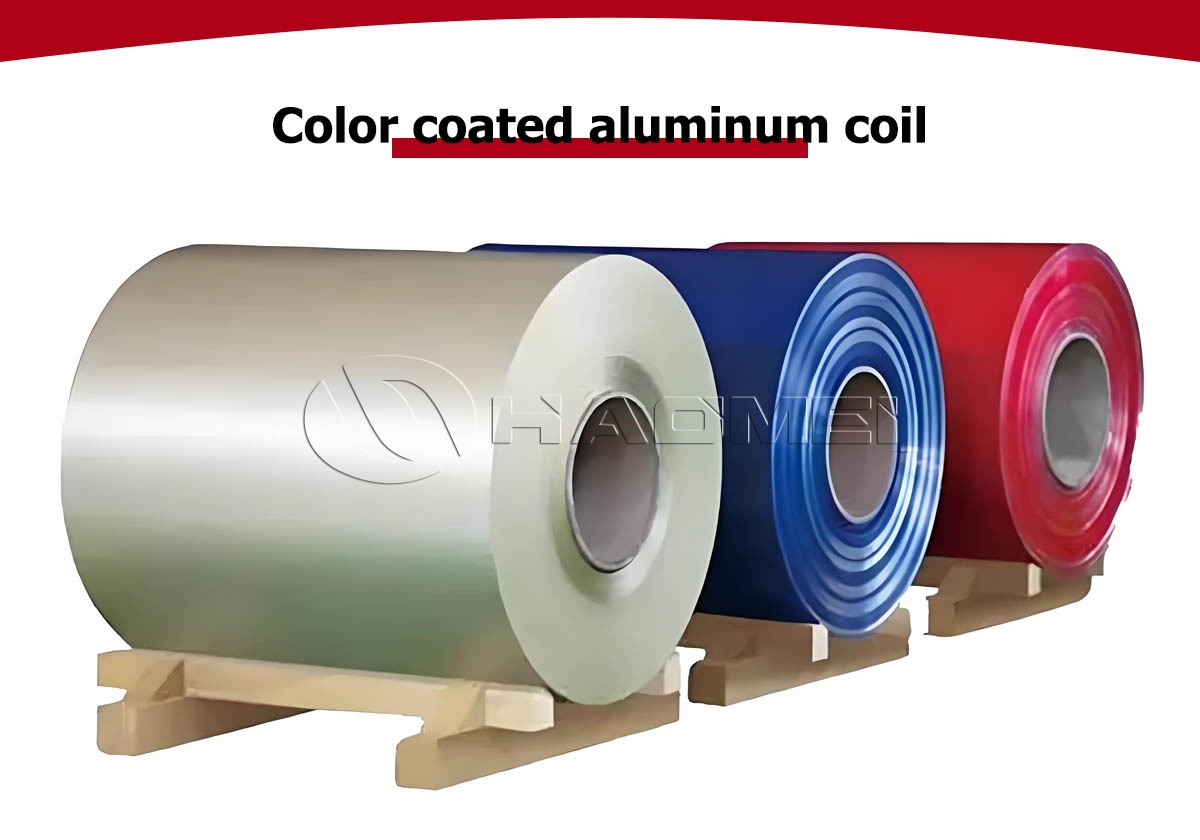
Color-coated aluminum coil is widely used in roofing, ceiling, and wall systems, offering advantages such as lightweight construction, excellent weather resistance, strong decorative appeal, and easy processing.
2026-01-04
Contact Directly
-

ADD: No.14 Waihuan Road, CBD, Zhengzhou, China
-

WhatsApp: +86-18703635966
-

E-MAIL: sales@alummc.com
