


News
 By Hermione
PVDF Coated Aluminum Coil For High-Rise Buildings
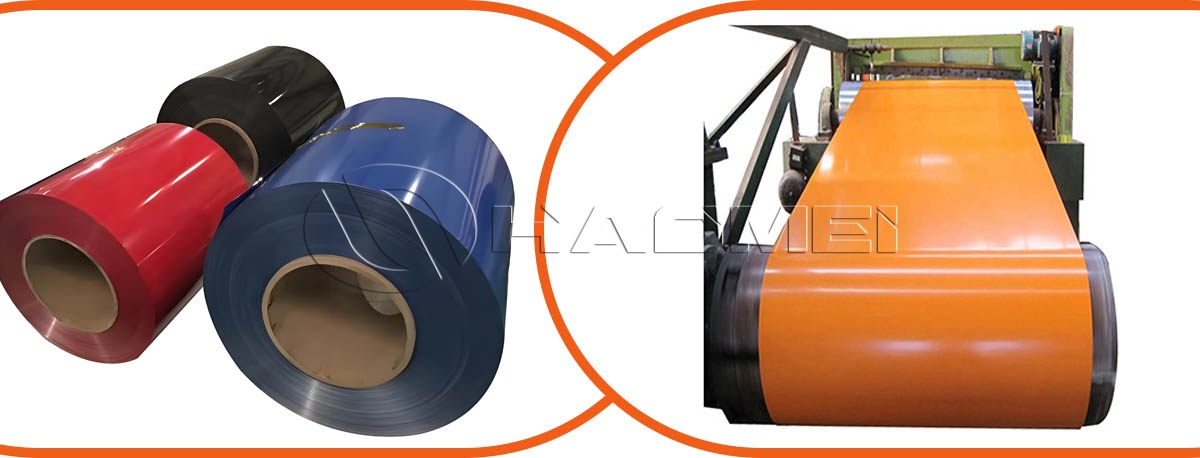
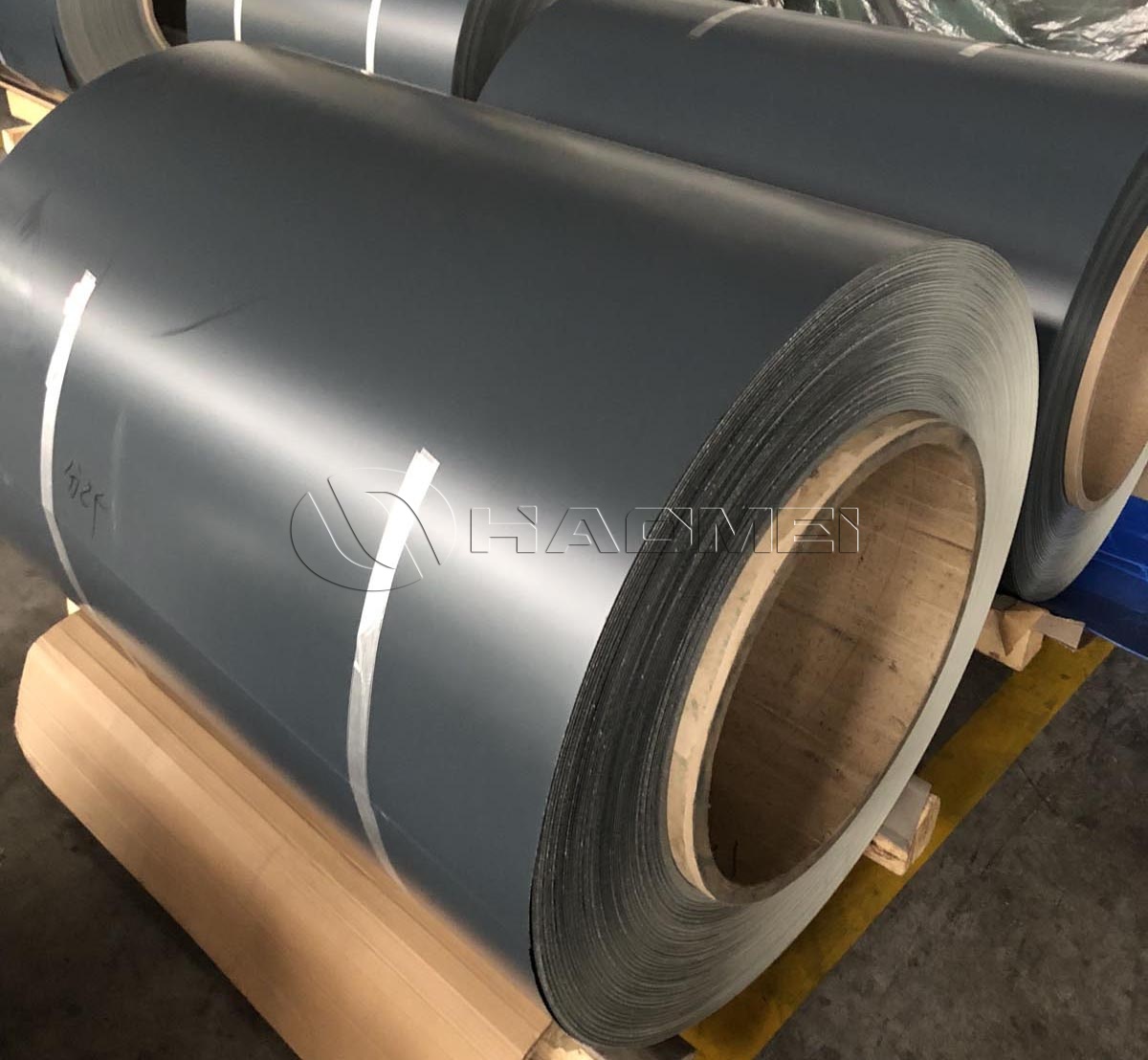
PVDF coated aluminum coil is a pre-painted architectural material developed for exterior systems where long-term color stability, weather resistance, and lightweight construction are essential. In high-rise buildings, it is widely used for curtain wall panels, aluminum composite panels, roofing, soffits, column cladding, fascia, louver systems, and decorative façade components exposed to strong ultraviolet radiation, wind, rain, and urban pollutants.
Why PVDF Coating Is Used in High-Rise Facades
High-rise exterior envelopes operate under more demanding environmental conditions than many low-rise applications. Upper building elevations are often exposed to higher wind loads, more intensive UV radiation, larger temperature fluctuations, and airborne contaminants. A PVDF fluoropolymer coating system provides a durable protective and decorative surface for aluminum coil used in these conditions.
PVDF coatings typically contain high-performance fluorocarbon resin, commonly based on approximately 70% PVDF resin content in the topcoat formulation. The strong carbon-fluorine bond helps the finished surface resist chalking, fading, surface degradation, and chemical attack over extended exterior service.
Key performance characteristics include:
Excellent resistance to UV exposure and color fading
Strong weatherability in coastal, industrial, and high-temperature climates
Good resistance to moisture, acid rain, salt spray, and atmospheric pollutants
Stable surface appearance for curtain wall and architectural cladding systems
Reliable forming performance for bending, roll forming, and panel fabrication
Low material weight compared with steel-based facade materials
For projects requiring fluorocarbon-grade exterior durability, PVDF Coated Aluminum Coil provides a practical coil-fed material for producing façade panels and related building envelope components.
Coil Construction and Protective Layer Design
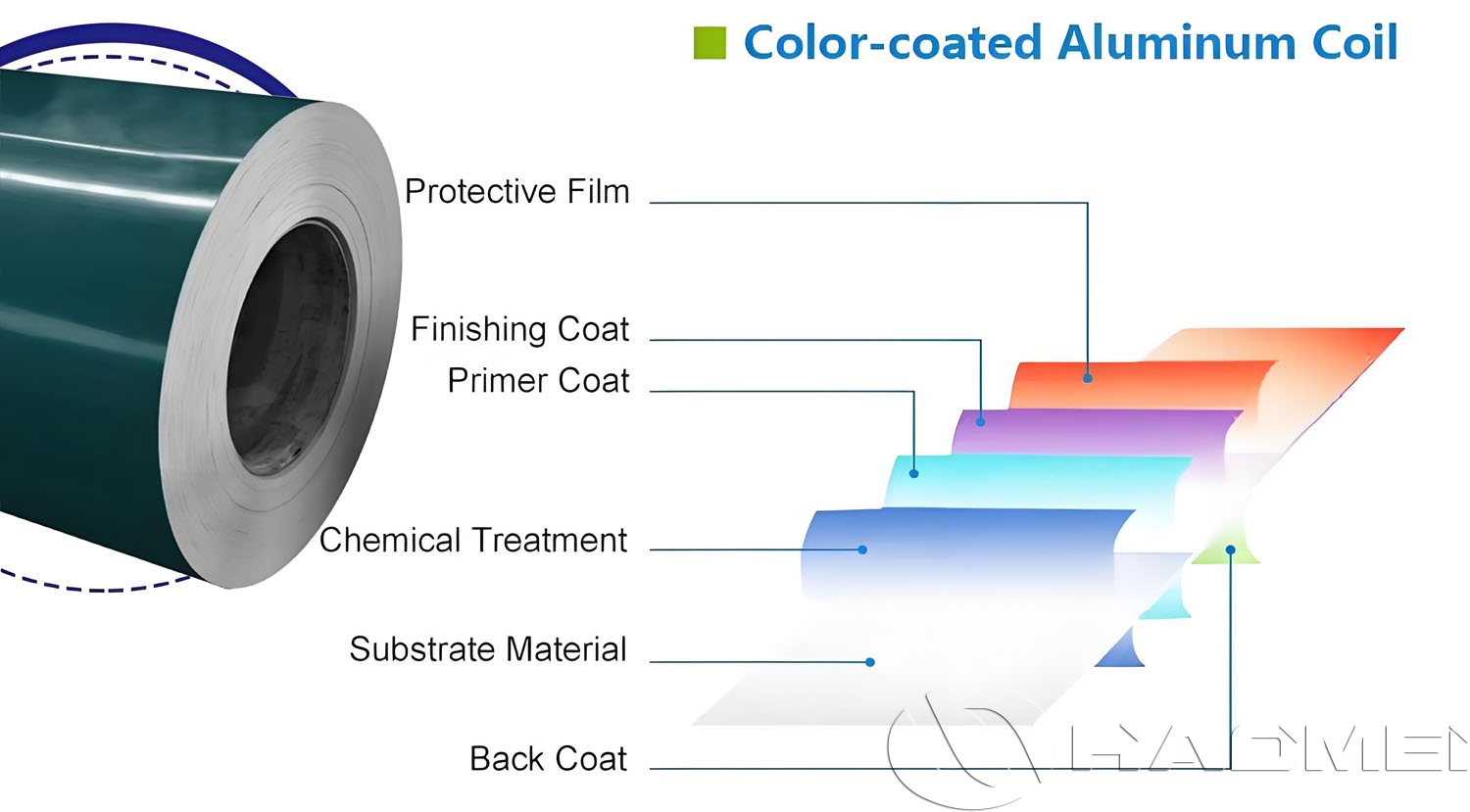
A high-quality PVDF coated aluminum coil is not defined by the topcoat alone. Long-term exterior performance depends on the compatibility of the aluminum substrate, chemical pretreatment, primer, PVDF finish coat, and reverse-side coating.
A typical coating structure includes:
Aluminum substrate: Provides low weight, corrosion resistance, formability, and structural support appropriate to the panel design.
Chemical conversion treatment: Improves coating adhesion and enhances resistance to under-film corrosion.
Primer coat: Supports adhesion between the substrate and topcoat while improving corrosion protection.
PVDF topcoat: Delivers weather resistance, color retention, gloss stability, and decorative appearance.
Back coat: Protects the reverse side of the coil during fabrication and service. Enhanced back-coat systems may be specified for severe environments or bonded composite applications.
Coating thickness is selected according to façade exposure, color, gloss level, fabrication method, and expected service conditions. A common exterior PVDF system uses a total dry-film thickness of approximately 25 μm or more, while higher-build systems may be specified for demanding architectural applications.
Core Specifications of PVDF Coated Aluminum Coil
| Core Specifications of PVDF Coated Aluminum Coil for High-Rise Buildings | Typical Range or Option |
|---|---|
| Aluminum alloy | 1100, 3003, 3004, 3105, 5005, 5052 |
| Temper | O, H14, H16, H18, H24, H26, H32, subject to alloy and application |
| Coil thickness | 0.20-3.00 mm |
| Common facade thickness | 0.70-2.00 mm |
| Coil width | 20-1,650 mm |
| Coil inner diameter | 150 mm, 300 mm, 405 mm, 508 mm, or customized |
| PVDF coating system | Two-coat or three-coat fluorocarbon system |
| Typical total coating thickness | 25-35 μm, with higher-build options available |
| Surface finish | Glossy, matte, high gloss, metallic, textured, solid color |
| Color options | RAL, Pantone, custom matched colors, metallic shades |
| Reverse-side coating | Protective back coat, service-side back coat, or customized coating |
| Primary applications | Curtain walls, cladding panels, roofing, soffits, fascias, ceilings, louvers |
Common Aluminum Alloys for High-Rise Building Use
The aluminum alloy should be selected according to panel thickness, forming requirements, structural configuration, corrosion exposure, and installation method. For architectural pre-painted coil, 1xxx, 3xxx, and 5xxx series alloys are commonly used.
1100 Aluminum Alloy
1100 is commercially pure aluminum with excellent corrosion resistance, ductility, and surface quality. It is suitable for decorative trim, interior-exterior transition components, ceiling systems, and lightly formed architectural parts where high strength is not the primary requirement. It is also used where smooth coating appearance and good forming behavior are important.
3003 Aluminum Alloy
3003 aluminum contains manganese for improved strength over 1xxx series aluminum while retaining good formability and corrosion resistance. It is one of the most widely used alloys for building cladding, roofing, gutter systems, and general façade panels. Its balanced performance makes 3003 Color Coated Aluminum Coil suitable for many roll-formed and fabricated architectural components.
3004 and 3105 Aluminum Alloys
3004 and 3105 alloys offer higher strength than 3003 in many tempers and are commonly selected for roofing sheets, wall panels, rain-screen cladding, and formed building products. 3105 is especially common in pre-painted architectural coil because it provides good formability, moderate strength, and stable coating compatibility.
5005 Aluminum Alloy
5005 is a magnesium-containing alloy with good anodizing response, corrosion resistance, and improved mechanical properties compared with 1xxx series alloys. It is frequently used in curtain wall panels and architectural sheet applications where a higher-quality appearance and enhanced durability are required.
5052 Aluminum Alloy
5052 offers higher strength and excellent corrosion resistance, particularly in humid, marine, and coastal environments. It is suitable for façade zones exposed to salt-laden air, as well as thicker panels, formed components, and exterior details requiring stronger mechanical performance. Because higher-strength alloys may have different forming behavior, temper selection should align with the panel geometry and fabrication process.
Exterior Durability Factors for Tall Buildings
The visible performance of a high-rise façade is influenced by more than coating type. Material selection should account for the full building environment and fabrication route.
UV Exposure and Color Retention
Dark colors, bright reds, metallic finishes, and highly saturated shades typically experience greater thermal loading and may require carefully controlled pigment selection. PVDF systems use weather-resistant pigments to maintain color and gloss more effectively under prolonged sunlight exposure.
Urban and Industrial Atmospheres
High-rise buildings in metropolitan and industrial regions can be exposed to sulfur compounds, nitrogen oxides, dust, soot, and acidic moisture. The dense fluoropolymer surface of PVDF coated aluminum helps reduce surface degradation and supports easier maintenance of architectural appearance.
Coastal Exposure
For coastal towers, salt spray and persistent humidity increase the risk of corrosion at cut edges, fastener interfaces, panel joints, and damaged coating areas. Alloy selection, pretreatment quality, primer performance, panel drainage design, and sealing details all contribute to service life. 5052 and selected 5xxx series alloys are often considered for more aggressive marine exposure conditions.
Thermal Movement
Aluminum has a relatively high coefficient of thermal expansion. High-rise façade systems must accommodate movement caused by daily and seasonal temperature changes. Coil thickness, panel dimensions, fixing design, joint spacing, and support system configuration should be coordinated to prevent distortion, oil canning, or coating stress during service.
Surface Finishes for Architectural Expression
PVDF coated aluminum coil is available in a broad range of surface appearances to support modern tower architecture. Solid colors are common for curtain wall panels and trim elements, while metallic, mica, brushed-look, matte, and textured finishes can create visual depth across large elevations.
Gloss level affects the final appearance of the building envelope. Matte and low-gloss finishes can reduce visual irregularities on wide panels, while medium-gloss finishes provide a clean architectural surface. Metallic coatings require controlled pigment orientation and consistent coil-coating parameters to maintain uniform appearance between panels.
Manufacturing Control for Consistent Coil Quality
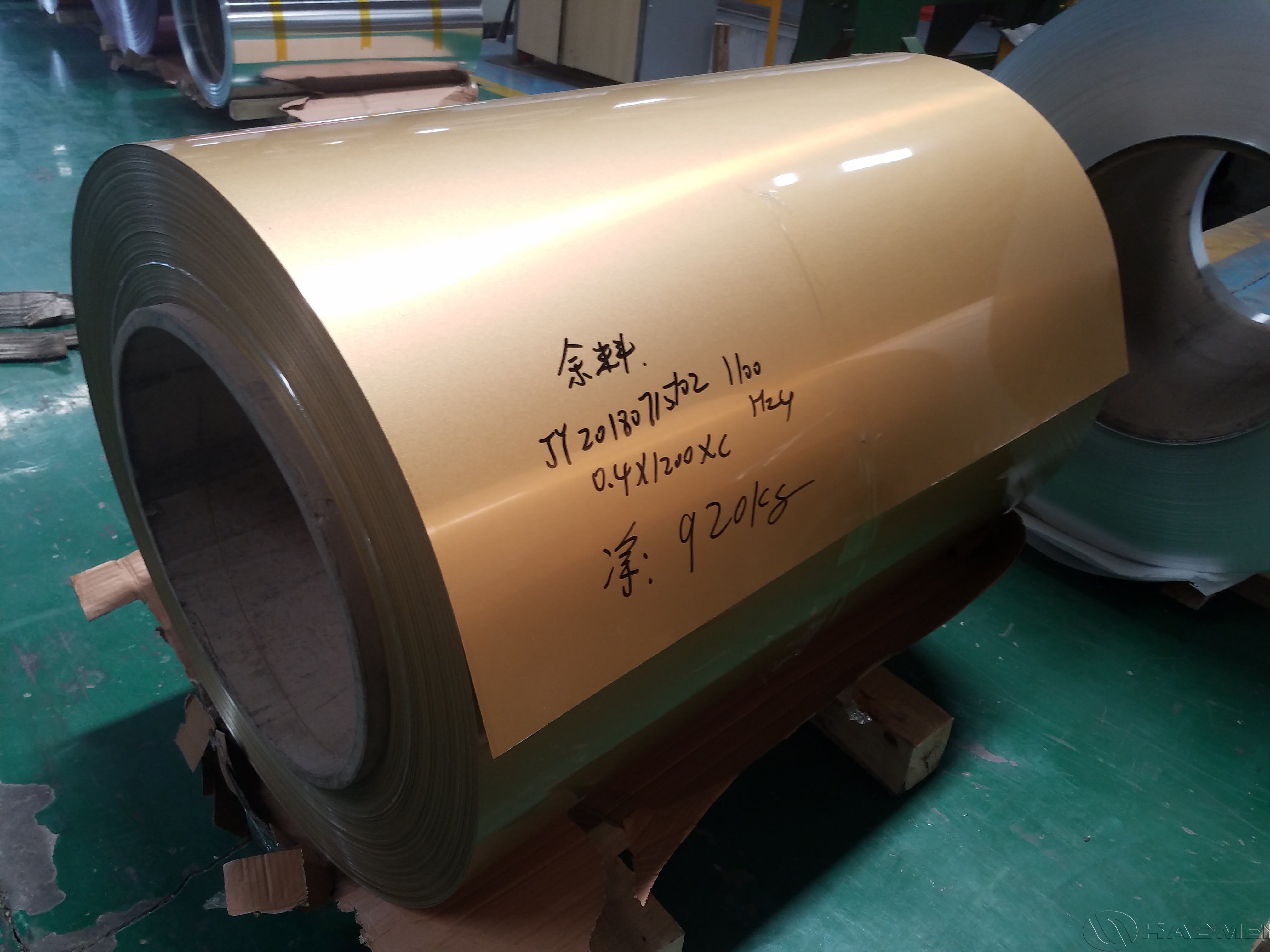
PVDF coated aluminum coil is manufactured through a continuous coil-coating process. Aluminum strip is cleaned, chemically pretreated, coated, oven cured, cooled, and recoiled under controlled line conditions. Consistency in this process is essential because façade panels are often installed side by side over large visible areas.
Important control points include:
Substrate surface cleanliness and pretreatment coating weight
Primer and topcoat film thickness uniformity
Oven peak metal temperature and curing consistency
Color variation control between production batches
Gloss consistency across coil width and length
Adhesion, flexibility, impact resistance, and pencil hardness testing
Surface inspection for pinholes, streaks, dents, coating defects, and edge damage
For large projects, batch identification and coil-to-coil color management are particularly important. Using material from coordinated production lots helps maintain a more uniform visual result across curtain wall elevations.
Fabrication Compatibility
PVDF coated aluminum coil can be processed into flat sheets, cassette panels, corrugated roofing, standing seam profiles, honeycomb panels, composite panels, and roll-formed cladding systems. The selected alloy-temper combination must match the bending radius, stamping depth, panel profile, and forming direction.
During fabrication, protective film may be applied to the finished surface to reduce handling marks and abrasion. The film type, adhesive level, storage time, and removal conditions should be compatible with the PVDF coating to prevent adhesive transfer or surface staining. Fabrication equipment should also use clean rolls, suitable tooling, and controlled contact surfaces to minimize scratches on visible façade finishes.
Typical High-Rise Building Applications
PVDF coated aluminum coil is commonly processed into architectural products for:
Unitized and stick-built curtain wall infill panels
Aluminum composite panel skins
Rainscreen cladding and ventilated façade systems
High-rise roof edging, coping, and parapet caps
Soffits, canopies, and entrance feature panels
Window surrounds, spandrel covers, and column wraps
Louver blades, screening systems, and sunshade assemblies
Elevator lobby ceilings and semi-exterior decorative surfaces
The material combines the low weight and corrosion resistance of aluminum with the long-term exterior stability of a fluorocarbon finish, making it suitable for visually prominent components across high-rise building envelopes.
-
1000 Series Aluminum Coil With PVDF Coating
1000 series PVDF coated aluminum coil delivers corrosion resistance, UV stability and smooth formability for cladding, roofing and signage using 1050/1060/1100 alloys.
2026-01-12
-
PVDF Coated Aluminum Coil Price Per Ton
Learn how PVDF coated aluminum coil price per ton is shaped by alloy, coating thickness, color, order size, and architectural performance needs.
2026-06-02
-
5052 Color Coated Aluminum Coil for Exterior Walls and Roofing
5052 PVDF-coated aluminum coil features an exceptionally stable fluorocarbon chemical structure, giving it outstanding weather resistance, UV resistance, and color-retention performance, making it especially suitable for architectural applications that re
2025-12-09
Contact Directly
-

ADD: No.14 Waihuan Road, CBD, Zhengzhou, China
-

WhatsApp: +86-18703635966
-

E-MAIL: sales@alummc.com
