

News
 By Hermione
PVDF Coated Aluminum Coil For Cold Climates
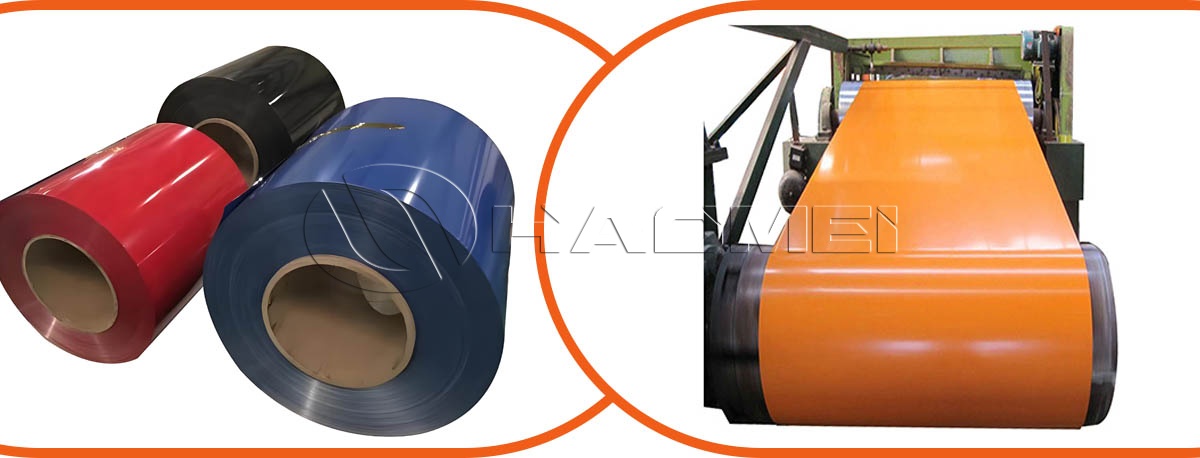
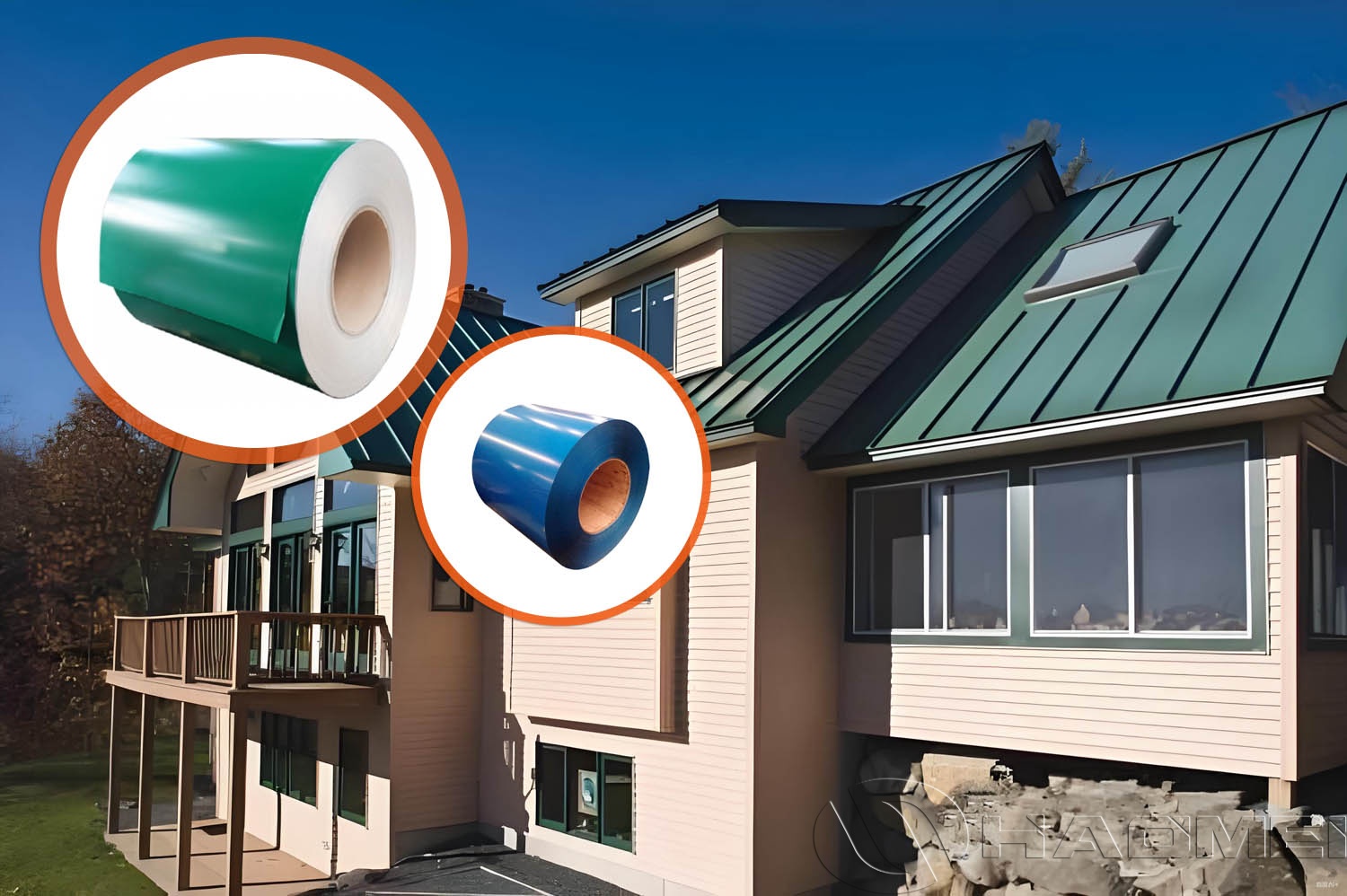
PVDF coated aluminum coil for cold climates is a pre-painted architectural material designed for roofing, wall cladding, soffits, fascia, insulated panels, rainwater systems, and exterior façade components exposed to snow, ice, wind, UV radiation, and repeated freeze-thaw cycles. The combination of an aluminum substrate and a fluoropolymer coating system provides low weight, corrosion resistance, color stability, and reliable formed-part appearance in cold regional environments.
Why Cold Climates Require a Stable Coating System
Cold-weather exposure is not defined by low temperature alone. Exterior building materials may experience moisture retention beneath snow, thermal cycling between daytime thawing and nighttime freezing, ice abrasion, wind-driven particles, and long-term ultraviolet exposure. A coating system must retain adhesion and flexibility while protecting the aluminum surface from corrosive deposits and moisture at cut edges, laps, and formed areas.
PVDF coatings are fluoropolymer-based finishes commonly used on architectural aluminum. A high-performance PVDF topcoat typically contains approximately 70% PVDF resin in the binder system, providing strong resistance to UV degradation, chalking, fading, atmospheric contamination, and weather-related surface aging. Compared with standard polyester finishes, PVDF provides greater long-term color and gloss retention in demanding exterior applications.
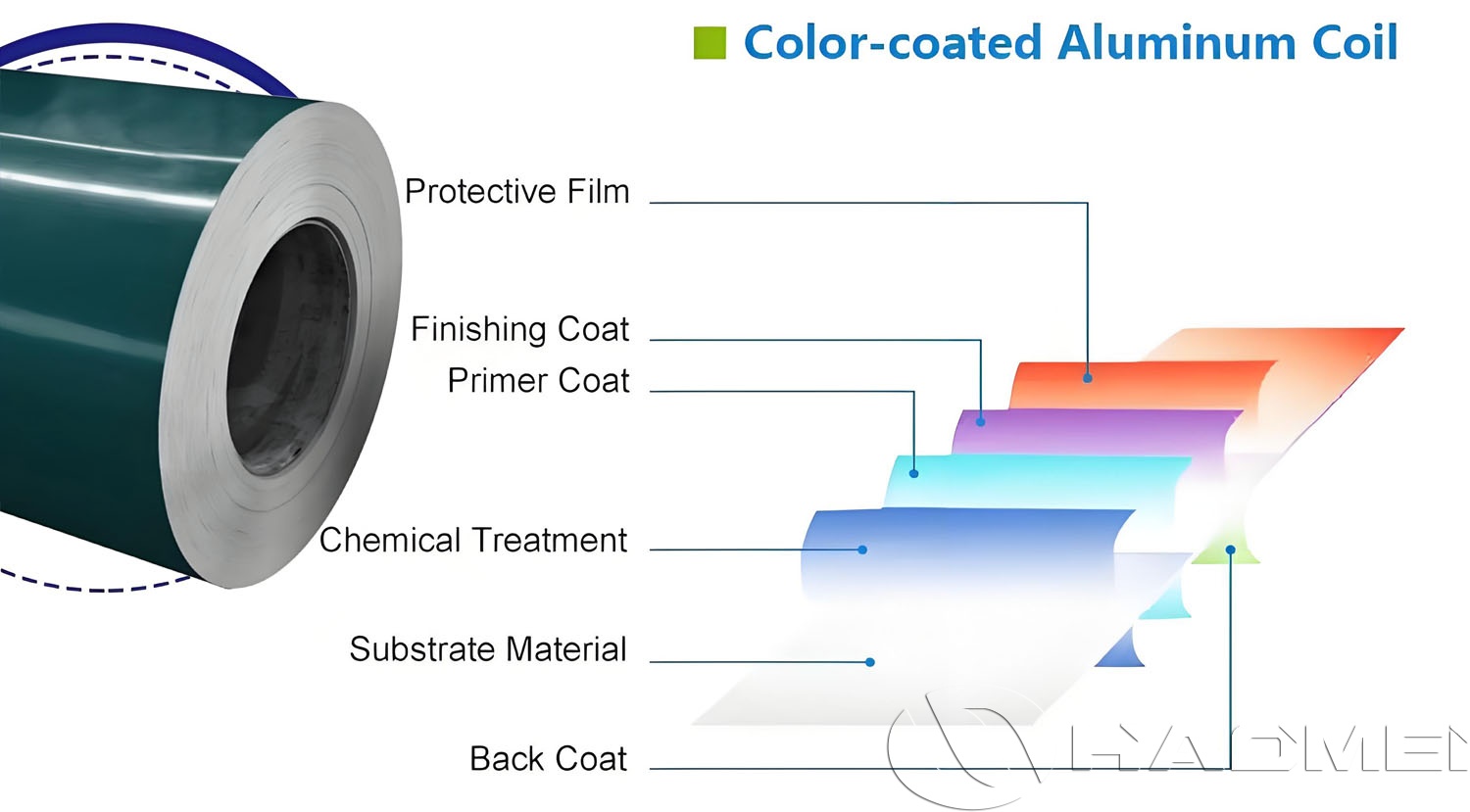
The performance of a pre-painted coil depends on the complete system rather than the topcoat alone. Typical layers include:
Aluminum alloy substrate
Chemical conversion treatment
Corrosion-resistant primer
PVDF color topcoat
Optional reverse-side protective coating or service coating
Core Specifications of PVDF Coated Aluminum Coil
PVDF Coated Aluminum Coil Specifications
| Item | Typical Specification | Notes |
|---|---|---|
| Aluminum alloy | 1100, 3003, 3004, 3105, 5005, 5052 | Selected according to forming, strength, and corrosion requirements |
| Temper | O, H14, H16, H18, H24, H26 | Temper affects bendability, flatness, and panel rigidity |
| Thickness | 0.20-2.00 mm | Common architectural ranges include 0.30-1.20 mm |
| Coil width | 20-1,600 mm | Slit widths and master coils are available within production capability |
| PVDF topcoat thickness | 20-30 μm | Higher-film-build systems may be used for specific exposure conditions |
| Total coating thickness | 25-35 μm or above | Includes primer and PVDF finish coat |
| Surface finish | Gloss, matte, satin, metallic, textured | Color and gloss are controlled by coating formulation |
| Color | RAL, Pantone, custom colors | Color tolerance is managed by batch inspection |
| Coil inner diameter | 150 mm, 300 mm, 405 mm, 508 mm | Determined by processing and downstream equipment |
| Standard | ASTM, EN, JIS, customer technical requirements | Testing scope may include adhesion, bend, impact, and coating thickness |
Low-Temperature Flexibility and Forming Performance
For cold-climate construction, the coating must remain intact after roll forming, bending, profiling, and installation-related deformation. At low temperatures, coatings become less flexible than under normal laboratory conditions. A well-designed PVDF system maintains practical bend performance through controlled resin selection, pigment dispersion, primer compatibility, curing conditions, and coating thickness.
Coating flexibility is commonly assessed through T-bend testing, where the coated sheet is folded over itself and inspected for cracking or loss of adhesion. Impact resistance, cross-hatch adhesion, pencil hardness, solvent resistance, and film thickness are also important production-control indicators. These tests help verify that the coating system is properly cured and compatible with the selected aluminum temper.
In cold regions, forming performance also depends on the geometry of the finished component. Tight radii, sharp hems, deep profiles, and heavily stretched corners impose greater strain on the coating film. Softer tempers provide improved formability, while harder tempers contribute additional panel stiffness. The balance between these properties is set by the coil application and fabrication method.
Common Aluminum Alloys for Cold-Climate PVDF Coil
1100 Alloy
1100 is commercially pure aluminum with excellent corrosion resistance, thermal conductivity, and formability. It is commonly used for decorative panels, interior-exterior trim, flashing, ceiling systems, and applications where high strength is not the primary requirement. Its soft condition supports forming of detailed profiles, although structural rigidity is lower than that of manganese- or magnesium-containing alloys.
3003 Alloy
3003 aluminum contains manganese, providing higher strength than 1100 while maintaining good workability and corrosion resistance. It is widely used for roofing sheets, wall panels, gutters, cladding accessories, and general architectural profiles. 3003 Color Coated Aluminum Coil is frequently specified where balanced forming performance and moderate mechanical strength are required.
3004 Alloy
3004 offers greater strength than 3003 and is suitable for profiled sheets, architectural panels, and applications requiring improved dent resistance. Its combination of strength and formability supports building envelope components subjected to wind loads and handling stresses.
3105 Alloy
3105 is a common alloy for pre-painted aluminum roofing and siding coil. It combines good formability with useful strength and stable coating compatibility. The alloy is widely processed into standing-seam roofing, corrugated profiles, trim coils, fascia, and rainwater products. 3105 Color Coated Aluminum Coil is available in tempers suited to different roll-forming and panel-production conditions.
5005 Alloy
5005 is a magnesium-containing aluminum alloy valued for good corrosion resistance and a surface appearance that can be favorable for anodizing or high-quality painted finishes. In PVDF-coated building applications, it is used for façade panels, curtain-wall elements, soffits, and decorative exterior surfaces where appearance consistency is important.
5052 Alloy
5052 provides higher strength and enhanced resistance to marine and industrial atmospheres due to its magnesium content. It is used for applications involving higher mechanical demands, including robust cladding components, transportation-related panels, and projects in areas affected by salt, de-icing agents, or persistent moisture. The alloy's greater strength must be coordinated with the required forming radius and temper.
PVDF Coating Performance in Snow, Ice, and UV Exposure
Snow cover can retain moisture on roof and wall interfaces, while melting water can move contaminants into seams and drainage paths. Aluminum naturally forms a protective oxide layer, and the PVDF coating system provides an additional barrier against atmospheric exposure. Primer quality and pretreatment continuity are particularly important because they support adhesion between the aluminum substrate and topcoat.
PVDF finishes retain their appearance under prolonged UV exposure more effectively than conventional exterior polyester coatings. This characteristic is important for high-altitude locations, clear-sky winter regions, and façade elevations receiving strong reflected sunlight from snow-covered surfaces. Stable pigments and controlled gloss levels further contribute to consistent visual performance over time.
For metallic colors, mica or aluminum-effect pigments are incorporated into the coating formulation to create depth and reflectivity. Metallic finishes require controlled coating application and color matching because viewing angle, panel orientation, and batch variation can influence perceived color.
Manufacturing Controls for Architectural PVDF Coil
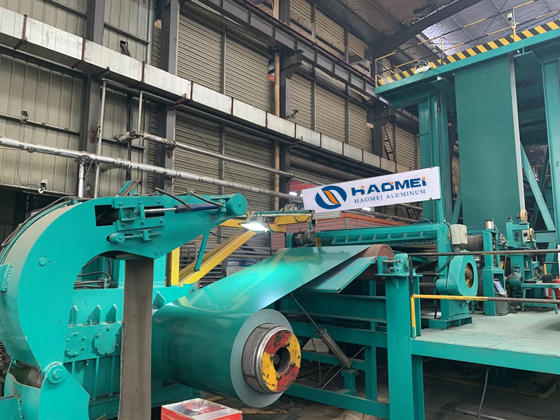
PVDF coated aluminum coil is typically produced through a continuous coil-coating process. The aluminum strip is cleaned, chemically treated, primed, top-coated, oven cured, cooled, inspected, and rewound. Consistent control of each stage is necessary to maintain coating integrity across the full coil length.
Key process controls include:
Substrate cleanliness and surface treatment uniformity
Primer and topcoat film thickness
Oven peak metal temperature and curing profile
Coating adhesion after bending and impact exposure
Color, gloss, and surface appearance consistency
Coil flatness, edge condition, and rewind tension
Cold-climate architectural applications also benefit from coordinated assessment of the finished system, including formed-panel geometry, sealants, fasteners, drainage design, and contact between dissimilar materials. Aluminum coil performance is influenced by both the PVDF coating system and the conditions created after fabrication into roofing or façade assemblies.
-
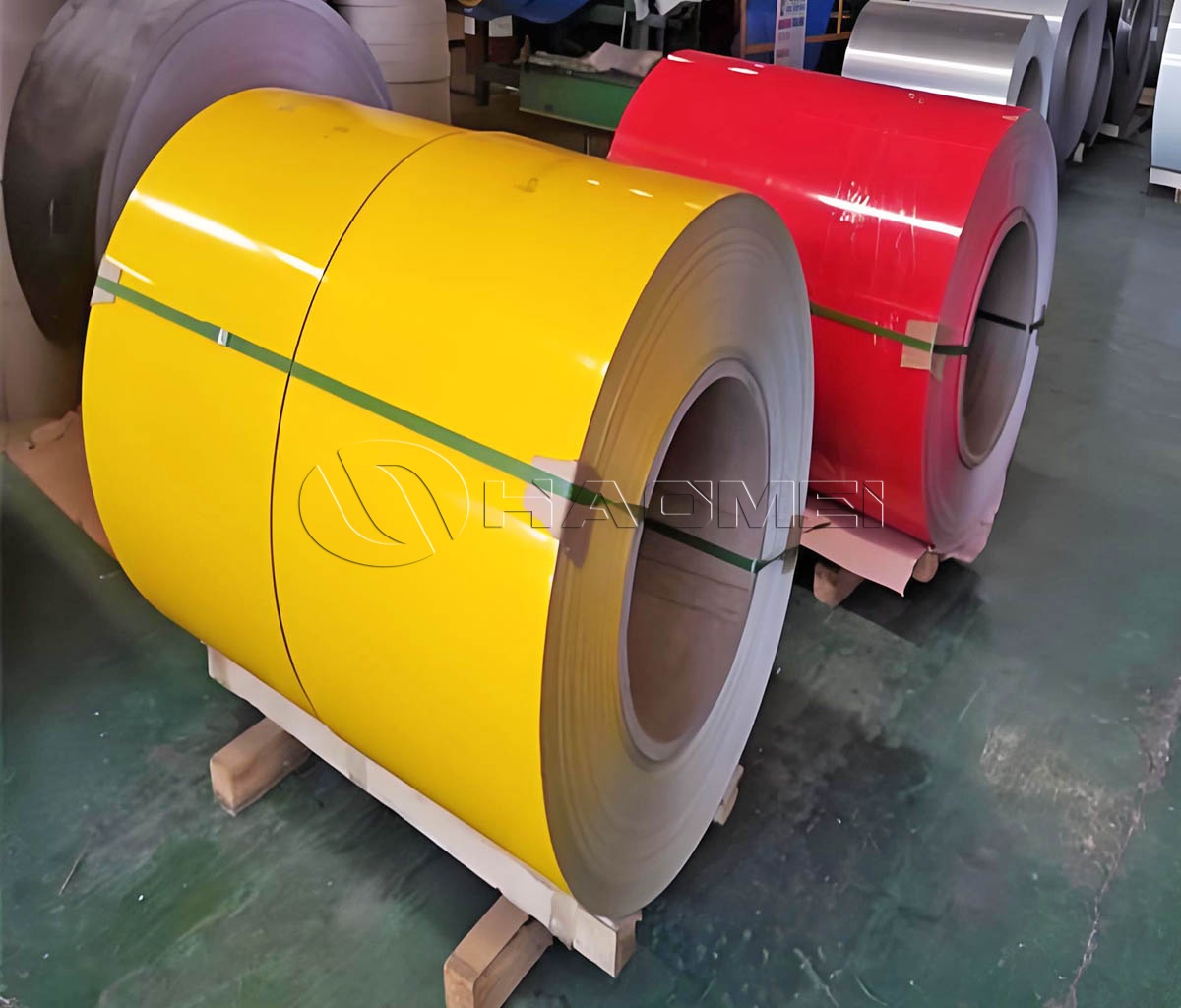
Matte Finish PVDF Coated Aluminum Coil
Matte finish PVDF coated aluminum coil delivers low-gloss architectural color, weather resistance, and durable performance for roofs and facades.
2026-10-12
-
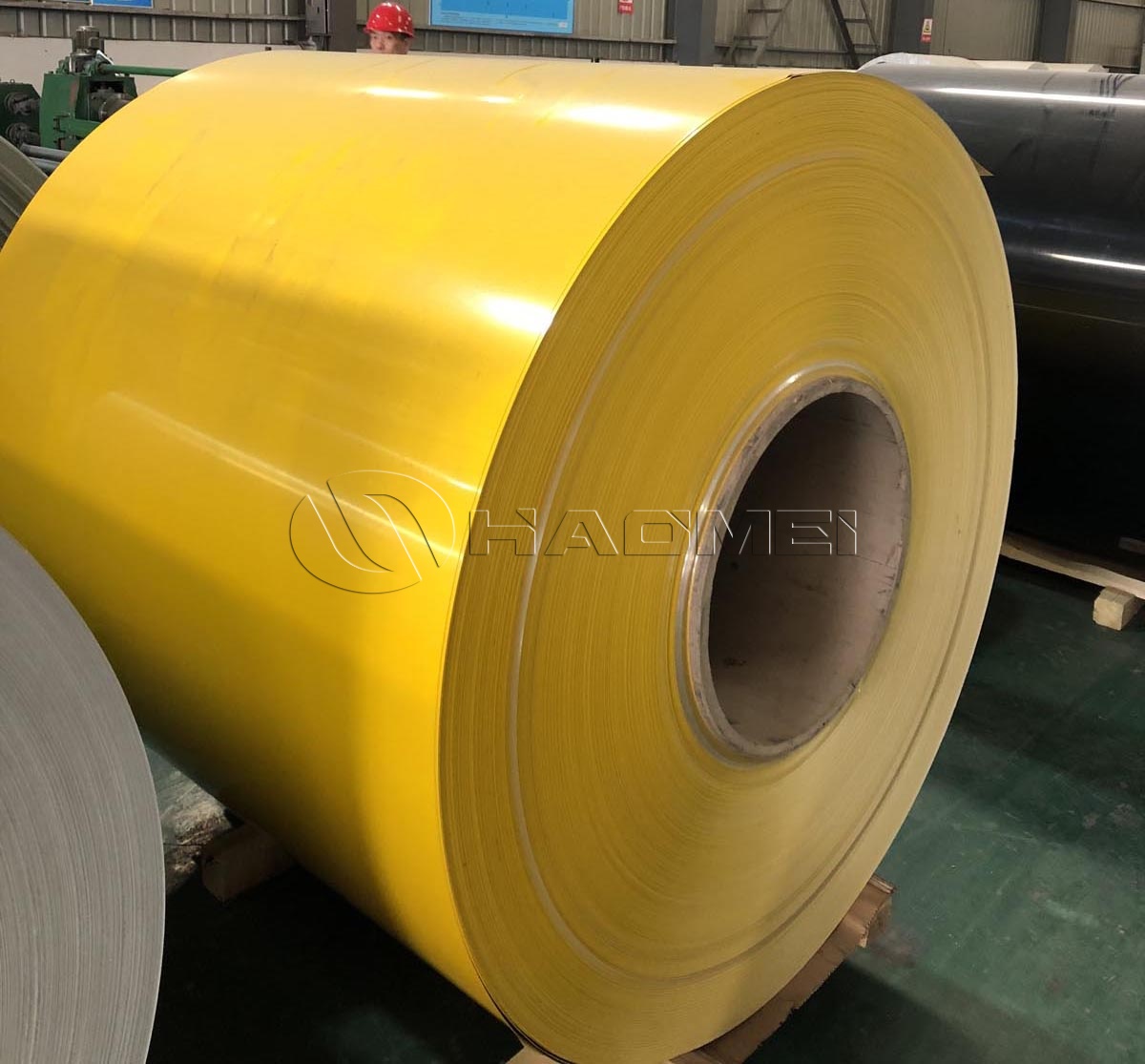
1000 Series Color Coated Aluminum Coil For Roofing
1000 Series color coated aluminum coil for roofing is positioned as a lightweight, high-corrosion-resistance roof stock for roll-formed panels, corrugated sheets, ridge caps, flashings, and rainwater systems.
2026-01-19
-
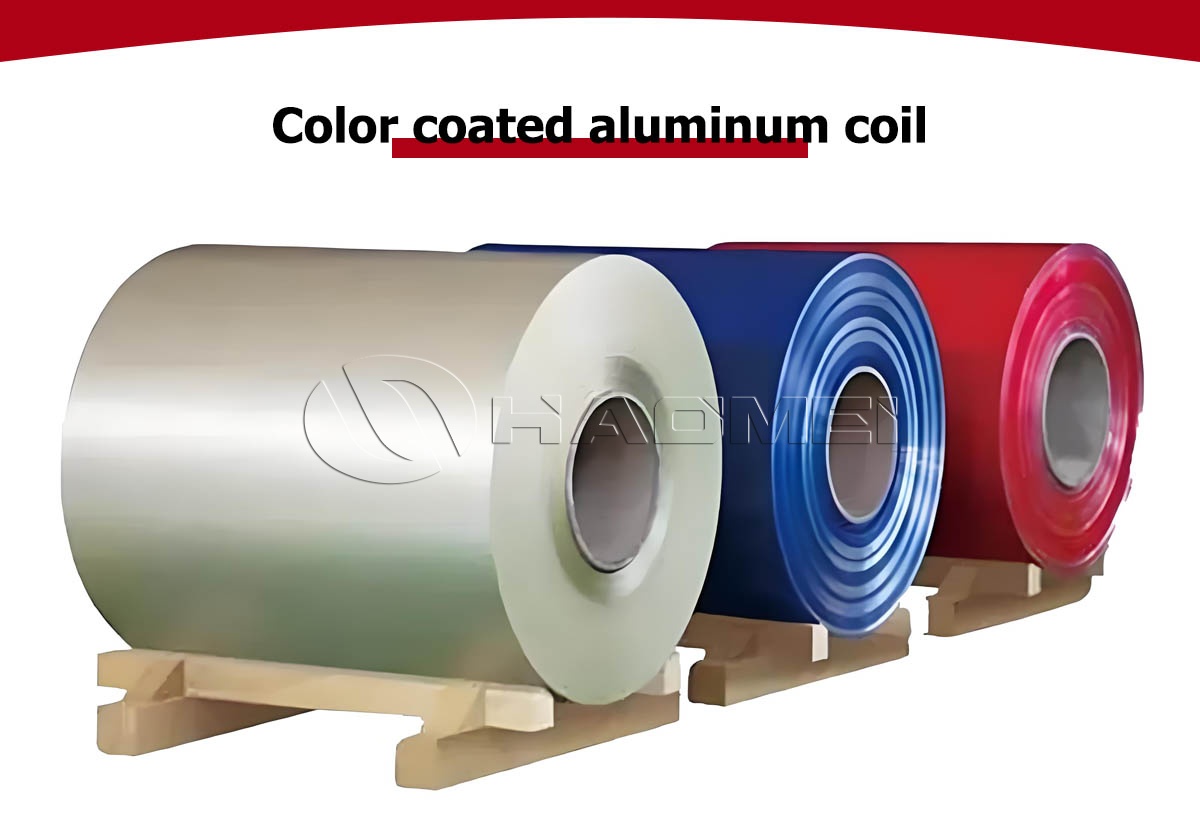
1060 Color-Coated Aluminum Coil (Glossy / Matte) for Architectural Decoration
1060 color-coated aluminum coil in glossy and matte finishes for lightweight architectural cladding, ceilings, trims, and interior panels.
2026-09-30
Contact Directly
-

ADD: No.14 Waihuan Road, CBD, Zhengzhou, China
-

WhatsApp: +86-18703635966
-

E-MAIL: sales@alummc.com