

News
 By Hermione
PVDF Coated Aluminum Coil for Coastal Environments
PVDF coated aluminum coil is positioned as a high-durability pre-painted aluminum material for exterior building systems exposed to salt-laden air, humidity, ultraviolet radiation, and temperature cycling. In coastal environments, it is widely used for curtain wall panels, aluminum composite panels, roofing, soffits, ceilings, gutters, fascia, port buildings, seaside resorts, transportation hubs, and other architectural applications requiring stable color and corrosion resistance.
Why PVDF Coating Performs Well Near the Coast
The performance of PVDF Coated Aluminum Coil is mainly determined by the fluorocarbon resin system, substrate alloy, surface pretreatment, coating thickness, curing control, and forming process. PVDF resin contains strong carbon-fluorine bonds, giving the coating excellent resistance to UV degradation, chalking, chemical attack, and atmospheric pollutants.
In coastal projects, the main exposure risks include chloride deposition, condensation, wind-driven rain, high humidity, and long-term sunlight. A properly controlled PVDF coating system provides a dense protective barrier that helps reduce direct contact between the aluminum substrate and corrosive media. The coating also maintains gloss and color stability better than general polyester systems under severe outdoor exposure.
Typical Coating Structure
A PVDF color coated aluminum coil is not only a painted surface. It is a multi-layer engineered material designed to balance adhesion, flexibility, corrosion resistance, and weatherability.
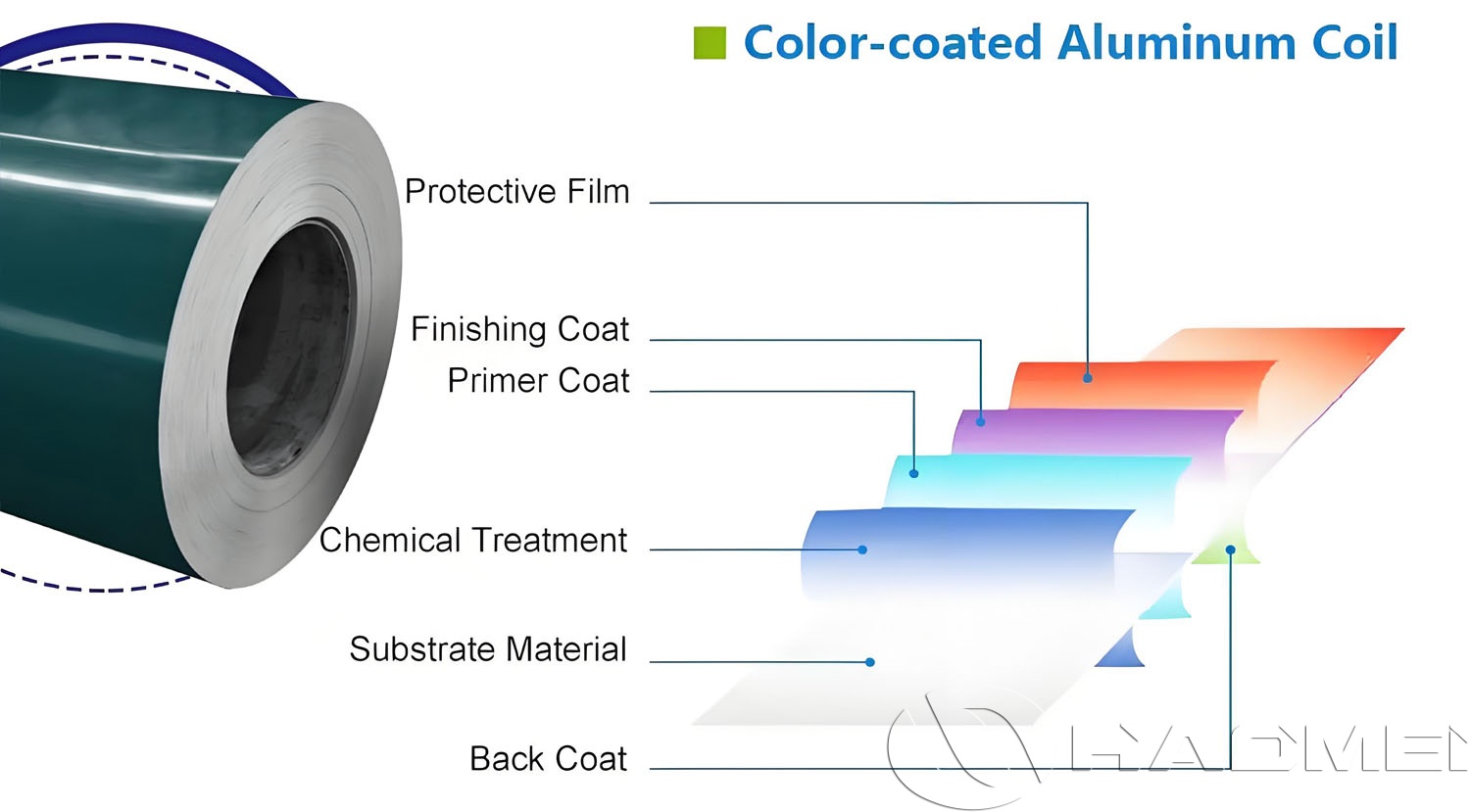
Typical layers include:
Aluminum substrate, selected according to strength, forming, and corrosion requirements
Chemical pretreatment layer, improving adhesion and under-film corrosion resistance
Primer coating, enhancing bonding and corrosion protection
PVDF topcoat, providing color, UV resistance, and weathering performance
Optional clear coat or special surface finish, depending on color and design requirements
Back coating, supporting handling protection and panel processing needs
For coastal use, pretreatment uniformity and coating continuity are especially important. Edge areas, cut surfaces, punched holes, and formed corners are more sensitive to corrosion because they may expose the metal substrate or create thinner coating zones.
Core Specifications of PVDF Coated Aluminum Coil
| Specification Item | Typical Range or Description |
|---|---|
| Product Type | PVDF coated aluminum coil for exterior and coastal applications |
| Common Alloys | 1100, 1060, 3003, 3004, 3105, 5005, 5052, 5754 |
| Temper | O, H14, H16, H24, H26, H32, H34, depending on alloy and application |
| Thickness | 0.20 mm to 3.00 mm, commonly 0.50 mm to 1.50 mm for architectural panels |
| Width | 600 mm to 1600 mm, project-dependent widths available within mill capability |
| Coating System | 2-coat 1-bake or 3-coat 2-bake PVDF fluorocarbon system |
| Top Coating Thickness | Typically 20 to 30 microns; higher-build systems used for demanding exposure |
| Back Coating | Epoxy, polyester, or service coating, commonly 5 to 15 microns |
| Surface Finish | Solid color, metallic, matte, high gloss, embossed, or special decorative finish |
| Gloss Range | Low, medium, or high gloss according to architectural design requirements |
| Color Control | RAL, Pantone, custom color, metallic color, or project-specific color standard |
| Adhesion | Cross-hatch and T-bend performance controlled according to coating specification |
| Formability | Suitable for roll forming, bending, slitting, profiling, and panel fabrication |
| Salt Spray Reference | Commonly evaluated by neutral salt spray testing; duration depends on system design |
| Weathering Reference | Evaluated by UV, humidity, gloss retention, color difference, and chalking tests |
| Applicable Standards | ASTM, AAMA, EN, ISO, or project-specific coating performance standards |
Commonly Used Alloys for Coastal Applications
Alloy selection affects mechanical strength, corrosion behavior, flatness, and forming performance. For PVDF coated aluminum coil used near the sea, the coating system and substrate must be considered together.
3003, 3004, and 3105 Aluminum Alloys
3000 series alloys are widely used in architectural color coated aluminum because manganese improves strength while maintaining good formability. 3003 Color Coated Aluminum Coil is commonly processed into roofing sheets, wall cladding, ceiling panels, and general exterior panels. 3004 and 3105 provide slightly higher strength and are often used where improved rigidity or panel stability is required.
5005 Aluminum Alloy
5005 aluminum is a magnesium-containing alloy with good corrosion resistance and surface quality. It is often selected for facade panels, curtain wall systems, and decorative building skins where appearance consistency and outdoor durability are important. When combined with a PVDF coating, 5005 can provide a balanced solution for coastal architectural cladding.
5052 and 5754 Aluminum Alloys
5052 and 5754 contain higher magnesium content than 5005, giving them stronger mechanical properties and good marine-atmosphere corrosion resistance. They are suitable for applications requiring better strength, impact resistance, or more demanding forming conditions, such as transportation facilities, coastal industrial buildings, and outdoor equipment enclosures.
1100 and 1060 Aluminum Alloys
1100 and 1060 are commercially pure aluminum grades with excellent ductility and formability. They are typically used for flashings, trim, ceilings, decorative panels, and other components where deep forming or easy processing is more important than high structural strength. In coastal environments, the coating system and installation design play a major role in their service performance.
Manufacturing Control for Coastal-Grade PVDF Coils
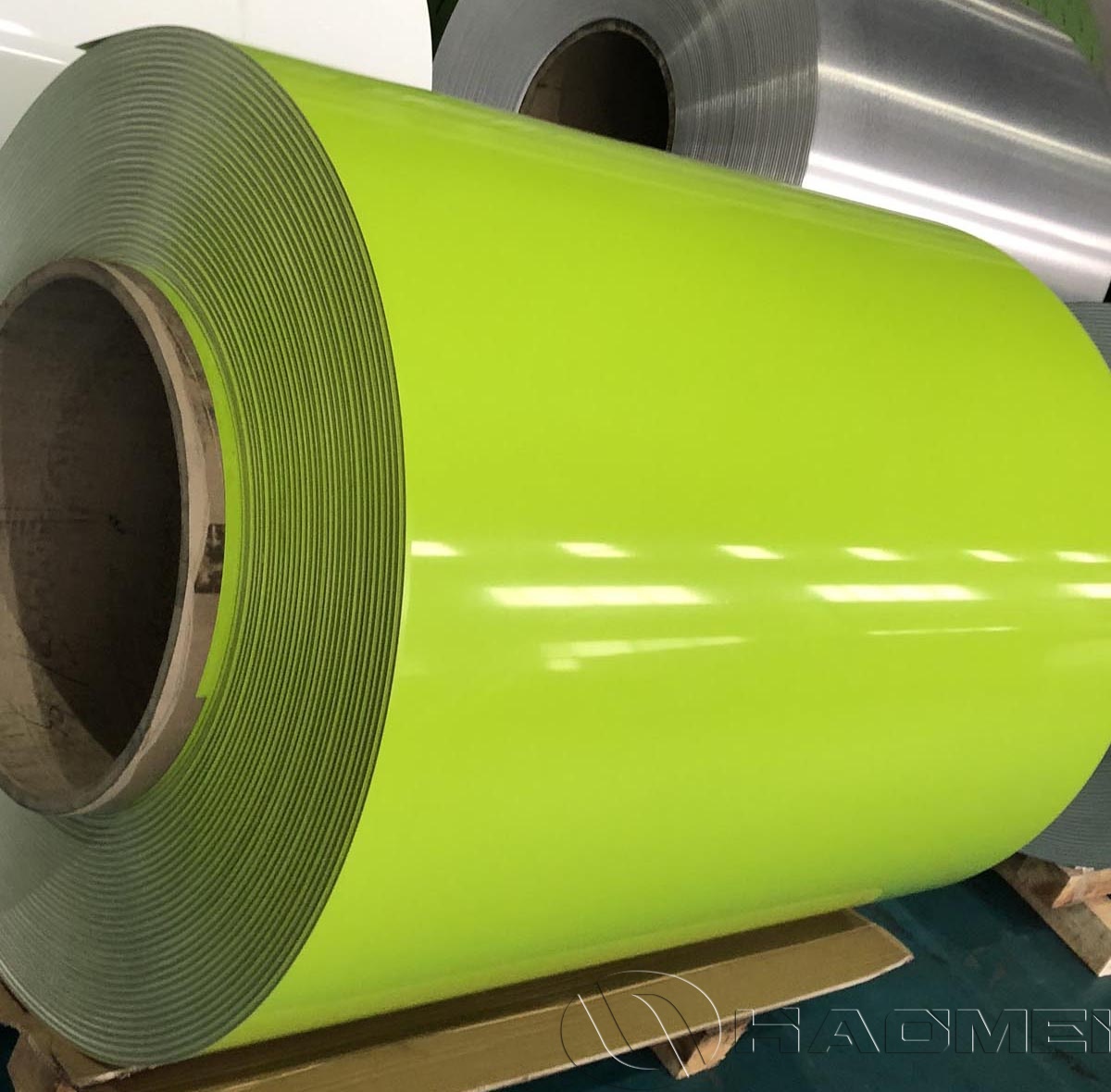
Stable coastal performance depends on controlled coil coating production. Key manufacturing control points include substrate cleaning, chemical conversion coating weight, primer film thickness, PVDF topcoat viscosity, oven temperature, peak metal temperature, line speed, and cooling conditions. In continuous coil coating, small process variations can influence adhesion, color difference, gloss, flexibility, and corrosion resistance.
Important quality control items include:
Coating thickness measurement on top and back surfaces
Color difference control by spectrophotometer
Gloss measurement at specified angles
Pencil hardness and scratch resistance evaluation
T-bend flexibility and coating crack inspection
Cross-hatch adhesion testing
MEK rubbing or solvent resistance testing
Impact resistance and reverse impact evaluation
Salt spray and humidity resistance testing
Outdoor exposure or accelerated weathering evaluation
Performance Factors in Coastal Environments
PVDF coating provides strong weatherability, but coastal durability is also influenced by panel design and fabrication quality. Areas that retain moisture, accumulate salt, or expose unprotected edges are more vulnerable than open, well-drained surfaces. For formed panels, the coating must maintain adhesion and flexibility at bends without cracking. For metallic and dark colors, thermal expansion and color stability should also be considered during product validation.
The back coating is relevant in humid coastal air, especially for roof panels, soffits, and concealed spaces where condensation may occur. Primer chemistry and pretreatment quality are critical because under-film corrosion often begins at scratches, cut edges, and unsealed joints.
Typical Application Scenarios
PVDF coated aluminum coil is commonly processed into flat panels, profiled sheets, honeycomb panels, aluminum composite panels, standing seam roofing, ceiling strips, roller shutter components, decorative trims, and outdoor signage materials. In coastal architecture, it supports both functional protection and long-term appearance retention for exterior envelopes exposed to marine atmosphere.
Typical use cases include:
Seaside hotel and resort facade systems
Coastal residential and commercial curtain walls
Port terminal roofs, soffits, and wall panels
Airport and railway station exterior ceilings
Marine-adjacent industrial building cladding
Outdoor advertising panels and architectural signage
Coastal roofing, fascia, gutter, and trim components
Testing and Validation References
PVDF coated aluminum coil for coastal environments is commonly validated through a combination of laboratory testing and production inspection. Neutral salt spray, cyclic corrosion, humidity resistance, UV exposure, color difference, gloss retention, chalking resistance, adhesion, and flexibility tests are used to evaluate whether the coating system meets the intended performance level. Standards such as ASTM B117, ASTM D2244, ASTM D523, ASTM D3359, ASTM D4145, ASTM G154, AAMA 2605, EN 13523, and related project specifications are frequently used as technical references.
-
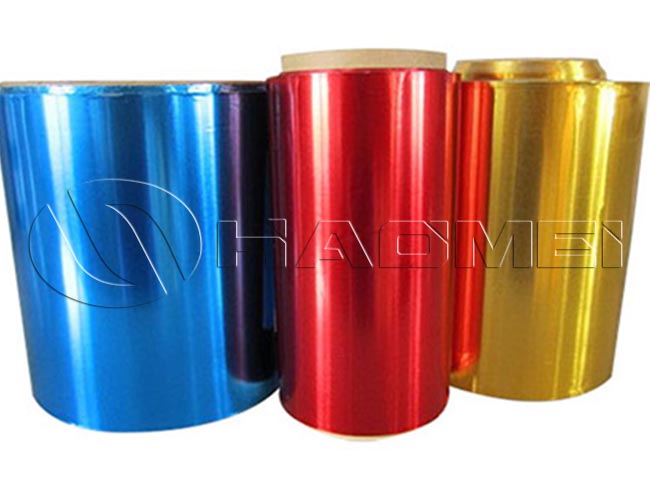
5052 vs. 3003 Color-Coated Aluminum Coil: Which Material Is Right for You?
3003 and 5052 are the two most commonly used substrates, and they are often made into color-coated aluminum coils for use in building curtain walls, industrial plants and shipbuilding.
2025-12-12
-
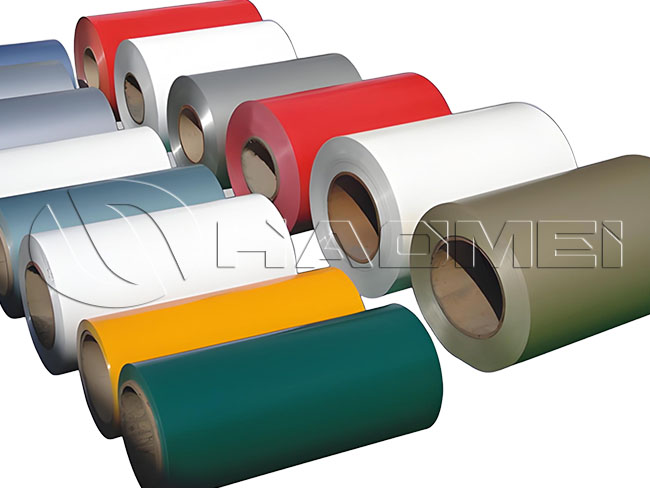
Custom RAL Color 5052 Aluminum Coil
5052 color-coated aluminum coils can be customized in color according to the ARL color chart and are widely used in architectural decoration, transportation and other fields.
2025-12-10
-
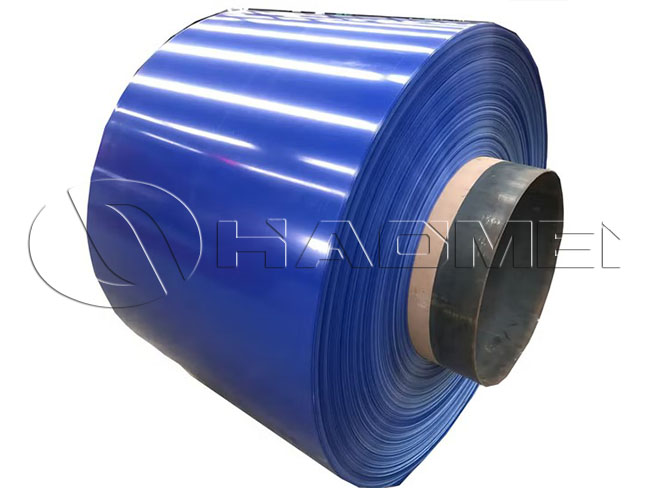
Color-Coated Aluminum Coils for Ceiling Applications
In modern architectural decoration, ceilings are no longer merely functional structures for concealing pipelines. They play a critical role in enhancing overall aesthetics, improving durability, and reducing long-term maintenance costs. From large airport
2025-12-26
Contact Directly
-

ADD: No.14 Waihuan Road, CBD, Zhengzhou, China
-

WhatsApp: +86-18703635966
-

E-MAIL: sales@alummc.com