

News
 By Hermione
PVDF Coated Aluminum Coil for Ceiling Systems
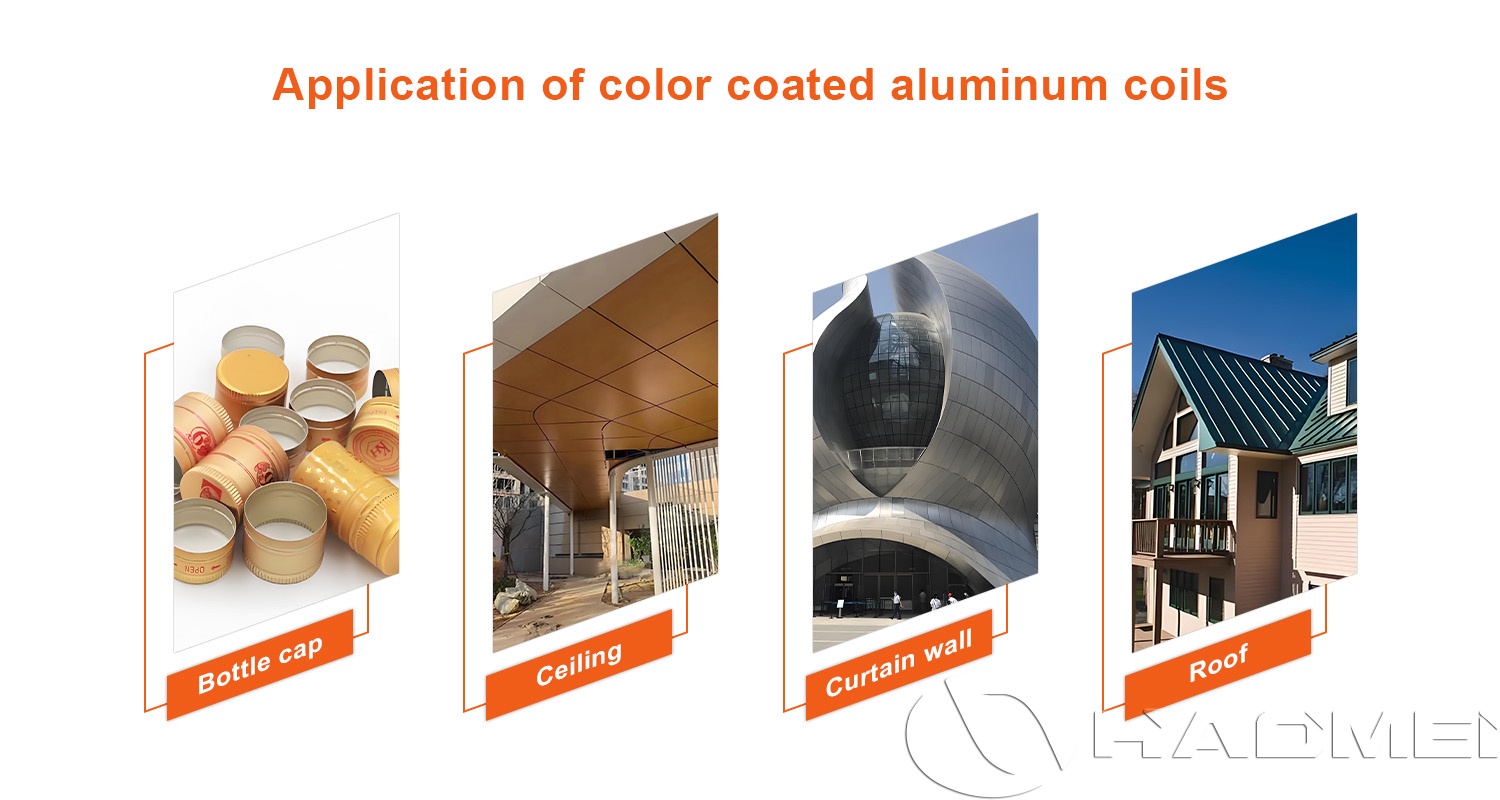
PVDF coated aluminum coil for ceiling systems is a pre-painted aluminum material positioned for architectural interior and semi-exterior ceiling applications where long-term color stability, clean surface appearance, lightweight structure, and reliable forming performance are required. It is widely used in metal suspended ceilings, clip-in ceiling panels, lay-in ceiling tiles, linear strip ceilings, aluminum baffles, open-cell ceilings, canopy ceilings, transportation hubs, commercial buildings, healthcare facilities, and public interior decoration systems.
Material Characteristics for Ceiling Applications
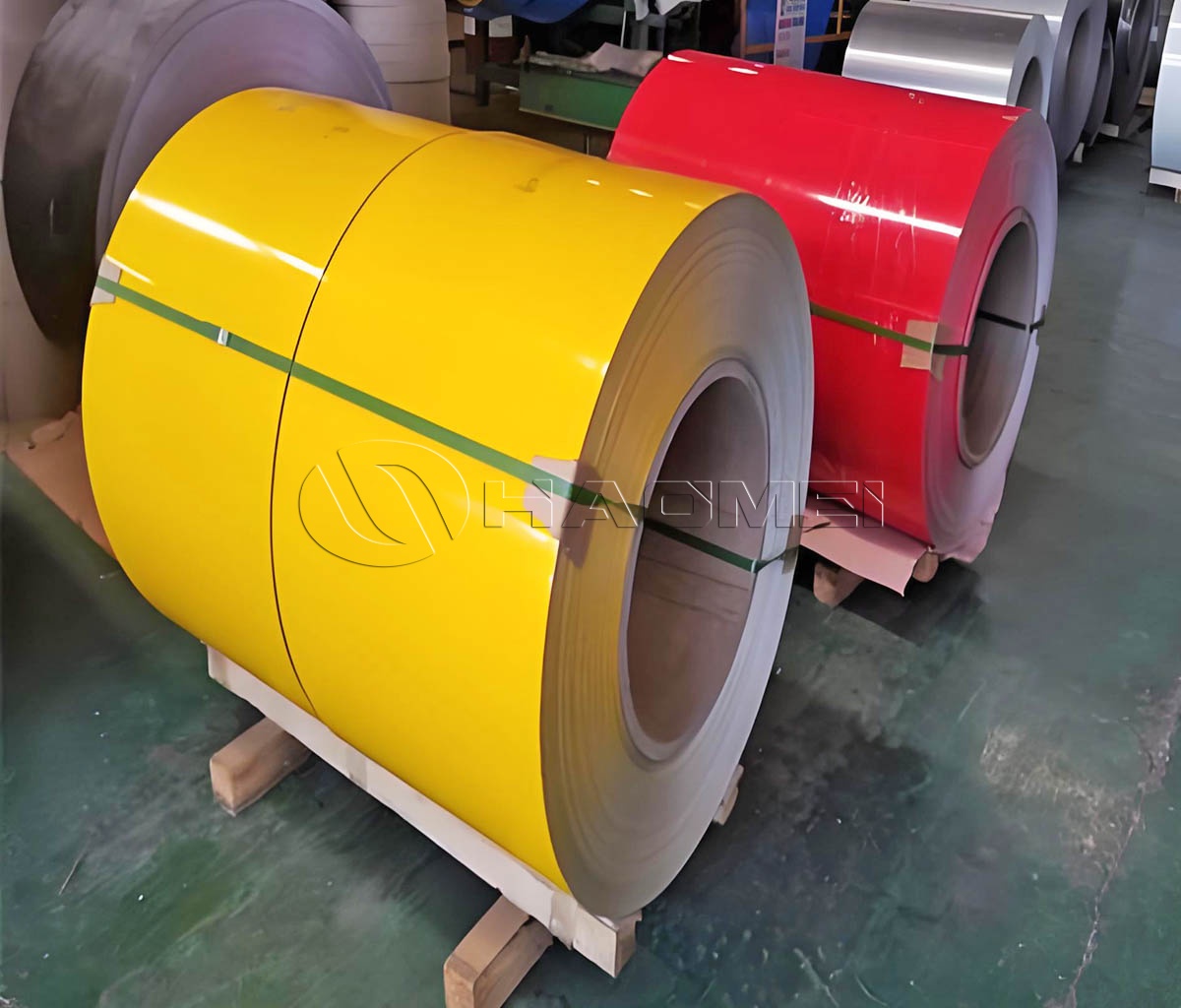
A ceiling system places different demands on coated aluminum compared with general sheet metal. The material must remain flat after slitting, leveling, punching, perforating, bending, roll forming, or panel pressing. It must also maintain coating integrity at folded edges, visible corners, and perforated holes.
PVDF coating is based on polyvinylidene fluoride resin, commonly used in high-performance architectural coating systems. Compared with general polyester coating, PVDF coating offers stronger resistance to UV exposure, chalking, chemical contamination, humidity, and color fading. In ceiling systems exposed to indirect sunlight, air-conditioning airflow, airport exhaust, coastal humidity, or high-traffic environments, this coating system helps maintain a consistent visual effect over time.
For suspended ceilings and decorative metal panels, the coated aluminum coil is typically processed into:
Square ceiling tiles and clip-in panels
Lay-in panels for T-grid ceiling systems
Linear strip ceilings and C-shaped panels
Aluminum baffles and vertical fins
Perforated acoustic ceiling panels
Curved ceiling elements and custom decorative modules
Coating Structure and Surface Performance
A typical PVDF Coated Aluminum Coil for ceiling systems consists of an aluminum substrate, chemical pretreatment layer, primer, PVDF topcoat, and back coating. The pretreatment layer improves adhesion and corrosion resistance, while the primer supports bonding between the metal and the fluorocarbon topcoat. The back coating provides handling protection and balanced stress during coil processing.
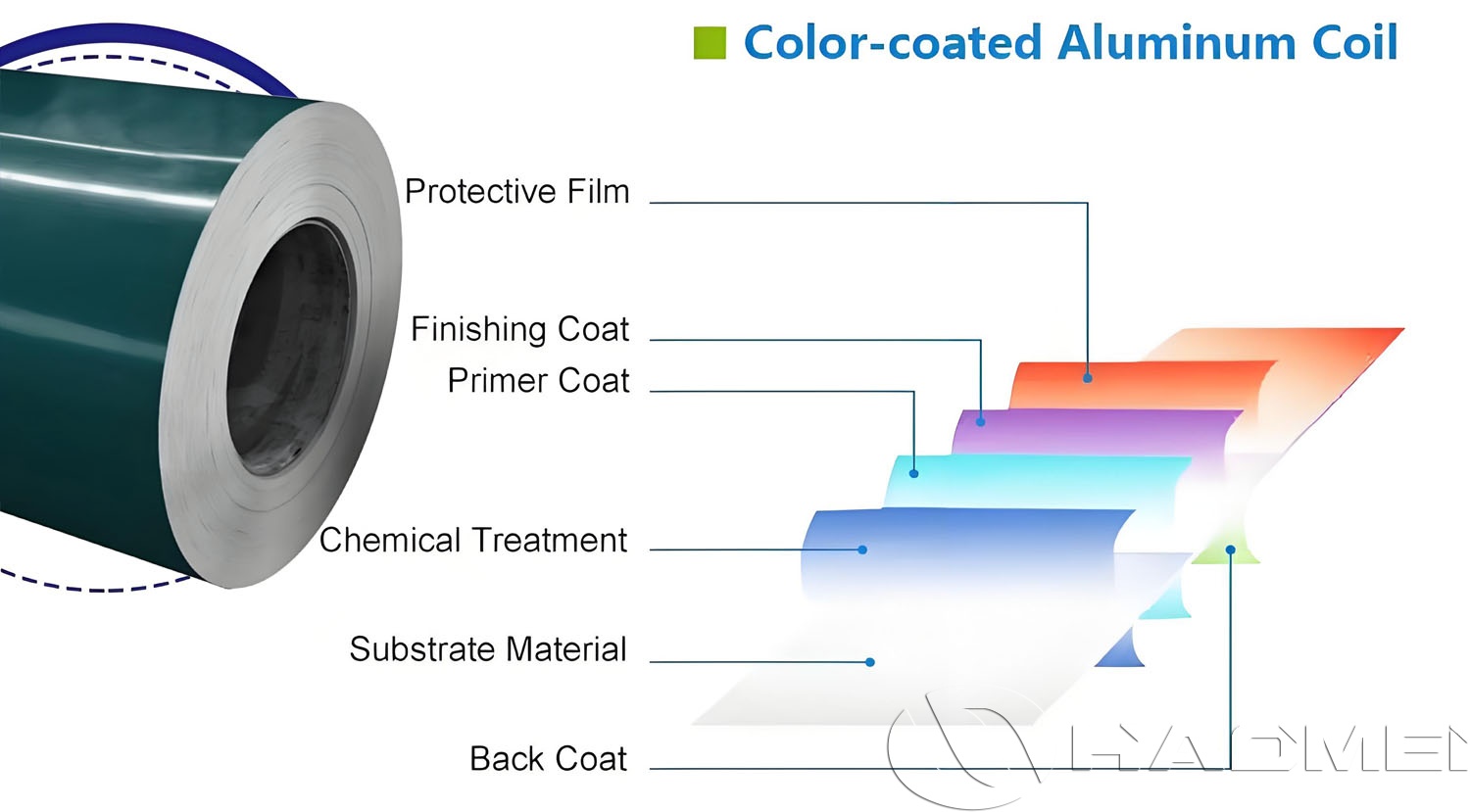
The coating system is usually designed according to the operating environment and forming method. For indoor ceiling panels, a single-side PVDF coating with a suitable back coat is common. For semi-exterior canopy ceilings, station ceilings, corridor ceilings, and humid public areas, higher coating thickness and stricter corrosion resistance requirements are often applied.
Important surface properties include:
Stable gloss and color uniformity across coils and batches
Good T-bend performance for folded ceiling edges
Adhesion after forming, punching, and cutting
Resistance to moisture, cleaning agents, and airborne pollutants
Smooth surface for flat panels and consistent texture for matte or metallic finishes
Compatibility with perforation and acoustic backing processes
Core Specifications of PVDF Coated Aluminum Coil for Ceiling Systems
| Item | Common Specification Range |
|---|---|
| Product type | PVDF coated aluminum coil for ceiling panels and ceiling systems |
| Alloy | 1100, 1060, 3003, 3004, 3105, 5005, 5052 |
| Temper | O, H14, H16, H18, H24, H26, H32, depending on forming design |
| Thickness | 0.30 mm to 1.50 mm, commonly 0.50 mm to 1.00 mm for ceiling panels |
| Width | 600 mm to 1600 mm, customized according to panel layout and slitting plan |
| Coating system | PVDF primer plus topcoat, with protective back coating |
| Top coating thickness | Commonly 20 μm to 30 μm; higher systems available for demanding use |
| Back coating thickness | Commonly 5 μm to 10 μm |
| Surface finish | Solid color, metallic color, matte, high gloss, textured, wood grain effect |
| Gloss range | Low gloss, medium gloss, or customized architectural gloss level |
| Color standard | RAL, Pantone, custom color matching, project color samples |
| Processing suitability | Slitting, leveling, punching, perforating, bending, roll forming, panel pressing |
| Typical applications | Suspended ceilings, ceiling tiles, strip ceilings, baffles, acoustic panels, canopy ceilings |
Common Alloys Used in Ceiling Systems
Alloy selection has a direct influence on strength, flatness, forming behavior, and final panel stability. Ceiling panels are usually thin-gauge products, so the balance between stiffness and processability is important.
1100 and 1060 Aluminum
1100 and 1060 are commercially pure aluminum grades with excellent ductility and good corrosion resistance. They are suitable for simple ceiling tiles, decorative panels, and applications requiring easy forming. Their lower strength makes them suitable for shallow forming and light-duty ceiling structures, especially where panel support is sufficient.
3003 Aluminum
3003 is one of the most commonly used alloys for coated aluminum ceiling panels. It contains manganese as the main alloying element, giving it better strength than 1100 while maintaining good formability. 3003 Color Coated Aluminum Coil is frequently used for clip-in panels, lay-in ceiling tiles, perforated acoustic panels, and general architectural ceiling systems.
3004 and 3105 Aluminum
3004 and 3105 provide higher mechanical strength and better panel rigidity than pure aluminum grades. They are often used in ceiling panels with larger dimensions, strip ceilings, and linear ceiling products where improved flatness and deformation resistance are required. These alloys also perform well in roll forming and continuous panel production.
5005 and 5052 Aluminum
5005 and 5052 belong to the aluminum-magnesium alloy group. They offer higher strength and good corrosion resistance, making them suitable for ceiling systems in transportation stations, coastal buildings, canopy areas, and other environments with stricter durability requirements. 5005 is also valued for architectural surface quality, while 5052 provides stronger mechanical performance for more demanding panel structures.
Manufacturing and Process Control
The performance of PVDF coated aluminum coil is not determined only by coating formulation. Coil pretreatment, paint viscosity, curing temperature, line speed, film thickness control, and tension management all influence the final quality. For ceiling systems, process stability is especially important because color differences, roller marks, edge waves, or coating defects are highly visible on large ceiling surfaces.
Key process control points include:
Substrate cleaning to remove rolling oil, oxide residue, and fine particles
Chemical pretreatment for consistent coating adhesion
Primer and PVDF topcoat application with controlled wet film thickness
Oven curing at the proper peak metal temperature
Online inspection for color deviation, gloss, pinholes, scratches, and surface defects
Coil winding tension control to avoid pressure marks and telescoping
Protective film compatibility for later panel fabrication
Fabrication Behavior in Ceiling Panel Production
PVDF coated aluminum coil for ceiling systems is normally supplied in coil form and then processed by downstream ceiling manufacturers. During fabrication, the material may go through precision slitting, flattening, corner notching, perforation, edge folding, cassette forming, or roll forming. A suitable coating system must withstand these operations without cracking, peeling, or obvious whitening at the bend area.
For perforated acoustic ceilings, coating adhesion around punched holes is critical. Burr control, punch sharpness, lubrication method, and substrate temper all affect the final hole quality. For flat ceiling tiles, coil flatness and residual stress control are equally important because slight waviness can become visible after installation under linear lighting.
Finish Options for Architectural Ceilings
PVDF coated aluminum coil supports a wide range of architectural finishes. Solid colors such as white, silver, grey, black, and beige are commonly used in commercial interiors. Metallic finishes provide a refined appearance for airports, metro stations, shopping centers, and exhibition spaces. Matte PVDF finishes help reduce glare under strong lighting, while wood grain and special patterns can be used for decorative ceiling concepts that require warmer visual effects.
Color consistency is generally evaluated by color difference, gloss tolerance, and visual inspection under standard light conditions. For large ceiling areas, batch control is important because adjacent panels may be installed in the same visual plane.
Performance Validation
Typical inspection items for PVDF coated aluminum coil used in ceiling systems include coating thickness, gloss, color difference, pencil hardness, impact resistance, T-bend, cross-hatch adhesion, solvent resistance, salt spray resistance, humidity resistance, and accelerated weathering. For semi-exterior ceilings, UV resistance and corrosion resistance are more critical. For interior public spaces, surface cleanability, scratch resistance, and stable appearance under artificial lighting are often emphasized.
Common quality checkpoints include:
Coating thickness uniformity across width and length
Color and gloss consistency between coils
Adhesion after bending and impact testing
Surface smoothness without roll marks, pinholes, dirt points, or coating streaks
Flatness after leveling and panel forming
Edge quality after slitting, punching, and perforation
-
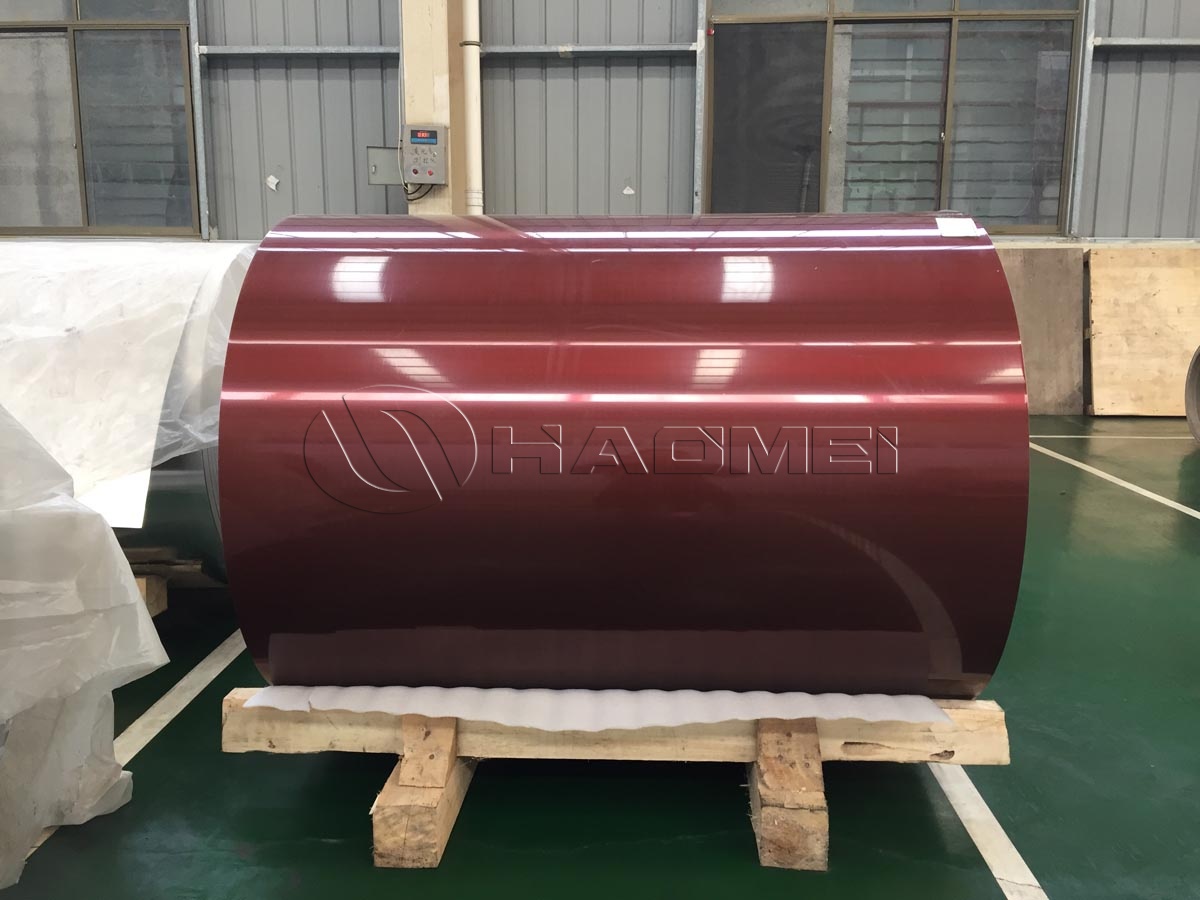
Matte Finish 3105 Color Coated Aluminum Coil
Matte finish 3105 color coated aluminum coil combines low-gloss visual appeal, formability, and PE or PVDF protection for roofs, facades, ceilings, and trim.
2026-07-21
-
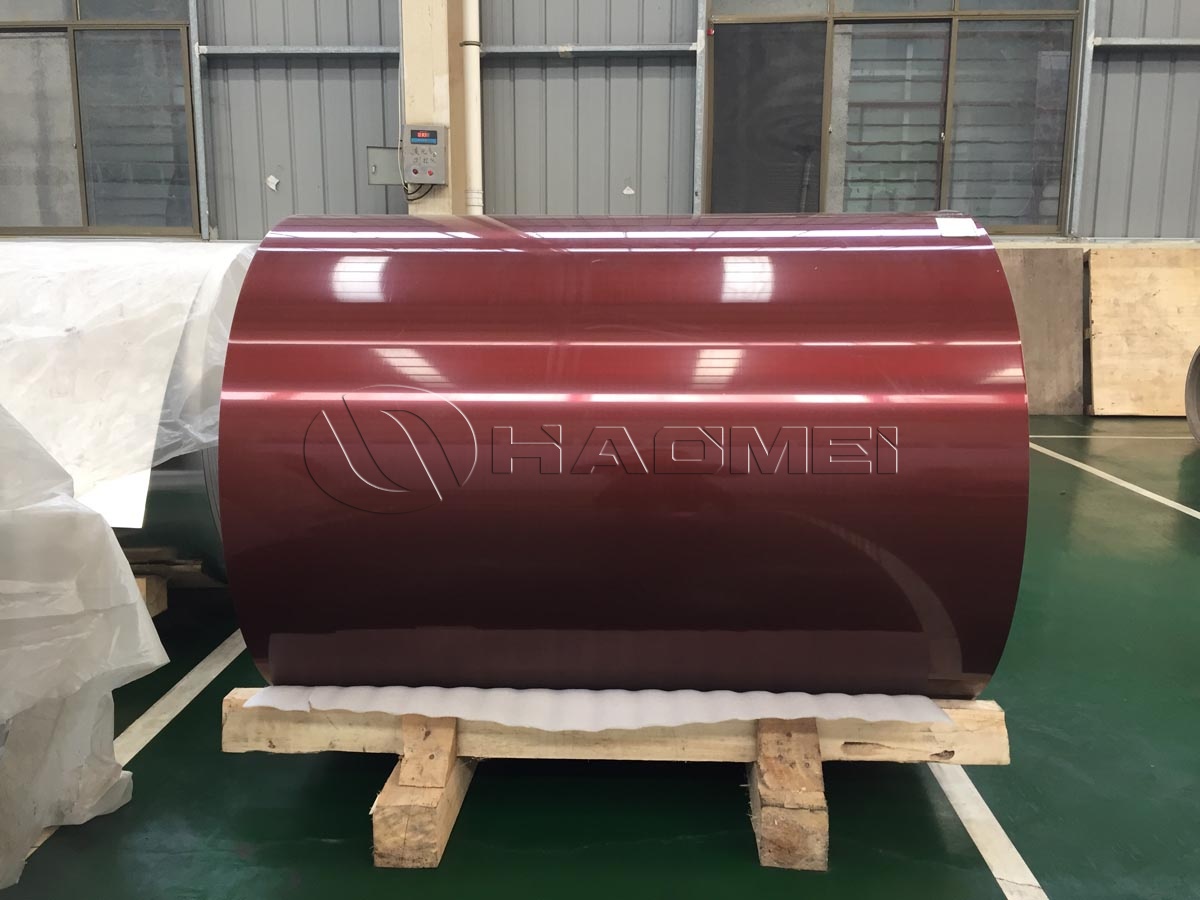
Pvdf Coated Aluminum Coil For Exterior Cladding
PVDF coated aluminum coil for exterior cladding delivers long-lasting color, UV resistance, and corrosion protection via a controlled coil coating process for facades.
2026-01-29
-
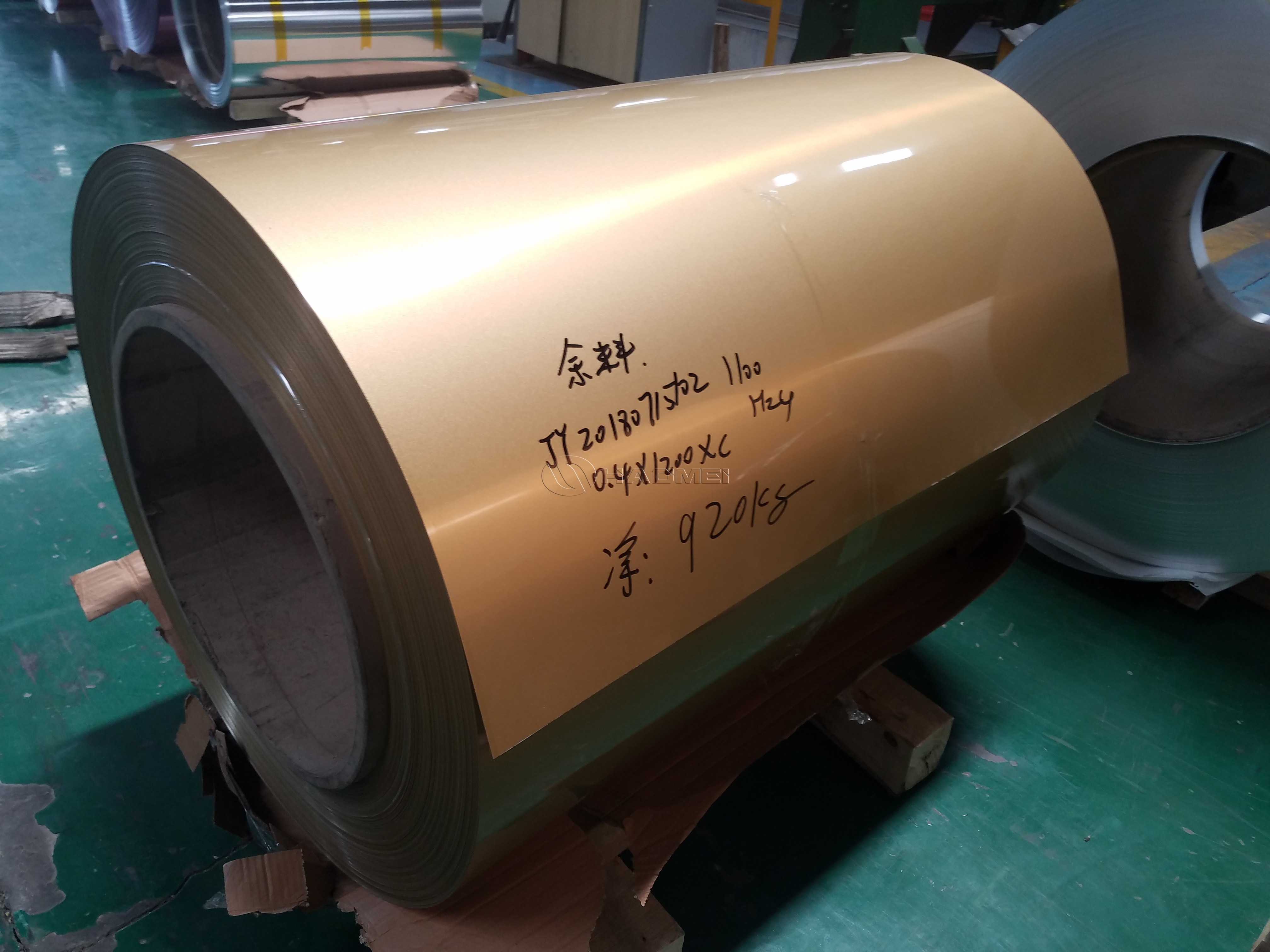
Durable Color Coated Aluminum Coil for Coastal Areas
Coastal color coated aluminum coil with PVDF coating, corrosion resistant alloys, and salt spray durability for roofing, facades, and ceilings in coastal areas.
2026-06-05
Contact Directly
-

ADD: No.14 Waihuan Road, CBD, Zhengzhou, China
-

WhatsApp: +86-18703635966
-

E-MAIL: sales@alummc.com