

News
 By Hermione
Decorative Camouflage-Pattern Aluminum Coils
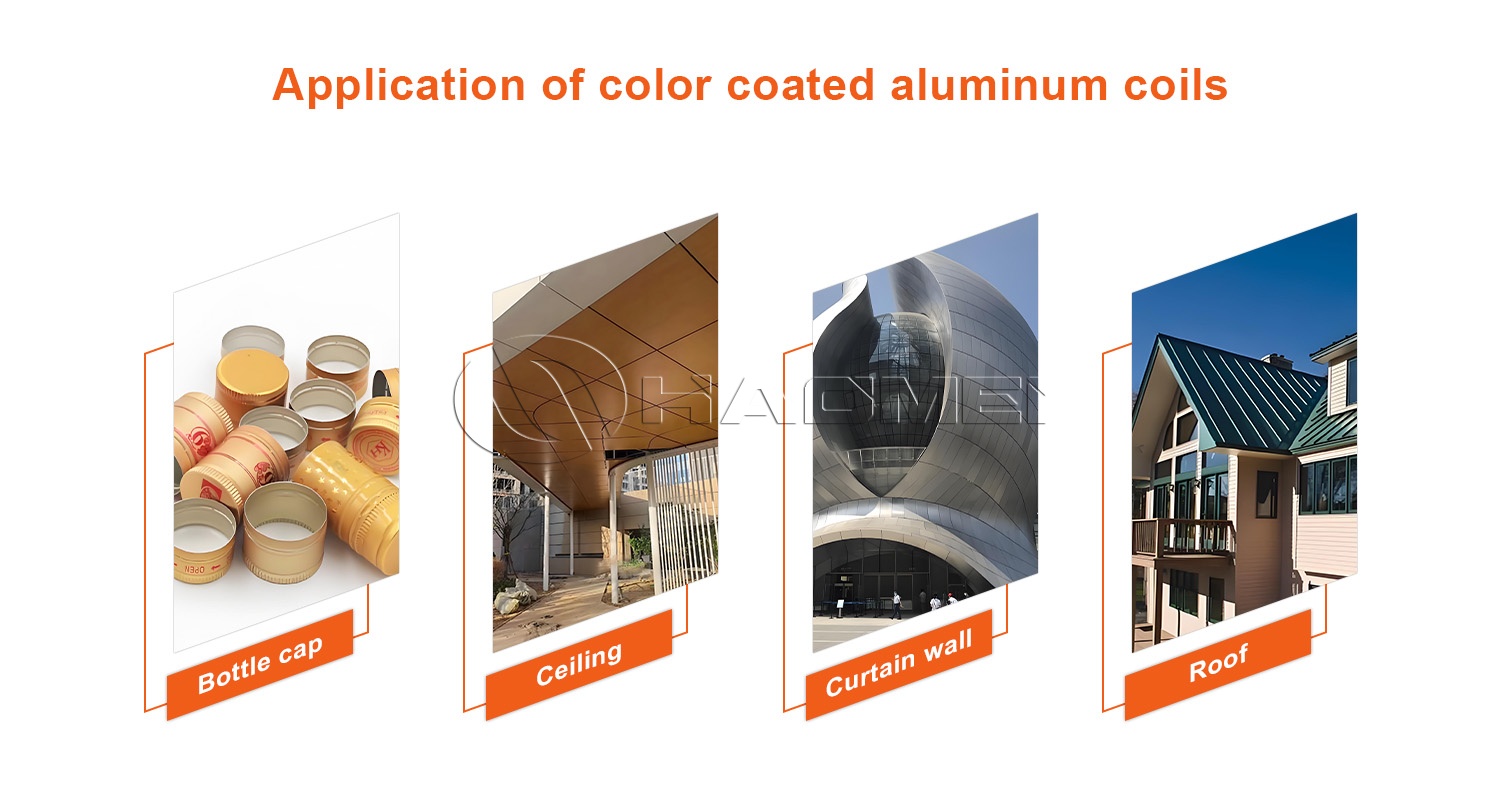
Decorative camouflage-pattern aluminum coils are pre-painted aluminum coils designed for projects that require both visual differentiation and reliable sheet-metal performance. Positioned as a decorative and functional surface material, they are commonly used in architectural facades, ceilings, wall panels, rolling shutters, equipment housings, transport interiors, display structures, and customized metal cladding systems where a camouflage appearance is part of the design language.
Product Concept and Surface Characteristics
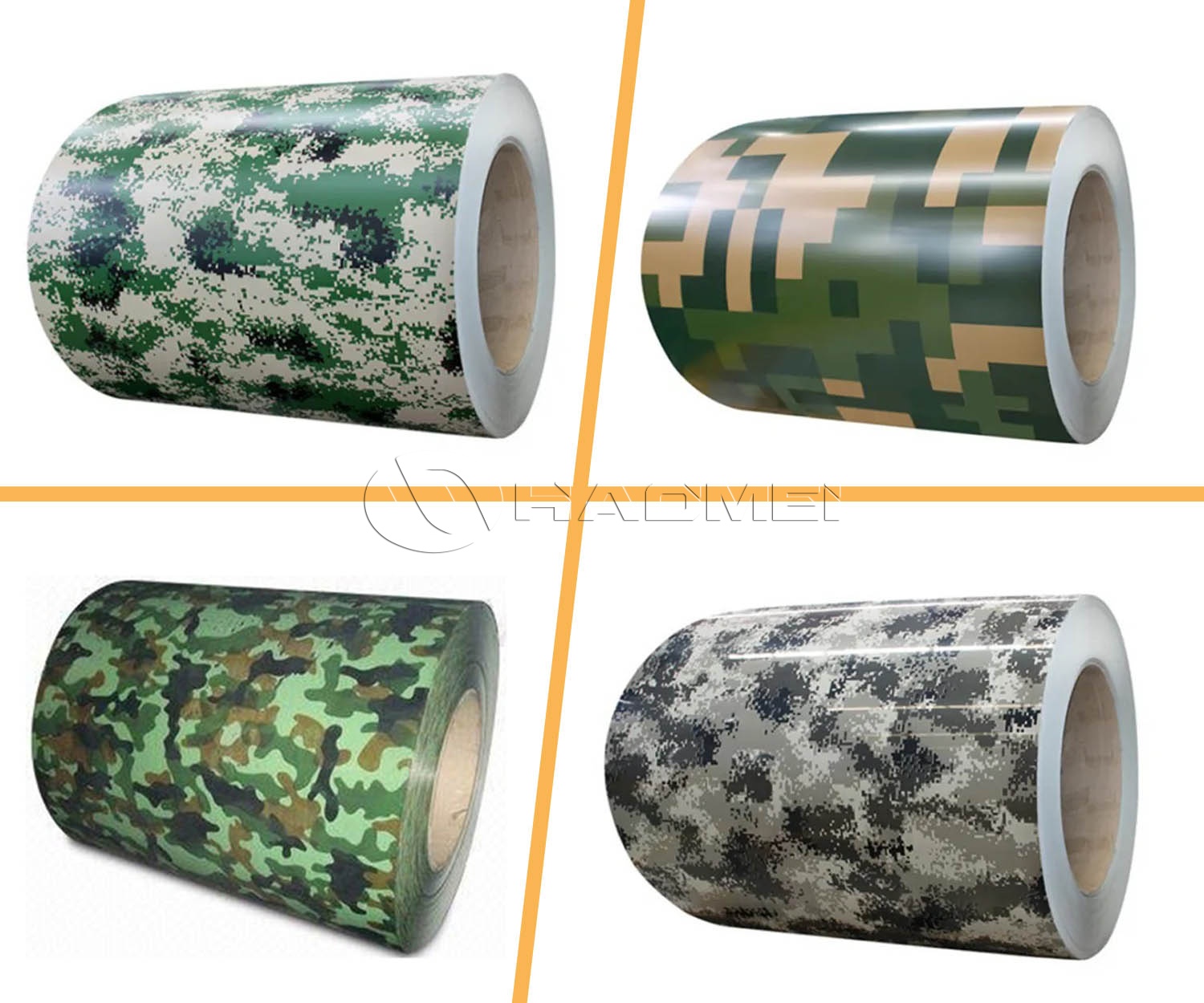
A camouflage-pattern aluminum coil is produced by applying a controlled coating system and decorative printing layer onto aluminum substrate. Unlike ordinary solid-color coated coils, the pattern requires stable color registration, consistent gloss, and controlled film thickness across the coil width and length. The visual effect may include woodland, desert, digital, geometric, or customized multi-tone camouflage patterns.
The product belongs to the broader category of color-coated aluminum coil, while the pattern layer gives it a more specific decorative identity. In product systems, Camouflage Color-Coated Aluminum Coil is typically designed with attention to forming behavior, coating adhesion, weather resistance, and surface uniformity.
Coating System Design
The coating system is selected according to the final environment and forming process. For indoor decoration and general-use panels, PE coating is widely used due to its good processability, color flexibility, and balanced cost-performance profile. For outdoor facades, exterior ceilings, roofing accessories, or long-term exposed components, PVDF Coated Aluminum Coil provides stronger resistance to ultraviolet radiation, chalking, chemical attack, and color fading.
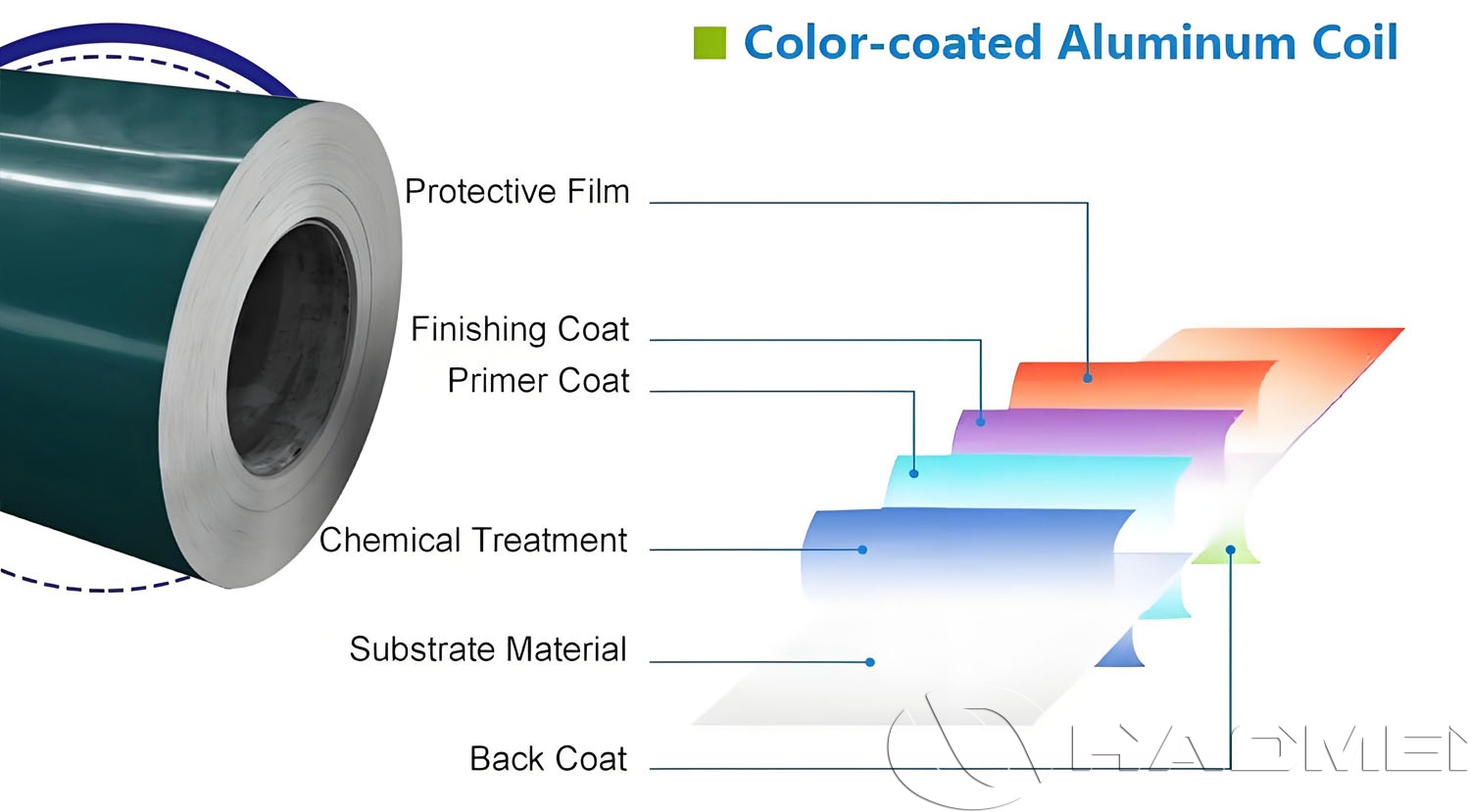
A typical decorative camouflage coating structure may include:
Pretreated aluminum substrate
Primer layer for adhesion and corrosion resistance
Base color coating
Camouflage pattern printing layer
Clear protective topcoat or functional finish
Optional back coating for processing stability
The topcoat can be adjusted for gloss, matte, semi-matte, anti-fingerprint, or textured effects. For camouflage finishes, matte and low-gloss surfaces are often used because they reduce reflection and support a more natural decorative appearance.
Commonly Used Aluminum Alloys
The substrate alloy directly affects strength, formability, flatness, corrosion resistance, and suitability for downstream processing. Decorative camouflage-pattern aluminum coils are commonly manufactured from 1000, 3000, and 5000 series aluminum alloys.
1060 and 1100 aluminum coils are high-purity aluminum materials with excellent ductility and corrosion resistance. They are suitable for decorative sheets, ceiling panels, interior cladding, nameplates, and applications requiring easy bending or stamping rather than high structural strength.
3003 aluminum coil is one of the most widely used alloys for coated aluminum products. Its manganese content improves strength compared with pure aluminum while maintaining good formability and corrosion resistance. It is often selected for wall panels, roofing accessories, sign boards, and formed decorative parts.
3004 and 3105 aluminum coils offer higher strength than 3003 and are suitable for building envelope components, rolling shutter materials, ceiling systems, and panels requiring better rigidity. These alloys provide a practical balance between mechanical performance and coating-line processability.
5005 and 5052 aluminum coils contain magnesium and provide improved corrosion resistance and mechanical strength. They are often considered for exterior decoration, transport-related panels, marine-adjacent environments, and applications where higher durability is required.
Core Specifications of Decorative Camouflage-Pattern Aluminum Coils
| Item | Common Specification Range |
|---|---|
| Product type | Decorative camouflage-pattern color-coated aluminum coil |
| Common alloys | 1060, 1100, 3003, 3004, 3105, 5005, 5052 |
| Temper | O, H14, H16, H18, H24, H26, H32, H34 |
| Thickness | 0.20-3.00 mm, depending on application |
| Width | 600-1600 mm, with custom slitting available |
| Coating type | PE, HDPE, PVDF, FEVE, clear protective coating |
| Coating thickness | PE: typically 16-25 microns; PVDF: typically 25-35 microns |
| Surface effect | Matte, semi-matte, gloss, textured, anti-fingerprint |
| Pattern options | Woodland, desert, digital, abstract, multi-color custom camouflage |
| Back coating | Service coating, primer, or functional back coat |
| Processing methods | Cutting, slitting, bending, roll forming, punching, laminating |
| Typical applications | Facades, ceilings, wall panels, shutters, signage, equipment panels |
Manufacturing and Process Control
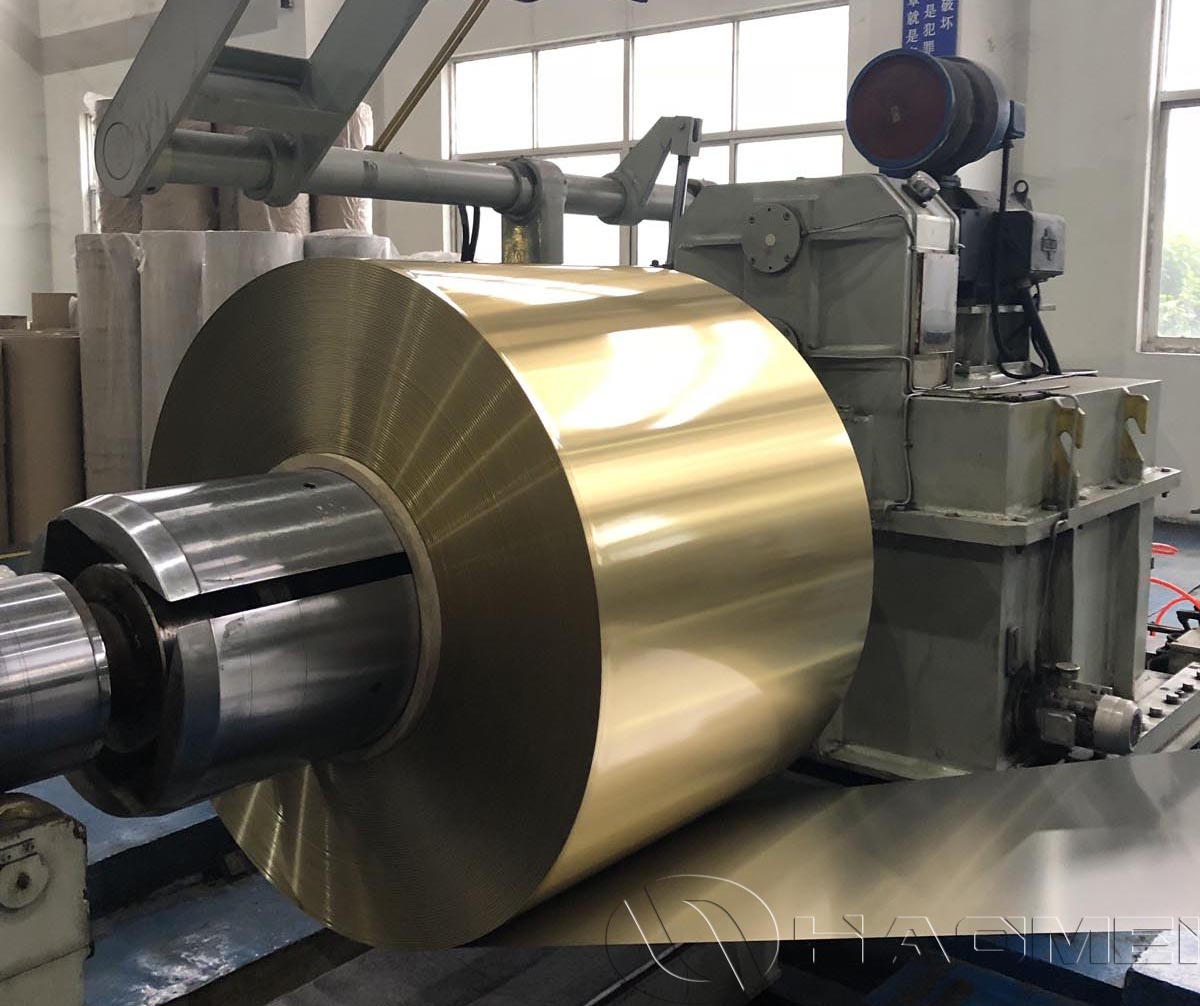
Camouflage-pattern coated aluminum requires more process stability than standard monochrome coating. During production, substrate cleaning, chemical pretreatment, primer coating, curing temperature, pattern transfer, and topcoat protection must be controlled as a continuous system.
Important production control points include:
Stable coil tension to prevent pattern deviation and surface wrinkles
Uniform pretreatment film to improve coating adhesion
Controlled primer and topcoat thickness for forming reliability
Accurate pattern alignment across the coil width
Proper curing temperature to balance hardness and flexibility
Surface protection during rewinding, slitting, and packaging
From a materials engineering perspective, the camouflage finish is not only a printed appearance. It must remain compatible with bending, roll forming, cutting, and installation. Excessively hard coatings may crack during forming, while insufficient curing may reduce solvent resistance, abrasion performance, and long-term color stability.
Performance Considerations
Decorative camouflage-pattern aluminum coils are evaluated according to both coating performance and metal substrate behavior. Key performance indicators usually include color difference control, gloss consistency, pencil hardness, T-bend performance, impact resistance, solvent resistance, boiling water resistance, salt spray resistance, and artificial weathering performance.
For exterior building applications, weatherability is especially important. PVDF systems are often associated with better long-term color retention, especially for darker camouflage tones and multi-color printed finishes exposed to sunlight. For interior ceilings, cabinets, partitions, and display structures, PE coating generally provides sufficient decorative performance and good processing flexibility.
Application Scenarios
Decorative camouflage-pattern aluminum coils are used where the surface needs to be lightweight, corrosion-resistant, formable, and visually distinctive. Typical applications include:
Architectural facade panels and decorative cladding
Interior ceilings, wall panels, and partitions
Rolling shutter doors and garage door panels
Equipment shells, machine covers, and enclosure panels
Transport interiors and specialty vehicle decoration
Display systems, signage, and commercial decoration
Outdoor cabins, kiosks, and modular structures
The aluminum substrate offers a high strength-to-weight ratio, while the coated finish reduces the need for post-painting. This makes the material suitable for continuous manufacturing routes such as slitting, leveling, embossing, roll forming, and panel fabrication.
-
3105 H26 Colot-Coated Aluminum Coil for Commercial Fire-Rated Partition Walls
3105 H26 color-coated aluminum coil delivers durable, formable facing material for commercial fire-rated partition wall systems and architectural interiors.
2026-09-22
-
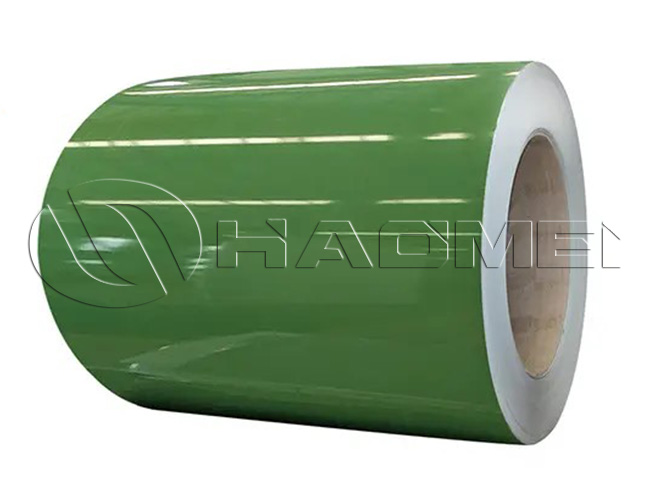
1200 Color Coated Aluminum Coil for Building Facade
1200 color-coated aluminum coils for building exterior walls, featuring PE or PVDF coatings, offer excellent weather resistance, decorative appeal, and processing performance.
2025-12-25
-
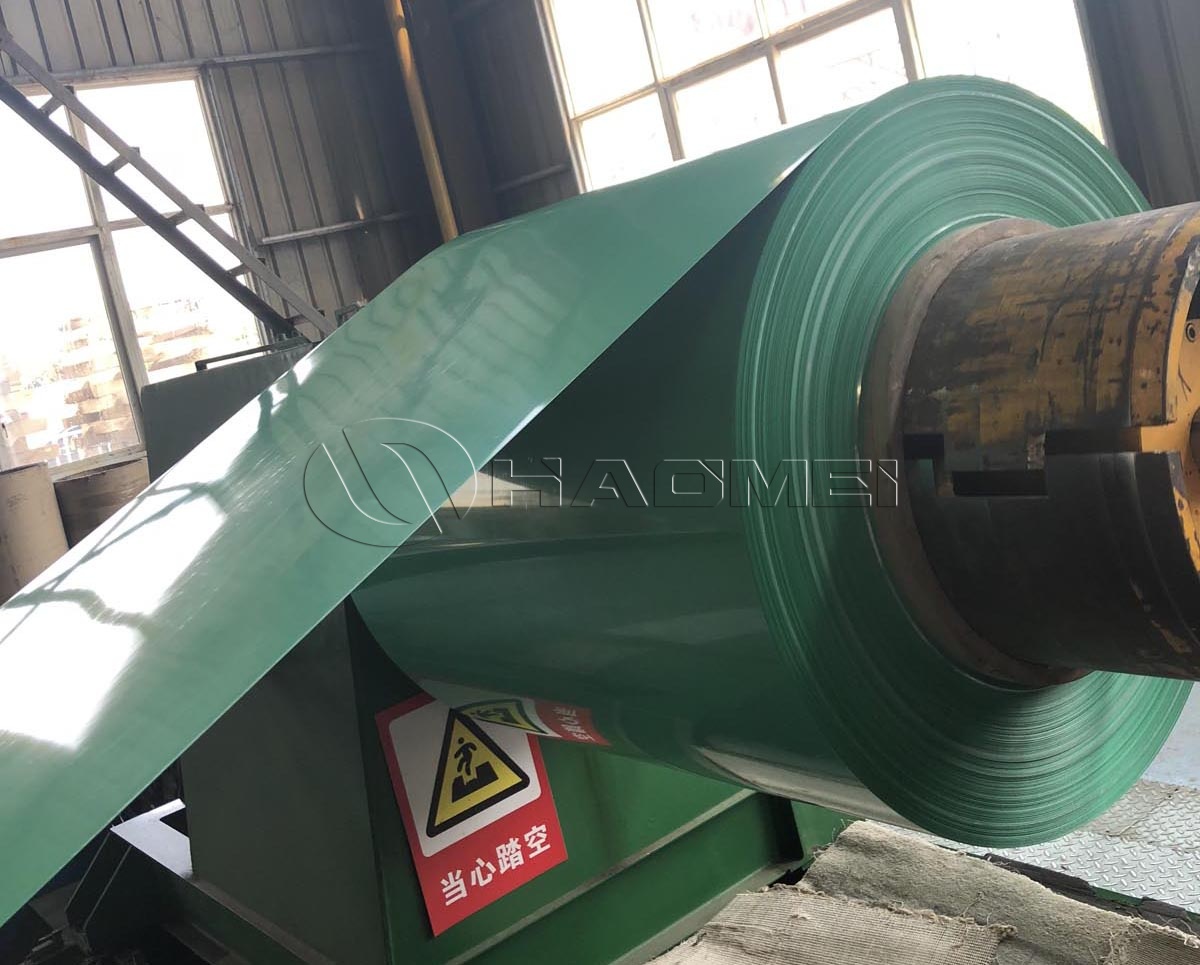
3105 H24 Color Coated Aluminum Coil
3105 H24 color coated aluminum coil offers balanced strength, formability, and coating durability for roofing, facades, ceilings, shutters, and trim.
2026-04-20
Contact Directly
-

ADD: No.14 Waihuan Road, CBD, Zhengzhou, China
-

WhatsApp: +86-18703635966
-

E-MAIL: sales@alummc.com