

News
 By Hermione
Double Layer Pvdf Coated Aluminum Coil Price
Double-layer PVDF coated aluminum coil is positioned as a premium architectural-grade cladding and roofing material, engineered for long outdoor service life where color stability, UV resistance, and corrosion protection must remain consistent across large project areas. Typical scenarios include curtain walls, composite panels, aluminum ceilings, fascia/soffit, and industrial building envelopes in high-UV or coastal environments.
What "double layer PVDF" means in performance terms
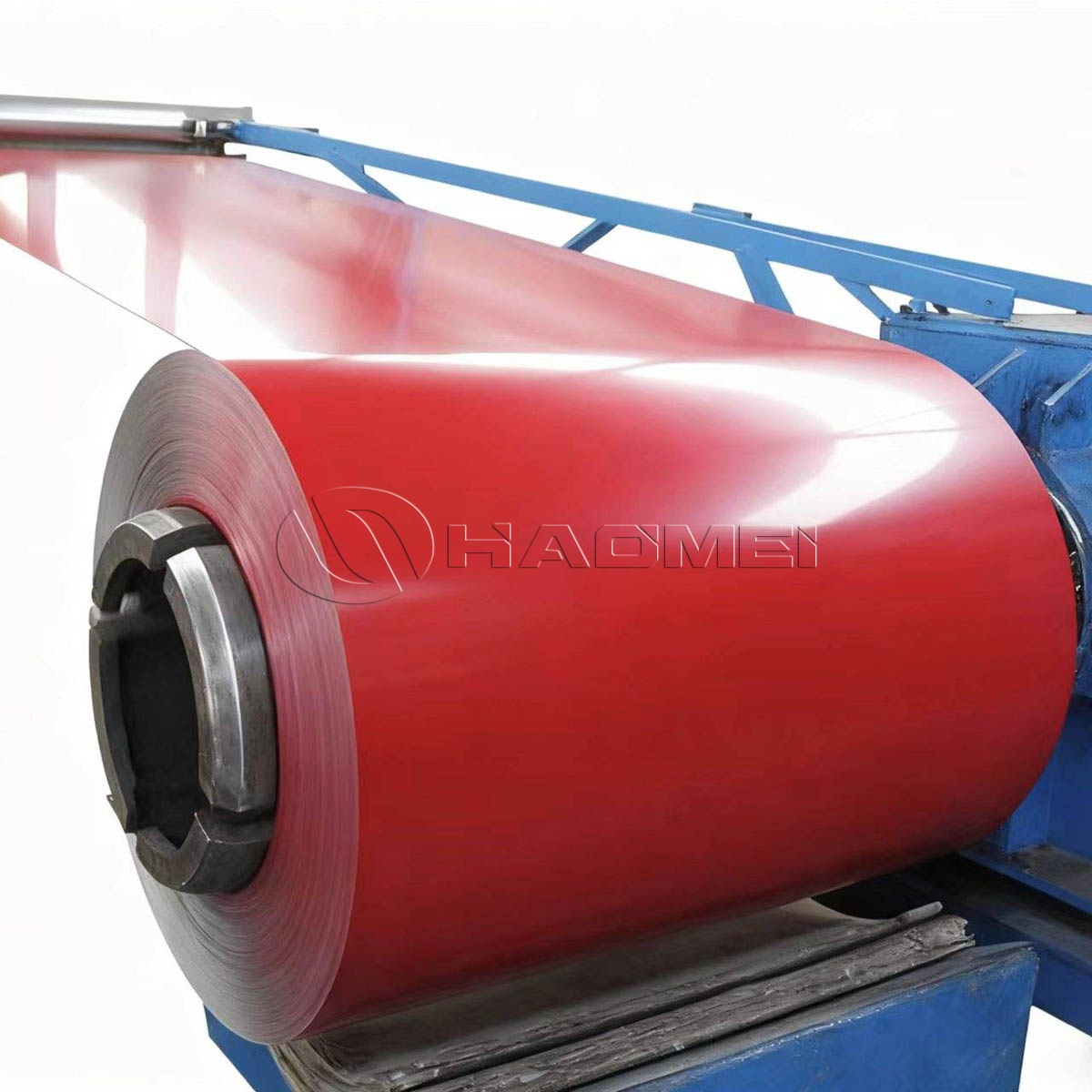
A double-layer PVDF system generally refers to a two-coat color system applied by continuous coil coating: a primer layer designed for adhesion and corrosion resistance, followed by a PVDF topcoat responsible for weatherability and color retention. This structure matters because many outdoor failures (chalking, fading, edge creep, under-film corrosion) start at interfaces. A properly matched primer and PVDF topcoat improves:
Adhesion stability through thermal cycling and forming
Barrier protection against humidity, salts, and pollutants
UV durability because PVDF fluoropolymer chemistry resists bond scission better than standard polyester
In practice, the double-layer architecture also helps balance appearance and manufacturability: the primer controls substrate wetting and anti-corrosion performance while the PVDF topcoat is tuned for gloss, color, and stain resistance.
Material selection: alloy, temper, and substrate quality
The substrate is the foundation of both forming performance and long-term coating reliability. For architectural coil, common alloys include 1xxx (high purity), 3xxx (Mn strengthened), and 5xxx (Mg strengthened). Selection is normally driven by required strength, forming radius, flatness, and service environment.
3xxx series (e.g., 3003/3105) is widely used for cladding and roofing due to balanced strength and formability. The commonly referenced 3003 Color Coated Aluminum Coil is often specified for roll-forming and general building envelope work.
5xxx series (e.g., 5052) is chosen when higher strength and better marine corrosion behavior are needed, though forming parameters and cost may shift.
From a pricing standpoint, alloy and temper affect yield strength targets, allowable thickness tolerance, and scrap rate during forming, all of which feed into the double layer PVDF coated aluminum coil price.
Equally important is incoming coil quality: surface cleanliness, rolling oil control, and defect level (roll marks, inclusions) directly influence paint appearance and pinhole risk. Premium PVDF systems are unforgiving of inconsistent pretreatment.
Coating system design: primer, PVDF topcoat, and film build
A technically robust PVDF system is more than "PVDF paint." It is a stack engineered around real-world degradation modes.
Pretreatment (conversion layer)
Before painting, the coil passes through alkaline cleaning, rinsing, and a chemical conversion step (commonly chromium-free processes today). This conversion layer promotes adhesion and provides initial corrosion resistance. Inadequate pretreatment is a major root cause of blistering and delamination, especially at cut edges.
Primer layer
Primers are formulated to bond strongly to the conversion layer and to lock down corrosion inhibitors. Primer selection influences forming performance (T-bend), impact resistance, and edge creep performance in salt spray or cyclic corrosion tests.
PVDF topcoat
PVDF topcoats are typically based on PVDF resin blended with high-performance acrylic and weather-stable pigments. Key attributes include:
UV resistance and color retention for long-term facade uniformity
Chalking control to maintain gloss and reduce soiling
Chemical and stain resistance in urban/industrial atmospheres
Film thickness targets vary by specification, but architectural PVDF systems generally require controlled dry film build and uniform curing to achieve repeatable weathering behavior.
For comparison, polyester (PE) systems are widely used for indoor or moderate outdoor applications; when projects target extended facade warranties and harsh exposure conditions, PVDF Coated Aluminum Coil is often the baseline specification.
Manufacturing process factors that influence price and consistency
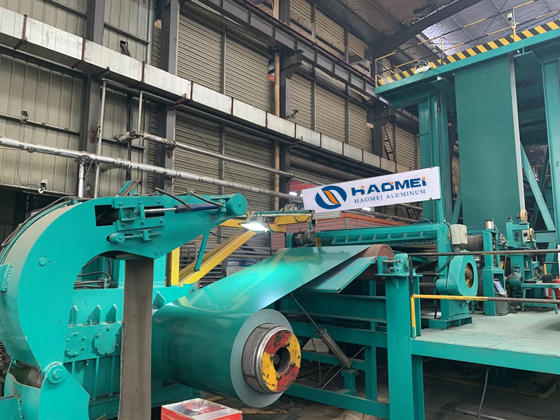
Double-layer PVDF coil is typically produced on a continuous coil coating line. The process is where cost, repeatability, and performance converge.
Continuous coil coating and curing control
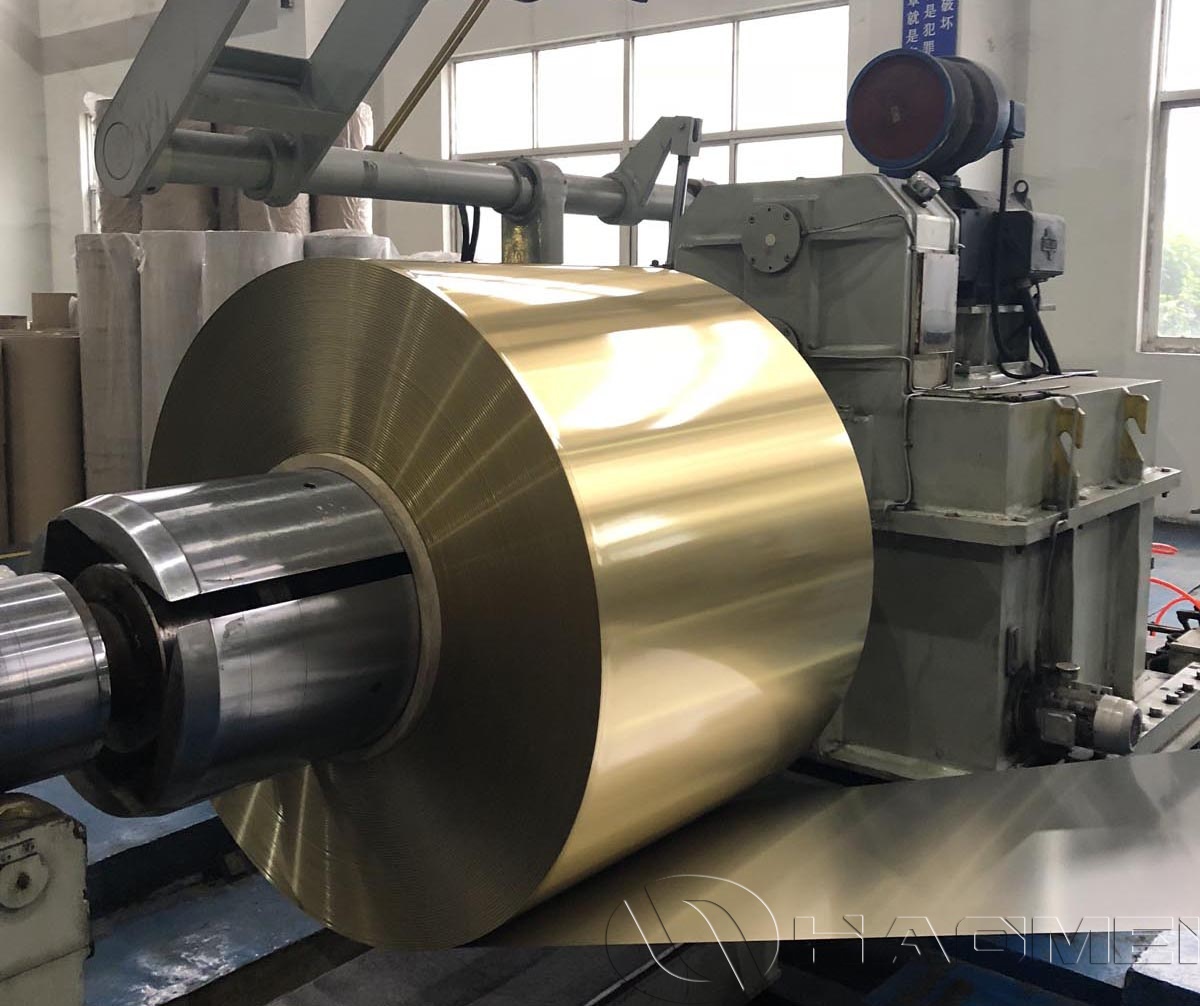
Coil coating applies paint via precision coating heads (roller coating), followed by oven curing. For PVDF systems, the curing window is critical: insufficient peak metal temperature can lead to under-cure (reduced chemical resistance, premature chalking), while excessive heat can cause gloss loss or color shift. Tight control of line speed, oven zoning, and airflow uniformity helps stabilize both appearance and mechanical performance.
Color matching, batch stability, and appearance grade
PVDF pigments and resin systems are cost-sensitive, and premium pigments (high lightfastness inorganic colors, metallic/mica effects) can materially change price. Appearance requirements such as low orange peel, controlled gloss, and minimal coil-to-coil delta E typically require stricter process control and more QA sampling.
Protective films and packing
Many architectural projects require strippable protective film to prevent installation scratches. Film type (adhesive strength, UV exposure time), lamination quality, and export packing standards also contribute to delivered cost.
Core specifications (typical range)
Table: Core Specifications for Double-Layer PVDF Coated Aluminum Coil
| Item | Typical Options / Range |
|---|---|
| Base alloy | 1050/1060/1100, 3003/3105, 5052 (per project requirement) |
| Temper | O, H14, H24 (common for forming) |
| Thickness | 0.20–2.00 mm (architectural cladding commonly 0.50–1.50 mm) |
| Width | 600–1600 mm (custom slitting available) |
| Coating structure | Primer + PVDF topcoat (two-coat system) |
| Typical dry film thickness | Topcoat 20–30 μm; primer 5–10 μm (spec-driven) |
| Finish | Gloss, matte, metallic, solid colors (weather-stable pigments recommended) |
| Paint type | PVDF fluoropolymer topcoat with high-durability primer |
| Surface protection | Optional protective film (construction-grade) |
| Processing | Slitting, cut-to-length, recoiling; suitable for roll-forming and bending |
| MOQ | 1-3 tons |
Practical applications: why double-layer PVDF is specified
In exterior building envelopes, the main driver is lifecycle performance rather than initial material cost. Double-layer PVDF is commonly selected when a project needs stable color and reduced maintenance over time.
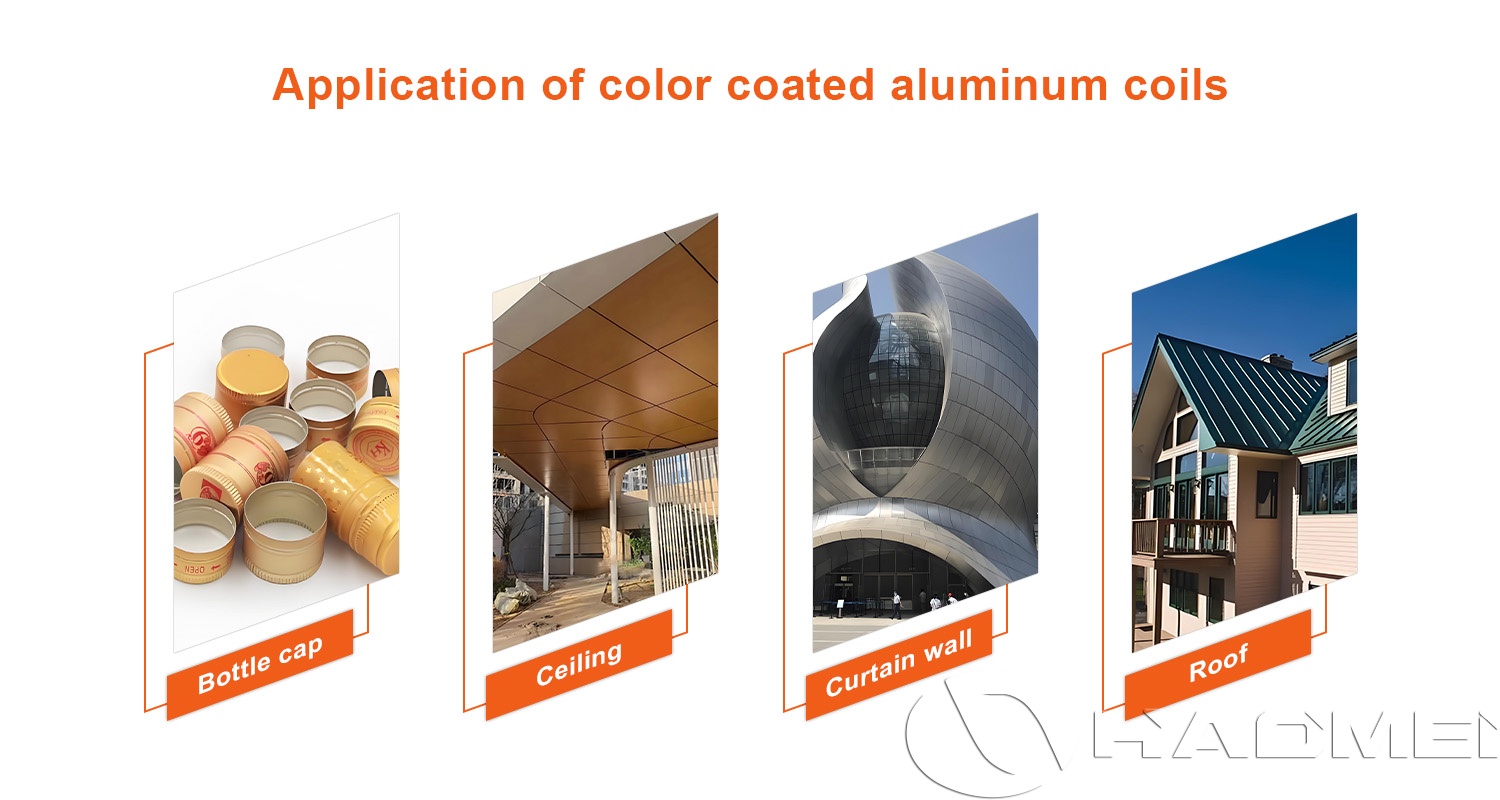
Curtain wall panels and facade cladding: PVDF weathering resistance reduces visible fading and chalking across elevations.
Roofing and composite panel skins: the primer/topcoat combination improves corrosion resistance, especially under condensation cycles.
Ceilings, soffit, and fascia: better stain resistance and cleanability in urban environments.
Coastal or high-UV regions: PVDF chemistry and robust pretreatment help mitigate salt and UV-driven degradation.
How to interpret "Double Layer PVDF Coated Aluminum Coil Price"
The price is best understood as a combination of substrate cost, coating system cost, and process/quality controls:
Aluminum alloy and thickness: thicker gauges and higher-strength alloys increase metal cost and can require tighter flatness control.
PVDF resin and pigment package: premium pigments (especially bright reds, yellows, certain metallic effects) raise coating cost.
Coating weight and system level: higher film build, stricter appearance tolerances, and enhanced primer specifications generally increase cost.
Process controls and testing: tighter color tolerance, higher weathering requirements, and added inspection (e.g., gloss, MEK rub, T-bend, impact, salt spray/cyclic tests) add manufacturing overhead but reduce field risk.
Surface protection and packing: protective film, pallet standards, and shipping protection contribute to delivered price.
In technical procurement, aligning the PVDF system level (primer, topcoat, film build, and pretreatment) with the project exposure class is the most reliable way to balance double layer PVDF coated aluminum coil price against expected service life.
-
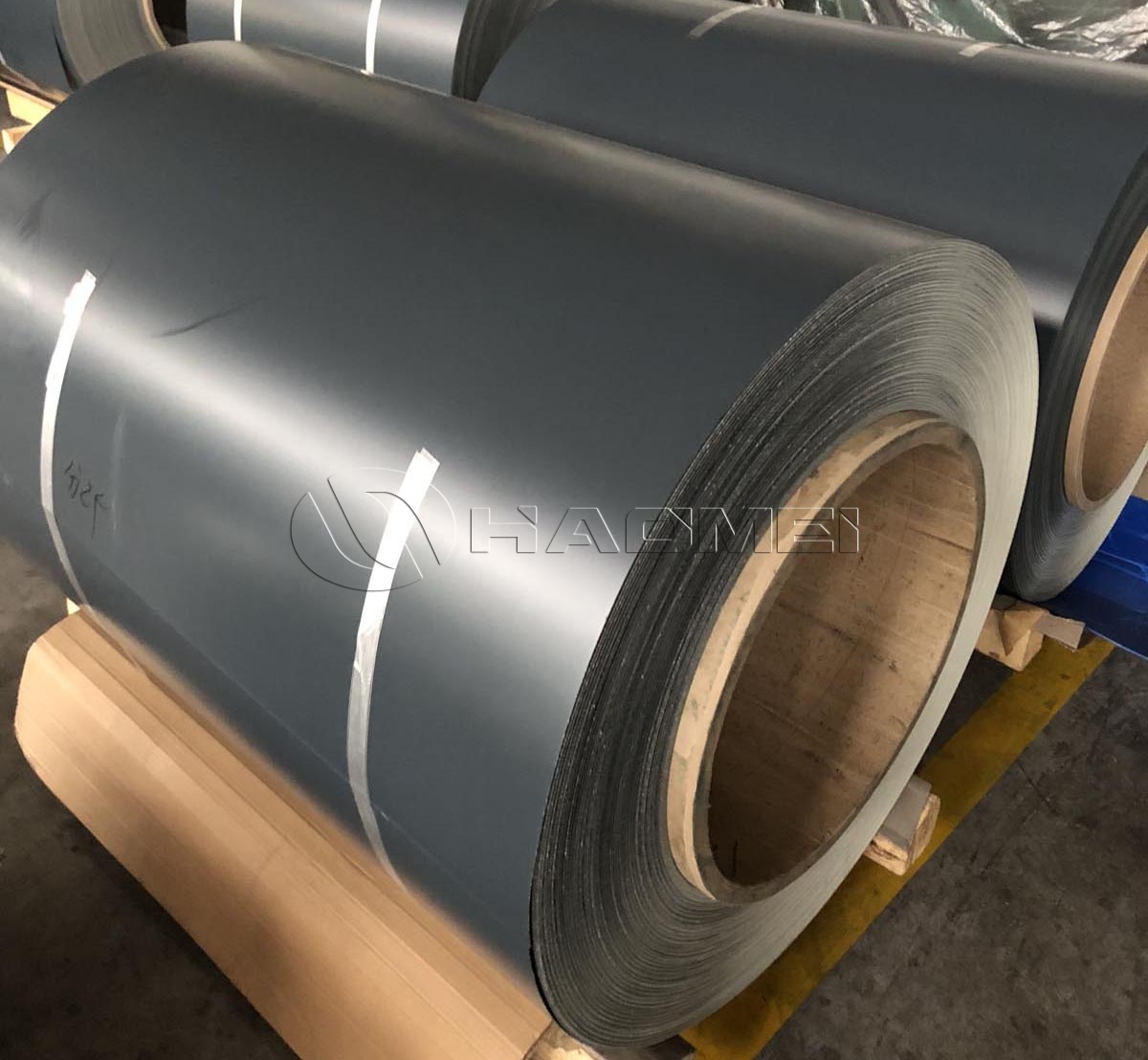
Fire-Resistant 3003 PVDF Color-Coated Aluminum Coil
Fire-resistant 3003 PVDF color-coated aluminum coil for facades, roofing, and ceilings, covering alloy selection, coating specs, and performance data.
2026-04-28
-
Double-Sided Color Coated Aluminum Coil
Double-sided color coated aluminum coil uses PE or PVDF coating systems, offering consistent color on both sides, excellent corrosion resistance, and strong weather resistance. It is widely used in architectural decoration and curtain wall systems.
2026-01-06
-
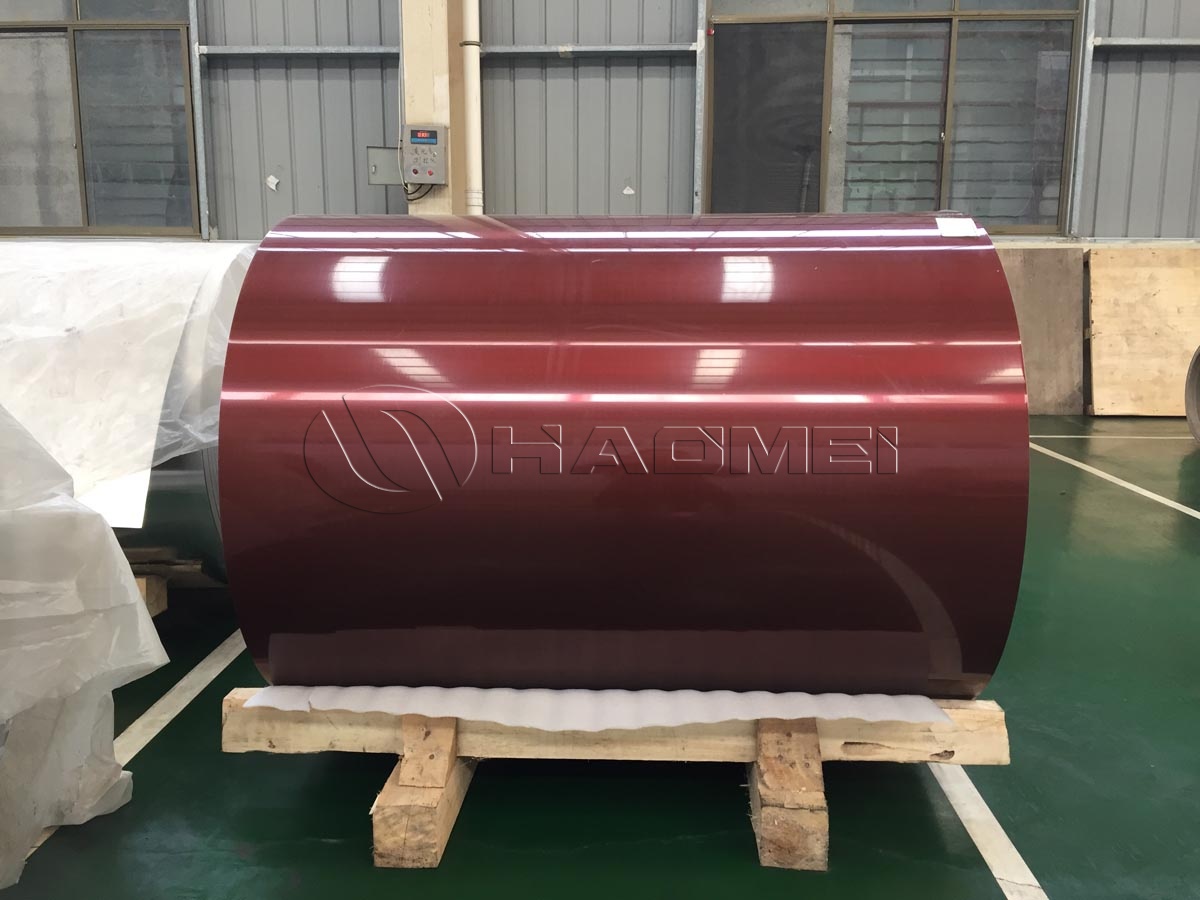
Matte Finish 3105 Color Coated Aluminum Coil
Matte finish 3105 color coated aluminum coil combines low-gloss visual appeal, formability, and PE or PVDF protection for roofs, facades, ceilings, and trim.
2026-07-21
Contact Directly
-

ADD: No.14 Waihuan Road, CBD, Zhengzhou, China
-

WhatsApp: +86-18703635966
-

E-MAIL: sales@alummc.com