

News
 By Hermione
PE Coated Aluminum Coil for Interior Wall Panels
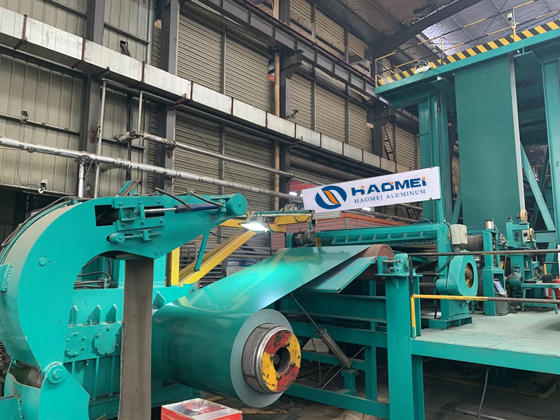
PE coated aluminum coil for interior wall panels is positioned as a lightweight, decorative, and formable pre-painted metal material for indoor architectural surfaces. It is commonly used in commercial wall cladding, office partitions, ceiling edge panels, elevator interiors, retail decoration, hospital corridors, transportation hubs, and other indoor areas where stable color, clean appearance, and easy fabrication are required.
Product Structure and Interior Application Value
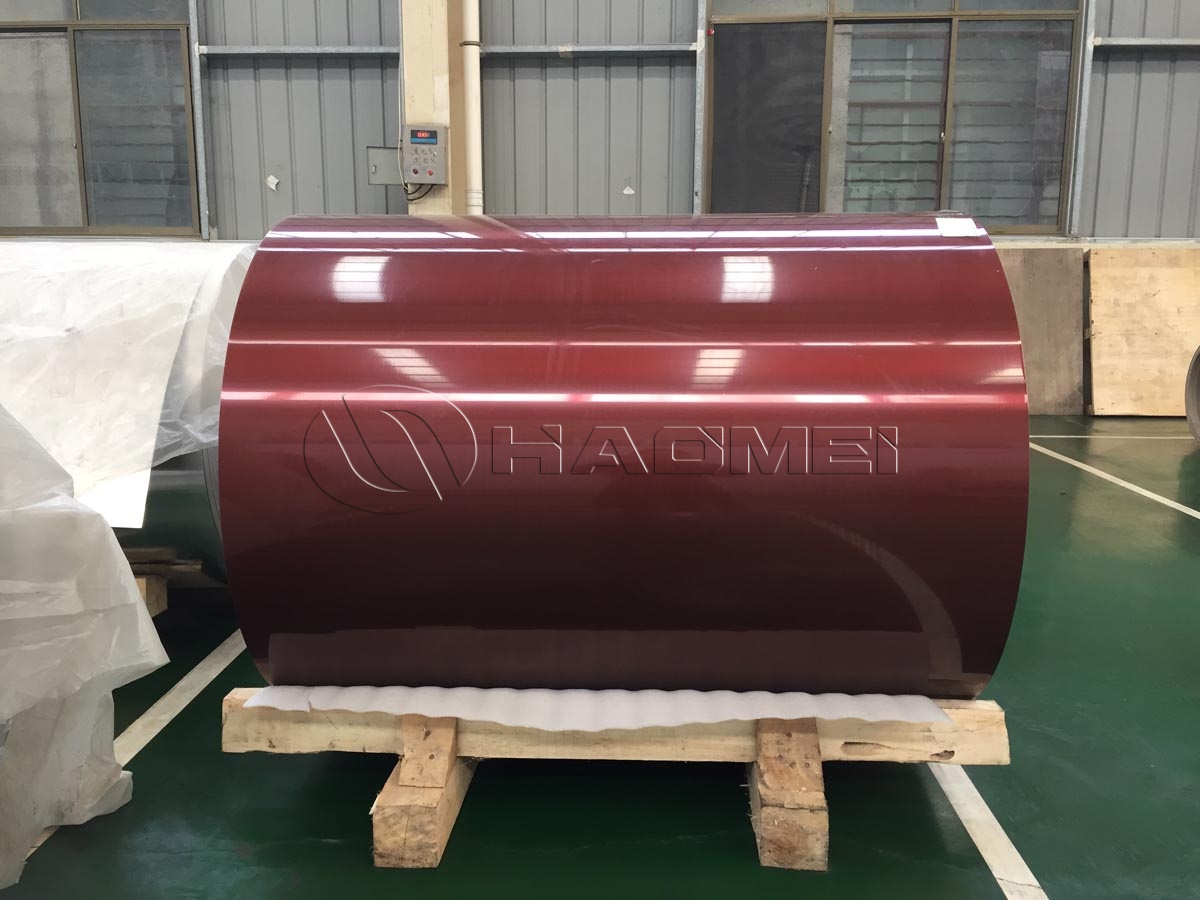
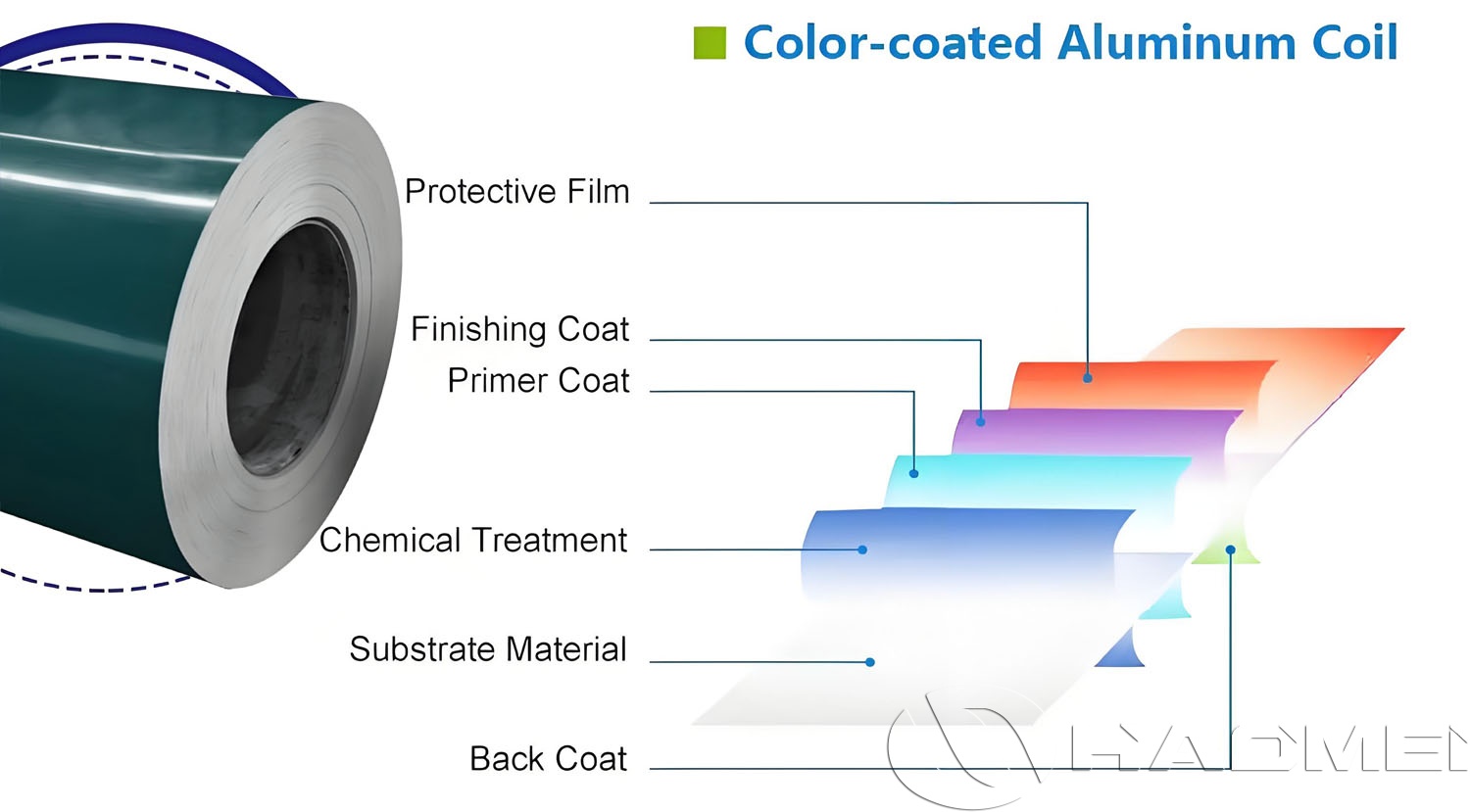
A typical PE coated aluminum coil is produced by continuous coil coating, where aluminum substrate is cleaned, chemically pretreated, primed, and coated with polyester top paint. For interior wall panel systems, the coating design focuses on surface smoothness, color consistency, adhesion, flexibility, and resistance to routine cleaning.
The product family includes PE Coated Aluminum Coil for general indoor decorative panels and forming applications. Compared with heavier sheet materials, coated aluminum coil offers low density, good flatness after panel processing, and convenient compatibility with cutting, slitting, bending, punching, grooving, and composite panel lamination.
Core Specifications of PE Coated Aluminum Coil for Interior Wall Panels
| Item | Common Specification |
|---|---|
| Product type | PE color coated aluminum coil, pre-painted aluminum coil |
| Common alloys | 1060, 1100, 3003, 3004, 3105, 5005 |
| Temper | O, H14, H16, H18, H24, H26, H32, subject to forming design |
| Thickness range | 0.20-1.50 mm for most interior wall panel applications |
| Width range | 800-1600 mm, customized by slitting and coil coating line capability |
| Coating system | Polyester top coat with primer and back coat |
| Top coating thickness | Usually 15-25 microns, adjusted by color and performance requirement |
| Back coating thickness | Usually 5-10 microns, depending on bonding or protection needs |
| Surface finish | Smooth, matte, high gloss, embossed, wood grain, stone-like pattern |
| Color system | RAL, Pantone, custom solid color, metallic effect, decorative pattern |
| Typical processing | Slitting, leveling, shearing, bending, punching, laminating, panel forming |
| Main applications | Interior wall panels, ceiling panels, partitions, decorative cladding, furniture panels |
Commonly Used Alloys
The alloy selection affects panel strength, forming behavior, surface flatness, and final installation performance. For interior wall panels, the following alloys are commonly used:
1060 aluminum coil: High aluminum purity, excellent corrosion resistance, good ductility, and easy processing. It is suitable for decorative panels with moderate strength requirements and simple forming.
1100 aluminum coil: Similar to 1060 but often used where stable forming and good surface quality are required. It is widely applied in indoor cladding, ceiling strips, and decorative sheet products.
3003 aluminum coil: An Al-Mn alloy with higher strength than 1000 series aluminum while maintaining good formability. 3003 Color Coated Aluminum Coil is frequently used for interior wall panels requiring improved rigidity and dimensional stability.
3004 and 3105 aluminum coil: These alloys provide better mechanical strength and are often selected for larger panels, roll-formed profiles, and applications where panel deformation control is important.
5005 aluminum coil: Provides good surface quality and moderate strength, suitable for decorative architectural panels with higher appearance consistency requirements.
PE Coating Performance for Indoor Panels
Polyester coating is widely used for interior wall panel materials because it provides a balanced combination of cost efficiency, color flexibility, and fabrication performance. The cured PE coating film has good adhesion to the pretreated aluminum surface and can withstand conventional panel forming when the alloy, temper, coating thickness, and bending radius are properly matched.
For interior wall panels, the key performance indicators usually include:
Coating adhesion after bending or forming
Surface hardness and scratch resistance for handling and installation
Color difference control between batches
Gloss consistency across the coil width
Resistance to mild detergent cleaning
Stable surface appearance under indoor lighting
Good compatibility with protective film, adhesive backing, or composite panel production
PE coating is generally intended for indoor or mild-environment applications. In exterior environments with long-term ultraviolet exposure, PVDF coating is usually selected because of its stronger weatherability. For interior wall panels, PE coating remains a practical and technically suitable coating system when the service environment is not exposed to severe outdoor weathering.
Surface Effects and Decorative Options
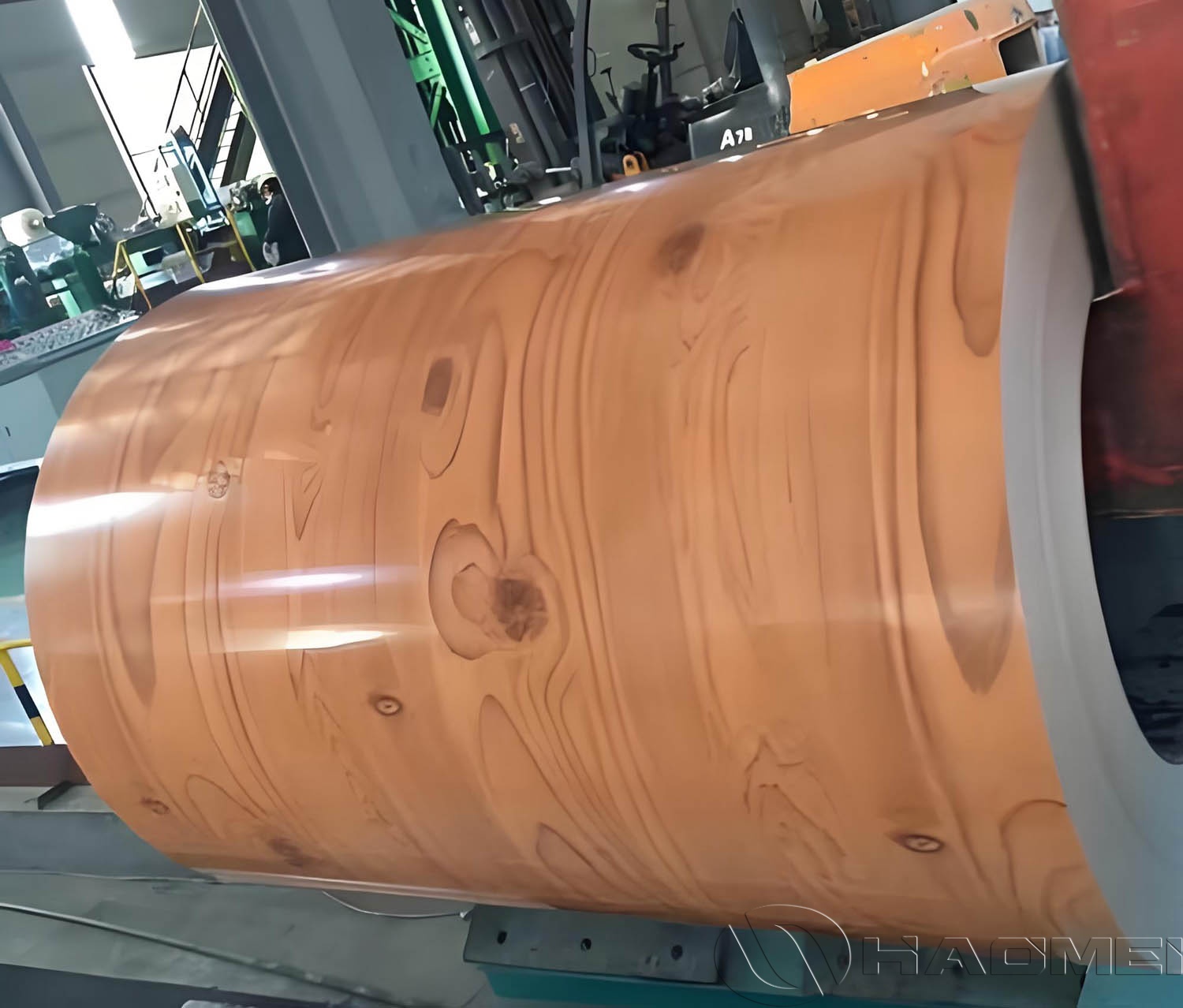
Interior wall systems often require more than a single solid color. PE coated aluminum coil can be supplied in various decorative finishes, including matte white, metallic silver, champagne, black, wood grain, marble texture, brushed-effect patterns, and custom architectural colors. Wood grain and stone-like patterns are commonly produced by roller coating, printing, or transfer technologies, allowing aluminum panels to present natural decorative effects while retaining the advantages of metal substrate.
Surface gloss is typically selected according to lighting conditions and visual design. Matte and low-gloss finishes help reduce reflection in corridors and public areas, while high-gloss finishes are more suitable for display spaces and decorative feature walls.
Manufacturing and Quality Control Points
Stable PE coated aluminum coil depends on both substrate control and coating process control. Before coating, the aluminum strip should have uniform thickness, controlled crown, clean surface, and suitable mechanical properties. Chemical pretreatment improves coating adhesion and corrosion resistance by forming a conversion layer between the aluminum substrate and the primer.
During continuous coating, important process parameters include primer coating weight, top paint viscosity, oven temperature, curing time, line speed, film thickness, and coil tension. Quality inspection generally covers coating thickness, color difference, gloss, pencil hardness, T-bend, impact resistance, MEK rub resistance, surface defects, and dimensional tolerance.
For panel fabrication, the relationship between alloy temper and bending performance is important. Softer tempers improve formability, while harder tempers improve rigidity. Interior wall panel production usually balances these two factors to achieve flat appearance, clean edges, and stable forming results.
Typical Interior Wall Panel Applications
PE coated aluminum coil can be processed into multiple panel formats used in interior architecture:
Flat decorative wall panels for commercial and public buildings
Aluminum composite panel face sheets for indoor cladding
Curved or folded panels for columns and feature walls
Ceiling side panels and transition profiles
Elevator interior panels and door surrounds
Furniture, cabinet, and display fixture surfaces
Clean interior partitions in healthcare and laboratory environments
In these applications, the material offers a combination of light weight, easy processing, non-rusting substrate behavior, and consistent decorative appearance. Dimensional tolerance, coating adhesion, color control, and surface protection are the main engineering factors that determine final panel quality.
-
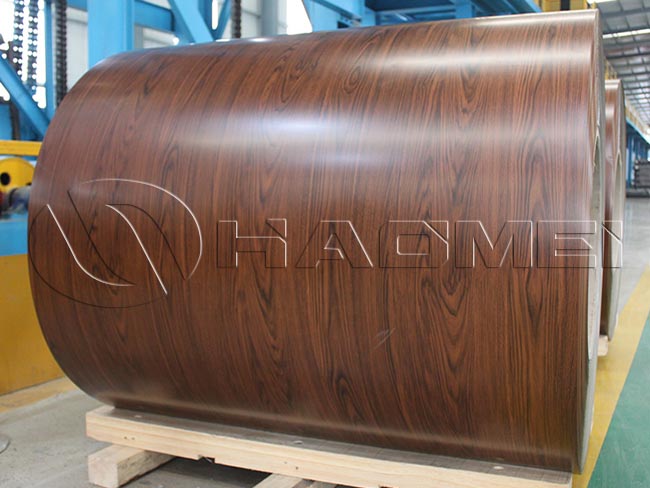
How to Make Aluminum Coil Look Like Wood?
Wood grain coated aluminum coil gives aluminum coils the appearance of natural wood, while offering outstanding durability and lightweight performance, making it an ideal choice for architectural decoration.
2025-12-31
-
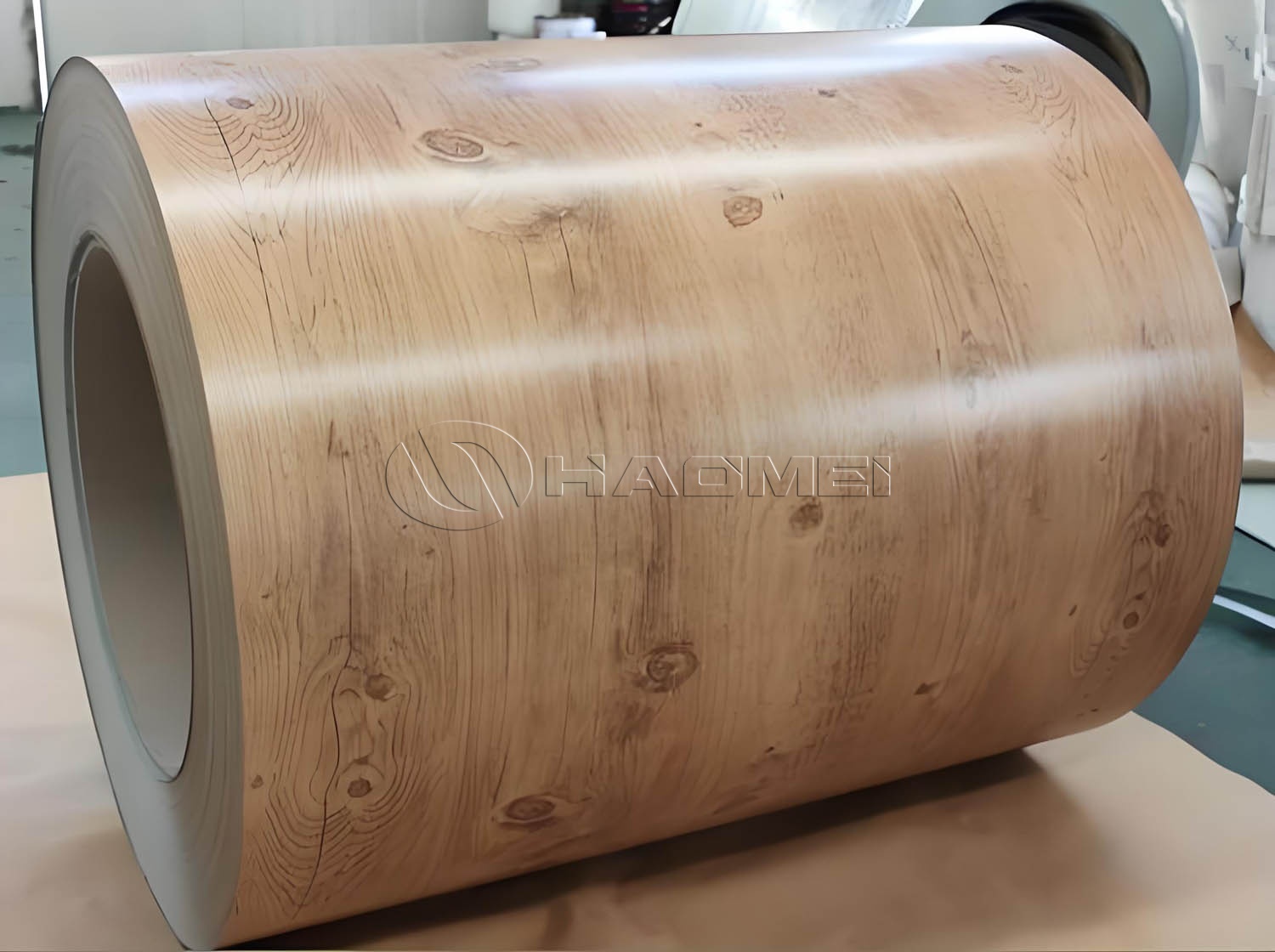
Best Wood Grain Aluminum Coil for Roofing
Explore the best wood grain aluminum coil for roofing with PVDF or PE coating, coil-coated durability, corrosion resistance, and stable wood-tone aesthetics.
2026-03-05
-
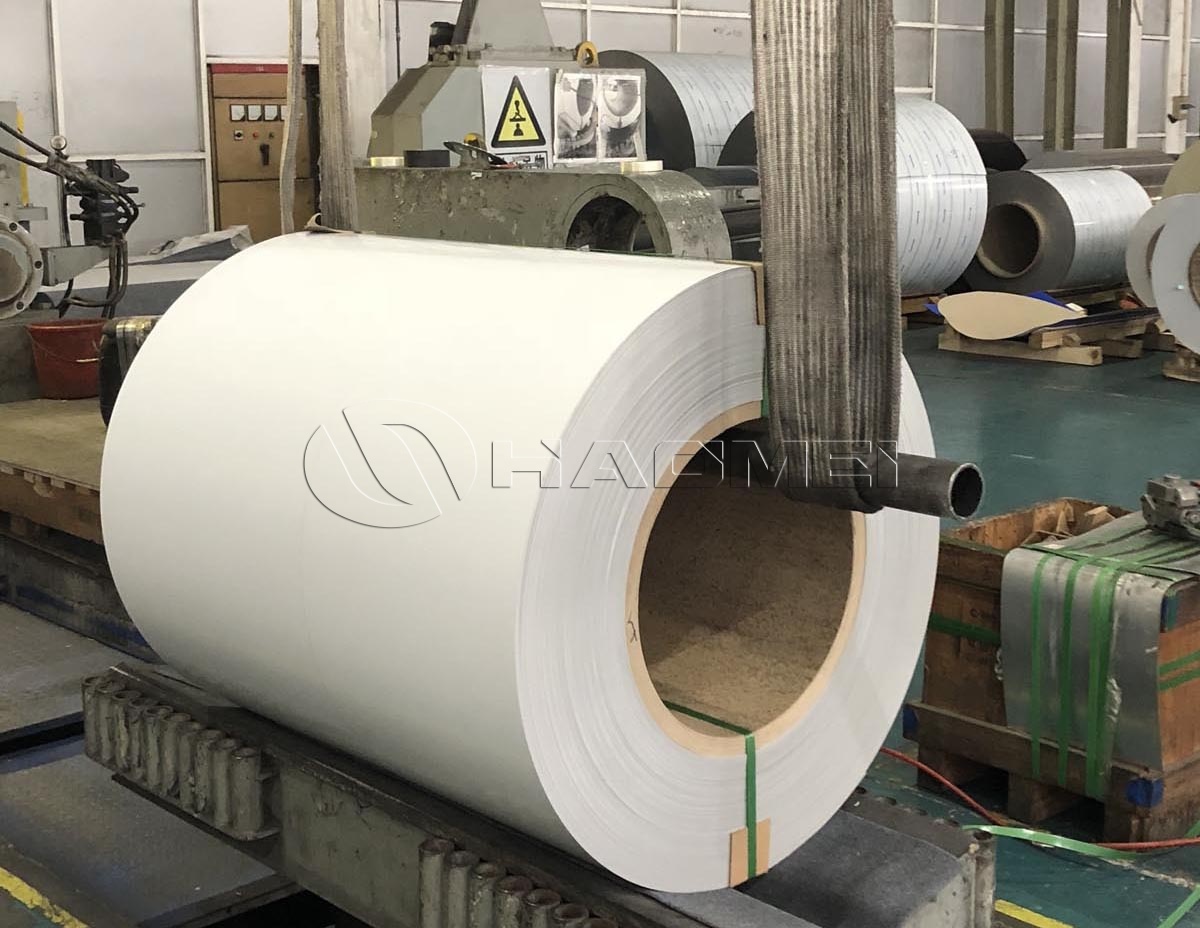
PVDF Coated Aluminum Coil for Coastal Environments
Explore PVDF coated aluminum coil for coastal buildings, covering alloys, fluorocarbon coating structure, corrosion resistance, and core specifications.
2026-05-21
Contact Directly
-

ADD: No.14 Waihuan Road, CBD, Zhengzhou, China
-

WhatsApp: +86-18703635966
-

E-MAIL: sales@alummc.com