


News
 By Hermione
PE Coated Aluminum Coil for Cold Storage Panels
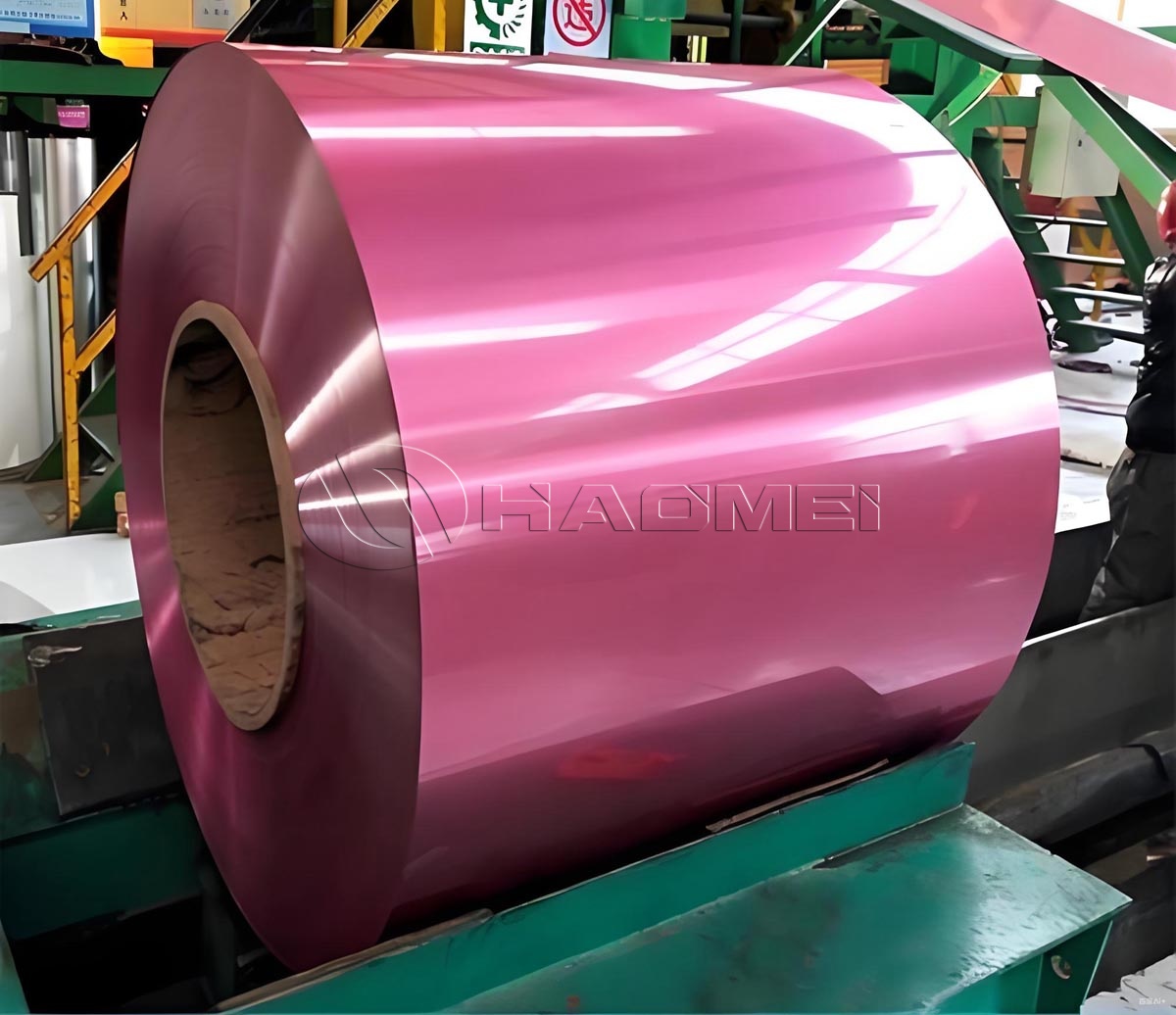
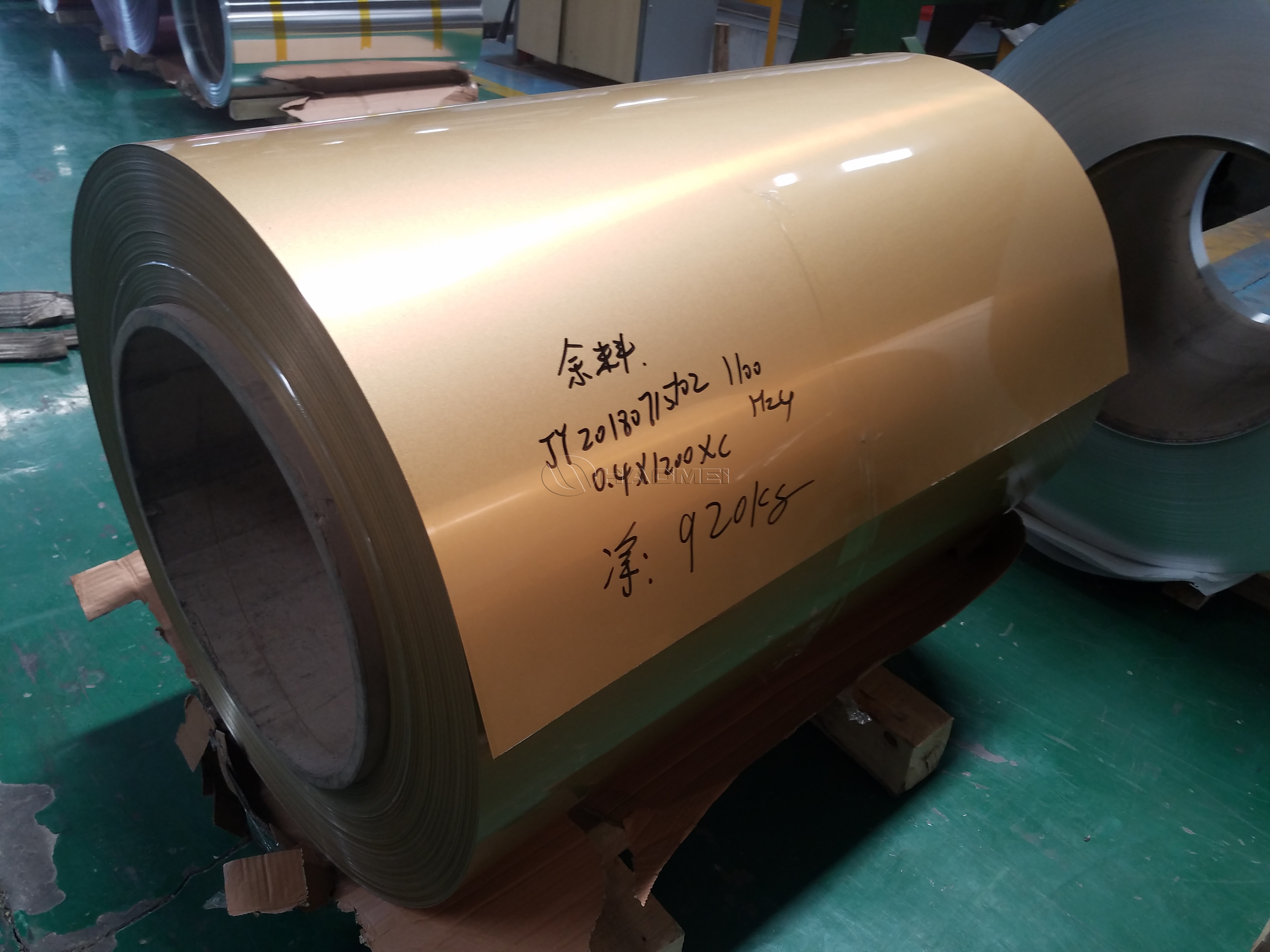
PE coated aluminum coil for cold storage panels is a pre-painted metal facer designed for insulated sandwich panels used in cold rooms, refrigerated warehouses, food-processing areas, pharmaceutical storage spaces, and temperature-controlled logistics facilities. The aluminum surface provides low weight and corrosion resistance, while the polyester coating creates a smooth, cleanable, and visually uniform panel finish suitable for interior cold-storage environments.
Role in Cold Storage Panel Construction
Cold storage panels typically combine two metal facings with an insulated core, such as polyurethane (PU), polyisocyanurate (PIR), expanded polystyrene (EPS), or mineral wool. PE coated aluminum coil is commonly processed into the interior or exterior facing layer through roll forming, laminating, press bonding, or panel pressing.
As a panel facer, color coated aluminum supports several functional requirements:
A smooth surface that is easier to clean in refrigerated and food-related environments
Resistance to moisture and ordinary condensation exposure
Low material weight compared with steel facing systems
Good formability for panel edges, joints, flashings, and profile details
Uniform color and gloss across large wall and ceiling areas
Stable coating adhesion during panel fabrication and installation
The material is especially relevant where cold room walls and ceilings require a clean appearance without the mass associated with thicker steel sheets. For standard interior applications, PE Coated Aluminum Coil provides a practical pre-painted aluminum surface with balanced processing and decorative performance.
PE Coating System and Surface Structure
PE, or polyester coating, is applied through a continuous coil-coating process before the aluminum is formed into panel facings. This process provides controlled coating thickness, color consistency, and adhesion across the coil length.
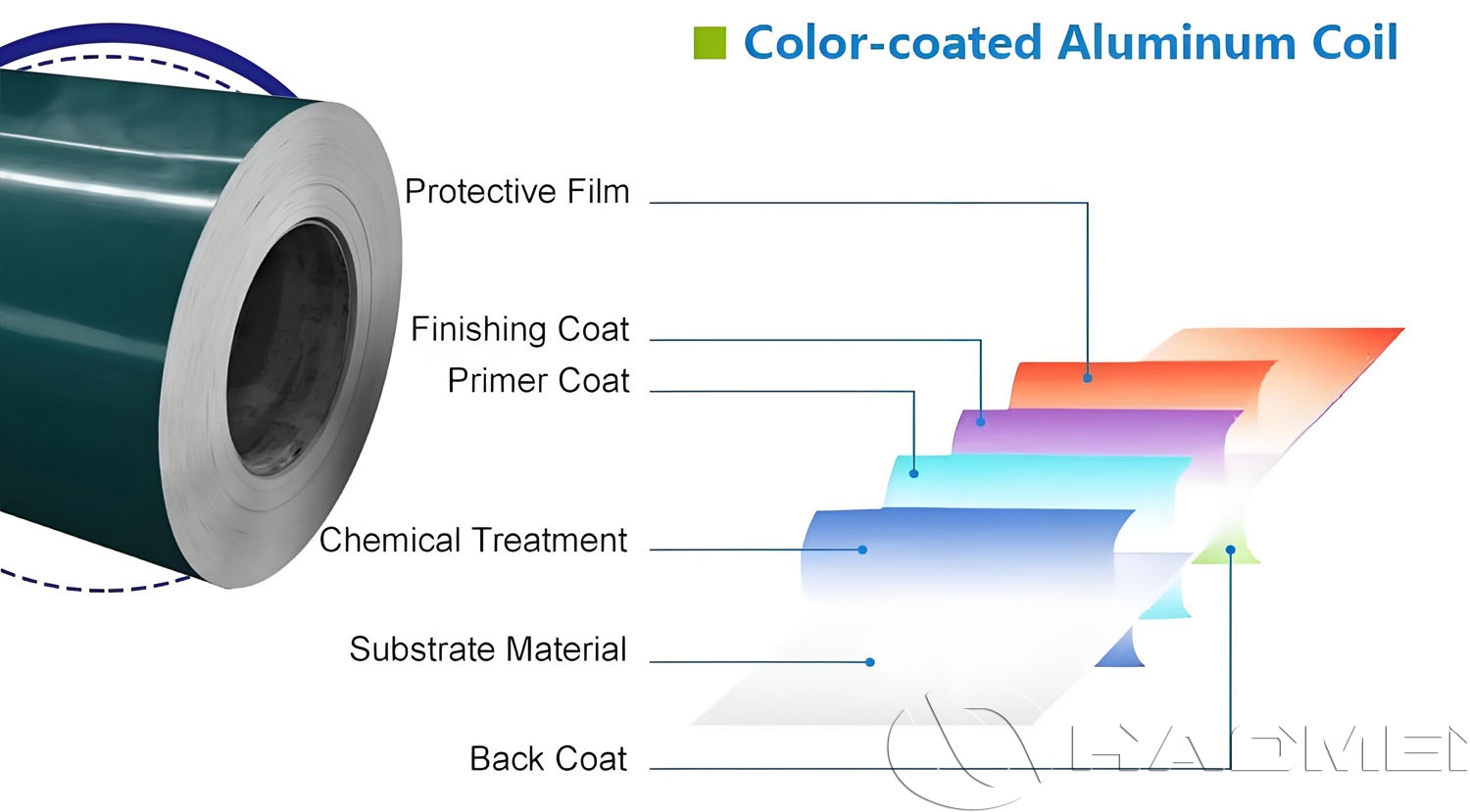
A typical PE coated aluminum coil structure includes:
Aluminum alloy substrate
Chemical conversion coating for improved corrosion resistance and coating adhesion
Primer coating
Polyester topcoat on the exposed side
Optional protective film for transport, roll forming, and panel fabrication
Back coating or service coating on the reverse side
The exposed PE topcoat is normally available in smooth, matte, semi-gloss, or high-gloss finishes. White and light gray are common for cold storage panels because they support a bright interior environment and make surface cleanliness more visible. Other standard colors may be used for zoning, equipment rooms, distribution areas, or external architectural coordination.
PE coatings are valued for economical color retention, flexibility, and fabrication compatibility. In highly UV-exposed outdoor installations or chemically aggressive environments, coating systems with higher weathering resistance, such as PVDF Coated Aluminum Coil, may be specified according to the panel location and environmental exposure.
Common Aluminum Alloys for Cold Storage Panels
The aluminum alloy affects formability, strength, flatness, and corrosion behavior. Cold storage panel facings do not usually require the same structural strength as load-bearing aluminum components, but the alloy must remain stable during roll forming and panel production.
1050 and 1060 Aluminum Alloy
1050 and 1060 are commercially pure aluminum grades from the 1000 series. They offer excellent formability, corrosion resistance, and thermal conductivity. Their relatively low strength makes them suitable for lightweight, smooth panel facings where deep profiling or demanding mechanical performance is limited.
These alloys are commonly used for light-gauge decorative sheets and interior-facing applications. Temper selection is important because overly soft material can be more susceptible to handling marks, dents, and oil-canning on wide, flat panels.
1100 Aluminum Alloy
1100 aluminum contains a minimum of 99% aluminum and provides good corrosion resistance, ductility, and coating compatibility. It is widely used for pre-painted aluminum products requiring uncomplicated forming and a clean visual surface.
For cold storage panels, 1100 alloy can be used in light-duty interior applications where corrosion protection, weight reduction, and surface finish are primary factors. It is generally supplied in tempers that balance forming behavior with adequate stiffness for panel production.
3003 Aluminum Alloy
3003 is a manganese-containing aluminum alloy with higher strength than 1000-series aluminum while retaining good formability and corrosion resistance. It is one of the most commonly used materials for coated aluminum panel facings.
For cold room wall panels, ceiling panels, and insulated door skins, 3003 provides a useful balance between sheet rigidity and processing performance. Common tempers include H14, H16, and H24, depending on thickness, panel profile, and forming requirements.
3105 Aluminum Alloy
3105 aluminum is another aluminum-manganese alloy frequently used in color coated aluminum coil. It offers reliable roll-forming behavior, good coating adhesion, and improved strength compared with pure aluminum grades.
3105 is suitable for cold storage panel facings that need better handling resistance and dimensional stability during continuous panel production. Its mechanical properties make it useful for profiled sheet designs, ceiling systems, and longer panel sections.
5052 Aluminum Alloy
5052 aluminum provides higher strength and stronger resistance to humid or mildly corrosive conditions due to its magnesium content. It may be used where panel facings require increased dent resistance, enhanced corrosion performance, or more demanding service behavior.
Compared with 3003 and 3105, 5052 generally has a higher material cost and may require closer control of forming parameters. It is more commonly considered for specialized refrigerated environments, coastal areas, or locations with elevated moisture exposure.
Core Specifications of PE Coated Aluminum Coil for Cold Storage Panels
| Core Specification | Typical Range or Option |
|---|---|
| Aluminum alloy | 1050, 1060, 1100, 3003, 3105, 5052 |
| Temper | O, H14, H16, H18, H24, H26 |
| Aluminum thickness | 0.30 mm to 1.20 mm |
| Common panel-facing thickness | 0.40 mm to 0.80 mm |
| Coil width | 600 mm to 1,650 mm |
| Standard coating | Polyester, PE coating |
| Topcoat thickness | Typically 15 to 25 μm |
| Back coating thickness | Typically 5 to 10 μm |
| Surface finish | Glossy, semi-gloss, matte, smooth |
| Common colors | White, off-white, gray, blue, custom colors |
| Protective film | Optional, typically 40 to 80 μm |
| Coil inner diameter | 405 mm or 505 mm |
| Coil outer diameter | According to thickness, width, and coil weight |
| Typical coil weight | 2 to 6 metric tons |
Performance Factors in Refrigerated Environments
Cold storage systems operate under temperature differentials that can create condensation, repeated cleaning exposure, and localized stress at joints. The color coated aluminum coil should be evaluated as part of the complete panel construction rather than as an isolated decorative sheet.
Moisture and Condensation Resistance
Aluminum naturally forms a stable oxide layer that contributes to corrosion resistance. The PE coating provides an additional barrier between the metal substrate and the service environment. Proper panel sealing remains important because trapped moisture at cut edges, fasteners, laps, and joints can affect the long-term appearance of any metal-facing system.
Coating Adhesion and Flexibility
During roll forming, the coated sheet may be bent into panel profiles, tongue-and-groove edges, corner details, or flashing sections. The primer and PE topcoat must maintain adhesion and flexibility during bending to reduce the risk of cracking, peeling, or edge damage.
Coating flexibility is particularly relevant for tight-bend profiles. The final performance depends on coating formulation, metal temper, coating thickness, bend radius, forming speed, and tool condition.
Cleanability and Hygienic Appearance
A smooth PE-coated surface supports routine cleaning and helps maintain the bright appearance expected in cold rooms, food storage spaces, and processing areas. Surface texture, gloss level, and color can influence the visibility of stains, scratches, fingerprints, and water marks.
White and light-colored cold room wall panels are widely used because they create a clean visual environment. Moderate gloss finishes can provide a balanced appearance by reducing excessive glare while retaining good wipe-clean characteristics.
Impact and Dent Resistance
Cold storage panel facings can be exposed to carts, pallets, handling equipment, and routine maintenance activity. Dent resistance is influenced primarily by aluminum thickness, alloy strength, temper, panel core support, and the finished panel geometry. The coating protects the surface finish but does not replace the mechanical support provided by proper sheet thickness and panel construction.
Manufacturing Process Control
Consistent PE coated aluminum coil performance depends on control throughout substrate preparation and coil coating.
Substrate Preparation
The aluminum strip is cleaned to remove rolling oil, residues, and surface contamination. Chemical conversion treatment is then applied to improve corrosion resistance and create a stable interface for the coating system.
Primer and Topcoat Application
Primer improves bonding between the aluminum substrate and PE topcoat. The finish coat provides color, gloss, scratch resistance, and environmental protection. Coating weight is controlled during application, followed by thermal curing in a continuous oven.
Curing Control
Proper curing is necessary to achieve coating adhesion, hardness, flexibility, and solvent resistance. Under-curing can reduce coating durability, while excessive curing can affect flexibility and appearance. Coil coating lines monitor metal peak temperature, line speed, oven profile, and coating film thickness to maintain stable results.
Protective Film Application
Protective film may be applied to the finished face to reduce scratches during coil slitting, panel pressing, transport, and installation. Film adhesion must remain balanced: sufficient to protect the surface, but not so aggressive that removal affects the coating or leaves adhesive residue.
Quality Characteristics for Panel-Facing Coil
PE coated aluminum coil used for insulated cold storage panels is commonly assessed through visual, dimensional, mechanical, and coating-related inspection items:
Coil width and thickness tolerance
Color consistency between coils and production batches
Gloss consistency
Topcoat and back-coat thickness
Coating adhesion by cross-hatch testing
Pencil hardness and surface scratch resistance
T-bend flexibility or bend adhesion performance
Solvent resistance and curing verification
Surface defects, including pinholes, dents, roller marks, and coating streaks
Flatness and edge quality after slitting
The finished coil should also remain compatible with the adhesives, foaming systems, protective films, and forming methods used during insulated sandwich panel production.
-
1100 Color-Coated Aluminum Coils for Automotive Interior Decoration
1100 PE / PVDF coated aluminum coils not only retain the physical properties of aluminum but also provide a wide range of color options, making them widely used in various automotive interior components.
2025-12-19
-
Pvdf Coated Aluminum Coil For Roofing Sheets
PVDF coated aluminum coil for roofing sheets offers weather resistance, color stability, and formability with 3003, 3004, and 5052 alloys.
2026-03-31
-
PE Coated Aluminum Coil 1000 Series for Electronics
PE coated aluminum coil in 1000 series provides clean surfaces, easy forming, and stable color for electronics housings, panels, enclosures, and trim.
2026-09-07
Contact Directly
-

ADD: No.14 Waihuan Road, CBD, Zhengzhou, China
-

WhatsApp: +86-18703635966
-

E-MAIL: sales@alummc.com
