


News
 By Hermione
PE Coated Aluminum Coil for ACP Production
PE coated aluminum coil is a pre-painted aluminum facing material engineered for aluminum composite panel (ACP) production. It combines a lightweight aluminum substrate with a durable polyester coating system, supporting stable lamination, clean appearance, and consistent forming during ACP panel manufacturing. It is widely used for interior wall cladding, commercial decoration, ceilings, partitions, display systems, signage panels, and general architectural composite panels.
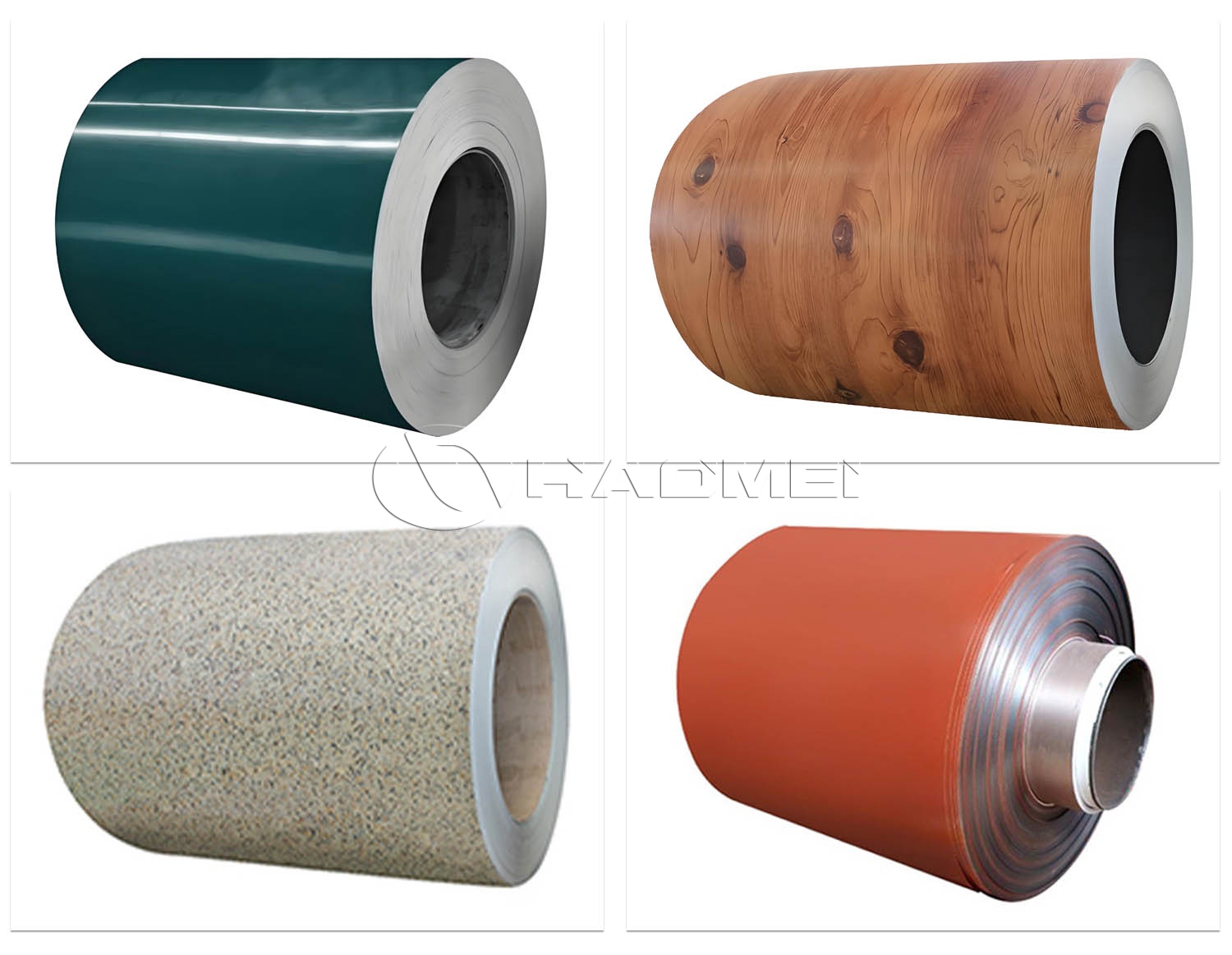
Performance Advantages of PE-Coated Aluminum Coils
1. Good coating adhesion: The PE coating bonds firmly to the aluminum substrate, making it suitable for the continuous production of composite panels.
2. Excellent processing performance: The aluminum coils offer good formability, bending, stamping, and shearing characteristics, with a low risk of coating cracking.
3. Good weather resistance: Resistant to UV radiation, moisture, and general atmospheric conditions; suitable for applications such as architectural curtain walls and interior decoration.
4. Superior decorative finish: Features uniform color and a smooth surface; available in a wide range of colors and gloss levels to meet diverse aesthetic requirements for ACPs.
5. Lightweight and corrosion-resistant: The low-density aluminum substrate offers good resistance to atmospheric corrosion, helping to reduce the overall weight of the ACP.
6. Suitable for continuous production: The coil format facilitates unwinding, coating, lamination, and cutting, thereby enhancing ACP production efficiency.
7. Customizable colors and specifications: Alloy type, thickness, coating thickness, color, gloss level, and coil dimensions can all be customized to meet specific customer requirements.
Product Structure for ACP Facing Sheets
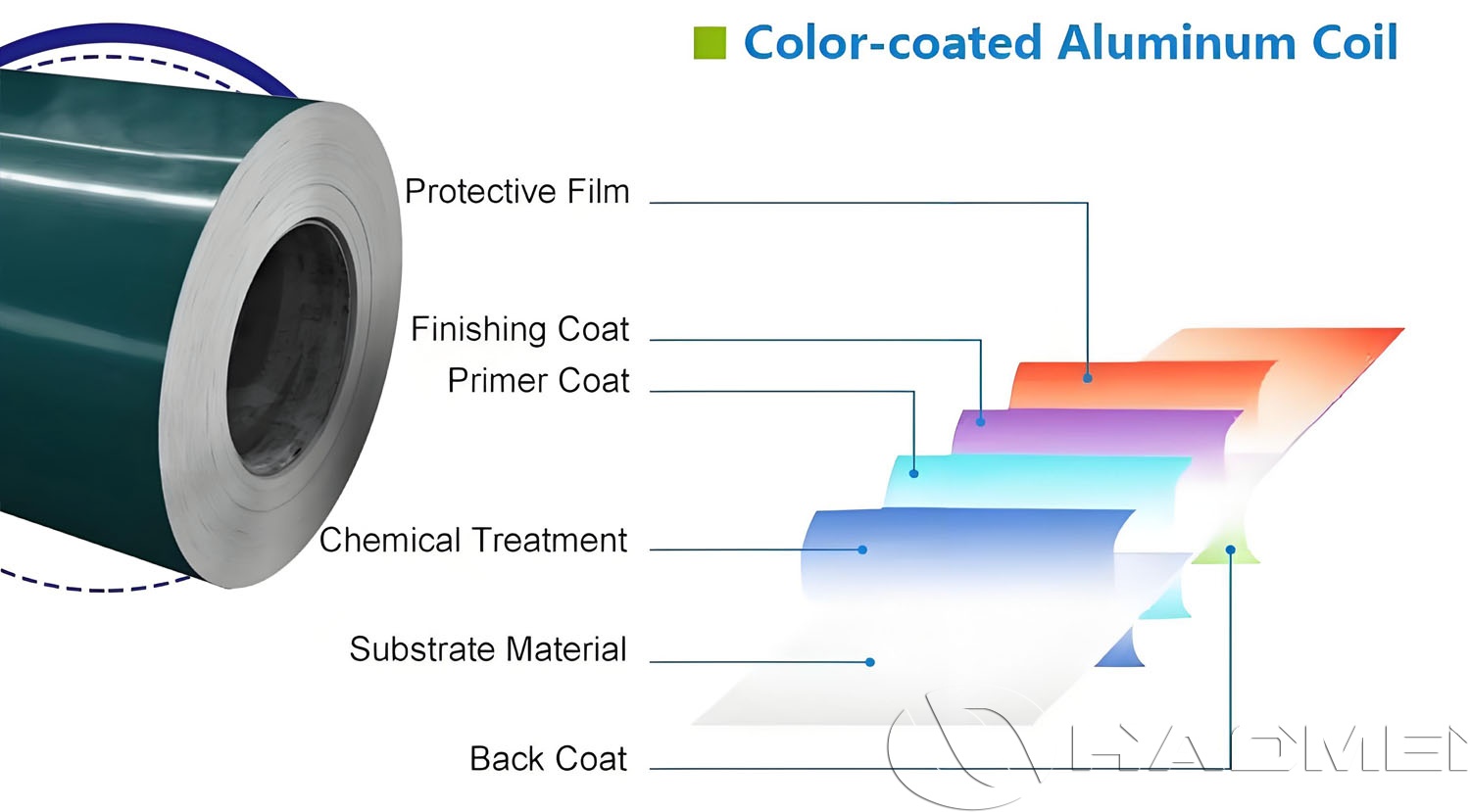
A PE coated aluminum coil for ACP normally consists of several functional layers designed to protect the metal substrate and maintain coating integrity during uncoiling, laminating, cutting, routing, bending, and installation.
Typical construction includes:
Aluminum alloy coil substrate
Surface chemical pretreatment
Primer coat for corrosion resistance and intercoat adhesion
PE topcoat in solid, metallic, matte, high-gloss, or customized colors
Back coating to improve protection and bonding compatibility with the ACP core
Optional protective film to reduce handling scratches during panel processing
The polyester topcoat provides good color uniformity, surface smoothness, flexibility, and economical weather resistance. For standard interior ACP and moderate-exposure exterior applications, PE coating is commonly selected because it balances appearance, processing performance, and production efficiency.
Core Specifications of PE Coated Aluminum Coil for ACP Production
| Specification Item | Typical Range or Option |
|---|---|
| Aluminum alloy | 1100, 1050, 1060, 3003, 3105 |
| Temper | H14, H16, H18, H24, H26, H42, H44 |
| Coil thickness | 0.10-0.50 mm |
| Common ACP facing thickness | 0.18-0.30 mm |
| Coil width | 800-1,600 mm |
| Coil inner diameter | 405 mm or 505 mm |
| Coil outer diameter | Up to approximately 1,800 mm, subject to coil weight |
| PE topcoat thickness | Typically 15-25 μm |
| Back coat thickness | Typically 5-10 μm |
| Surface finish | Glossy, matte, semi-gloss, metallic, textured, patterned |
| Color options | RAL, Pantone, customized samples, wood grain, marble pattern |
| Protective film | Optional, commonly 30-70 μm |
Common Aluminum Alloys Used in ACP Coil
1100 Aluminum Alloy
1100 is a commercially pure aluminum alloy with high aluminum content, excellent ductility, and reliable corrosion resistance. It is widely used for standard ACP facing sheets where deep forming strength is not the main requirement. Its smooth surface and stable processing characteristics make 1100 Color Coated Aluminum Coil suitable for interior decorative panels, signage, and general architectural ACP applications.
1050 and 1060 Aluminum Alloys
1050 and 1060 belong to the 1000 series and offer high formability, low density, and good surface quality. These alloys are commonly selected for economical ACP production, especially for interior panels and applications requiring folding, routing, or profile forming. Their relatively soft nature helps reduce the risk of cracking at sharp bending locations when suitable temper and coating flexibility are maintained.
3003 Aluminum Alloy
3003 contains manganese and provides higher strength than 1000-series aluminum while retaining good formability and corrosion resistance. It is frequently used for ACP facing sheets requiring improved stiffness, dent resistance, and dimensional stability. For exterior-grade panels or projects exposed to more demanding fabrication and handling conditions, 3003 is a practical substrate option.
3105 Aluminum Alloy
3105 is another manganese-containing alloy commonly used in coated sheet and coil. It offers a useful balance of strength, coating compatibility, and forming performance. In ACP production, 3105 is suitable for panels requiring a more rigid aluminum skin than standard 1100 material while maintaining consistent coil-coating quality.
PE Coating Performance and Surface Options
The PE coating system used on ACP aluminum coil is generally based on polyester resin with pigments, additives, and crosslinking components. After curing in a continuous coil-coating line, the coating forms a uniform protective and decorative layer.
Key performance characteristics include:
Consistent color and gloss across long production runs
Good adhesion between substrate, pretreatment, primer, and finish coat
Flexibility for V-grooving, folding, bending, and roll forming
Resistance to common indoor pollutants, moisture, and routine cleaning agents
Surface hardness and abrasion resistance suitable for handling and fabrication
Broad color matching capability for architectural and decorative panel designs
PE coated surfaces are available in standard solid colors, metallic effects, brushed finishes, high-gloss surfaces, matte finishes, and printed decorative patterns. The coating selection should remain compatible with the intended ACP fabrication process, particularly the routing radius, folding geometry, laminating temperature, and protective-film removal conditions.
Coil Quality Factors Affecting ACP Lamination
ACP manufacturing requires stable interaction between the coated aluminum skin and the polymer or mineral-filled core. Coil properties influence both production efficiency and finished panel quality.
Surface Cleanliness and Pretreatment
Chemical pretreatment improves corrosion resistance and promotes strong bonding between the aluminum substrate and primer. A clean, uniformly treated surface helps prevent localized adhesion loss, blistering, or coating delamination after fabrication and environmental exposure.
Coating Adhesion and Flexibility
The PE coating must maintain adhesion during bending and routing. Insufficient flexibility can lead to micro-cracks along folded edges, while weak intercoat adhesion may cause peeling during protective-film removal or panel processing. Cross-hatch adhesion, T-bend performance, impact resistance, and solvent rub resistance are common coating control items.
Thickness and Flatness Consistency
Uniform aluminum thickness supports even ACP panel thickness and reduces visual waviness after lamination. Good coil flatness, controlled camber, and stable edge condition also improve feeding accuracy in continuous ACP production lines.
Back-Coat Compatibility
The reverse side of the aluminum coil contacts the ACP core adhesive or bonding layer. A properly formulated back coat helps maintain adhesion while providing protection to the aluminum surface. Back-coat chemistry, curing condition, and surface energy should be matched to the core material and lamination adhesive system.
Typical Quality Control Parameters
PE coated aluminum coil is evaluated through substrate, coating, dimensional, and appearance inspections. Common controls include:
Alloy chemistry and mechanical properties
Thickness tolerance and width tolerance
Coil weight, inner diameter, and winding quality
Color difference and gloss consistency
Coating thickness on front and back surfaces
Pencil hardness and MEK solvent resistance
Cross-hatch adhesion and T-bend performance
Impact resistance and cupping performance
Surface defects such as pinholes, scratches, dents, roller marks, stains, and coating streaks
Protective film adhesion stability and clean removability
For ACP production, the most important result is a coil that runs smoothly through laminating equipment and maintains a uniform decorative surface after panel cutting, routing, folding, and installation. Standard PE Coated Aluminum Coil systems provide the color consistency, coating flexibility, and processing stability required for a wide range of aluminum composite panel designs.
-
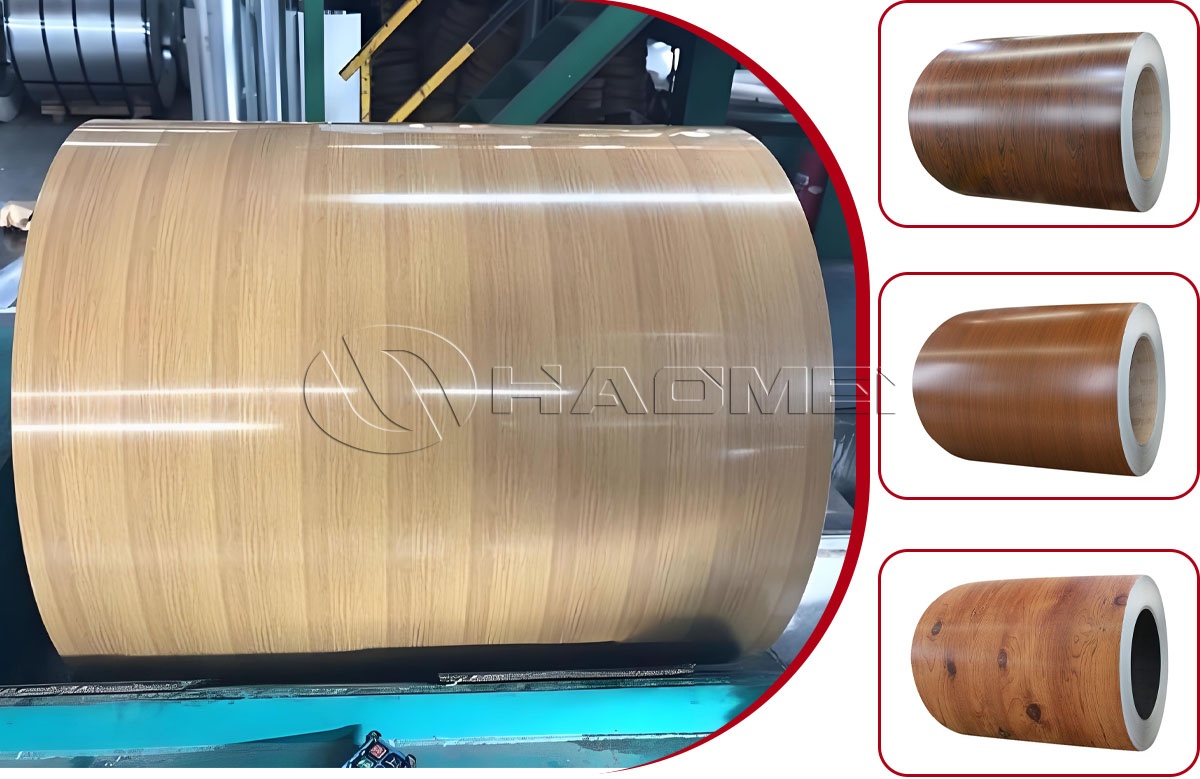
Wood Grain Coated Aluminum Coil Manufacturers in China
Technical overview of wood grain coated aluminum coil from China manufacturers, covering alloys, coatings, specs, process control, and building uses.
2026-07-13
-
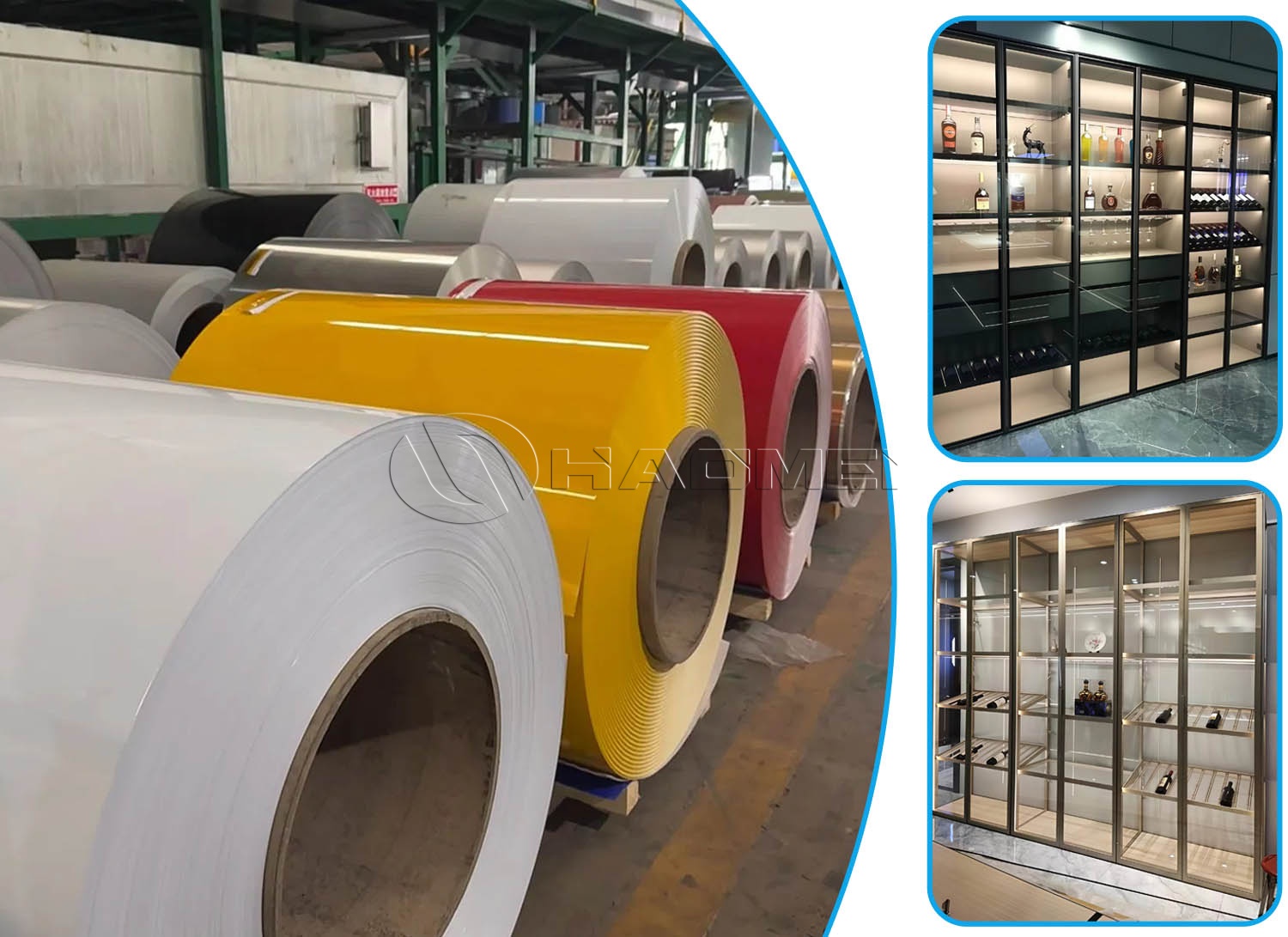
3004 PE / PVDF Color-Coated Aluminum Coil for Shopping Mall Display Cabinets
3004 PE/PVDF color-coated aluminum coil provides formability, durable finishes, and clean visual appeal for shopping mall display cabinets and trims.
2026-09-24
-
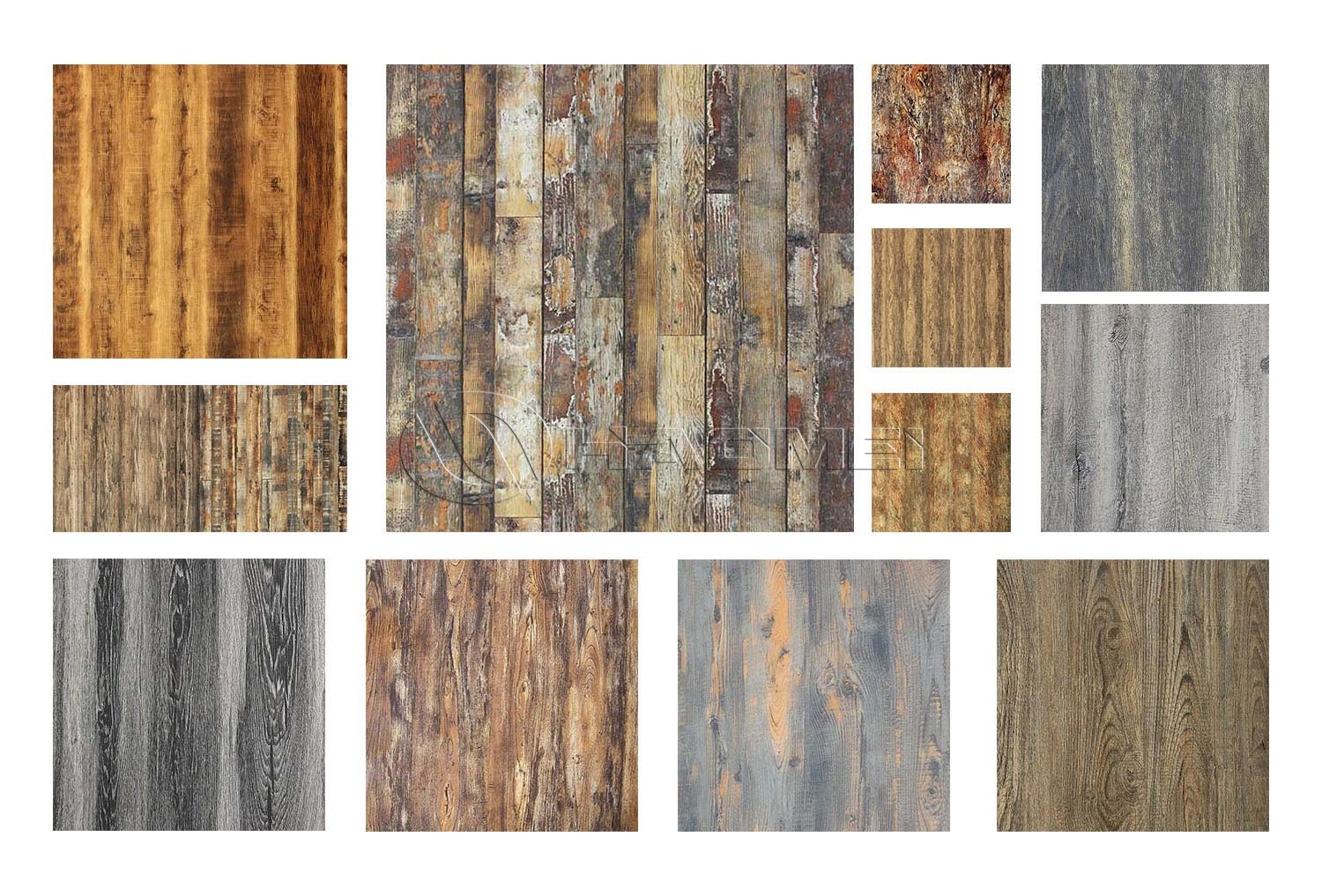
Oak Wood Grain Color-Coated Aluminum Coil
Oak wood grain color-coated aluminum coil combines realistic timber texture, PE/PVDF coating, and formable aluminum for facades, ceilings, shutter doors.
2026-07-10
Contact Directly
-

ADD: No.14 Waihuan Road, CBD, Zhengzhou, China
-

WhatsApp: +86-18703635966
-

E-MAIL: sales@alummc.com
