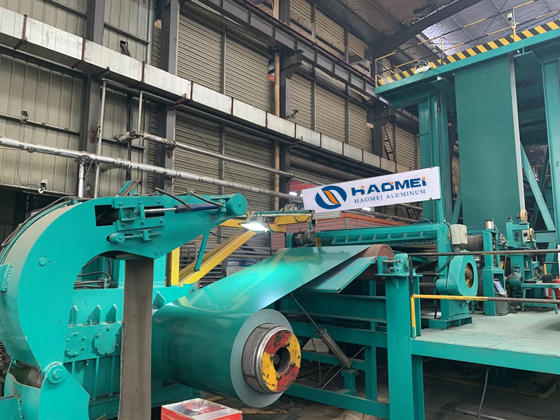


News
 By Hermione
Oak Wood Grain Color-Coated Aluminum Coil
Oak wood grain color-coated aluminum coil is positioned as a decorative metal material that combines the natural appearance of oak with the dimensional stability, light weight, and corrosion resistance of coated aluminum. It is widely used in architectural facades, ceilings, soffits, interior wall panels, roller shutter doors, furniture panels, and other applications where a timber-like finish is required without the maintenance demands of natural wood.
Product Appearance and Material Concept
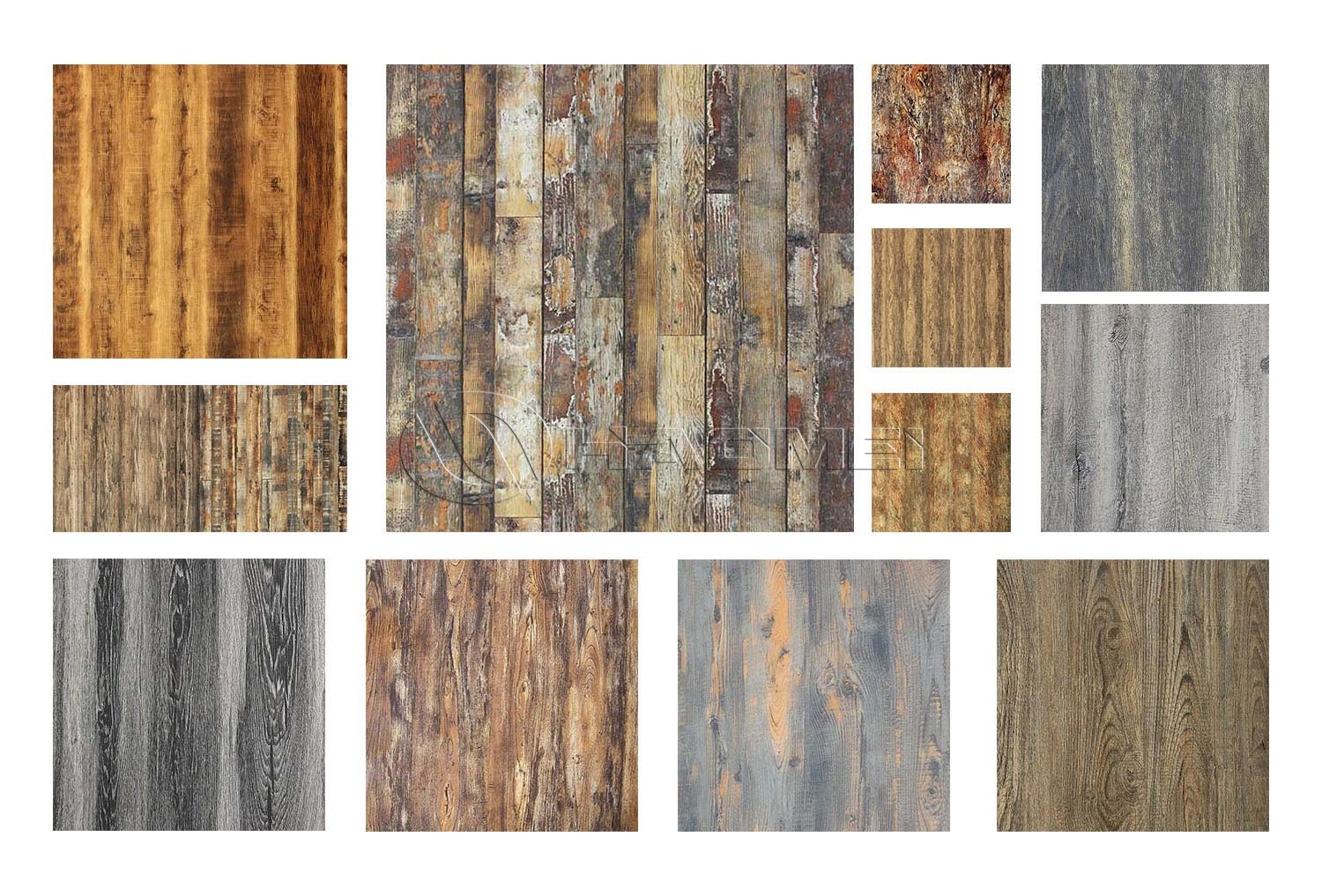
The visual feature of oak wood grain color-coated aluminum coil comes from a controlled coating and pattern-forming process. The base aluminum coil is cleaned, chemically pretreated, coated with primer and color layers, and then processed with an oak grain pattern layer and protective clear coat. The result is a surface that can present light oak, natural oak, golden oak, smoked oak, dark oak, or customized grain effects.
Compared with solid wood or wood veneer, coated aluminum is non-combustible as a metal substrate, resistant to moisture deformation, and suitable for continuous roll forming, slitting, punching, bending, and lamination. In building decoration, it is often selected where consistent color tone, repeatable grain direction, and coil-to-coil production stability are important.
Oak grain products are part of the broader Wooden Grain Color Coated Aluminum Coil category, with oak being one of the most commonly specified textures due to its balanced grain structure and warm architectural appearance.
Coating System and Surface Performance
The coating system is selected according to the exposure environment, forming requirement, and expected service condition. Common systems include PE, HDPE, PVDF, and sometimes FEVE or modified polyester clear coats.
PE coated aluminum coil is commonly used for interior decoration, ceilings, furniture panels, and general indoor applications. It provides good color development, easy processing, and economical production suitability. For outdoor building envelopes, fluorocarbon-based systems such as PVDF Coated Aluminum Coil are often used because they provide stronger resistance to ultraviolet exposure, chalking, color fading, and atmospheric corrosion.
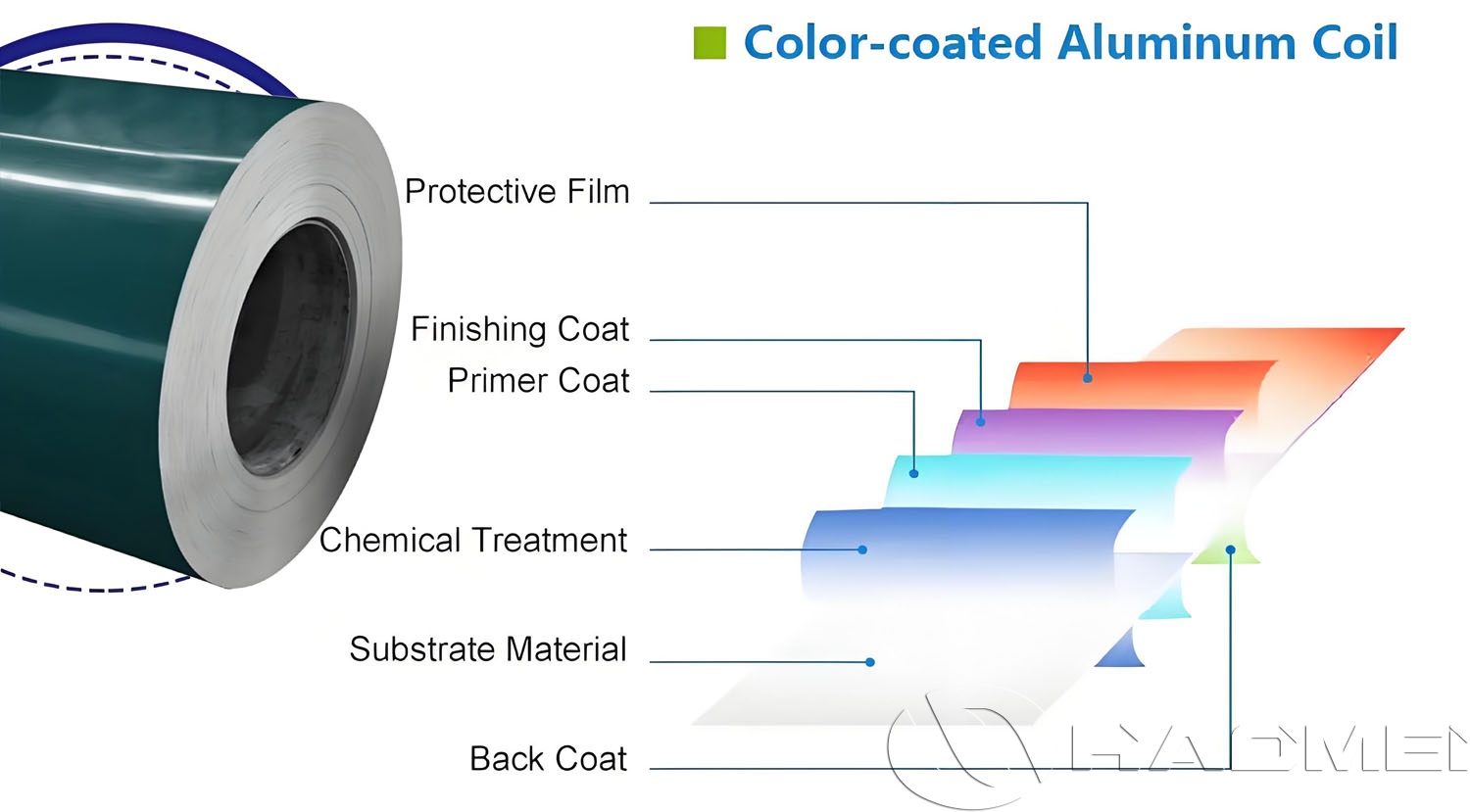
A typical oak wood grain coating structure includes:
Aluminum substrate
Chemical conversion layer
Primer coating
Base color coating
Wood grain pattern layer
Clear protective coating
Optional back coat for adhesion balance and corrosion protection
Core Specifications of Oak Wood Grain Color-Coated Aluminum Coil
| Specification Item | Common Range or Options |
|---|---|
| Product type | Oak wood grain color-coated aluminum coil |
| Common alloys | 1050, 1060, 1100, 3003, 3004, 3105, 5005, 5052 |
| Temper | O, H14, H16, H18, H24, H26, H32, H34, depending on alloy and forming process |
| Thickness | 0.20-1.50 mm, with project-specific ranges available by application |
| Width | 30-1600 mm, subject to coating line and slitting capability |
| Coating type | PE, HDPE, PVDF, FEVE, modified polyester clear coat |
| Top coating thickness | Usually 16-35 μm, depending on coating system and performance target |
| Back coating thickness | Usually 5-12 μm, with service primer or protective back coat options |
| Surface effect | Light oak, natural oak, golden oak, dark oak, smoked oak, customized oak grain |
| Gloss level | Low gloss, matte, semi-matte, or medium gloss options |
| Coil inner diameter | 405 mm, 508 mm, or as production arrangement requires |
| Processing compatibility | Slitting, roll forming, bending, punching, embossing, lamination |
| Main applications | Facades, ceilings, soffits, wall panels, shutter doors, furniture, decorative profiles |
Commonly Used Aluminum Alloys
The alloy selection affects mechanical strength, forming behavior, surface flatness, and final application suitability.
1050, 1060, and 1100 Series
These commercially pure aluminum grades offer excellent workability, high surface quality, and stable coating adhesion after proper pretreatment. They are suitable for decorative panels, ceilings, indoor wall systems, furniture surfaces, and light-duty profiles. Their relatively soft mechanical properties make them easy to bend and form, especially in thin-gauge applications.
3003, 3004, and 3105 Series
3000 series aluminum is widely used in building decoration because manganese improves strength while retaining good formability. 3003 is common for general decorative sheet and coil applications. 3004 and 3105 provide higher strength and are often used for facade panels, roofing-related components, shutter systems, and roll-formed profiles requiring better shape retention.
5005 and 5052 Series
5000 series aluminum contains magnesium, giving it higher strength and better corrosion resistance than many pure aluminum grades. 5005 is frequently used for architectural panels where surface appearance and corrosion resistance are both important. 5052 provides higher mechanical strength and is suitable for applications requiring stronger deformation resistance, such as exterior cladding profiles and more demanding formed components.
Manufacturing Process Control
The production quality of oak wood grain aluminum coil depends on both metal substrate control and coating process stability. Before coating, the aluminum surface must be degreased and chemically pretreated to improve paint adhesion and corrosion resistance. During coating, parameters such as paint viscosity, oven temperature, line speed, coating film thickness, and roller pressure directly affect surface uniformity and grain clarity.
In wood grain production, pattern registration and clear coat uniformity are especially important. A stable base color supports the natural depth of the oak texture, while the transparent protective layer improves abrasion resistance, stain resistance, and weathering stability. For coils used in roll forming, coating flexibility must be verified to reduce the risk of cracking at bends.
Application Scenarios
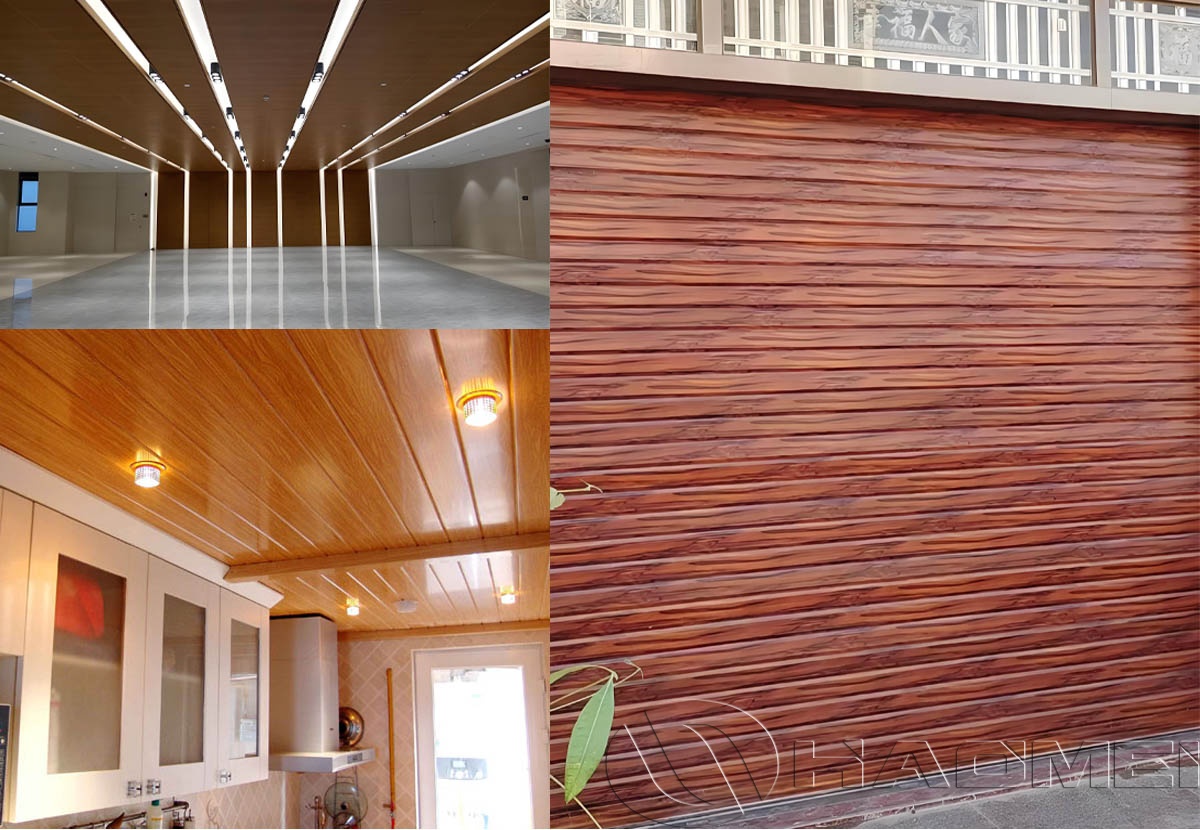
Oak wood grain color-coated aluminum coil is used where a warm wood-like surface is needed together with metal durability and process efficiency.
Architectural exterior facades and curtain wall decorative panels
Interior ceilings, suspended ceiling strips, and soffit panels
Roller shutter doors, garage doors, and sunshade profiles
Furniture panels, cabinet surfaces, and partition systems
Door panels, decorative trims, and wall cladding
Commercial spaces requiring consistent oak grain appearance over large areas
For outdoor applications, coating selection, pretreatment quality, and clear coat durability are critical factors. For indoor applications, surface texture, gloss control, color consistency, and forming performance usually receive greater attention.
Performance Validation Items
Performance testing is typically arranged according to the final application environment and coating specification. Common validation items include coating thickness measurement, color difference control, gloss consistency, pencil hardness, T-bend flexibility, impact resistance, cross-cut adhesion, solvent resistance, salt spray resistance, humidity resistance, and accelerated weathering.
For oak wood grain products, visual inspection is also a key control point. Grain continuity, pattern clarity, color uniformity, edge quality after slitting, and surface cleanliness are checked to ensure the coil remains suitable for downstream forming and panel fabrication.
-
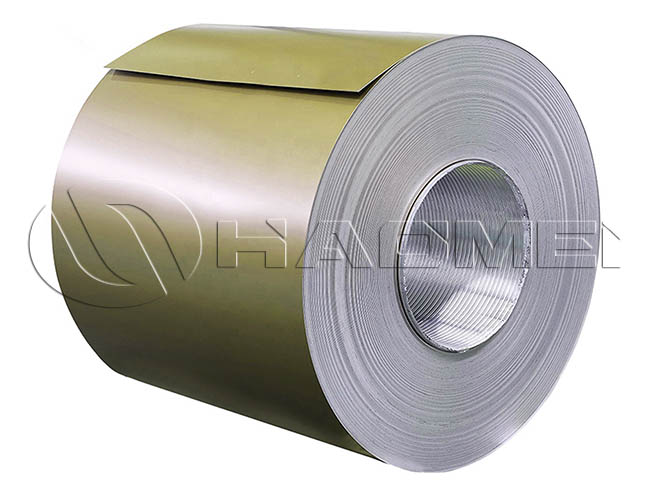
Fireproof 1100 PE / PVDF Color Coated Aluminum Coil
Fireproof 1100 PE PVDF prepainted aluminum coil offers excellent flame resistance, durability and weather resistance, ideal for building facade and ceiling systems.
2025-12-22
-
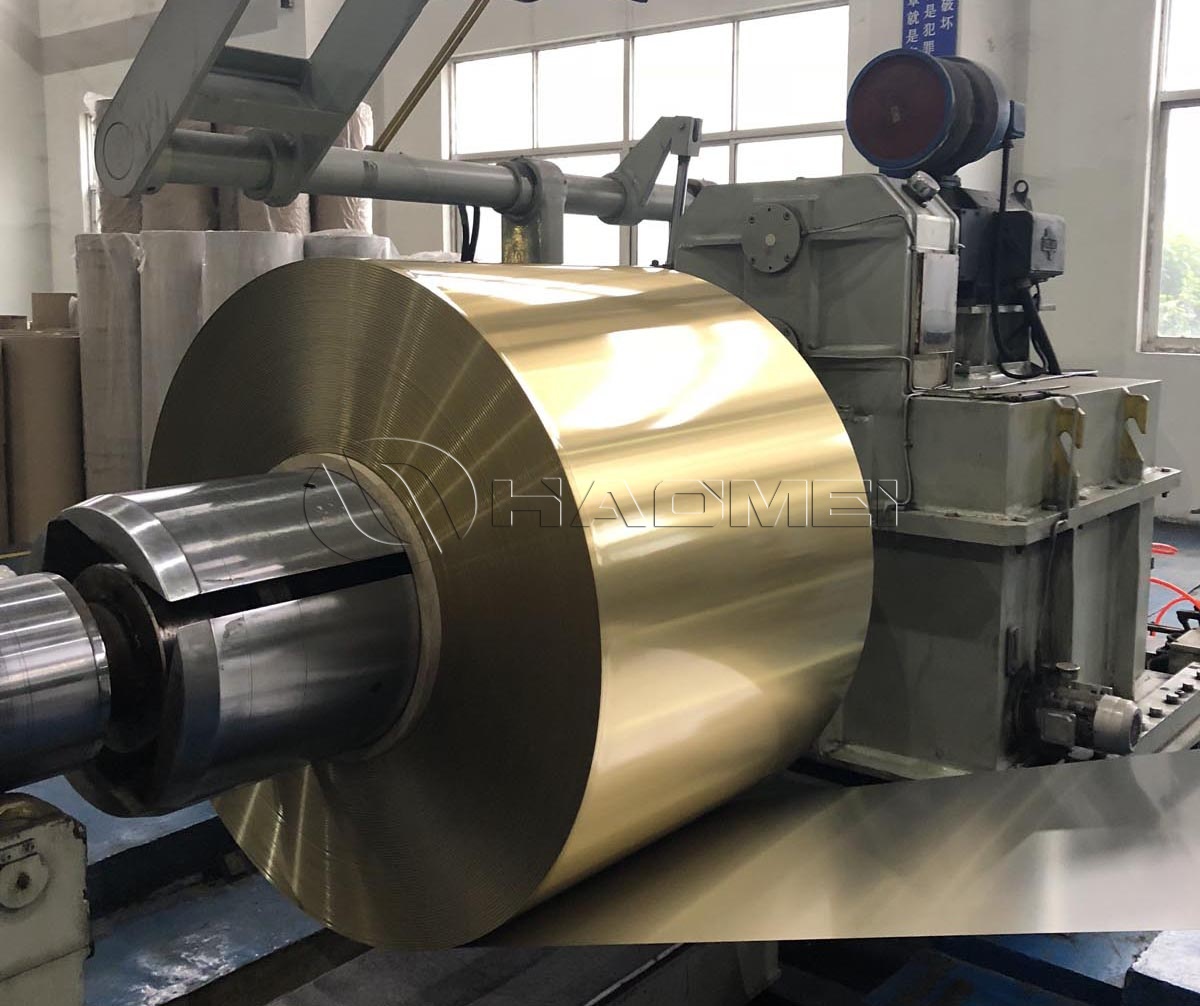
5000 Series Color Coated Aluminum Coil for Signage
Explore 5000 series color coated aluminum coil for signage, including 5005 and 5052 alloys, coating options, dimensions, fabrication, and durability.
2026-09-14
-
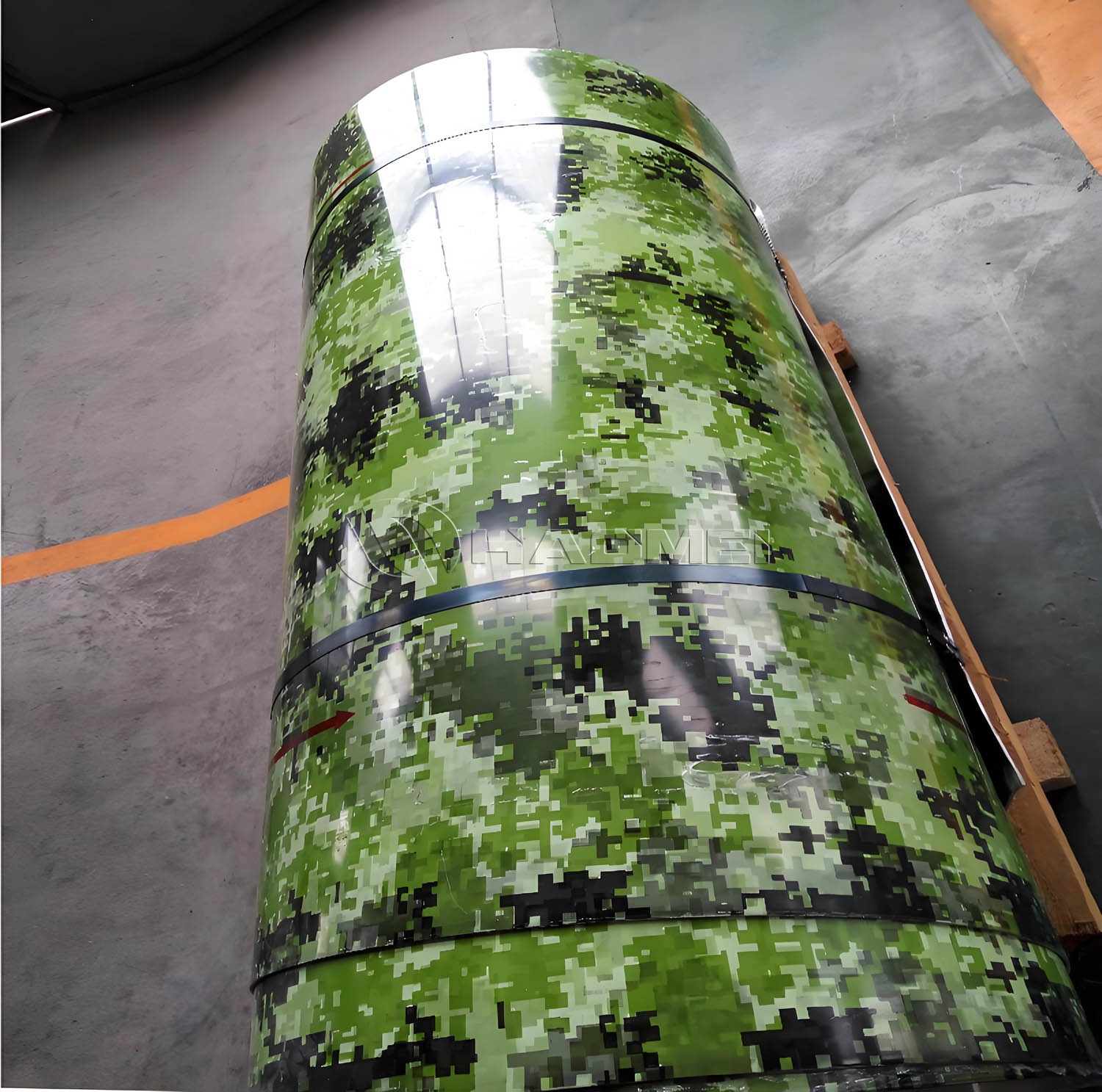
PVDF Camouflage-Coated Aluminum Coils
Explore PVDF camouflage-coated aluminum coils, covering alloys, coating structure, specifications, and exterior use in roofing, facades, and equipment panels.
2026-06-26
Contact Directly
-

ADD: No.14 Waihuan Road, CBD, Zhengzhou, China
-

WhatsApp: +86-18703635966
-

E-MAIL: sales@alummc.com