

News
 By Hermione
PE Coated Aluminum Coil 0.5mm Thickness
PE coated aluminum coil 0.5mm thickness is positioned as a lightweight, formable, and decorative pre-painted aluminum material for interior and semi-exterior applications. It is commonly used in ceilings, wall panels, aluminum composite panel facings, signage, appliance panels, roller shutters, lighting housings, and general building decoration where balanced cost, stable color, and easy processing are required.
Product Overview
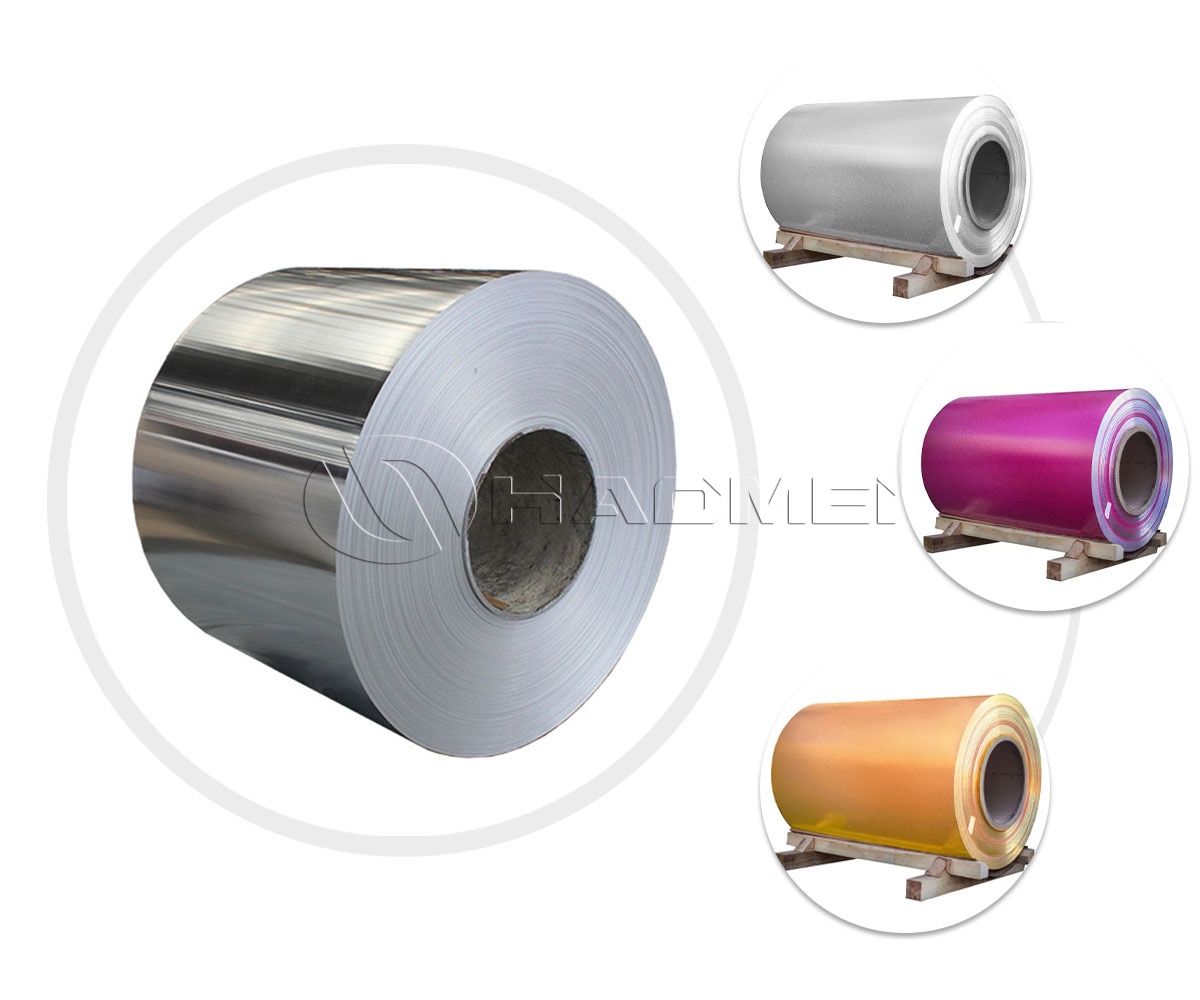
A 0.5mm PE coated aluminum coil is produced by applying a polyester coating system onto an aluminum substrate through continuous coil coating. The 0.5mm base thickness provides good rigidity for flat decorative panels while remaining easy to slit, cut, bend, punch, and laminate. Compared with thicker aluminum sheet, it helps reduce component weight; compared with thinner gauges, it offers better handling stability during fabrication.
The material belongs to the broader category of PE Coated Aluminum Coil, where the coating is designed for color consistency, surface smoothness, and practical resistance to common indoor environmental exposure. In projects requiring higher long-term weatherability, PVDF systems are often evaluated separately, but PE coating remains widely used for economical decorative and general-purpose applications.
Coating Structure and Performance Characteristics
The typical structure includes aluminum substrate, chemical pretreatment layer, primer, and polyester topcoat. For some applications, a back coat or service coat is also applied to improve handling protection or bonding compatibility.
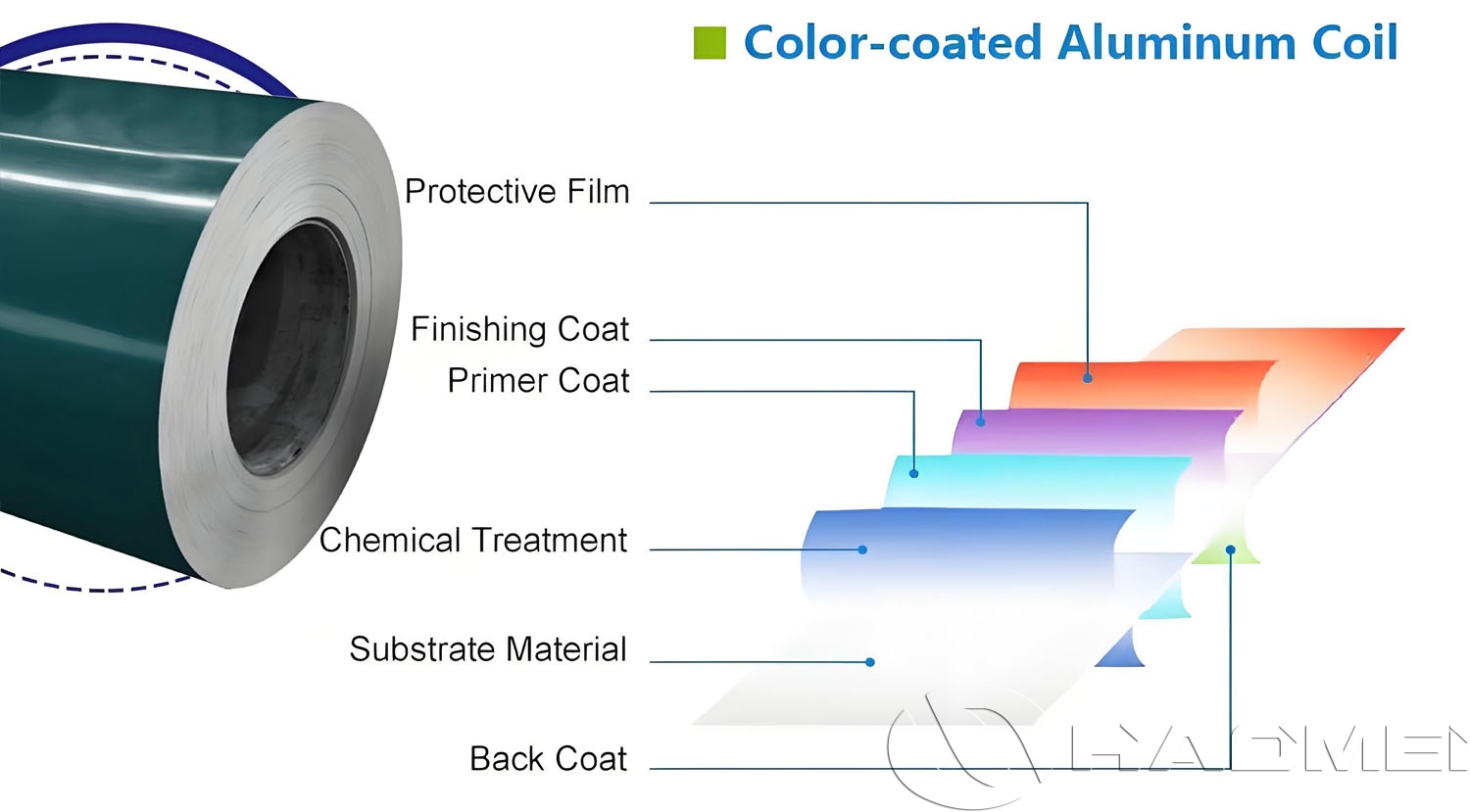
The PE coating layer provides several practical material characteristics:
Smooth decorative finish with stable gloss and color appearance
Good flexibility for roll forming, bending, and panel fabrication
Practical abrasion resistance for normal processing and installation handling
Good adhesion when pretreatment, primer, curing, and coating thickness are properly controlled
Compatibility with common colors, metallic finishes, and special decorative patterns
For a 0.5mm thickness product, coating flexibility is especially important. The coating must withstand bending deformation without cracking, while the aluminum substrate must maintain sufficient flatness after leveling, slitting, and forming.
Core Specifications of PE Coated Aluminum Coil 0.5mm Thickness
| Item | Typical Specification |
|---|---|
| Product name | PE coated aluminum coil 0.5mm thickness |
| Aluminum thickness | 0.50mm nominal, tolerances according to project or standard requirements |
| Common alloys | 1050, 1060, 1100, 3003, 3004, 3105, 5005 |
| Tempers | O, H14, H16, H24, H26, H44, depending on alloy and forming needs |
| Coating type | Polyester, primer plus PE topcoat |
| Top coating thickness | Commonly 15-25 microns, adjustable by application |
| Back coating | Service coat or back coat, commonly 5-10 microns |
| Width range | Commonly 600-1600mm, subject to production capability |
| Coil ID | 405mm, 505mm, or 508mm |
| Surface finish | Solid color, matte, gloss, metallic, embossed, or patterned finish |
| Common colors | RAL colors, custom colors, white, silver, grey, black, bronze, champagne |
| Processing suitability | Slitting, cutting, bending, roll forming, punching, laminating |
| Typical applications | Ceiling panels, wall cladding, ACP facings, signage, shutters, appliance panels |
Commonly Used Alloys
The alloy selection determines strength, formability, corrosion behavior, and processing stability. For 0.5mm PE coated aluminum coil, the following alloys are commonly used:
1050 and 1060
1050 and 1060 are high-purity aluminum alloys with excellent formability, good corrosion resistance, and stable surface quality. They are suitable for ceilings, light decorative panels, lighting components, and applications requiring easy bending or stamping. A product such as 1060 Color Coated Aluminum Coil is often selected when deep forming performance and surface uniformity are key concerns.
1100
1100 aluminum offers high aluminum content, good workability, and reliable coating appearance. It is frequently used in decorative panels, signage, and general sheet metal components. Its balance of formability and moderate strength makes it suitable for 0.5mm coil products requiring stable flatness after coating and leveling.
3003
3003 is an aluminum-manganese alloy with higher strength than 1000 series alloys while maintaining good formability. It is widely used for roofing accessories, wall panels, curtain wall back panels, ceiling strips, and formed building components. For 0.5mm thickness, 3003 provides improved dent resistance and better shape retention compared with pure aluminum grades.
3004 and 3105
3004 and 3105 are commonly used where improved mechanical strength and good coating performance are required. They are suitable for roll-formed panels, shutters, building envelopes, and exterior decorative components in mild environments. These alloys maintain good paint adhesion when the pretreatment process is well controlled.
5005
5005 aluminum contains magnesium and is known for good corrosion resistance and surface appearance. It is often used in architectural decoration, facade elements, and applications requiring better surface quality. In 0.5mm PE coated coil, 5005 can provide a stable base for decorative finishes with good dimensional consistency.
Application Scenarios
PE coated aluminum coil 0.5mm thickness is widely used in both sheet fabrication and continuous forming. In ceiling systems, it offers lightweight panels with clean color presentation. In aluminum composite panels, 0.5mm aluminum skin is a common facing thickness because it contributes to panel rigidity and surface flatness. In signage and appliance decoration, the material provides an even painted surface and consistent coil-to-coil appearance.
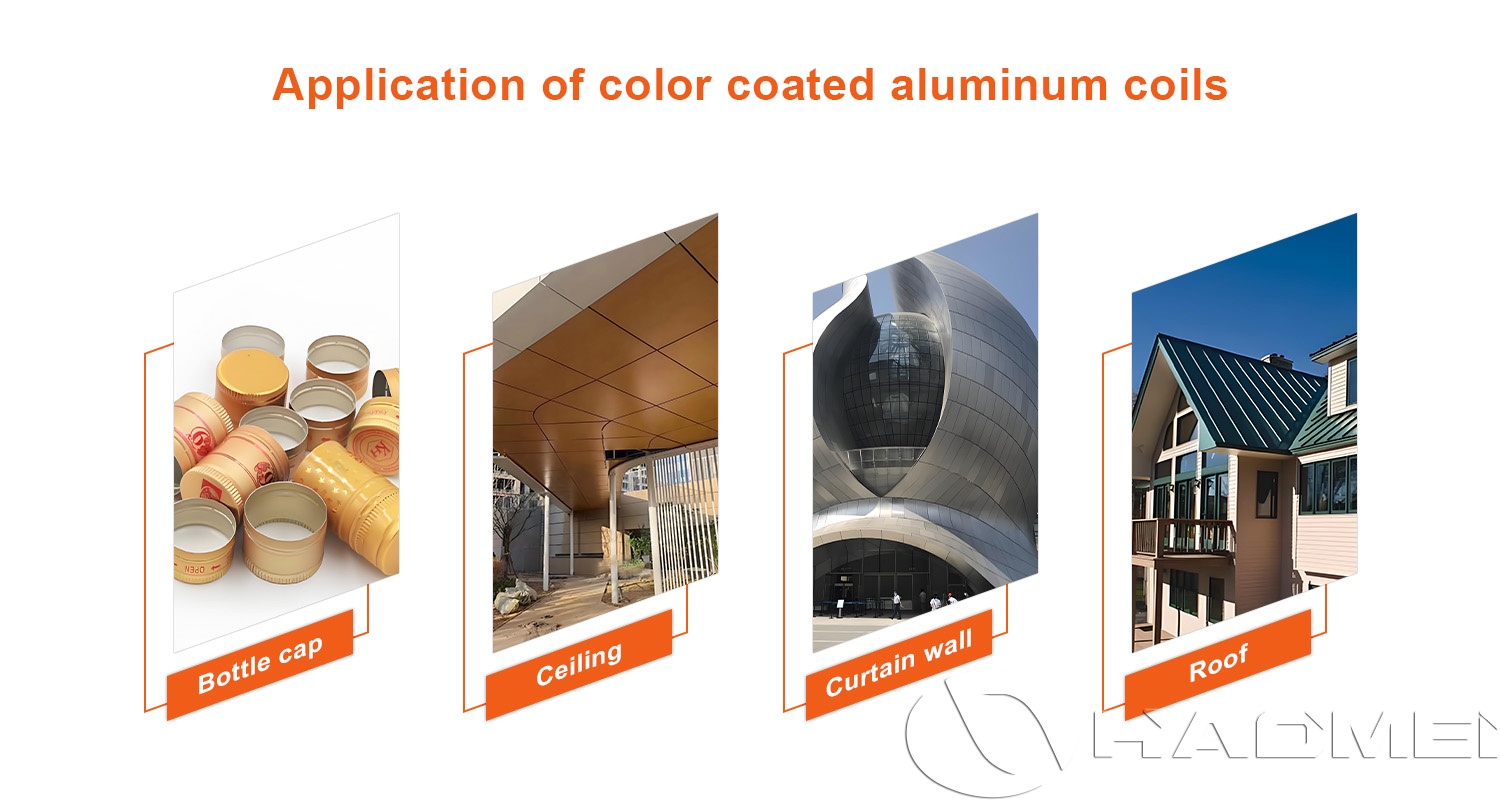
Typical application areas include:
Interior ceiling panels and strip ceilings
Decorative wall panels and partition surfaces
Aluminum composite panel front or back skins
Advertising boards and sign panels
Roller shutter slats and light-duty formed profiles
Home appliance panels and equipment covers
Furniture decoration and commercial display systems
Manufacturing and Quality Control Points
Stable performance depends on the complete production chain, not only on coating chemistry. During manufacturing, the aluminum substrate should have controlled thickness tolerance, clean surface condition, and suitable mechanical properties. Before coating, degreasing and chemical pretreatment improve coating adhesion and corrosion resistance.
Key control points include:
Substrate thickness uniformity and surface cleanliness
Pretreatment weight and conversion layer consistency
Primer and topcoat viscosity, coating weight, and wet film stability
Oven temperature, metal peak temperature, and curing time
Gloss, color difference, dry film thickness, pencil hardness, and T-bend performance
Coil edge quality, winding tension, and packaging protection
For 0.5mm PE coated aluminum coil, winding tension and leveling control are particularly important. Excessive tension may affect coil shape, while insufficient tension can lead to loose winding or surface friction marks. Proper process control helps maintain flatness, coating integrity, and consistent downstream fabrication performance.
-
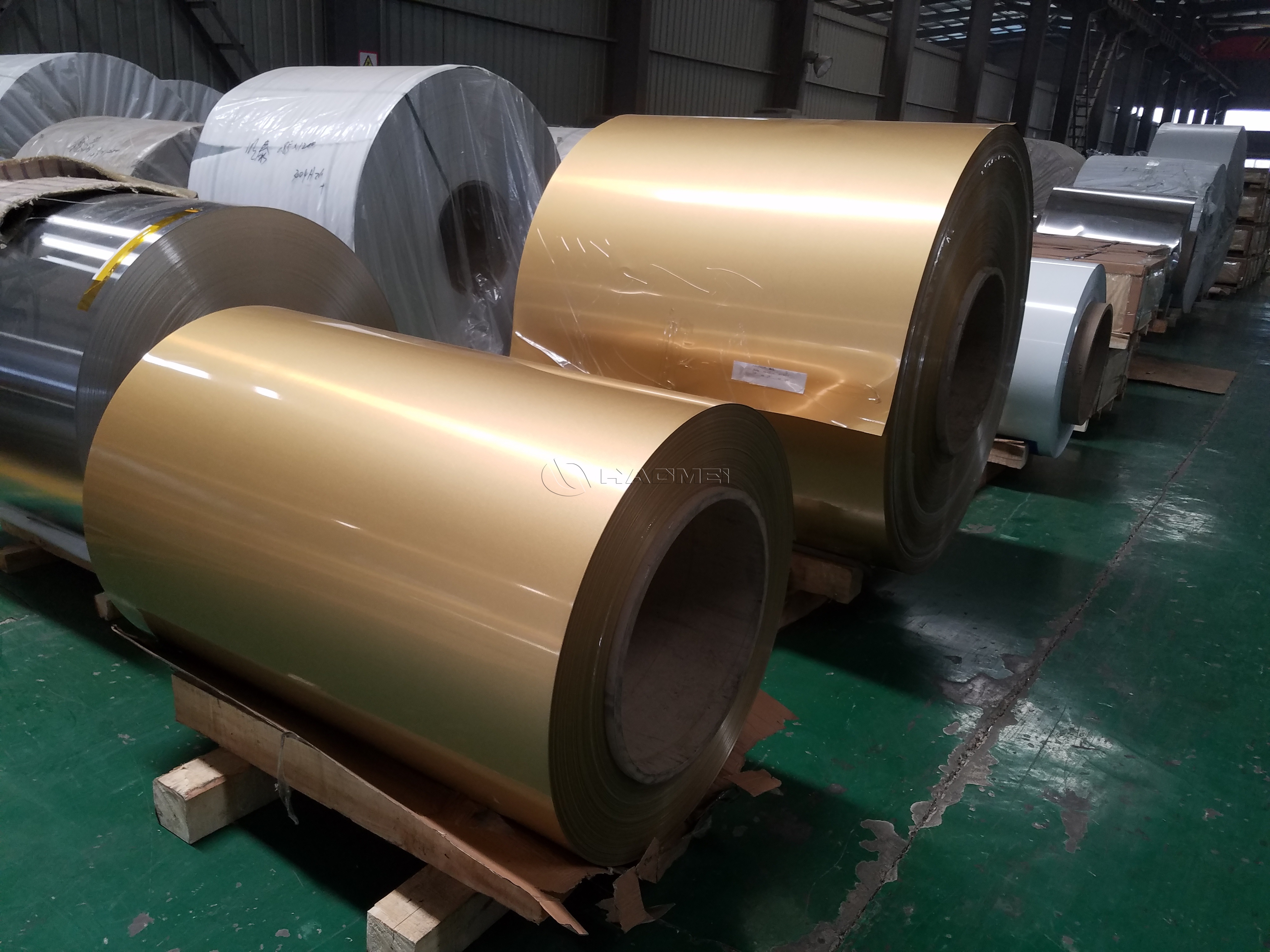
0.4mm, 0.6mm, 0.8mm, 1mm Cold-Rolled Painted Aluminum Coil (1005, 1060, 1100, 3003)
Technical overview of 0.4mm-1mm cold-rolled painted aluminum coil in 1005, 1060, 1100 and 3003 alloys for roofing, ceilings and facade wall panels.
2026-07-02
-
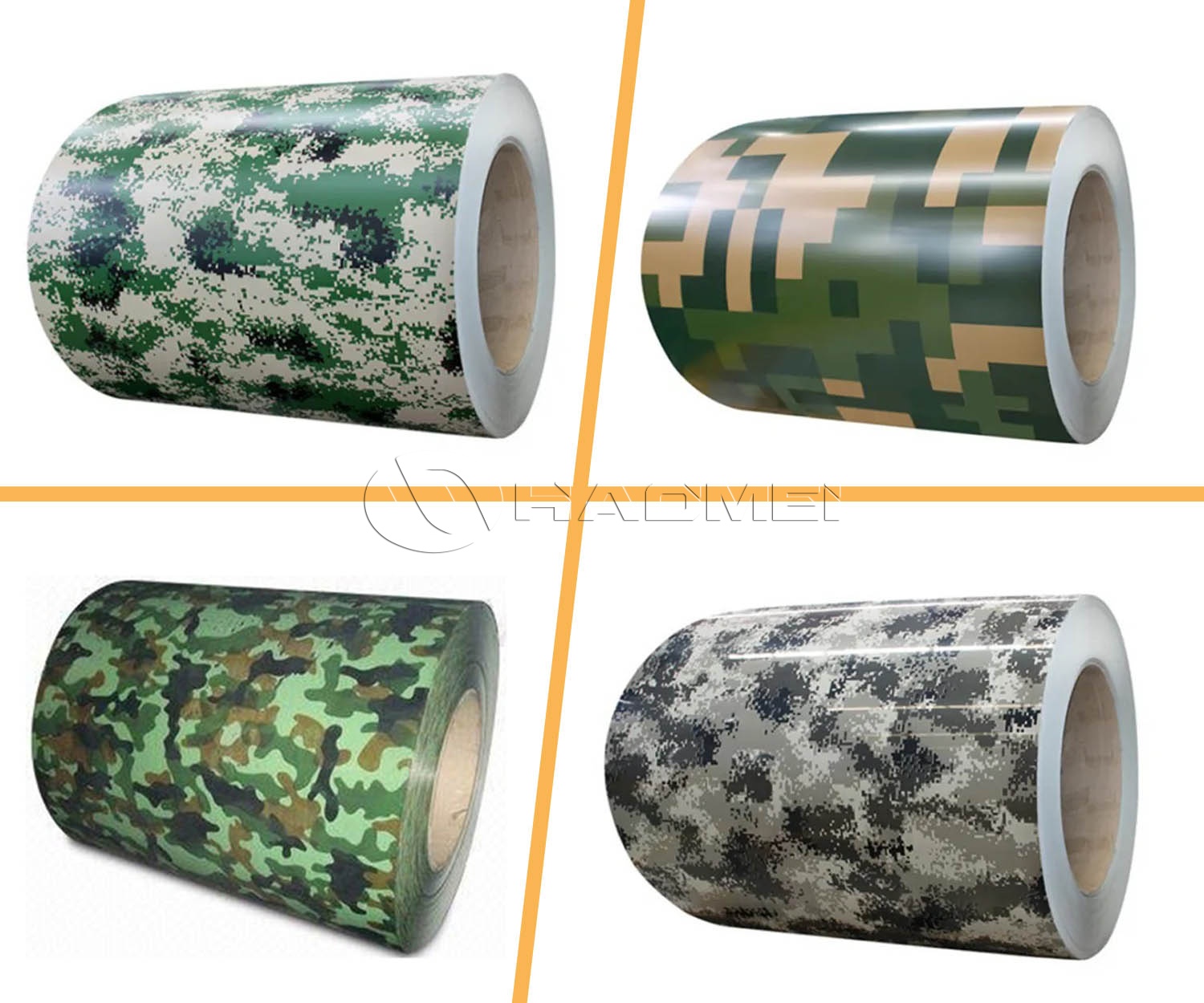
Decorative Camouflage-Pattern Aluminum Coils
Decorative camouflage-pattern aluminum coils combine PE or PVDF coating, workable alloys, and printed finishes for facades, ceilings, panels, and equipment.
2026-06-25
-
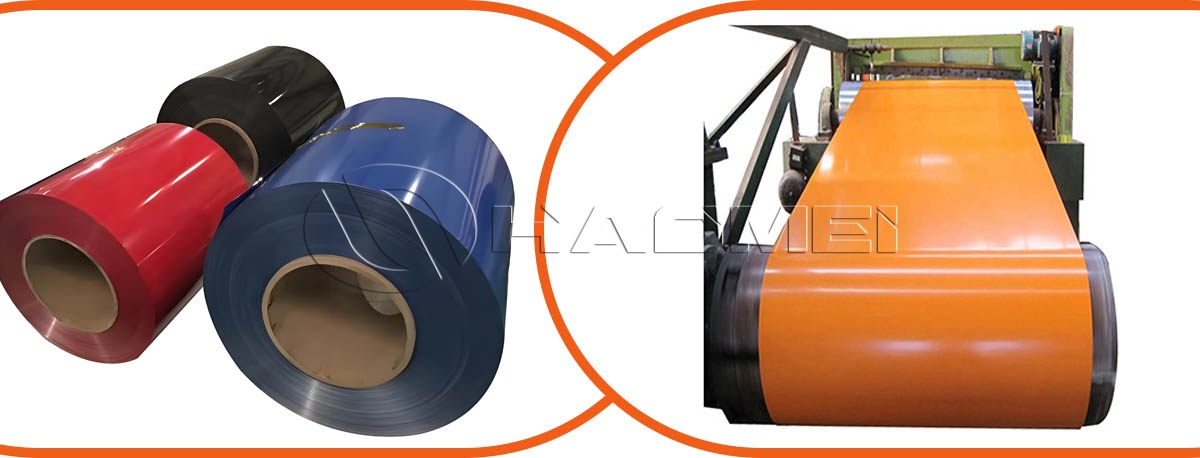
PVDF Coated Aluminum Coil For High-Rise Buildings
PVDF coated aluminum coil for high-rise buildings combines durable fluoropolymer finishes, suitable alloys, and reliable facade performance.
2026-10-13
Contact Directly
-

ADD: No.14 Waihuan Road, CBD, Zhengzhou, China
-

WhatsApp: +86-18703635966
-

E-MAIL: sales@alummc.com