

News
 By Hermione
High Gloss PE Coated Aluminum Coil
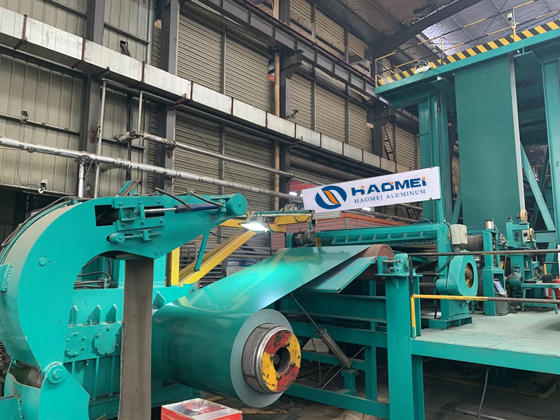
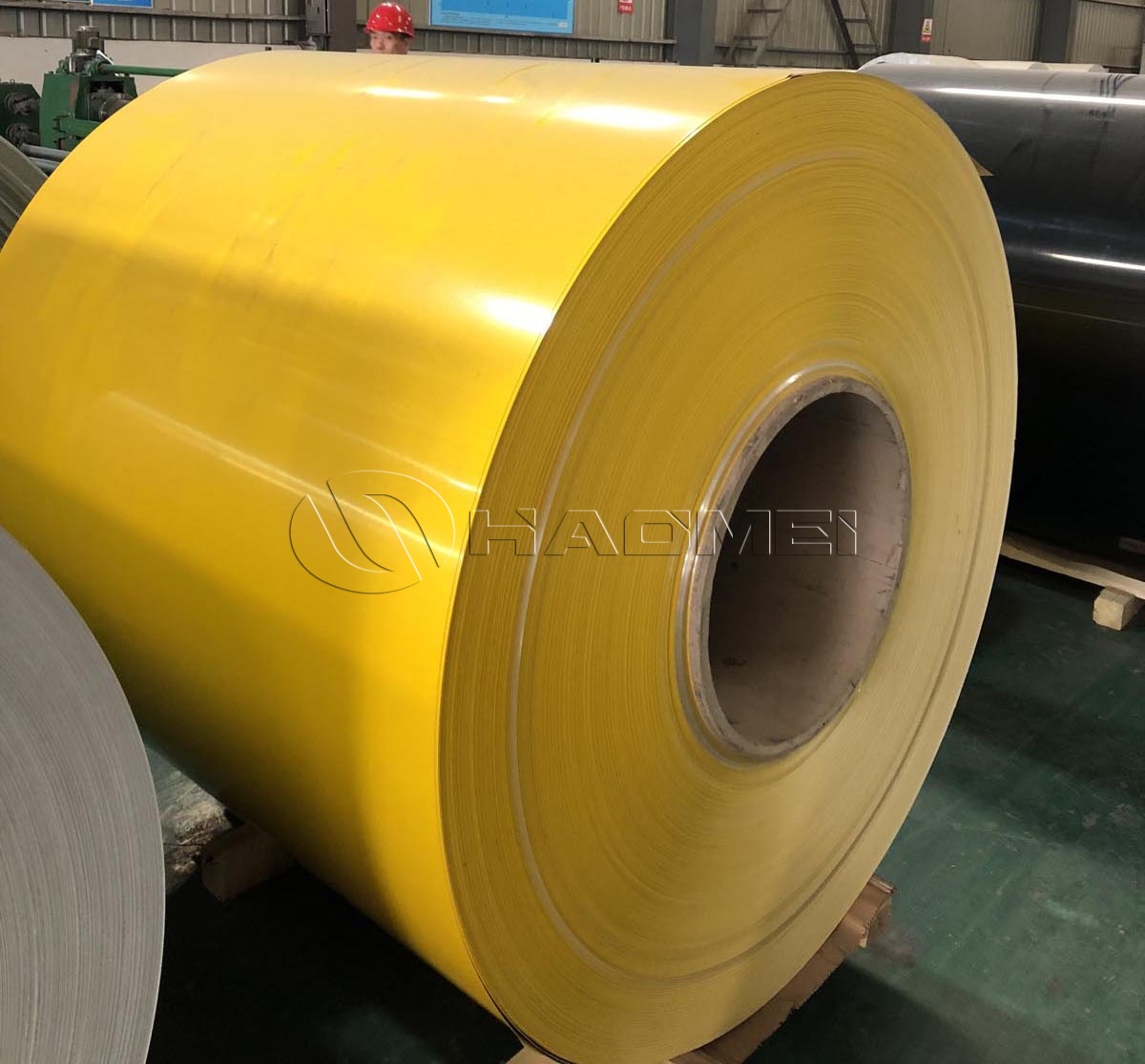
High Gloss PE Coated Aluminum Coil is positioned as a bright, smooth, and cost-effective pre-painted aluminum material for decorative building components, interior ceiling systems, advertising panels, appliance panels, and general sheet metal fabrication. Compared with matte or low-gloss finishes, its reflective surface enhances color depth and visual cleanliness while retaining the lightweight, formable, and corrosion-resistant advantages of aluminum coil.
Product Structure and Coating Characteristics
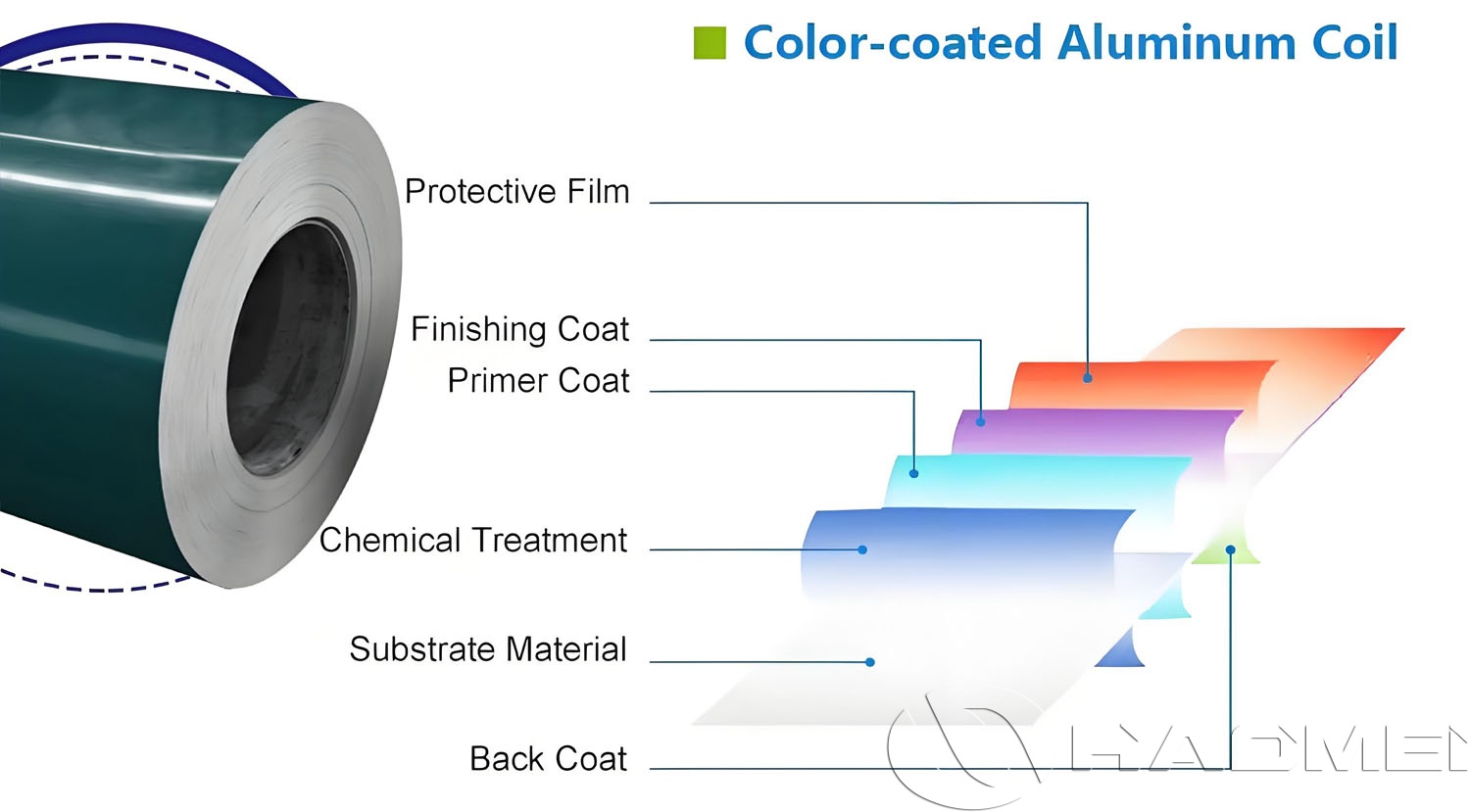
A high gloss PE coating system is typically based on polyester resin applied by continuous coil coating. The finished material is composed of an aluminum substrate, pretreatment layer, primer, and high-gloss polyester topcoat. The pretreatment layer improves coating adhesion and corrosion resistance, while the primer balances flexibility and bonding strength. The topcoat provides color, gloss, surface smoothness, and weathering performance for the intended application environment.
In practical production, gloss is controlled through resin selection, pigment dispersion, coating viscosity, curing temperature, and line speed. A stable curing window is especially important because under-curing may reduce solvent resistance and adhesion, while over-curing can affect flexibility during bending or roll forming.
Core Specifications of High Gloss PE Coated Aluminum Coil
| Specification Item | Common Range or Description |
|---|---|
| Product Name | High Gloss PE Coated Aluminum Coil |
| Base Metal | Aluminum alloy coil |
| Common Alloys | 1050, 1060, 1100, 3003, 3004, 3105, 5005, 5052 |
| Temper | O, H14, H16, H18, H24, H26, H32, depending on alloy and forming demand |
| Thickness | 0.20-3.00 mm, subject to application requirements |
| Width | 30-1600 mm, commonly slit or supplied in full width coils |
| Coating System | PE polyester coating, primer plus topcoat or back coat as required |
| Gloss Level | Typically high gloss, often 70 GU or above depending on color and standard |
| Coating Thickness | Topcoat commonly 15-25 microns; total coating can be customized by system design |
| Color | RAL colors, solid colors, metallic effects, and customized color matching |
| Surface Finish | Smooth high-gloss finish with good leveling and color consistency |
| Typical Applications | Ceilings, wall panels, signage, composite panels, decorative trim, appliance panels |
Commonly Used Alloys and Selection Logic
The performance of High Gloss PE Coated Aluminum Coil depends not only on the coating but also on the base alloy. Different alloys provide different balances of strength, elongation, flatness, corrosion resistance, and forming behavior.
1050 and 1060 aluminum are high-purity aluminum grades with excellent formability and surface quality. They are suitable for decorative panels, lighting components, ceiling strips, and applications where deep drawing or easy forming is required. Their relatively soft mechanical behavior helps reduce cracking risk during bending.
1100 aluminum offers good ductility, corrosion resistance, and a clean surface after rolling. It is widely used in general decorative sheet, signage, and interior panel systems. For applications requiring stable flatness and simple fabrication, 1100 Color Coated Aluminum Coil is a common material choice.
3003 aluminum contains manganese as the main alloying element, giving it higher strength than 1xxx series aluminum while maintaining good workability. It is often used for ceilings, wall panels, roofing accessories, and building decoration parts that require better rigidity after forming.
3004 and 3105 aluminum provide improved strength and good coating compatibility. These alloys are frequently selected for roll-formed panels, curtain wall-related components, and building envelopes where dimensional stability and forming performance must be balanced.
5005 and 5052 aluminum contain magnesium and offer better strength and corrosion resistance. They are suitable for higher-demand decorative panels, exterior trim, transport-related panels, and applications exposed to more complex service environments.
Surface Quality and Visual Performance
The defining feature of High Gloss PE Coated Aluminum Coil is its mirror-like or bright reflective appearance. A uniform high-gloss surface requires strict control of substrate roughness, cleaning quality, coating flow, oven curing, and post-coating handling. Surface defects such as orange peel, pinholes, scratches, roller marks, or color deviation can become more visible under a glossy finish, so production control is more demanding than for many matte coatings.
Color consistency is another key factor. For large-area installation, batch-to-batch color control, gloss tolerance, and coil direction management help maintain a consistent final appearance after cutting, bending, or panel assembly.
Processing Performance
High Gloss PE Coated Aluminum Coil is designed for common downstream processes such as slitting, cut-to-length, bending, punching, roll forming, and lamination. The coating should maintain adhesion during fabrication, while the aluminum substrate provides the required elongation and shape stability.
For tight bending radii, softer tempers such as O or H24 are often preferred. For flat panels or formed components requiring higher rigidity, H14, H16, or H18 may be selected depending on part geometry. The compatibility between coating flexibility and alloy temper is critical for preventing micro-cracking along bend lines.
Application Scenarios
High gloss polyester coated aluminum coil is widely used in interior and semi-exterior decorative applications where appearance, lightweight structure, and processing efficiency are important. Typical uses include aluminum ceilings, wall cladding, advertising boards, store decoration, household appliance panels, garage door panels, shutter components, and composite panel facings.
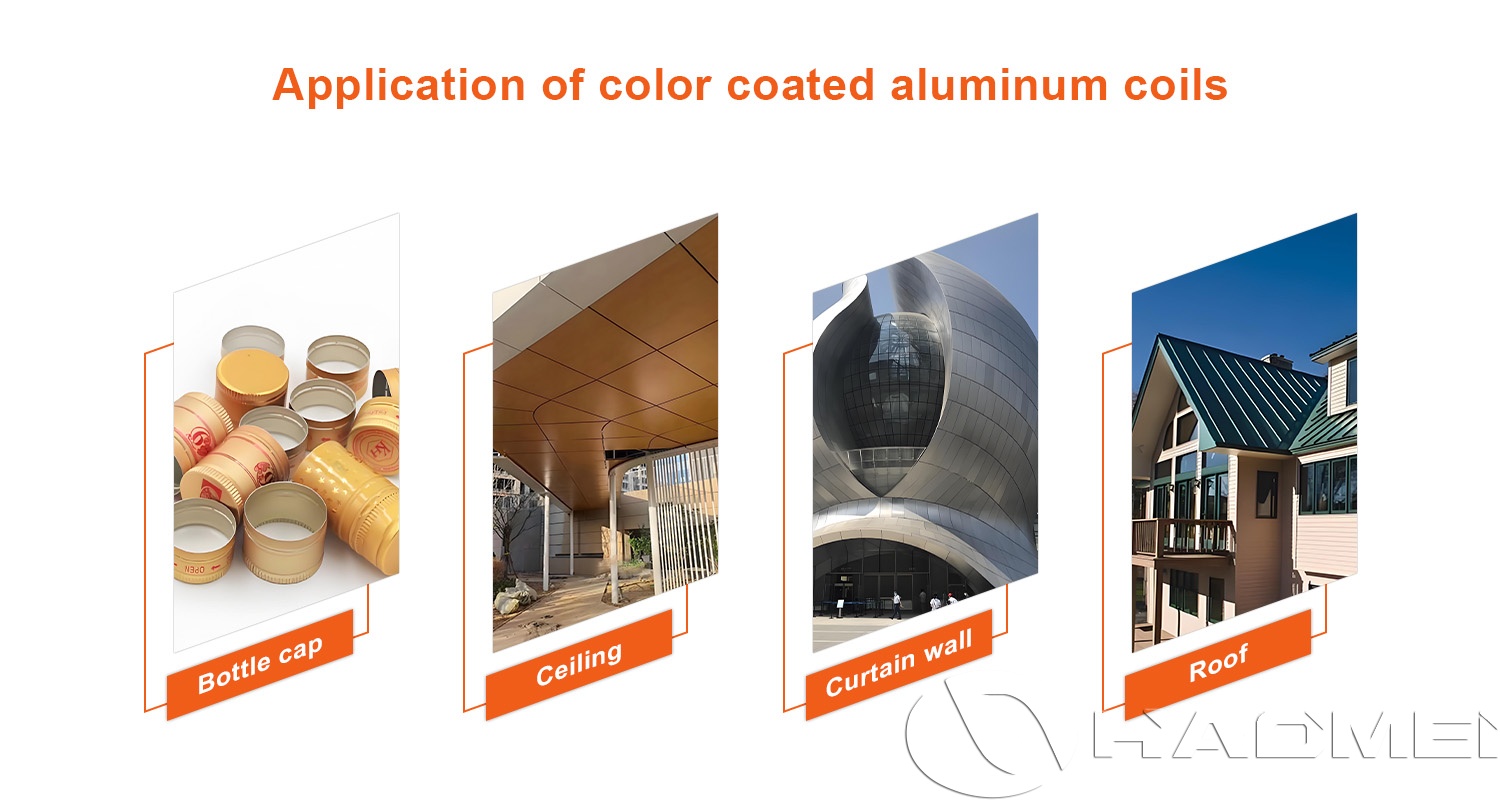
For applications with moderate weather exposure, PE Coated Aluminum Coil provides an economical balance of color richness, surface gloss, and fabrication performance. For severe outdoor exposure or long-term architectural facade use, coating system design usually requires additional evaluation of weatherability, UV resistance, and resin durability.
Manufacturing and Quality Control Focus
Stable high gloss quality depends on a controlled continuous coating process. Key control points include substrate degreasing, chemical pretreatment, primer coating, topcoat application, oven temperature profile, cooling, tension control, and protective film handling when required.
Common performance validation items include coating thickness measurement, gloss testing, color difference evaluation, pencil hardness, T-bend flexibility, impact resistance, cross-cut adhesion, solvent resistance, salt spray testing, and humidity resistance. These tests help verify that the coated coil meets both visual and mechanical requirements before it enters downstream fabrication.
-
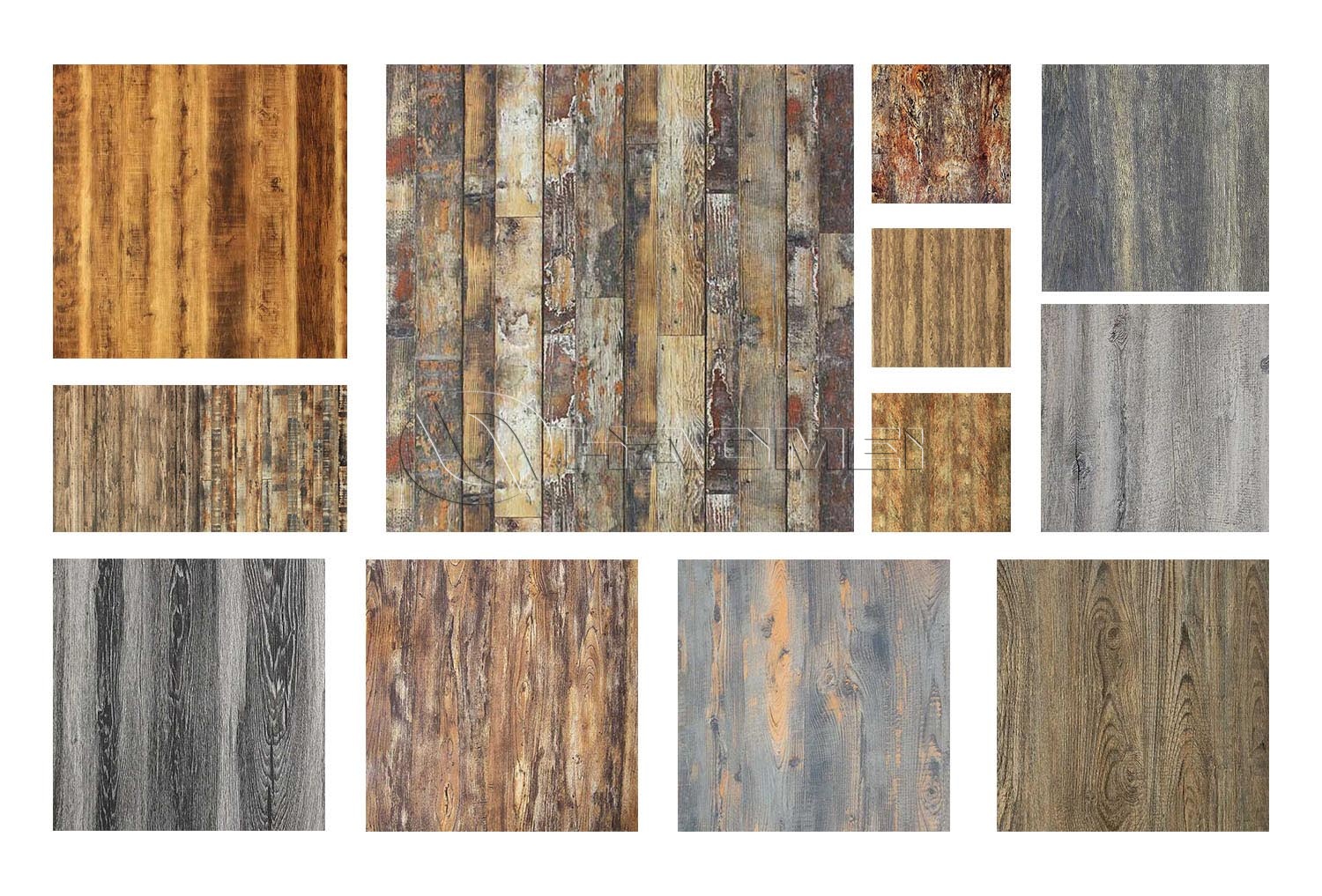
Custom Wood Grain Patterns for Aluminum Coils
Custom wood grain aluminum coil with PE or PVDF coating and transfer printing for stable color, corrosion resistance, and consistent patterns in cladding, ceilings, and shutters.
2026-02-27
-
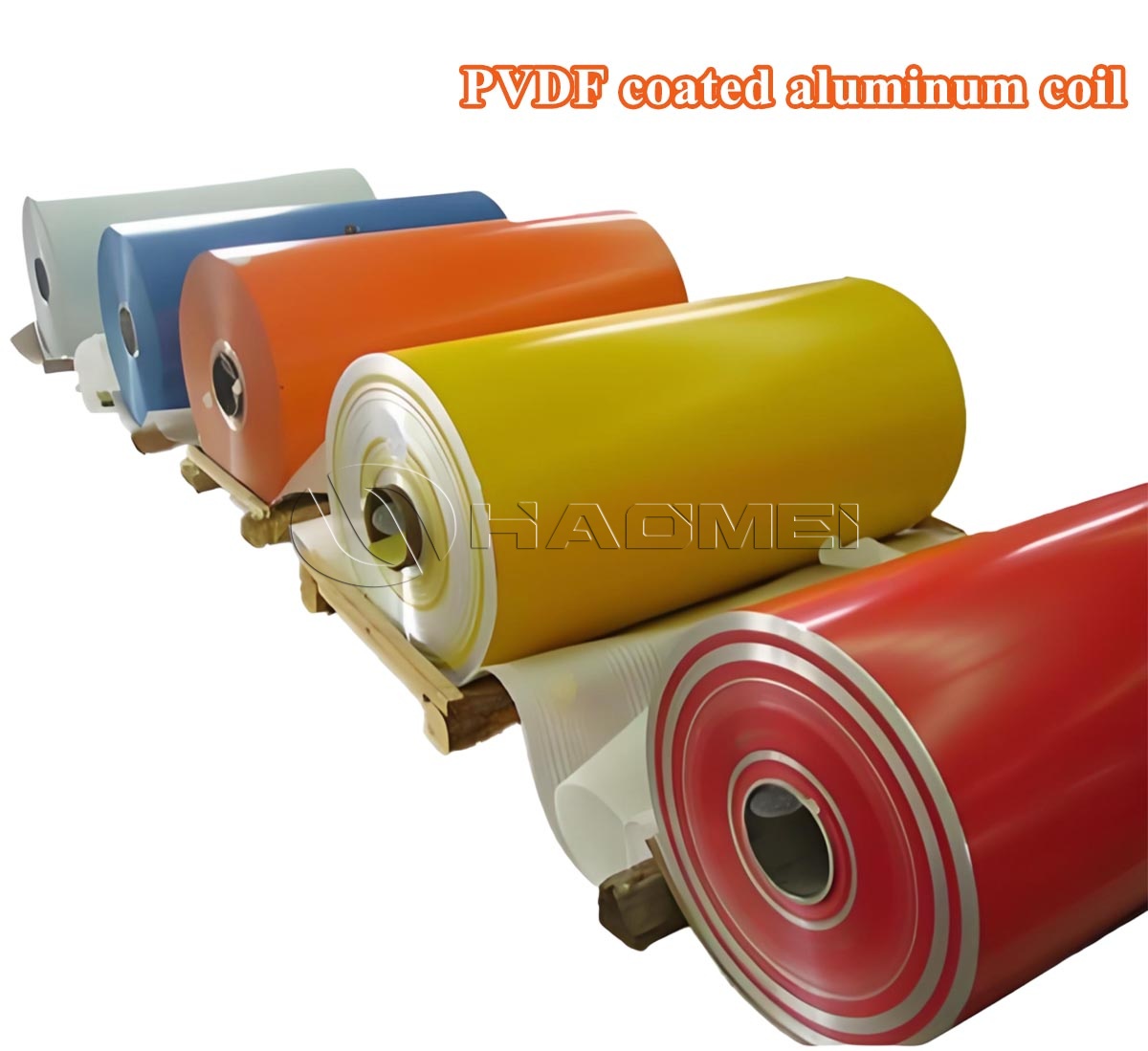
Pvdf Coated Aluminum Coil Coating Lifespan
Learn PVDF coated aluminum coil coating lifespan, fluorocarbon coating systems, coil coating process, and weather resistance performance for façades and roofing.
2026-01-28
-
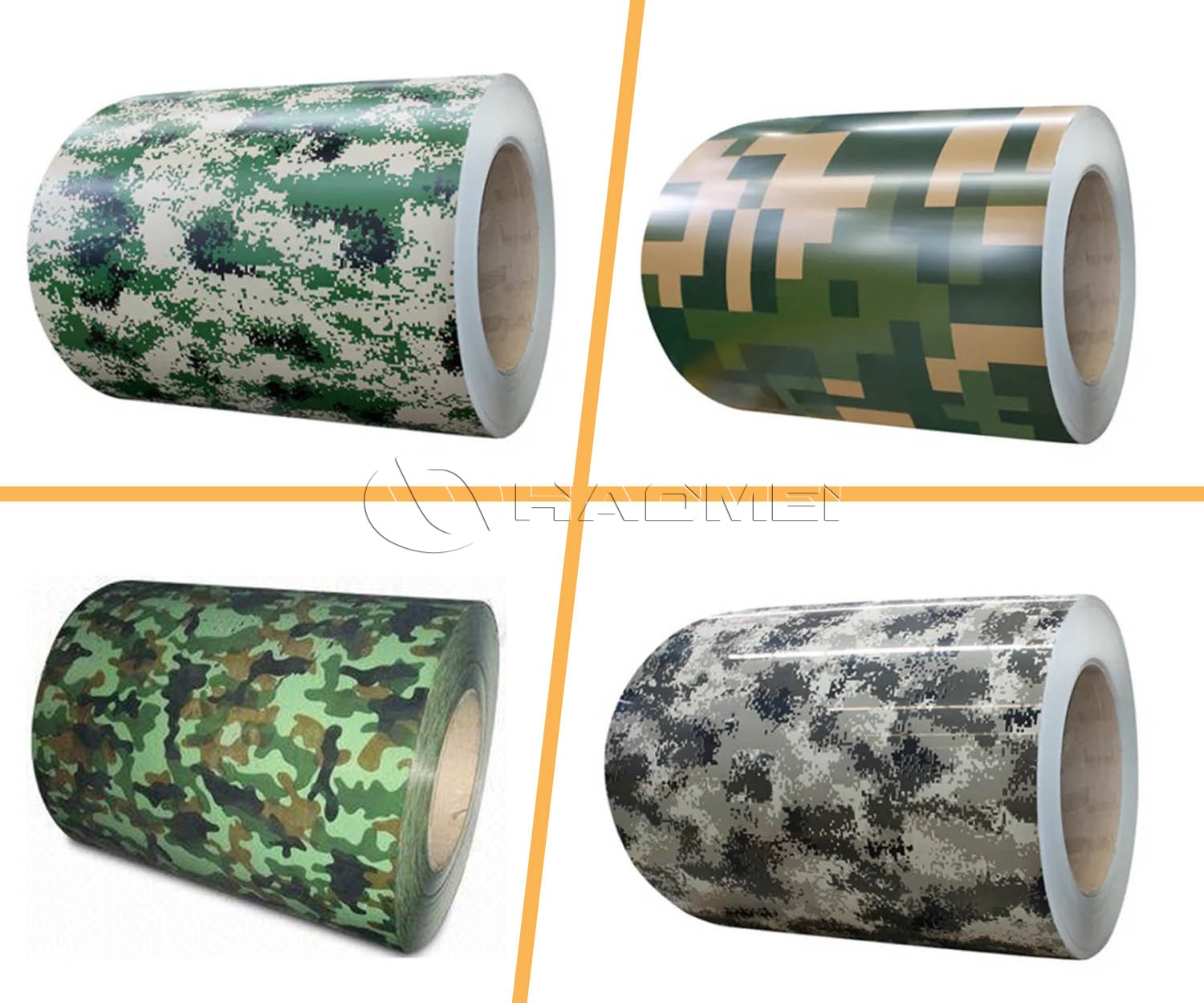
Camouflage Color-Coated Aluminum Coil for Roofing Thickness 0.3mm-1.2mm
Camouflage color-coated aluminum coil for roofing, 0.3mm-1.2mm thick, with PE or PVDF coating, stable alloys, and durable surface patterns.
2026-06-11
Contact Directly
-

ADD: No.14 Waihuan Road, CBD, Zhengzhou, China
-

WhatsApp: +86-18703635966
-

E-MAIL: sales@alummc.com