

News
 By Hermione
High Durability PVDF Coated Aluminum Coil Suppliers
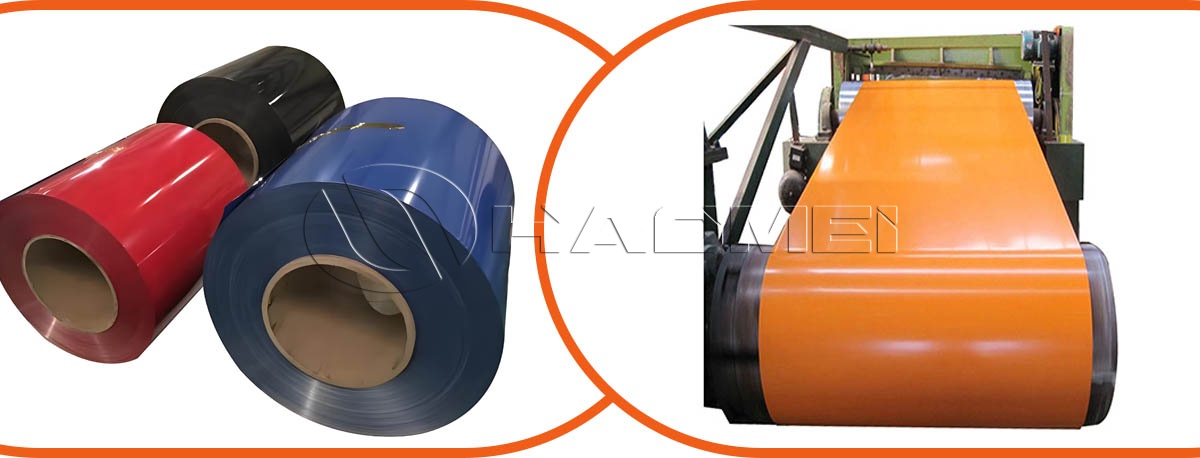
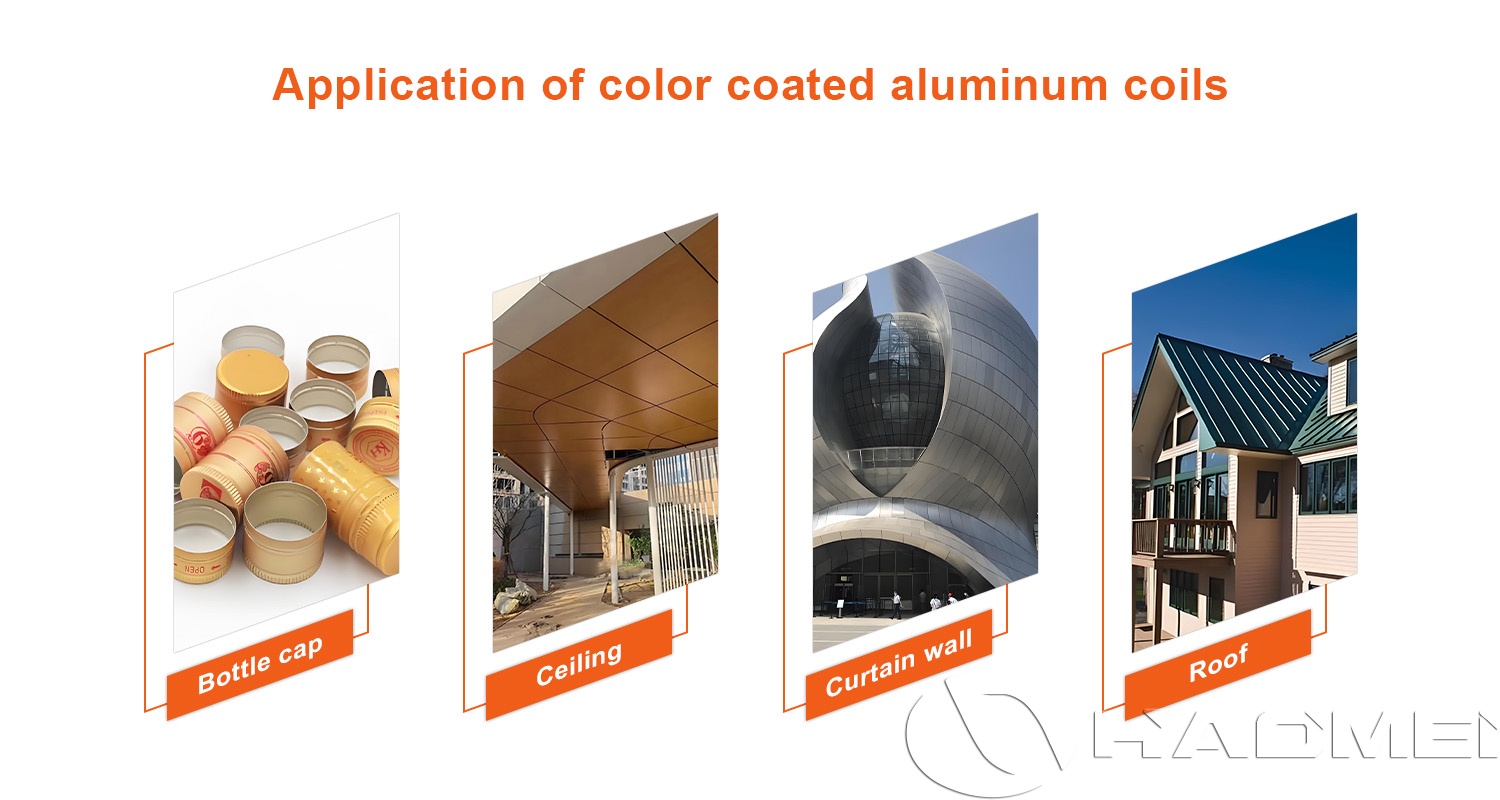
High durability PVDF coated aluminum coil is positioned as a long-life pre-painted aluminum material for architectural envelopes, roofing systems, aluminum composite panels, ceilings, curtain wall panels, roller shutters, and exterior decorative components. Compared with general-purpose polyester-coated coil, PVDF coating is selected where long-term UV resistance, color stability, weatherability, and corrosion protection are critical to the final product performance.
What Defines High Durability PVDF Coated Aluminum Coil
PVDF coating is a fluorocarbon coating system based on polyvinylidene fluoride resin. In industrial coil coating, high durability is not determined by resin alone. It is the result of a complete system that includes aluminum substrate quality, chemical pretreatment, primer compatibility, PVDF topcoat formulation, curing control, and final inspection.
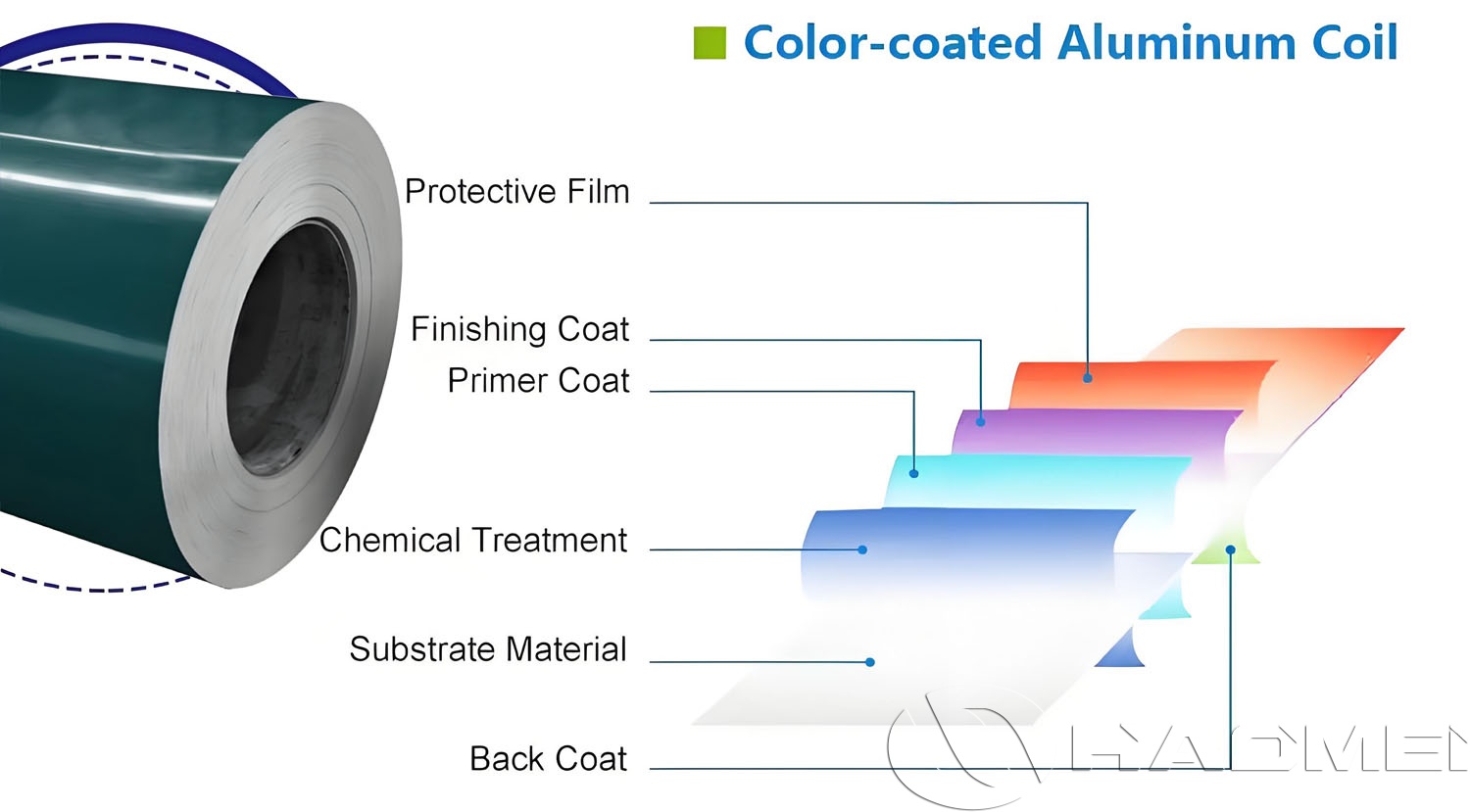
A typical exterior-grade PVDF Coated Aluminum Coil uses a multi-layer structure:
Aluminum substrate with controlled thickness, temper, flatness, and surface cleanliness
Chemical conversion or chrome-free pretreatment layer for adhesion and corrosion resistance
Primer layer to improve bonding and barrier protection
PVDF topcoat to provide weather resistance, color retention, gloss control, and surface durability
Optional back coating for processing protection, bonding, or corrosion resistance
For demanding outdoor use, PVDF coatings are commonly designed with high fluorocarbon resin content, inorganic or high-performance organic pigments, and precisely controlled dry film thickness. This helps maintain stable appearance under sunlight, rain, temperature cycling, and industrial atmosphere exposure.
Core Specifications of PVDF Coated Aluminum Coil
| Core Specification | Typical Range or Description |
|---|---|
| Product type | High durability PVDF coated aluminum coil / fluorocarbon coated aluminum coil |
| Common alloys | 1050, 1060, 1100, 3003, 3004, 3105, 5005, 5052, 5754 |
| Temper | O, H14, H16, H24, H26, H32, H34, depending on forming requirement |
| Thickness | 0.20-3.00 mm, with common architectural ranges from 0.50-1.50 mm |
| Width | Commonly 600-1600 mm, subject to coating line capability |
| Coating system | Primer + PVDF topcoat; optional back coating |
| Top coating thickness | Typically 20-30 μm for exterior PVDF systems |
| Back coating thickness | Typically 5-15 μm, adjusted by application |
| Gloss | Matte, low gloss, medium gloss, or customized gloss range |
| Color system | Solid color, metallic color, stone pattern, wood grain, and custom shades |
| Surface finish | Smooth, embossed, textured, or patterned coating surface |
| Key performance | Weather resistance, UV resistance, adhesion, flexibility, corrosion resistance |
| Common applications | Facade panels, roofing, ACP, curtain walls, ceilings, gutters, shutters |
Commonly Used Alloys and Material Selection
The alloy selection affects formability, strength, corrosion resistance, panel flatness, and downstream processing. Reliable color coated aluminum coil suppliers usually match the coating system with the correct aluminum alloy rather than treating all substrates as interchangeable.
1000 Series: 1050, 1060, 1100
1000 series aluminum has high aluminum purity, excellent corrosion resistance, good workability, and stable coating compatibility. It is commonly used for ceiling panels, interior decoration, signage, lighting components, and general sheet metal products.
1100 aluminum is widely used when better formability is required. It can be supplied in O, H14, and other tempers according to stamping, bending, or roll forming conditions. For decorative and light-gauge applications, 1100 Color Coated Aluminum Coil provides a balance of ductility, surface quality, and coating consistency.
3000 Series: 3003, 3004, 3105
3000 series aluminum contains manganese as the main alloying element. It offers higher strength than 1000 series while maintaining good corrosion resistance and formability. 3003 is common for building panels, roofing accessories, gutters, and general architectural sheets. 3004 and 3105 are often selected for roofing, siding, and façade products where improved strength and shape stability are required.
For continuous roll forming or large panel fabrication, 3000 series substrates help reduce deformation risk while maintaining good coating adhesion and bending performance.
5000 Series: 5005, 5052, 5754
5000 series aluminum contains magnesium and provides higher mechanical strength, good corrosion resistance, and excellent performance in marine or industrial atmospheres. 5005 is often used for architectural façade panels and curtain wall cladding where surface appearance and anodizing-like flatness are valued. 5052 and 5754 are selected for applications requiring higher strength, better dent resistance, or improved corrosion performance.
For high durability exterior projects, 5000 series PVDF coated coil is suitable for façade systems, exterior decorative panels, transportation components, and environments where both coating durability and substrate strength are important.
Coating System Design for Long-Term Outdoor Performance
The coating formulation must be designed according to the service environment. A high quality PVDF system generally focuses on the following technical points:
Weatherability: PVDF resin has strong resistance to ultraviolet degradation, helping the coating retain color and gloss over long exposure periods.
Pigment stability: Inorganic pigments and durable effect pigments reduce fading, chalking, and discoloration.
Coating flexibility: The film must withstand bending, roll forming, punching, and panel fabrication without cracking.
Adhesion: Primer and pretreatment must work together to prevent delamination during forming and service.
Corrosion resistance: The total coating system forms a barrier against moisture, salt spray, pollutants, and alkaline or acidic atmospheric conditions.
Surface consistency: Color difference, gloss variation, and coating defects must be controlled across coil batches.
Metallic PVDF finishes require additional control because aluminum flakes or pearlescent pigments can create directional color differences if coating viscosity, line speed, film thickness, and curing temperature are not stable.
Manufacturing Process Control
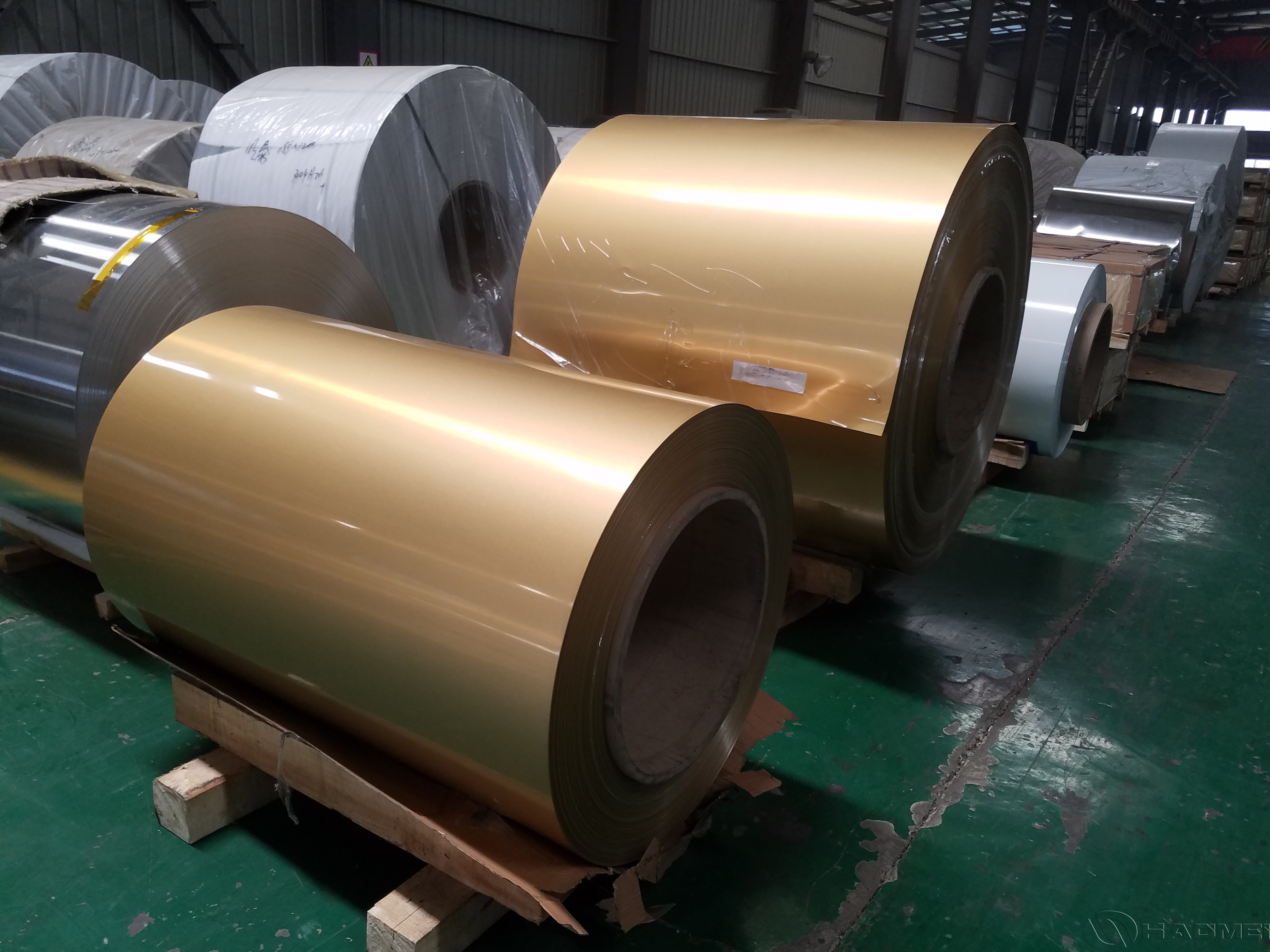
A durable PVDF coated aluminum coil depends on repeatable coil coating process control. The main process generally includes substrate inspection, cleaning, chemical pretreatment, primer coating, primer curing, PVDF top coating, final curing, cooling, inspection, and recoiling.
Key process control items include:
Degreasing efficiency to remove rolling oil, oxide residues, and contaminants
Pretreatment coating weight and uniformity
Primer wet film and dry film thickness
PVDF topcoat viscosity, color consistency, and coating weight
Oven temperature profile and peak metal temperature
Coil tension control to maintain flatness and avoid surface marks
Online inspection for pinholes, scratches, particles, color deviation, and gloss variation
In high-volume production, the stability of the coating line is as important as the paint formulation. Inconsistent curing can cause poor solvent resistance, reduced adhesion, unstable gloss, or premature coating degradation.
Performance Validation and Quality Testing
High durability PVDF coated aluminum coil is usually tested before shipment and during production qualification. Common inspection and validation items include:
Coating thickness measurement by magnetic or eddy current method
Color difference measurement using colorimeter or spectrophotometer
Gloss measurement at specified angle
Pencil hardness testing
T-bend flexibility test
Cross-cut adhesion test
MEK solvent rub resistance
Impact resistance test
Salt spray resistance test
Humidity resistance test
Accelerated weathering test
Boiling water resistance test when required
For exterior architectural applications, color consistency and weathering performance are especially important. Testing should reflect the intended end-use environment, including coastal areas, high UV regions, industrial zones, and locations with large temperature changes.
Application Matching by End Use
PVDF coated aluminum coil is used across multiple architectural and industrial products. The final specification is usually adjusted by forming method, required panel stiffness, exposure level, and design appearance.
| Application | Typical Material Considerations |
|---|---|
| Aluminum composite panel | 3003, 5005, or 1100 with stable PVDF coating and tight color control |
| Curtain wall and façade panel | 3003, 5005, 5052, or 5754 with high weather resistance and good flatness |
| Roofing and wall cladding | 3004, 3105, or 3003 with strong corrosion resistance and roll forming flexibility |
| Ceiling and interior panel | 1100, 1060, or 3003 with smooth surface and consistent color |
| Gutter and drainage system | 3003 or 3105 with good forming performance and moisture resistance |
| Roller shutter and exterior trim | 3003, 3105, or 5052 with scratch resistance and bending performance |
-
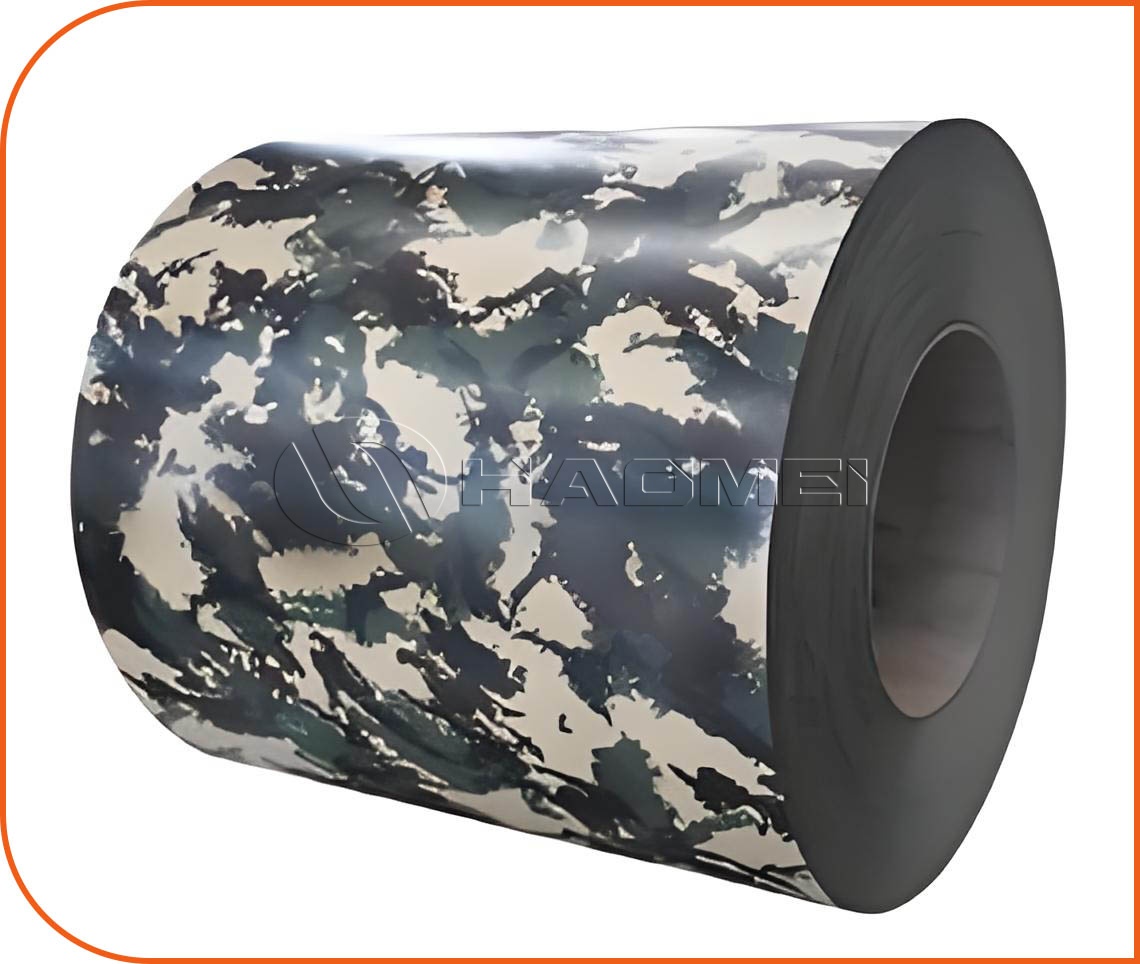
Service Life of Camouflage-Coated Aluminum Coils
Explore camouflage-coated aluminum coil service life, PVDF and PE coating systems, common alloys, core specifications, and outdoor durability factors.
2026-06-29
-
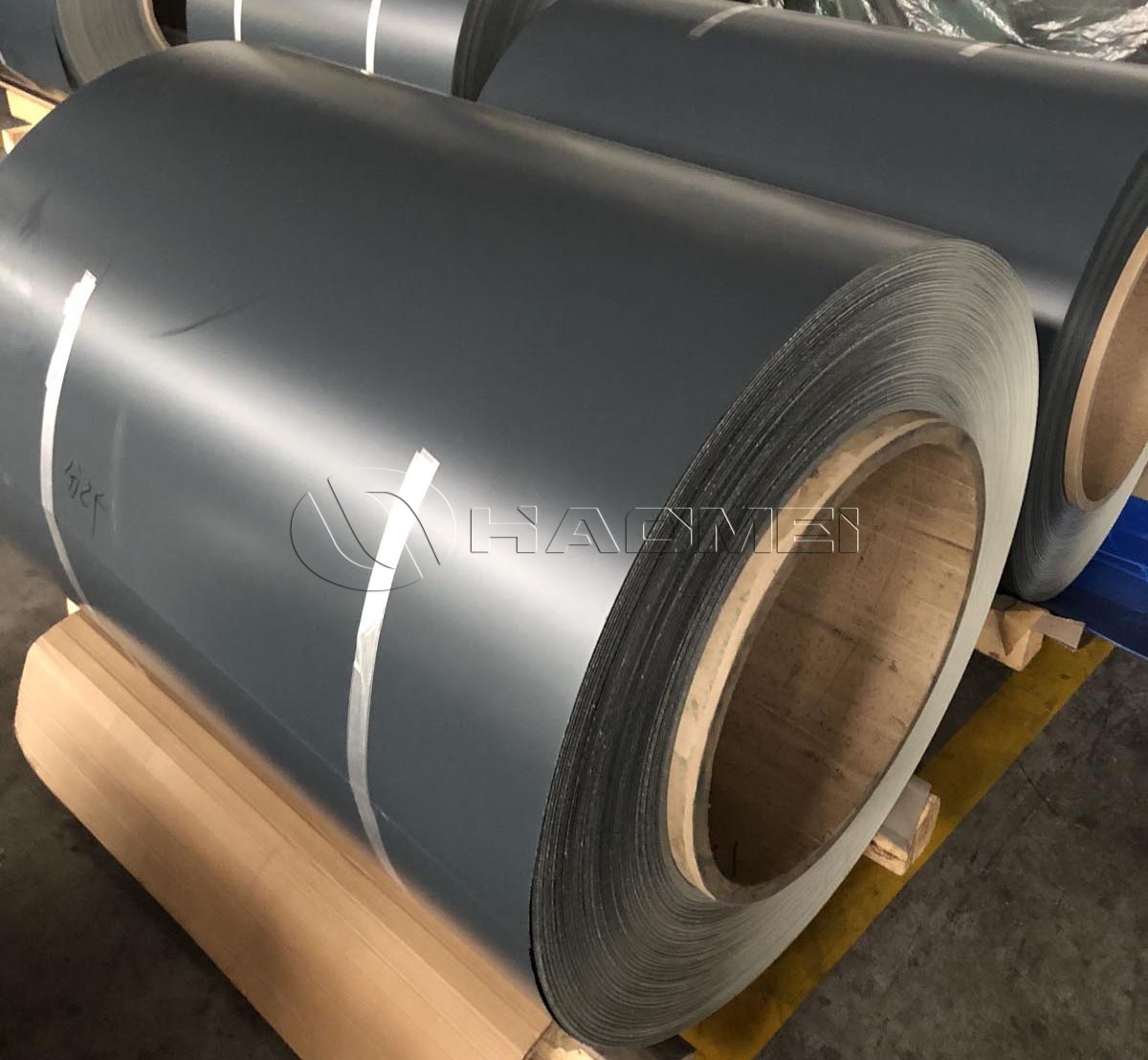
5052 H34 Color Coated Aluminum Coil Inventory
5052 H34 color coated aluminum coil with PVDF or PE finishes, marine-grade corrosion resistance, stable formability, and specs for facade, roofing and trim.
2026-01-21
-
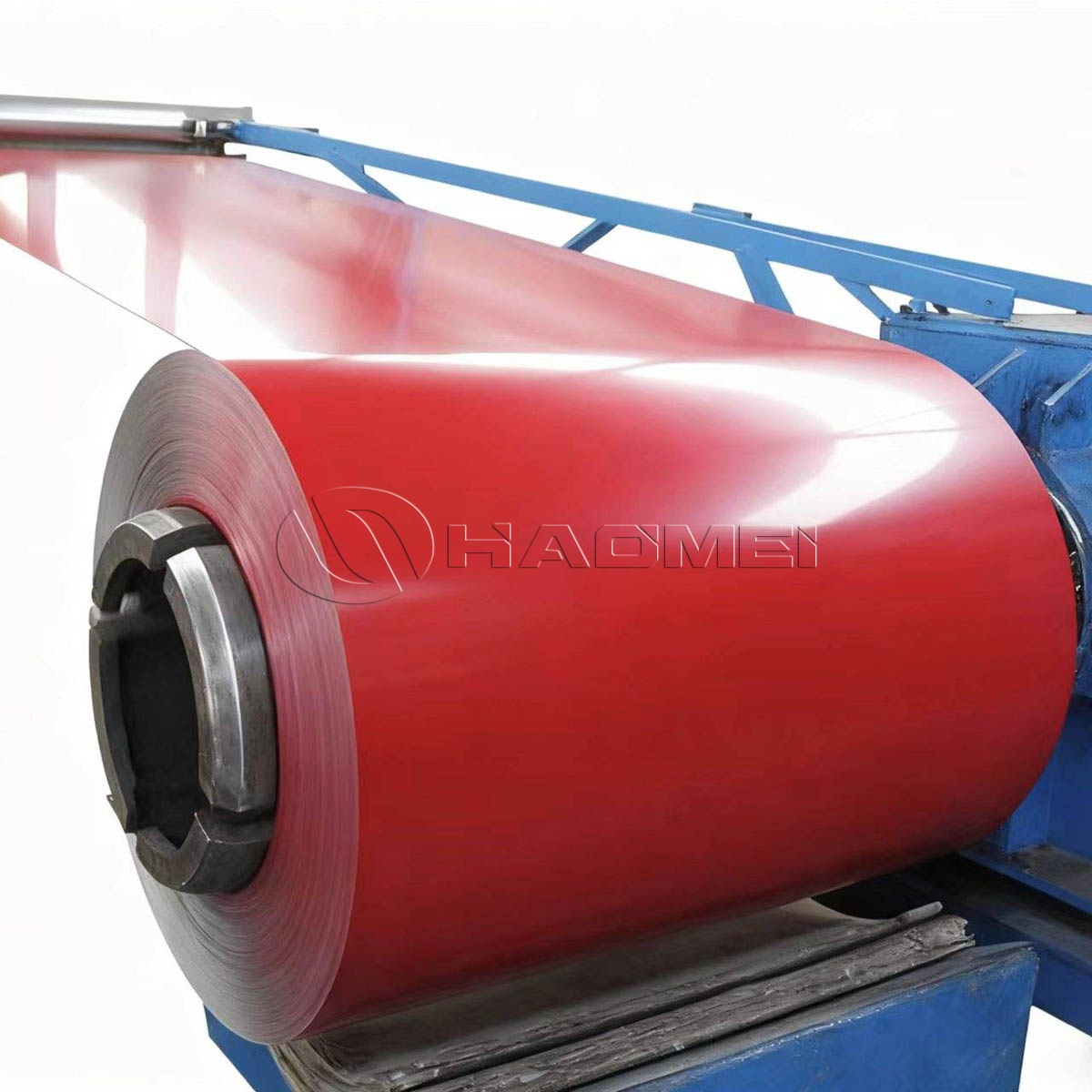
Double Layer Pvdf Coated Aluminum Coil Price
Learn how double layer PVDF coated aluminum coil price is shaped by alloy choice, PVDF coating system design, and coil coating process for long-life architectural cladding.
2026-02-06
Contact Directly
-

ADD: No.14 Waihuan Road, CBD, Zhengzhou, China
-

WhatsApp: +86-18703635966
-

E-MAIL: sales@alummc.com