

News
 By Hermione
Matte Finish 3105 Color Coated Aluminum Coil
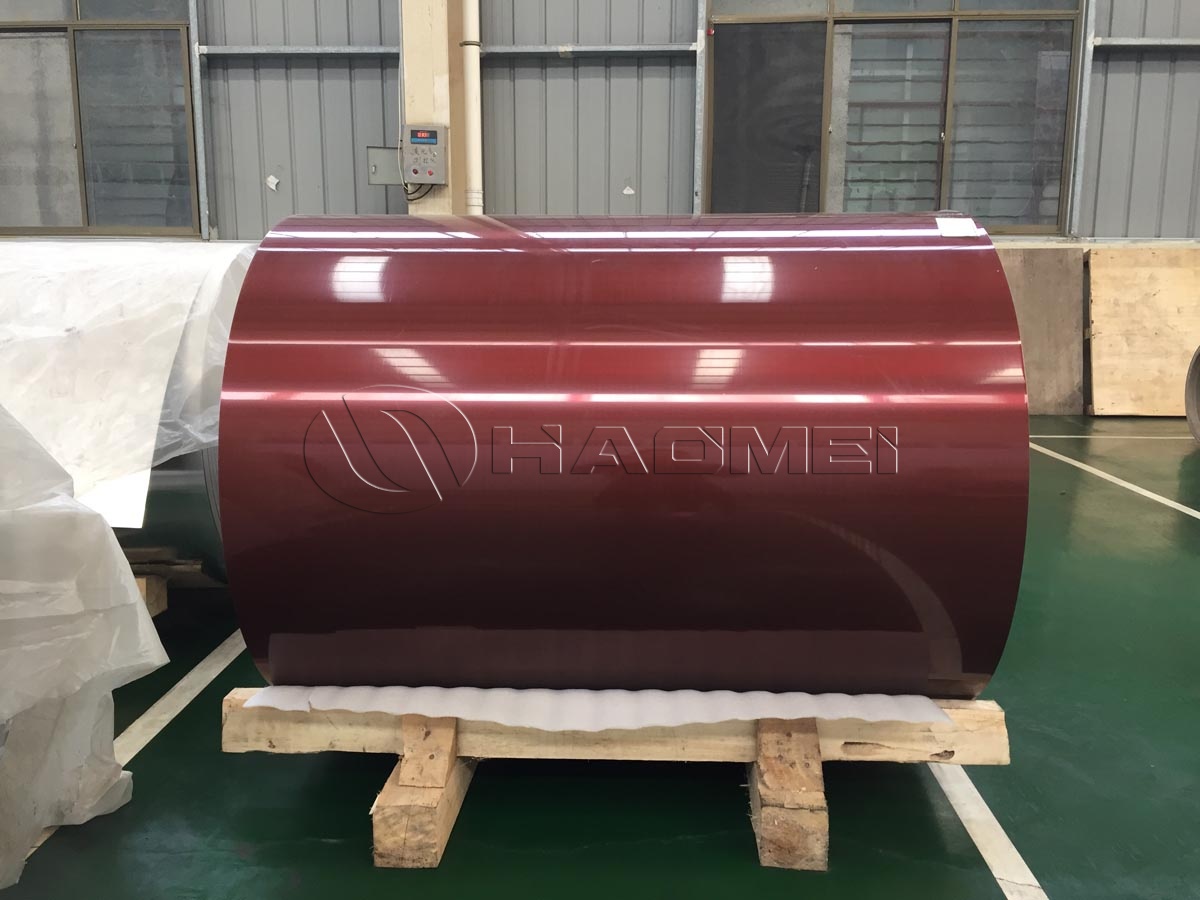
Matte Finish 3105 Color Coated Aluminum Coil is a pre-painted aluminum material designed for architectural and industrial components that require a refined, low-reflectance surface. It combines the balanced strength and formability of 3105 aluminum alloy with a durable matte coating system, making it suitable for roofing, wall cladding, ceiling panels, fascia, rainwater systems, shutters, appliance panels, and decorative trim.
Product Positioning and Surface Characteristics
Unlike glossy pre-painted aluminum, matte coated aluminum reduces visible reflections and gives panels a softer, more uniform appearance under daylight and interior lighting. This finish is widely used where visual comfort, contemporary architectural styling, and reduced glare are important.
The matte effect is created through controlled paint formulation, pigment selection, and curing conditions during coil coating. Surface gloss is commonly specified at approximately 5-30 gloss units at a 60-degree measurement angle, depending on the selected color, coating chemistry, and visual target. Dark colors, metallic shades, and textured matte finishes may have different gloss tolerances because of their distinct optical behavior.
3105 color coated aluminum coil is supplied with a continuous coating film on the face side and a protective back coat on the reverse side. The coated coil can be processed by roll forming, bending, stamping, slitting, and panel fabrication within the limits of the selected temper and coating system.
Core Specifications of Matte Finish 3105 Color Coated Aluminum Coil
| Specification Item | Typical Range or Option |
|---|---|
| Base alloy | AA 3105 aluminum alloy |
| Common tempers | H14, H16, H18, H24, H26 |
| Thickness | 0.20-1.20 mm |
| Width | 600-1,600 mm |
| Coil weight | Customizable according to processing and transport requirements |
| Coil inner diameter | 405 mm, 508 mm, or 610 mm |
| Surface finish | Matte, low-gloss, fine textured matte, smooth matte |
| Gloss level | Typically 5-30 GU at 60 degrees |
| Front coating | PE, SMP, HDP, or PVDF coating system |
| Back coating | Epoxy polyester or polyester back coat |
| Front coating thickness | Commonly 15-35 μm, depending on coating system |
| Color options | RAL, Pantone, custom colors, metallic colors, and matched samples |
| Typical applications | Roofing, facades, ceilings, gutters, shutters, trim, and appliance panels |
Why 3105 Aluminum Alloy Is Used
3105 is an aluminum-manganese-magnesium alloy commonly selected for color coated coil products. Compared with 1xxx series aluminum, it provides higher strength while maintaining reliable forming performance. Its composition supports practical resistance to atmospheric corrosion, making it suitable for coated building materials and fabricated sheet components.
For matte finish products, the alloy must provide stable flatness and controlled mechanical properties because uneven substrate quality can affect the final appearance after coating and forming. 3105 aluminum coil offers an effective balance of stiffness, bendability, and surface quality for roll-formed profiles and flat architectural panels.
Common alloy comparisons include:
3105 aluminum alloy: A balanced option for roofing sheets, wall panels, gutters, ceiling systems, and general architectural profiles requiring moderate strength and good formability.
3003 aluminum alloy: Similar in many applications, with manganese as the principal strengthening element. It is often used for general sheet products and formed components.
3004 aluminum alloy: Provides higher strength than 3105 in many tempers and is suitable for applications requiring improved structural performance or deeper forming capability.
5052 aluminum alloy: Offers stronger corrosion resistance and higher strength, particularly for more demanding humid, marine, or industrial environments. It is generally selected when the service environment requires a more robust substrate.
For standard building-envelope applications, 3105 Color Coated Aluminum Coil provides a practical combination of processing efficiency, coating compatibility, and mechanical performance.
Coating Systems for Matte Surfaces
The coating system is a key factor in determining weatherability, color retention, film flexibility, and long-term surface appearance. Matte paints require especially careful formulation because gloss control must be achieved without compromising adhesion, hardness, or outdoor durability.
PE Matte Coating
Polyester, or PE, coatings are commonly used for interior panels, ceiling systems, sheltered applications, and general-use building products. A matte PE finish provides a uniform low-gloss appearance with good workability and cost efficiency. The coating film can be formulated in a wide range of solid colors, including black, white, gray, beige, green, blue, and custom shades.
PE Coated Aluminum Coil is generally suitable where moderate weather resistance and decorative performance are required.
PVDF Matte Coating
PVDF coating systems are used for exterior architectural surfaces exposed to sunlight, rain, temperature cycling, and urban or industrial atmospheres. A matte PVDF coating provides stronger resistance to ultraviolet degradation, chalking, fading, and environmental exposure than conventional polyester systems.
Matte PVDF finishes are often specified for premium exterior facades, standing-seam roofs, curtain wall elements, soffits, and high-visibility cladding. The final performance depends on film build, resin quality, pigment type, curing control, and the local exposure environment.
Coil Coating Structure
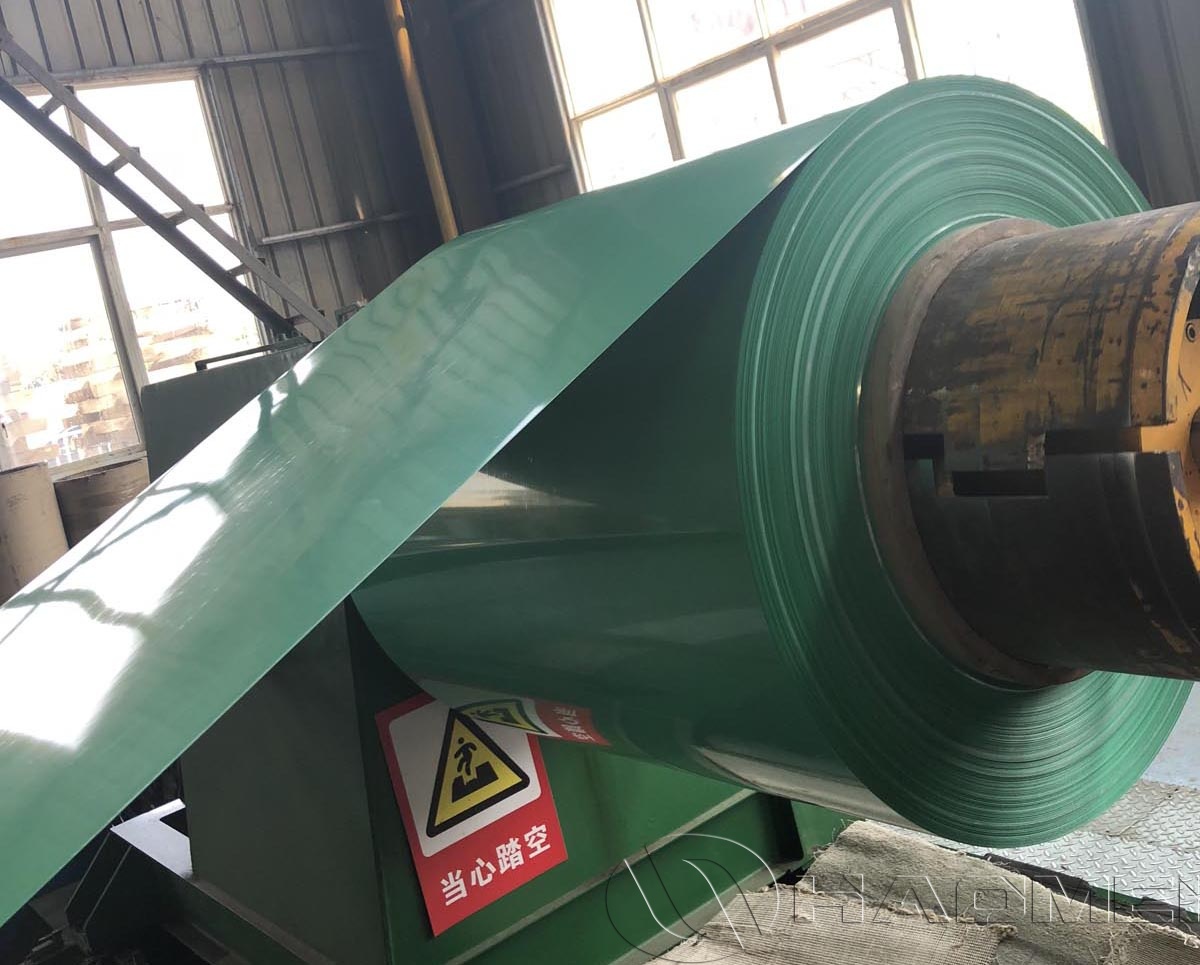
A typical matte finish 3105 color coated aluminum coil has a multilayer structure designed to protect the aluminum substrate and provide a stable decorative surface:
Aluminum substrate, typically 3105 alloy.
Chemical pretreatment layer to improve corrosion resistance and coating adhesion.
Primer coat that supports bonding and enhances coating-system durability.
Matte topcoat that provides color, low-gloss appearance, and weather protection.
Back coat on the reverse side for handling protection and basic corrosion resistance.
Pretreatment quality is particularly important. Proper cleaning and conversion treatment remove surface contaminants and provide a stable interface between the aluminum substrate and the organic coating layers. This helps maintain adhesion during bending, roll forming, temperature change, and long-term exposure.
Processing Performance
Matte 3105 coated aluminum coil can be converted into panels and profiles by slitting, roll forming, press braking, stamping, and bending. Processing conditions should be aligned with coil thickness, alloy temper, coating type, bend radius, and profile geometry.
The H14 and H16 tempers are commonly used when a balance between rigidity and forming capability is required. Harder tempers such as H18 can provide increased stiffness for certain flat-panel or roll-formed products, while softer or partially annealed tempers may be selected for more demanding bends.
During fabrication, protective film can be applied when needed to reduce handling marks and surface abrasion. For matte surfaces, consistent handling is important because excessive friction, oil contamination, or localized pressure may create visible differences in surface appearance.
Typical Applications
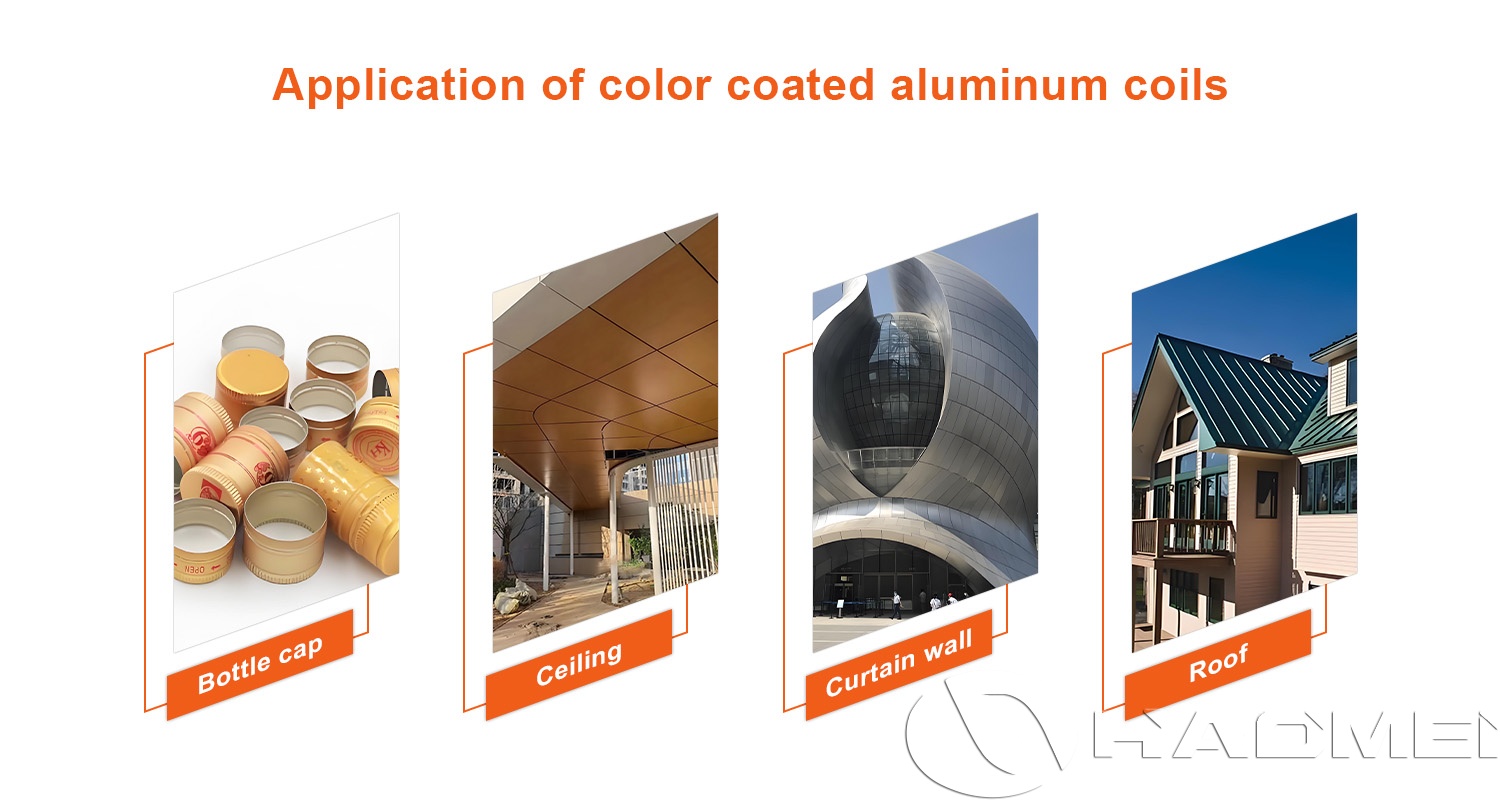
Matte finish 3105 color coated aluminum coil is used in a variety of building and industrial applications, including:
Roofing sheets and standing-seam roof panels
Exterior wall cladding and facade cassette panels
Ceiling panels, soffits, and suspended ceiling systems
Rain gutters, downspouts, fascia, and flashing
Roller shutter door profiles and garage door components
Insulated sandwich-panel skins
Window and door trim profiles
Appliance housings and decorative equipment panels
Interior wall panels and commercial display systems
Quality Control Considerations
The performance of matte pre-painted aluminum depends on both the substrate and the coating process. Key quality-control items commonly include coating thickness, color consistency, gloss level, adhesion, hardness, flexibility, impact resistance, bend performance, and surface cleanliness.
Color and gloss are evaluated against approved standards or samples under controlled lighting conditions. Because matte finishes scatter light differently from glossy surfaces, visual evaluation should consider viewing angle, panel orientation, and lot-to-lot consistency. Coils intended for the same visible installation area are typically controlled for color and gloss uniformity.
Coating adhesion is commonly assessed by cross-hatch testing, while flexibility can be evaluated through T-bend testing. Additional testing may include solvent resistance, boiling-water resistance, salt spray performance, humidity resistance, and accelerated weathering according to the specified coating system and application environment.
-
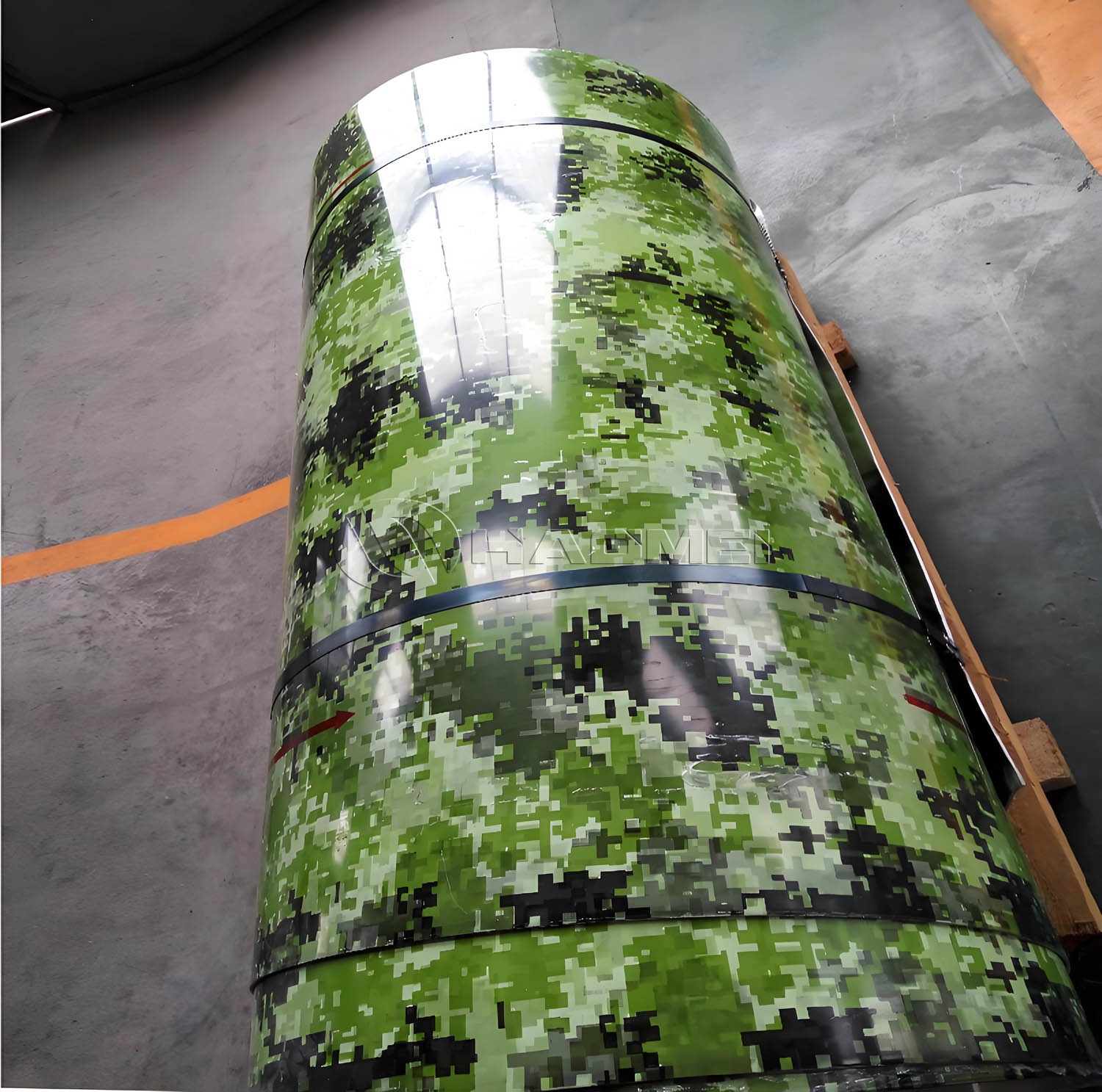
PVDF Camouflage-Coated Aluminum Coils
Explore PVDF camouflage-coated aluminum coils, covering alloys, coating structure, specifications, and exterior use in roofing, facades, and equipment panels.
2026-06-26
-
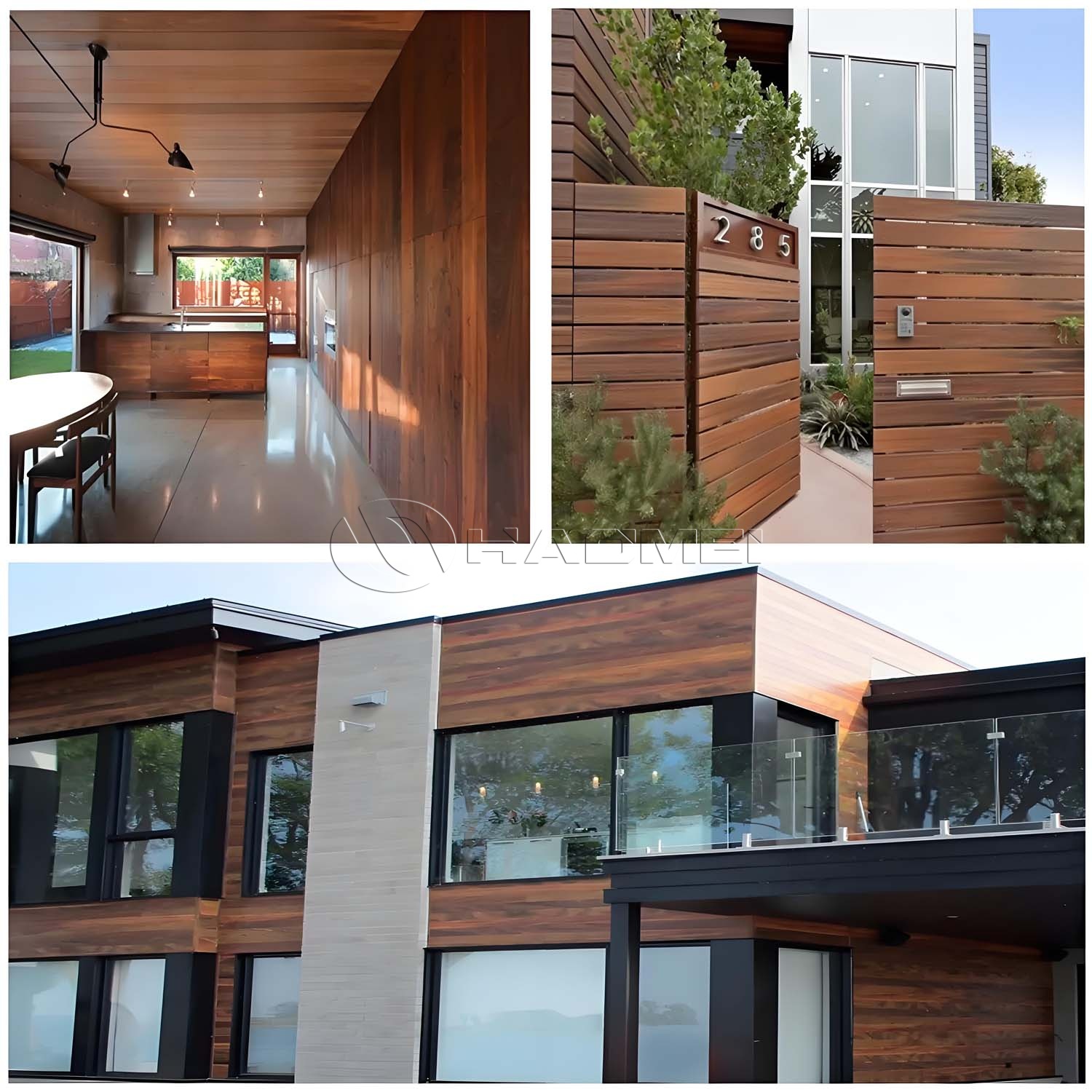
Wood Grain Aluminum Coil for Fence Panels
Wood grain aluminum coil for fence panels combines durable PE or PVDF coatings, realistic timber patterns, and corrosion resistance for exterior fencing systems
2026-07-20
-
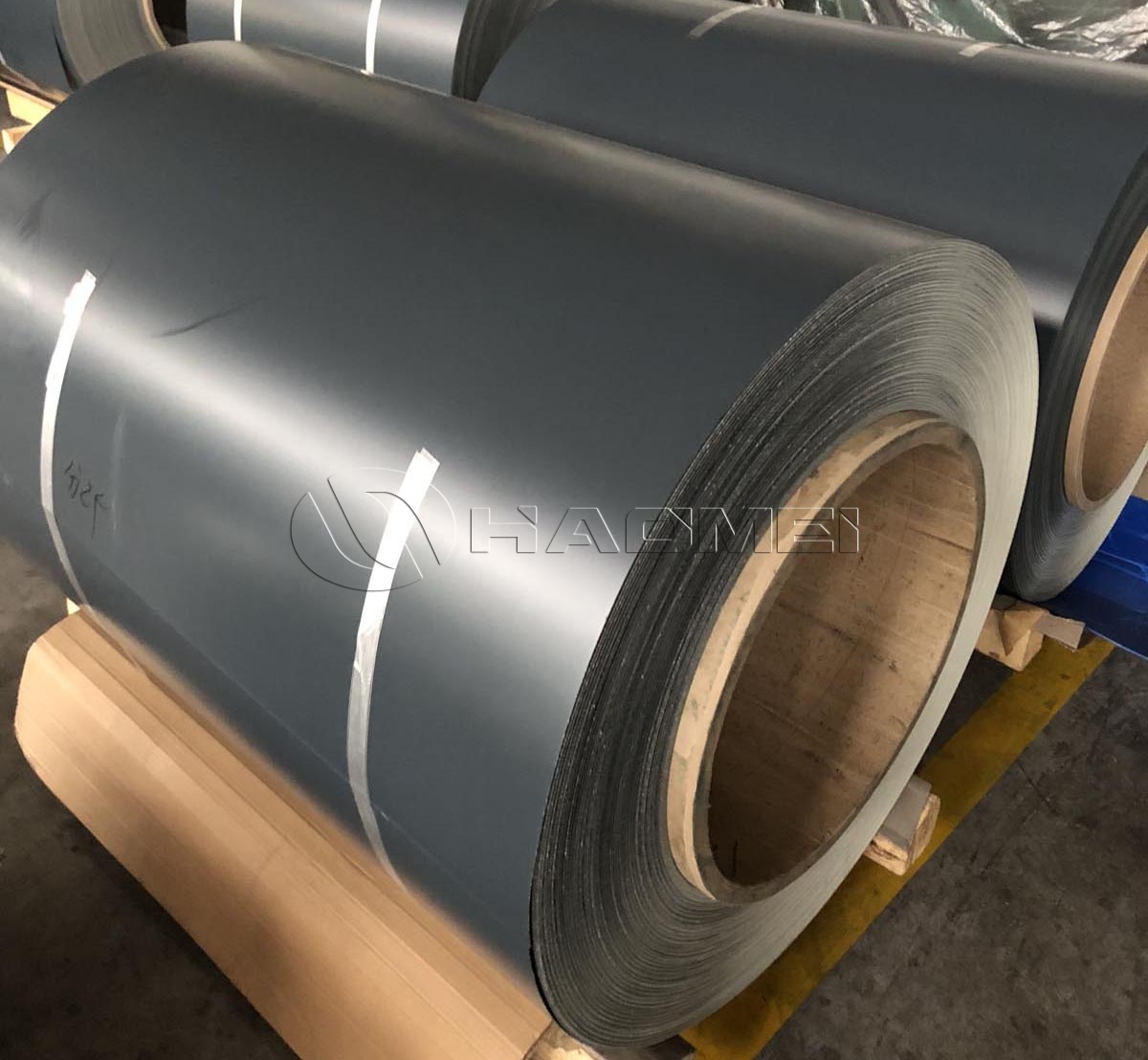
Fire-Resistant 3003 PVDF Color-Coated Aluminum Coil
Fire-resistant 3003 PVDF color-coated aluminum coil for facades, roofing, and ceilings, covering alloy selection, coating specs, and performance data.
2026-04-28
Contact Directly
-

ADD: No.14 Waihuan Road, CBD, Zhengzhou, China
-

WhatsApp: +86-18703635966
-

E-MAIL: sales@alummc.com