


News
 By Hermione
Is PVDF Coated Aluminum Coil Good for Exterior Use?
Is PVDF Coated Aluminum Coil Good for Exterior Use?
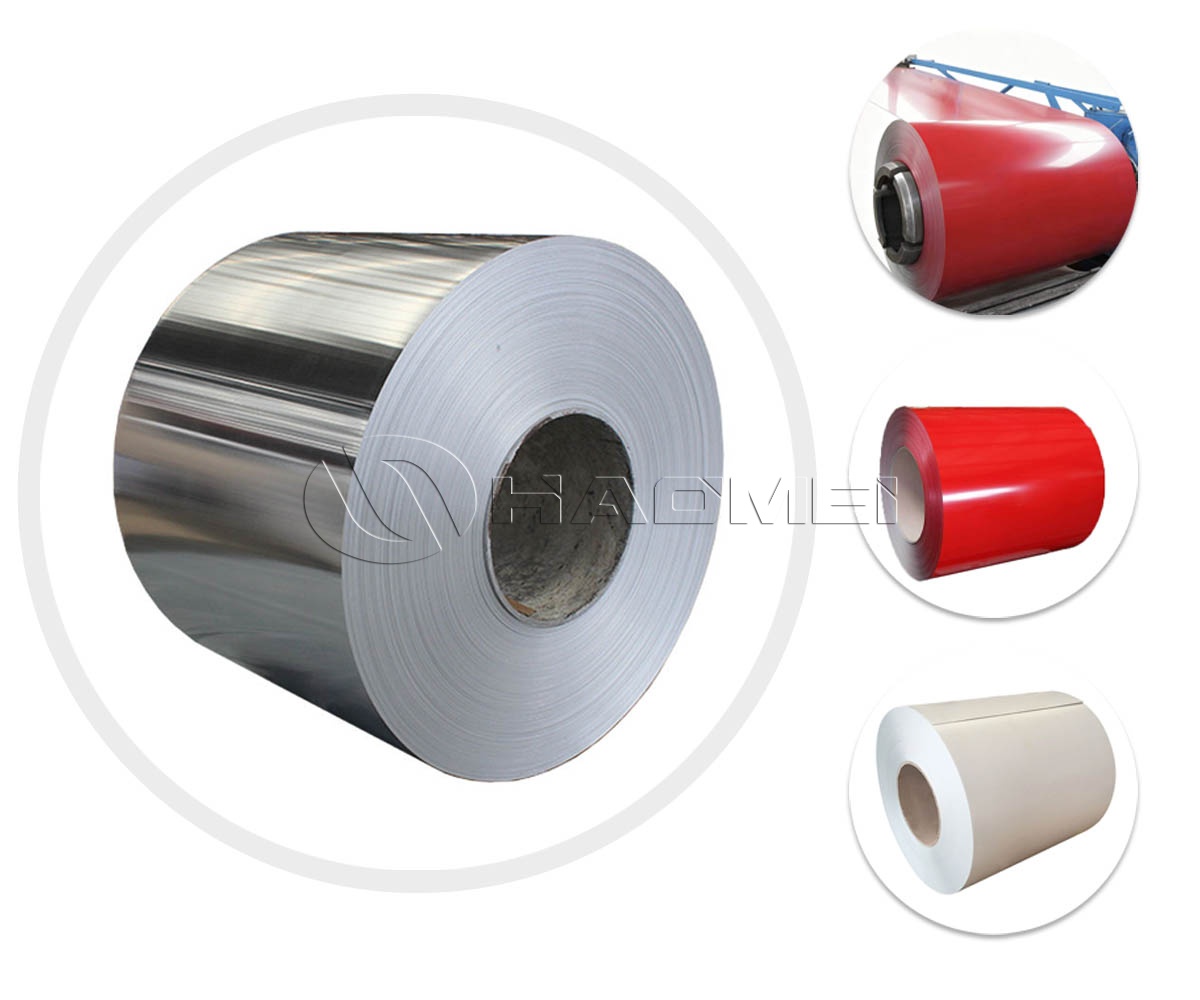
PVDF coated aluminum coil is widely used for exterior architectural applications where long-term color stability, weather resistance, and surface durability are important. It is commonly processed into curtain wall panels, façade cladding, roofing sheets, soffits, fascia, gutters, shutters, ceiling systems, and decorative trim. Compared with standard PE-coated material, PVDF aluminum coil is designed to maintain its appearance more effectively under ultraviolet radiation, rain, temperature cycling, and urban atmospheric exposure.
Why PVDF Coating Performs Well Outdoors
PVDF, or polyvinylidene fluoride, is a fluoropolymer coating system used for high-performance architectural coil coating. In exterior-grade systems, the coating commonly contains approximately 70% PVDF resin in the resin component. This fluoropolymer structure provides strong chemical stability and helps the coating resist degradation caused by sunlight and weathering.
The principal exterior-use advantages include:
UV resistance: PVDF coatings retain color and gloss better than conventional polyester coatings during long-term sun exposure.
Weather resistance: The coating withstands rain, moisture, heat, cold, and repeated thermal expansion and contraction.
Corrosion protection: A properly prepared and coated aluminum substrate is protected from atmospheric moisture and many common pollutants.
Chalking resistance: PVDF coatings slow the formation of a powdery surface layer caused by ultraviolet degradation.
Chemical resistance: The finish offers good resistance to many urban and industrial contaminants.
Surface cleanliness: Smooth PVDF surfaces can reduce dirt adhesion and support easier rain-washing in suitable façade designs.
For demanding building envelopes, PVDF Coated Aluminum Coil provides a durable pre-painted material option that combines aluminum's low weight with a high-performance organic finish.
Coil Coating Structure and Its Role in Exterior Durability
Exterior performance depends on the complete coating system rather than the topcoat alone. Pre-painted aluminum coil is manufactured through a continuous coil-coating process, allowing controlled cleaning, chemical treatment, primer application, topcoat application, and thermal curing before the material is fabricated into finished components.
A typical PVDF-coated aluminum structure includes:
Aluminum alloy substrate
Surface cleaning and pretreatment layer
Corrosion-resistant primer
PVDF color topcoat
Optional back coat or service coat on the reverse side
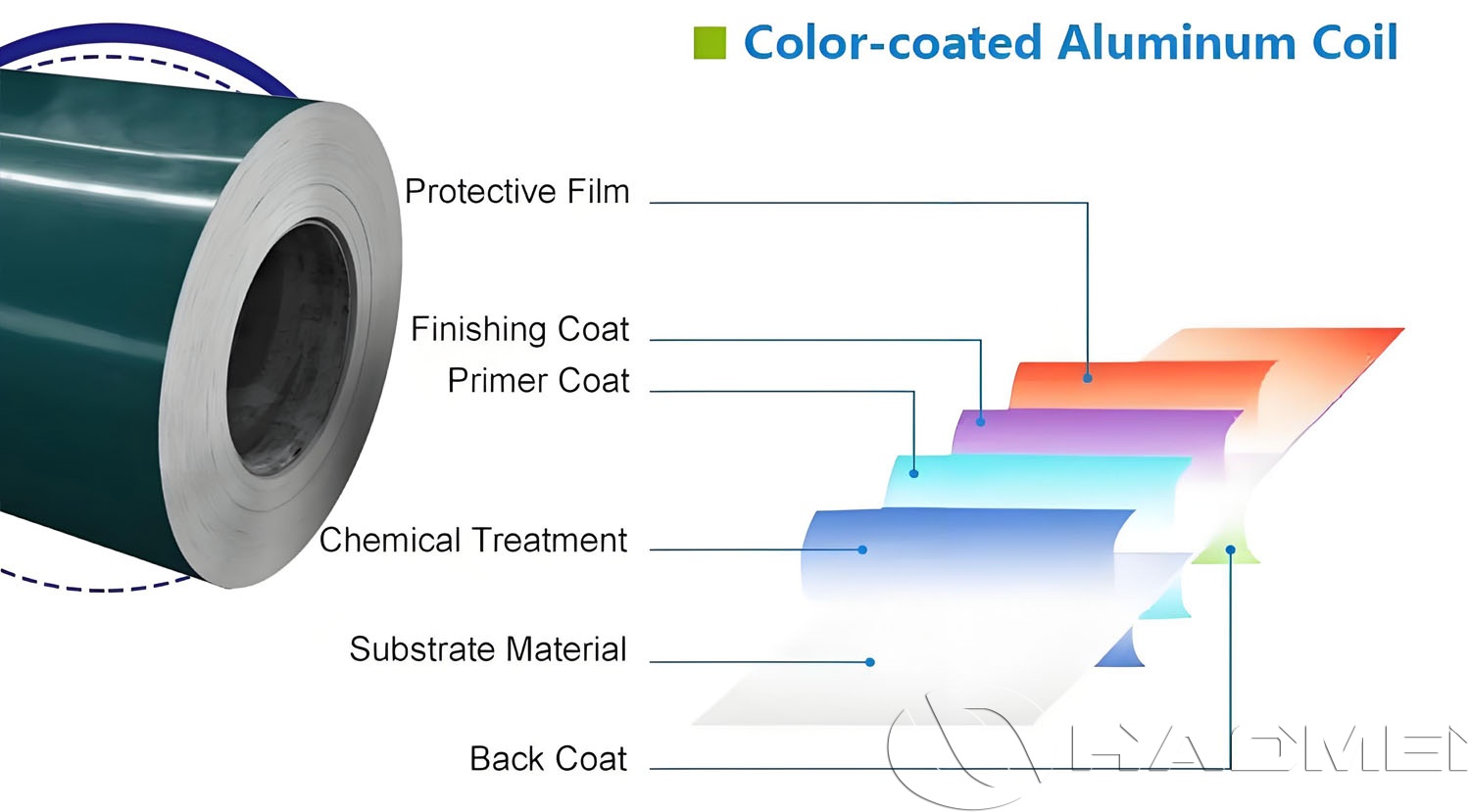
The pretreatment layer improves adhesion between the aluminum and primer. The primer supports corrosion resistance and flexibility, while the PVDF topcoat delivers the visible color, gloss, and weathering performance. In coastal, industrial, or high-humidity environments, coating-system design, edge protection, installation drainage, and compatible fasteners all influence the long-term service condition.
Core Specifications of PVDF Coated Aluminum Coil
Typical PVDF Coated Aluminum Coil Specifications
| Item | Typical Range or Option |
|---|---|
| Base metal | Aluminum alloy coil |
| Common alloys | 1100, 1060, 3003, 3004, 3105, 5005, 5052 |
| Temper | O, H14, H16, H18, H24, H26, H32, or as specified |
| Coil thickness | 0.20-1.50 mm, depending on application |
| Coil width | 600-1,600 mm, depending on production capability |
| Coating type | 70% PVDF fluorocarbon coating system |
| Top-side coating thickness | Commonly 25-35 μm; higher-build systems available |
| Coating construction | 2-coat 1-bake or 3-coat 2-bake system |
| Surface finish | Glossy, matte, metallic, solid color, textured, or custom color |
| Reverse-side finish | Service coat, wash coat, or back coat as required |
| Main applications | Roofing, wall cladding, façades, soffits, shutters, gutters, and trim |
Actual thickness, temper, coating weight, color, gloss level, and performance requirements vary by fabrication method, project environment, and end-use component.
Common Aluminum Alloys for PVDF Coated Coil
The aluminum alloy should be matched to the forming requirement, structural demand, and exposure conditions of the final product. The coating protects the surface, while the alloy determines much of the coil's strength, formability, and corrosion behavior.
1100 and 1060 Aluminum Coil
1100 and 1060 are commercially pure aluminum grades with high aluminum content, good corrosion resistance, and excellent formability. They are suitable for decorative panels, ceilings, trim, signage, and lightly formed architectural components. Their relatively low strength makes them less suitable for applications requiring high panel stiffness without additional structural support.
3003 Aluminum Coil
3003 is one of the most commonly used alloys for color coated aluminum coil. It contains manganese, providing higher strength than 1000-series aluminum while retaining good workability and corrosion resistance. It is widely used in roofing, cladding, rainwater systems, insulation jacketing, and general architectural sheet applications. 3003 Color Coated Aluminum Coil is frequently selected where balanced forming performance and strength are needed.
3004 and 3105 Aluminum Coil
3004 and 3105 provide improved strength compared with 3003 and are widely used for roofing panels, wall panels, shutters, and profiled building products. Their mechanical properties support roll forming and moderate drawing operations, making them suitable for exterior systems that require greater rigidity.
5005 Aluminum Coil
5005 is an aluminum-magnesium alloy valued for its good corrosion resistance, surface quality, and color consistency after coating. It is often used for architectural façade panels, composite panel skins, and decorative exterior components. Its combination of appearance and performance makes it suitable for high-visibility building surfaces.
5052 Aluminum Coil
5052 contains more magnesium and offers higher strength and strong corrosion resistance, particularly in humid and marine-influenced environments. It is used for exterior panels, transportation-related components, marine-adjacent architectural applications, and parts requiring more demanding forming or durability characteristics.
PVDF vs. PE Coated Aluminum Coil for Exterior Applications
Both PE and PVDF coatings are used on pre-painted aluminum, but they serve different performance levels. PE coatings are commonly used for interior ceilings, decorative panels, appliances, and protected exterior applications with limited weathering demands. PVDF coatings are engineered for longer exposure to sunlight, rain, pollution, and temperature variation.
| Property | PVDF Coated Aluminum Coil | PE Coated Aluminum Coil |
|---|---|---|
| UV resistance | Excellent | Moderate |
| Color retention | High | Moderate to good |
| Chalking resistance | Excellent | Lower than PVDF |
| Chemical resistance | Good to excellent | Moderate |
| Typical application | Exterior façades, roofing, cladding | Interior decoration and general applications |
| Coating cost | Higher | Lower |
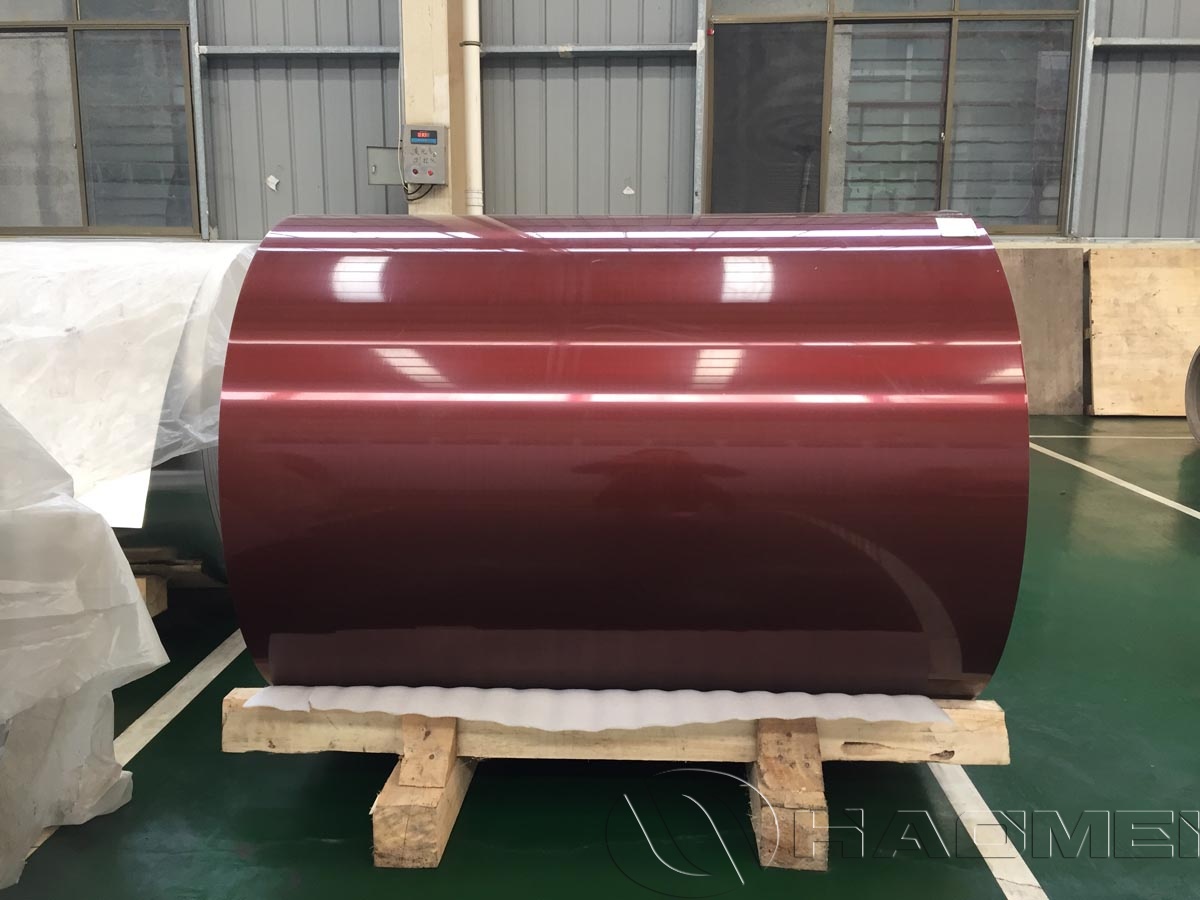
PVDF is particularly relevant for exposed façades, metal roofing, wall cladding, and architectural trim where fading, gloss loss, and coating degradation can affect the visible building surface over time.
Exterior Factors That Affect Service Performance
Although PVDF coating is highly suitable for outdoor use, long-term performance is influenced by the full building environment and fabrication quality. Important factors include the following:
Climate and UV Intensity
Regions with strong sunlight, high elevation, desert conditions, or long annual sunshine hours place greater stress on exterior finishes. PVDF coating is more stable under ultraviolet exposure than standard polyester systems, especially for critical colors and highly visible façade areas.
Coastal and Industrial Exposure
Salt spray, sulfur compounds, chlorides, and industrial pollutants can accelerate corrosion at cut edges, scratches, seams, and improperly drained areas. Aluminum alloy selection, pretreatment quality, coating integrity, and panel design are all important in these environments.
Forming and Fabrication
PVDF-coated aluminum coil is commonly roll formed, bent, stamped, or profiled. The coating system must have adequate flexibility and adhesion to remain intact after fabrication. Tight bends, severe embossing, and deep drawing require appropriate alloy temper and coating formulation.
Color and Gloss Selection
Dark colors absorb more solar energy and may experience higher surface temperatures than light colors. Metallic colors, low-gloss finishes, and textured surfaces can also have different visual aging characteristics. Color formulation, pigment selection, and coating thickness should be controlled according to the intended exposure conditions.
Installation Details
Standing water, trapped debris, dissimilar-metal contact, aggressive sealants, and insufficient ventilation may reduce the service life of an otherwise durable coated panel. Proper drainage and compatible construction materials help preserve the coating and aluminum substrate.
Quality Controls for Exterior PVDF Aluminum Coil
Production quality is essential for stable exterior performance. Typical inspection items for PVDF coated aluminum coil include coating thickness, color difference, gloss, adhesion, pencil hardness, impact resistance, bend performance, solvent resistance, and coating cure condition.
For architectural coating systems, weathering-related requirements may also reference accelerated tests such as ultraviolet exposure, humidity exposure, salt spray testing, and acid or alkali resistance. These tests do not replace real-world exposure, but they help verify coating consistency and identify potential defects in pretreatment, primer application, topcoat curing, or substrate preparation.
A well-controlled PVDF color coated aluminum coil combines a suitable aluminum alloy, stable chemical pretreatment, compatible primer, properly cured fluorocarbon topcoat, and fabrication properties matched to the finished exterior component.
-
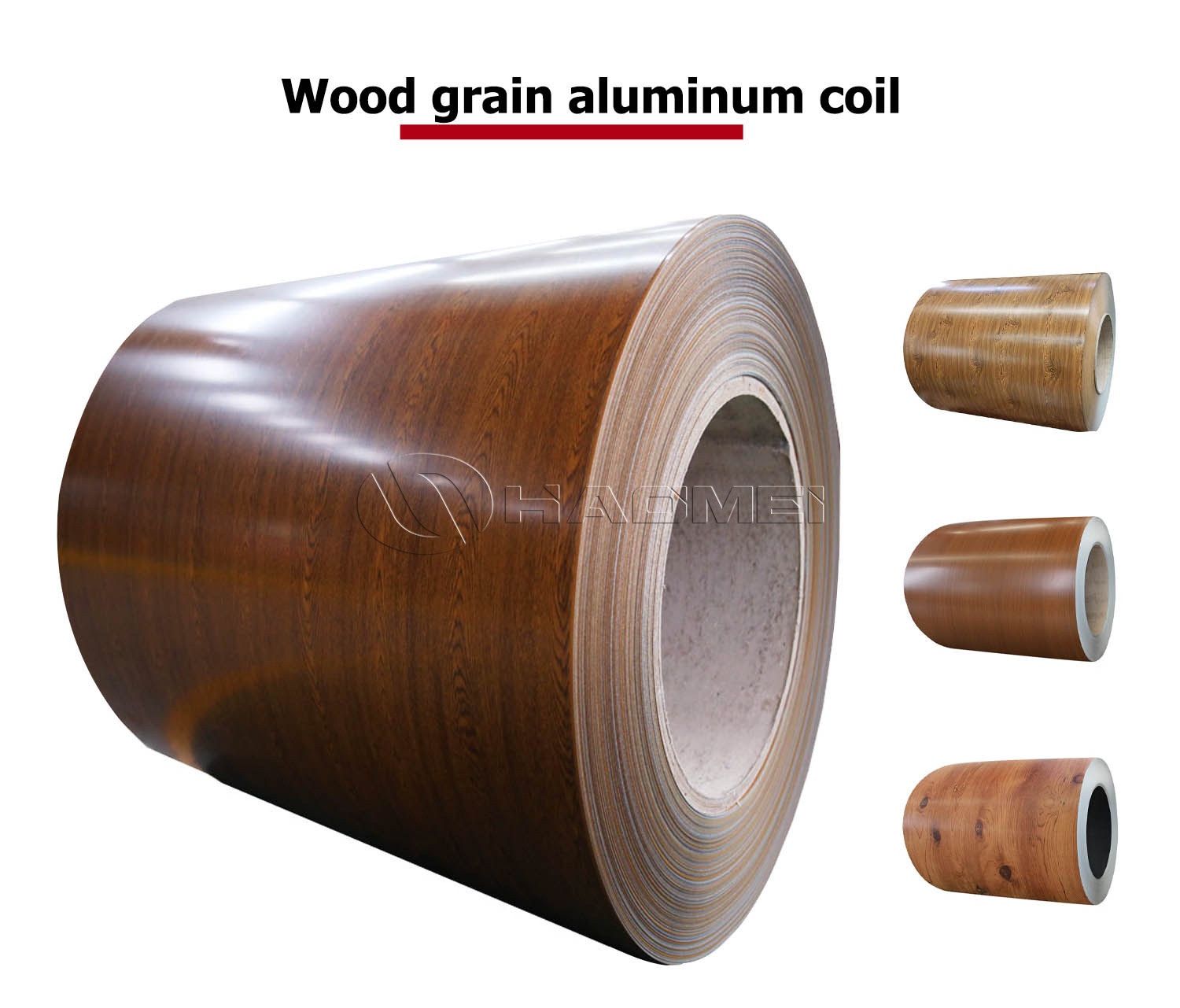
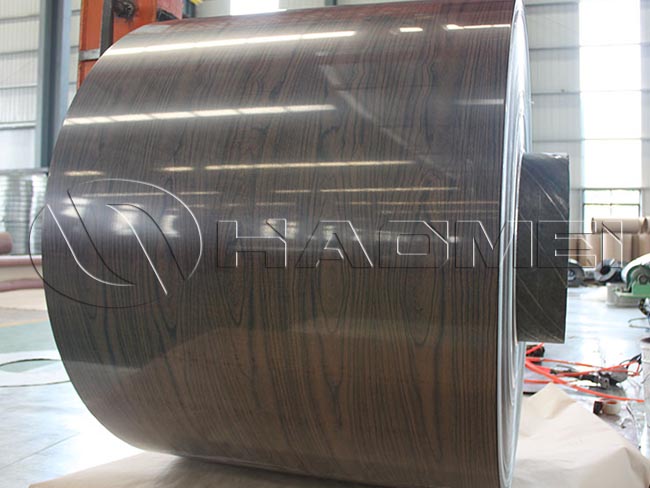
Marine Grade Wood Grain Aluminum Coil
Marine grade wood grain aluminum coil uses PVDF coatings and 5xxx alloys for durable cladding, ceilings, shutters, and coastal facade systems with stable color.
2026-07-06
-
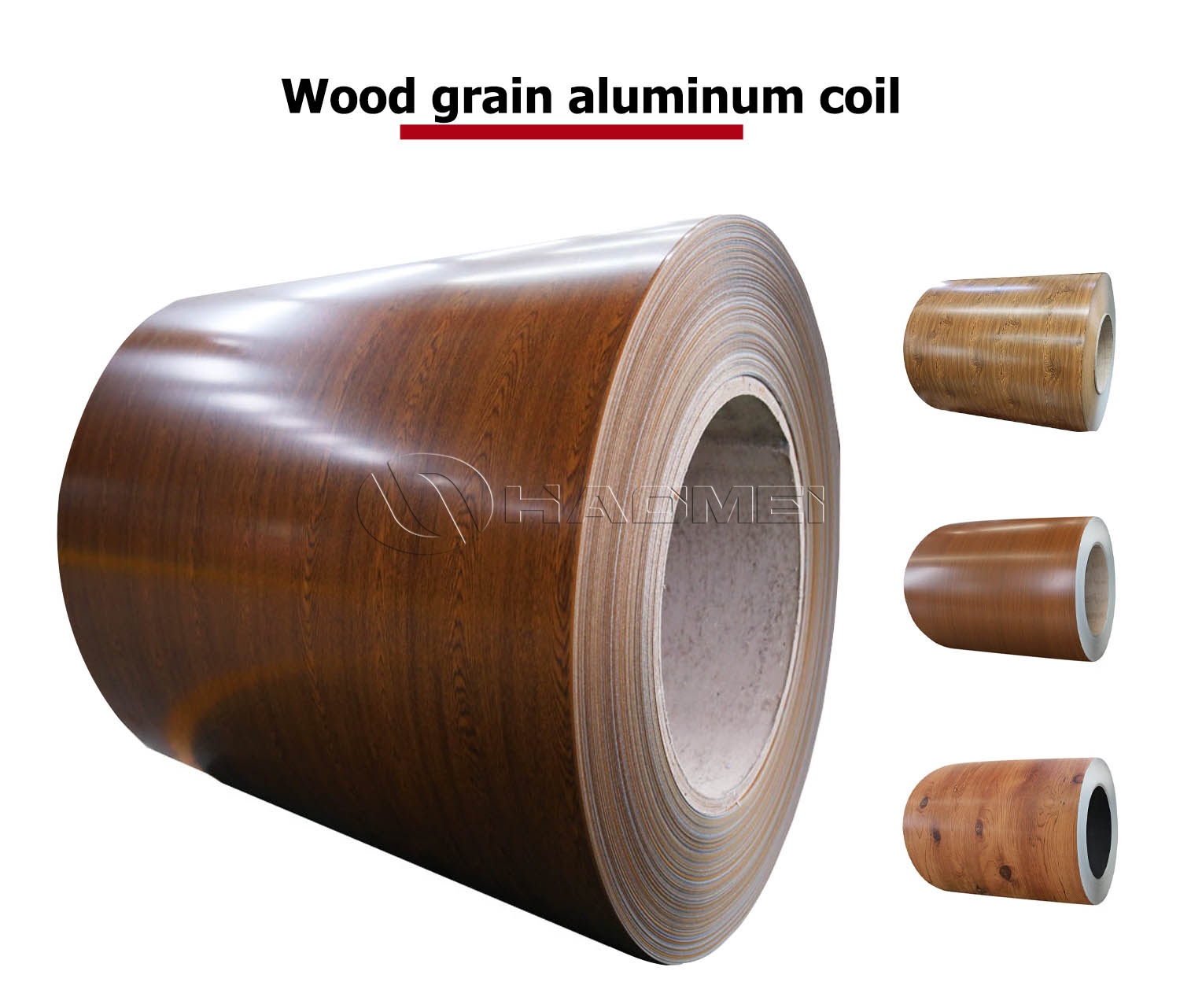
Wood Pattern Pvdf Coated Aluminum Coil
Explore wood pattern PVDF coated aluminum coil: wood grain aluminum coil aesthetics with a PVDF coating system for durable, weatherable pre-painted aluminum coil cladding.
2026-02-25
-
Color coated Aluminum Coils for Roofing, Ceiling, and Wall Systems
Color-coated aluminum coil is widely used in roofing, ceiling, and wall systems, offering advantages such as lightweight construction, excellent weather resistance, strong decorative appeal, and easy processing.
2026-01-04
Contact Directly
-

ADD: No.14 Waihuan Road, CBD, Zhengzhou, China
-

WhatsApp: +86-18703635966
-

E-MAIL: sales@alummc.com
