

News
 By Hermione
0.7mm Pvdf Coated Aluminum Coil Stock
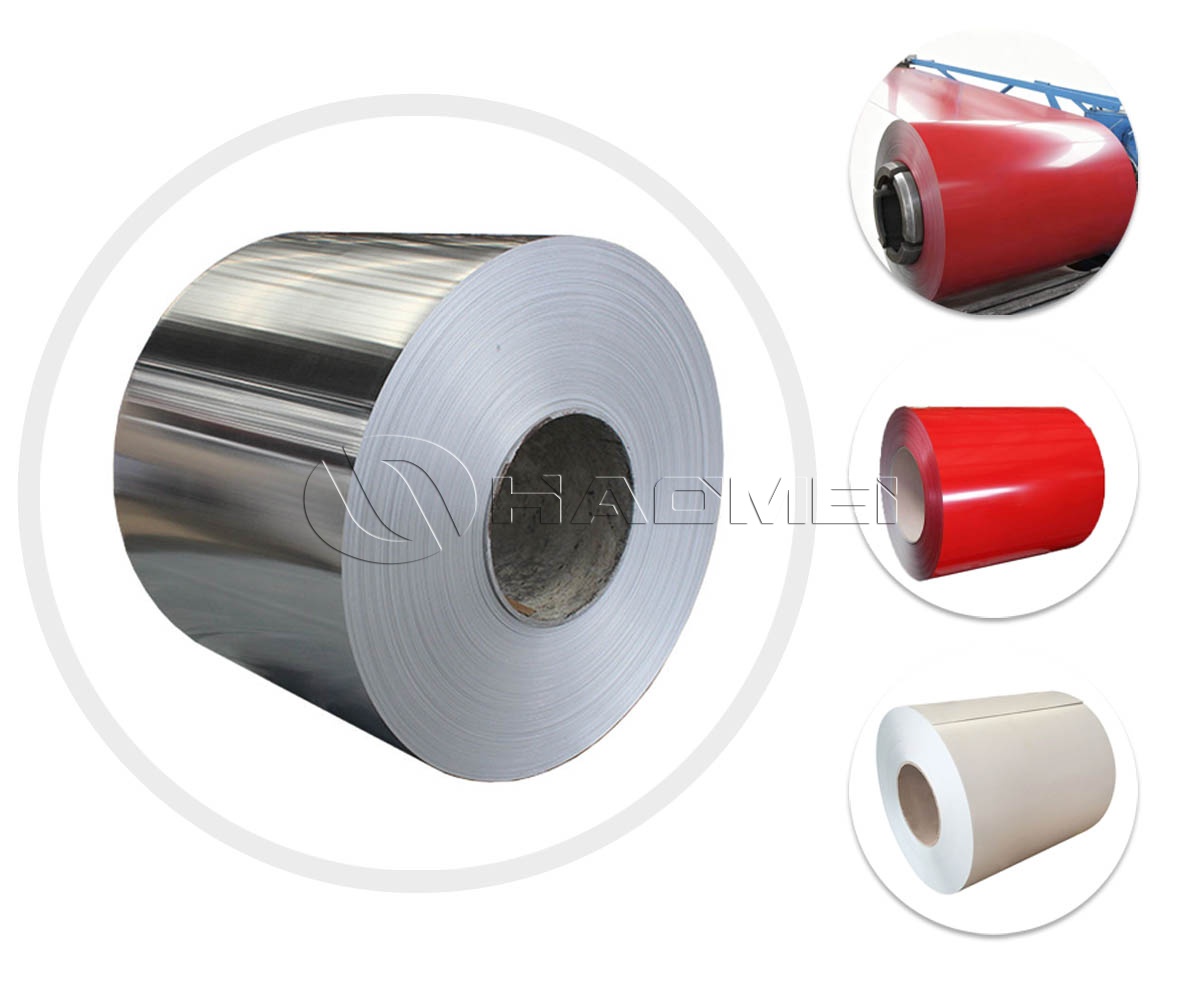
0.7mm PVDF coated aluminum coil stock is positioned as a high-durability, factory-finished substrate for architectural metalwork where long-term color retention and corrosion resistance matter. It is most commonly specified for exterior cladding, roofing and fascia systems, rain-screen panels, soffits, and formed trims, especially in UV-intense, coastal, or industrial environments.
Why 0.7mm thickness is widely specified
At 0.7mm, the coil balances formability and stiffness for roll-forming, press-brake bending, and light profiling used in building envelopes. Compared with thinner gauges, it better resists oil-canning and handling dents during fabrication and installation, while still remaining workable for hems, returns, and tighter bend radii when the alloy and temper are selected appropriately.
In practice, 0.7mm is frequently paired with:
Flat sheet fabrication for cassette panels and trims
Light rib or standing-seam type profiles (where the profile provides additional section stiffness)
Perimeter flashings, coping, fascia, and column covers
Substrate: aluminum alloy and temper choices behind real-world performance
The coating performance of a color-coated product is only as stable as the underlying aluminum substrate. For PVDF color coated aluminum coil, the typical alloy families include:
AA3003: a common choice for architectural cladding due to good formability and balanced strength.
AA3105: widely used in building products; it offers good forming behavior and is often selected for trim and roofing accessory components.
AA5005 (when specified): improved anodizing behavior and good corrosion performance for certain architectural requirements.
Temper selection (often H24/H26/H14 depending on the forming severity) controls yield strength and springback. For tighter bending or complex forming, a softer temper reduces cracking risk at edges and corners, while a harder temper improves flatness retention and dent resistance.
PVDF coating system: built for UV stability and chemical resistance
A PVDF coating system is typically selected for exterior applications because the fluoropolymer chemistry offers excellent resistance to UV-driven degradation. In coil-coated architecture, PVDF is commonly built as a multi-layer system rather than a single paint film. A technically robust build-up generally includes:
Pretreatment conversion layer to promote adhesion and corrosion protection
Primer matched to the substrate and forming needs
PVDF topcoat providing color, gloss control, and weatherability
Optional clear coat for added stain resistance or special effects
This structure is designed to keep adhesion stable after forming, maintain gloss and color under sunlight exposure, and resist common pollutants (acid rain residues, salts, and urban grime). Where interior-only performance is acceptable, a PE coate aluminum coil may be more cost-effective;
How coil coating manufacturing controls consistency at 0.7mm
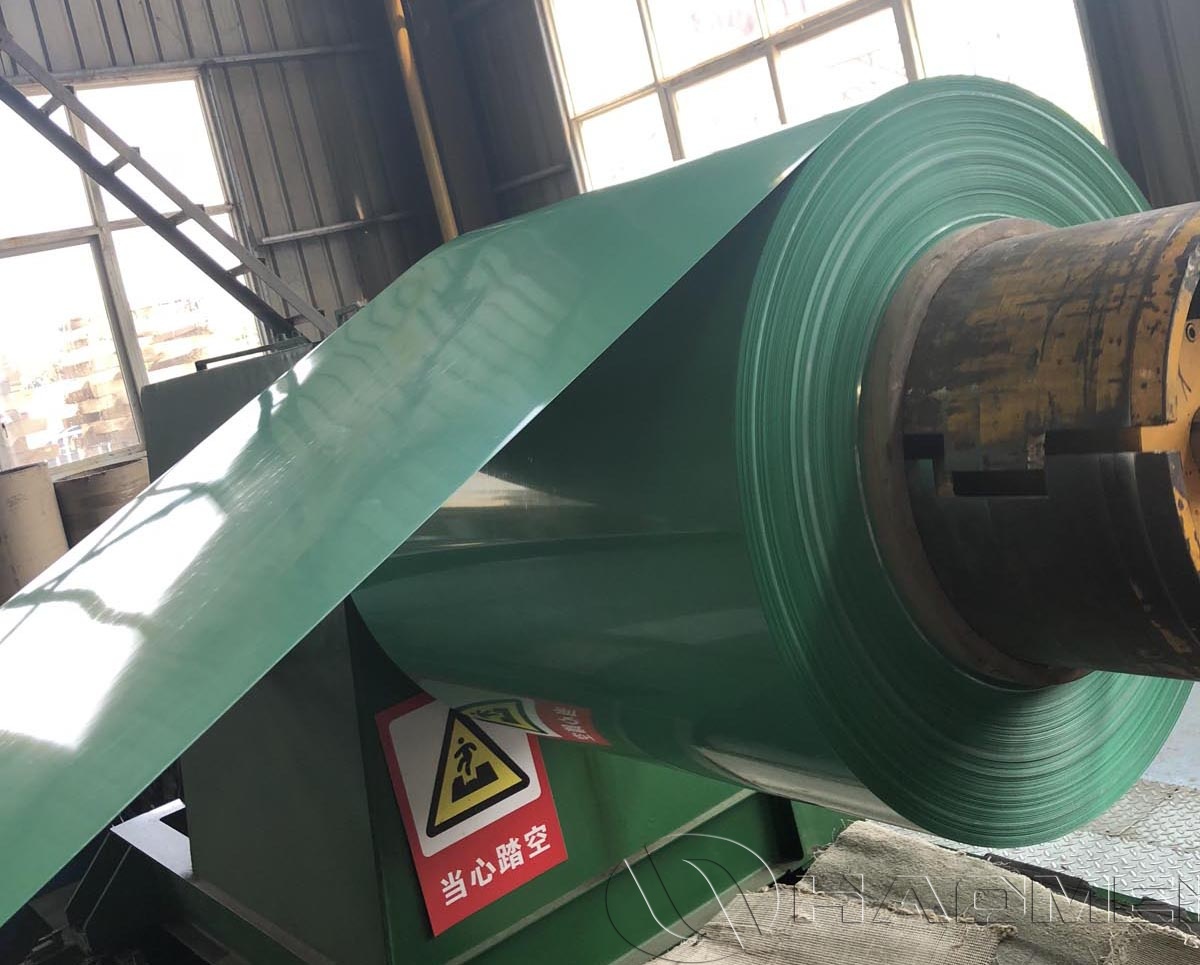
Coil coating is fundamentally a continuous, controlled finishing process that delivers uniform film build and repeatable appearance across long lengths, which is difficult to replicate with post-painting. For 0.7mm PVDF coated coil stock, key manufacturing stages typically include:
Incoming coil preparation: incoming thickness tolerance, surface cleanliness, and flatness are verified because they directly affect coating appearance (e.g., waviness telegraphing) and forming stability.
Cleaning and chemical pretreatment: removes rolling oils and creates a conversion layer that anchors the primer and improves underfilm corrosion resistance.
Primer coating and curing: applied by roll coater, then baked to achieve crosslinking without embrittlement.
PVDF topcoat application and baking: film build and oven profile are tightly managed to ensure full cure, stable gloss, and consistent color.
Cooling, inspection, and recoiling: includes color control (ΔE), gloss checks, film thickness verification, adhesion testing, and surface defect inspection.
Because PVDF systems are sensitive to curing windows, line speed, peak metal temperature, and solvent flash-off conditions are coordinated to prevent issues such as under-cure (leading to poor stain resistance) or over-bake (potential gloss shift).
Core specifications for 0.7mm PVDF coated aluminum coil stock
| Product | 0.7mm PVDF coated aluminum coil stock |
| Base metal thickness | 0.70 mm (tolerance per order/spec) |
| Width | 100-2650 mm |
| Length | 100-16000mm |
| Alloy (common) | 1050,1060,1070,AA3003, AA3105, AA5005 (as specified) |
| Temper (common) | H14 / H24 / H26 (application-dependent) |
| Coating system | Primer + PVDF topcoat (2-coat) or 3-coat with clear coat |
| Coating thickness (typical) | Topcoat + primer total DFT per project requirement |
| Surface finish | Solid color, metallic, matte, gloss-controlled; textured options by request |
| Standard coil ID | 508 mm / 610 mm (typical) |
| Coil OD | Per handling/logistics requirement |
| Coil width | Slit to requirement (commonly architectural widths) |
| Protective film | Optional, based on fabrication method and profile risk |
| Key performance focus | UV resistance, corrosion protection, formability after coating |
Practical application fit: where 0.7mm PVDF coil performs best
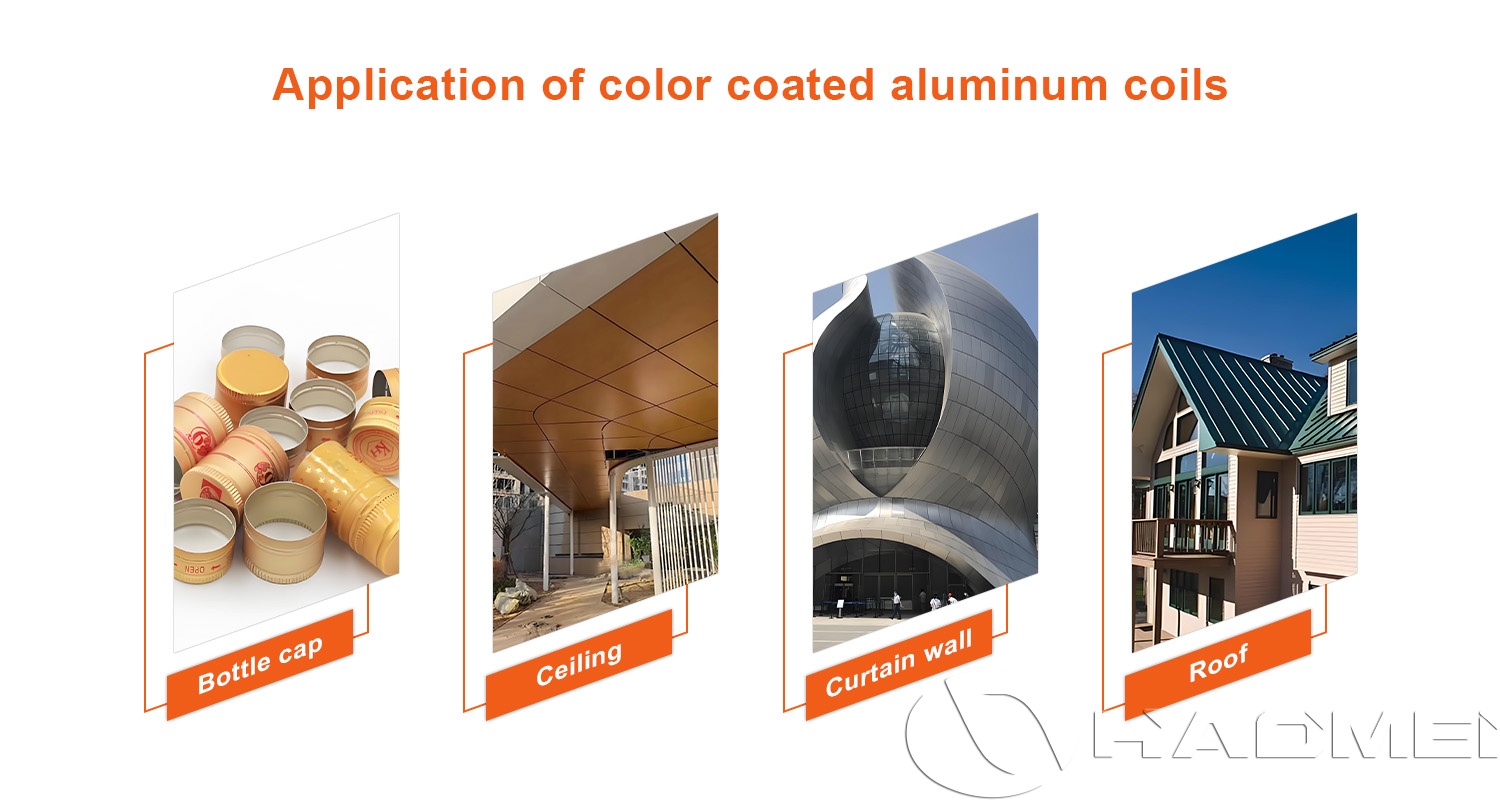
In building envelope applications, 0.7mm PVDF coated coil is often chosen when the finished part will be visible and exposed for years:
Exterior facades and rainscreen systems: stable appearance and durability in sun and weather cycling.
Roofing accessories and edge details: flashings, fascias, and copings benefit from both formability and long-term coating integrity.
Soffits, ceilings, and wall panels: consistent color across batches is critical for large-area visual continuity.
Composite panel skins: used as the facing for aluminum composite or insulated panel constructions where PVDF weathering performance is required.
Selection details that matter in real projects include bend radius targets (to avoid micro-cracking at tight corners), edge protection strategy (formed hems or design allowances), and environmental severity (coastal salt, industrial pollutants). Matching alloy/temper with coating flexibility and specifying appropriate pretreatment and film build are the main levers to ensure the coil maintains adhesion and appearance after fabrication.
-
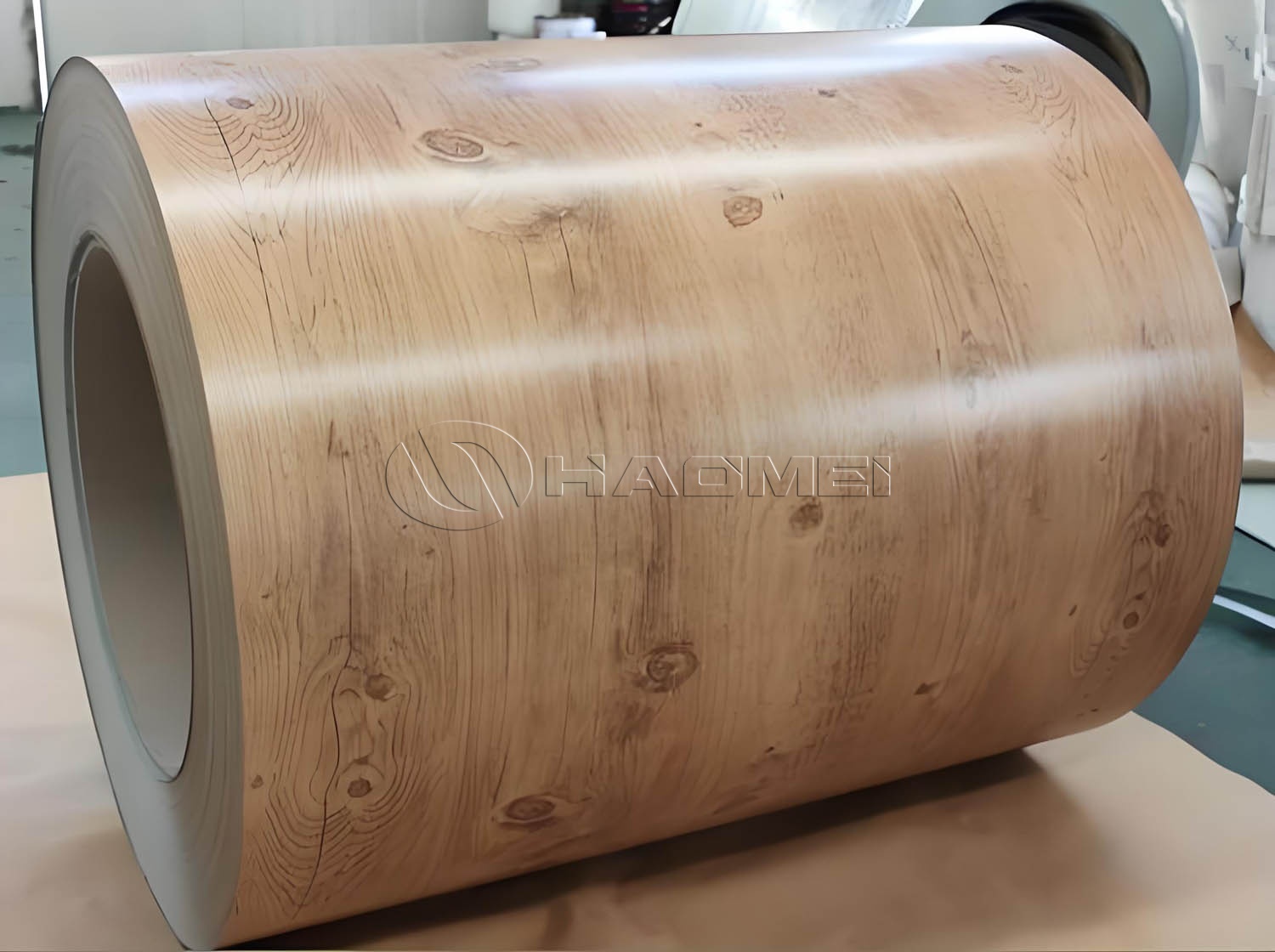
Best Wood Grain Aluminum Coil for Roofing
Explore the best wood grain aluminum coil for roofing with PVDF or PE coating, coil-coated durability, corrosion resistance, and stable wood-tone aesthetics.
2026-03-05
-
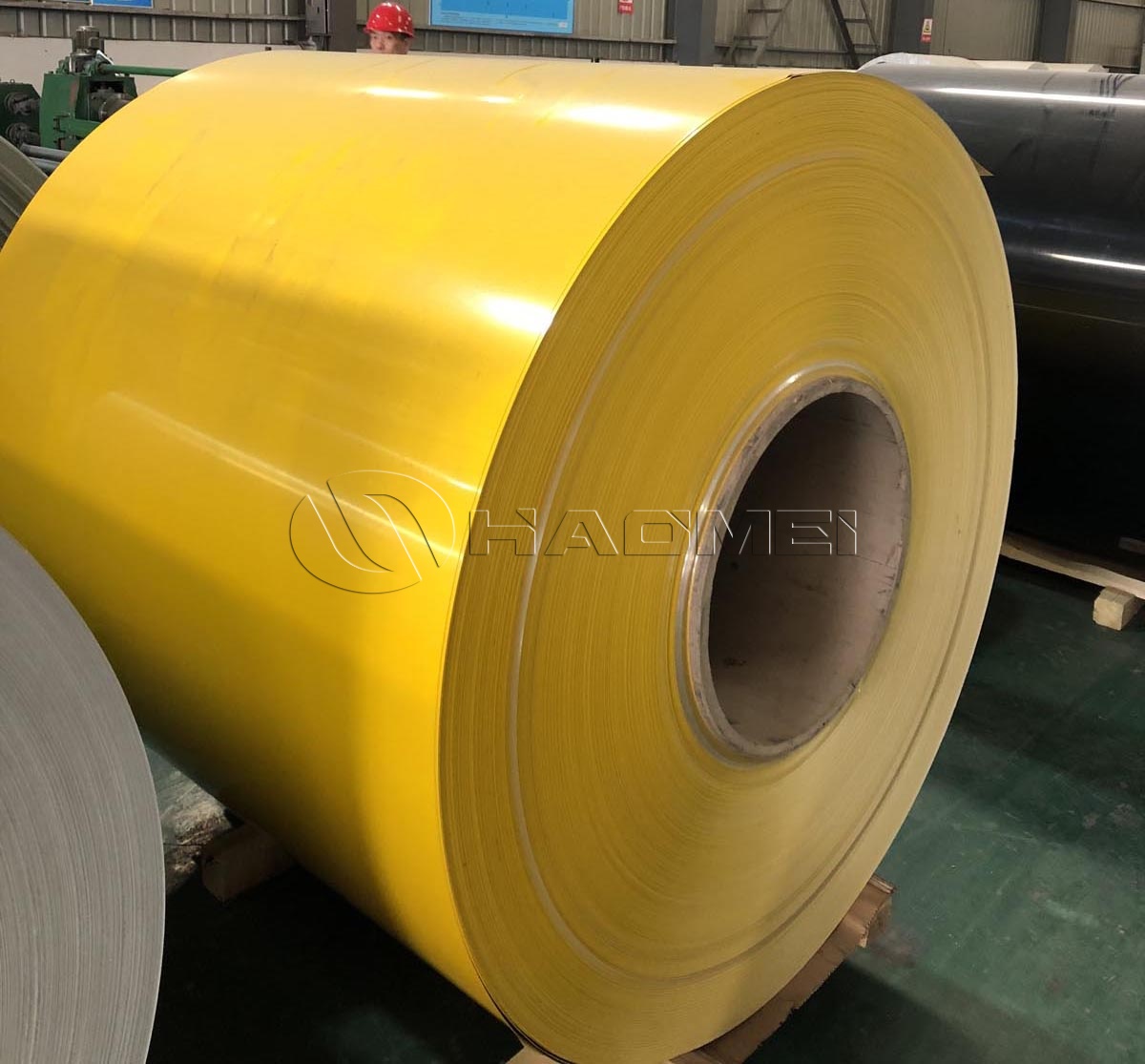
1000 Series Color Coated Aluminum Coil For Roofing
1000 Series color coated aluminum coil for roofing is positioned as a lightweight, high-corrosion-resistance roof stock for roll-formed panels, corrugated sheets, ridge caps, flashings, and rainwater systems.
2026-01-19
-
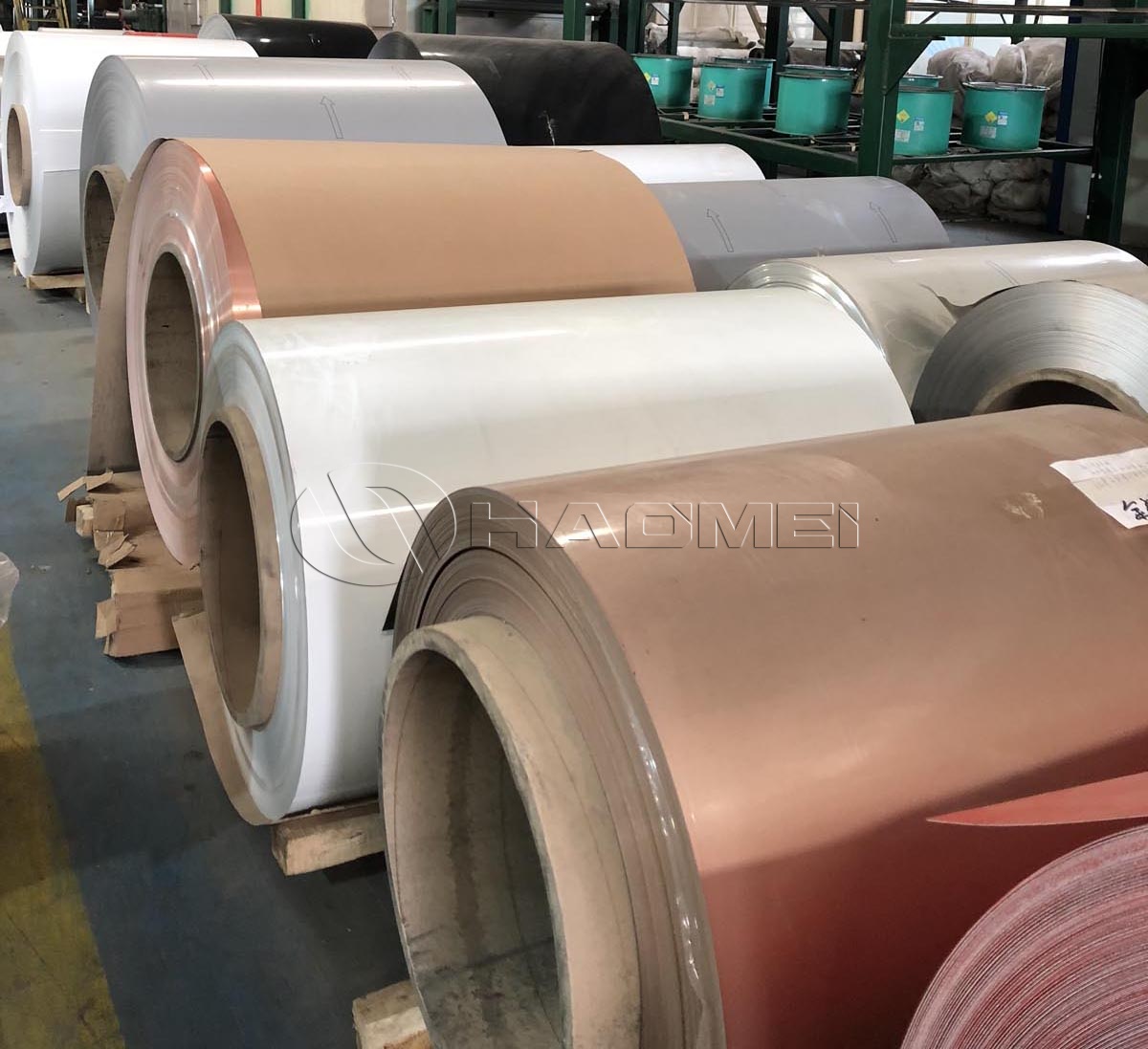
1100 H14 Prepainted Aluminum Coil Price
Learn what shapes 1100 H14 prepainted aluminum coil price: alloy and temper basics, PE/PVDF coating processes, key specifications, and typical applications.
2026-01-13
Contact Directly
-

ADD: No.14 Waihuan Road, CBD, Zhengzhou, China
-

WhatsApp: +86-18703635966
-

E-MAIL: sales@alummc.com