

News
 By Hermione
PVDF Coated Aluminum Coil For Curtain Walls
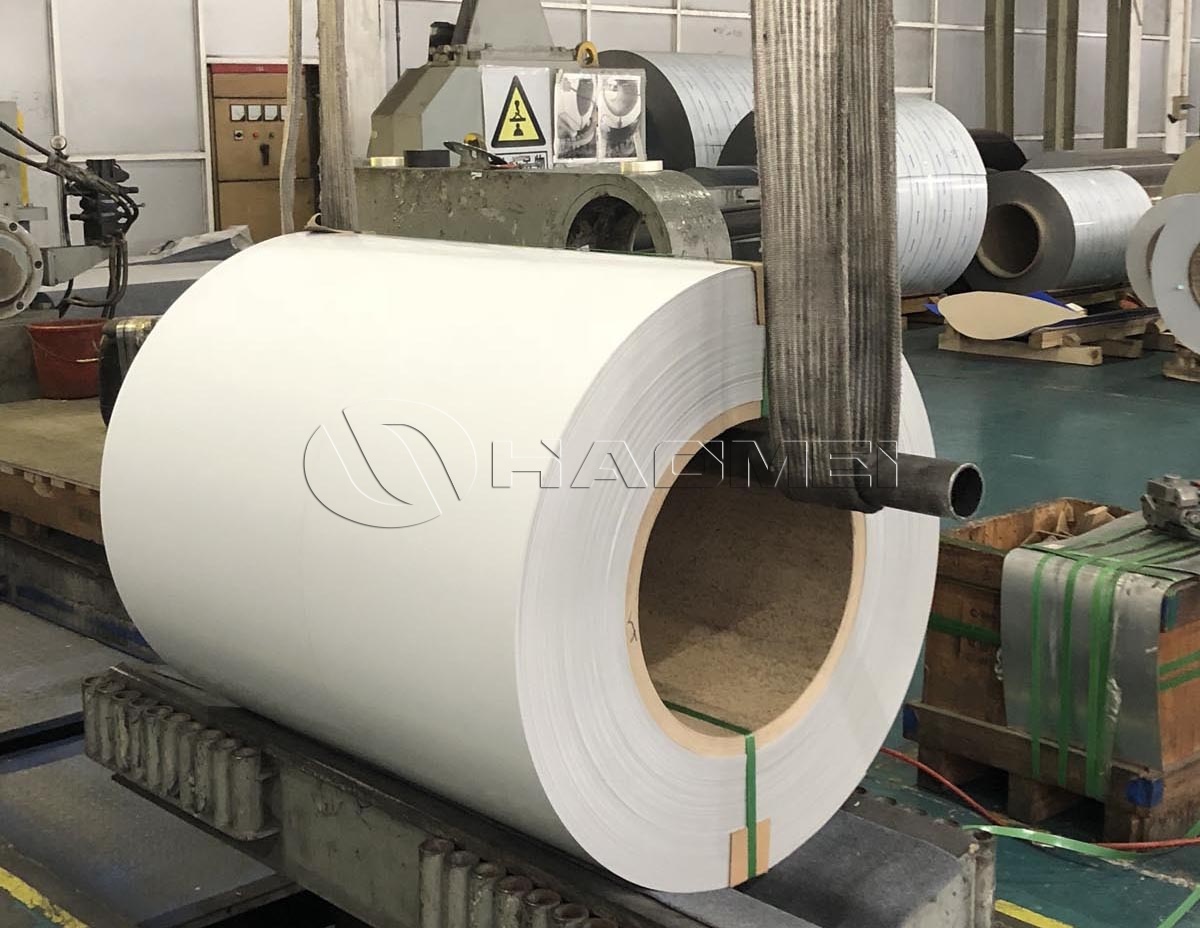
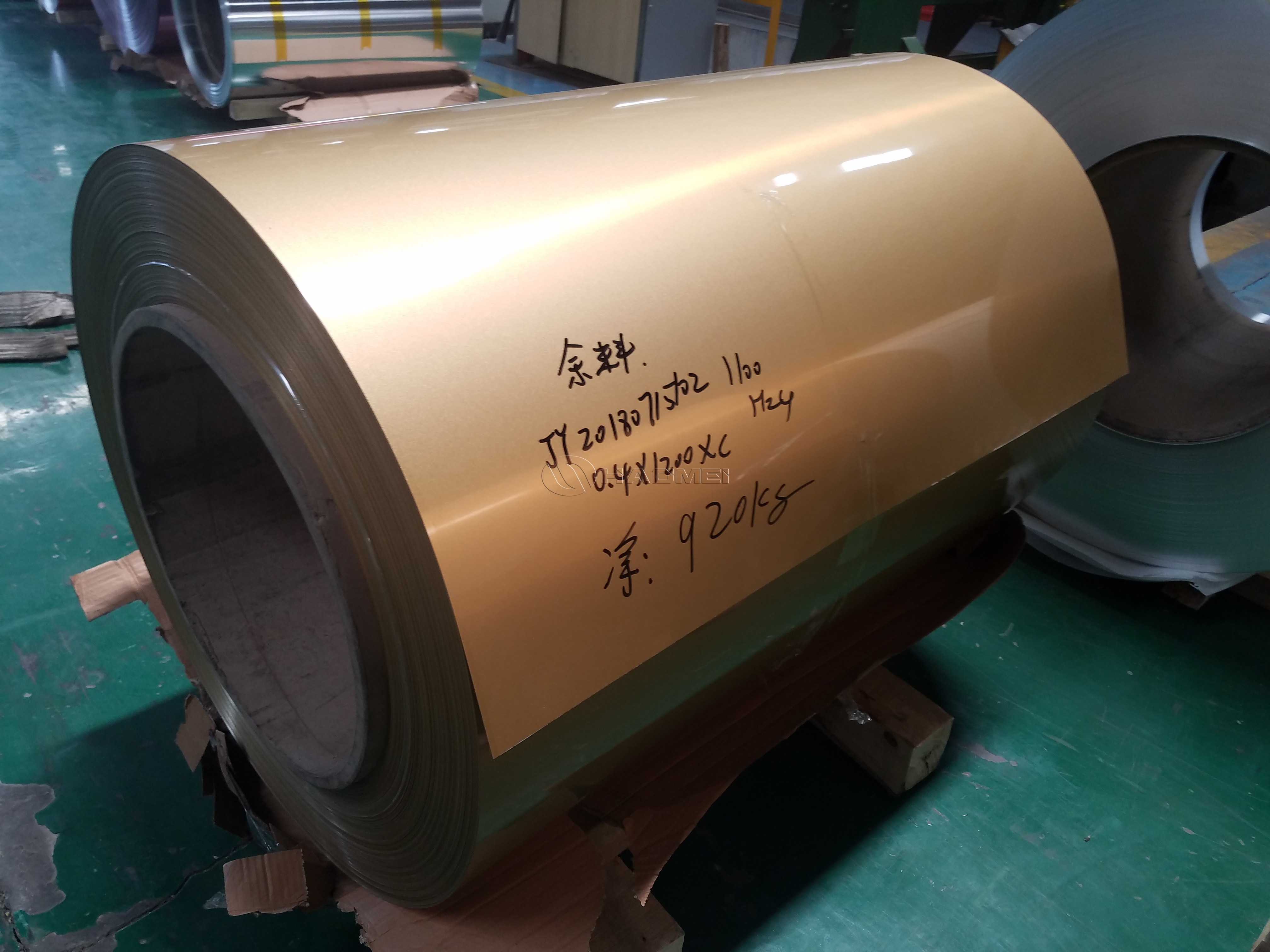
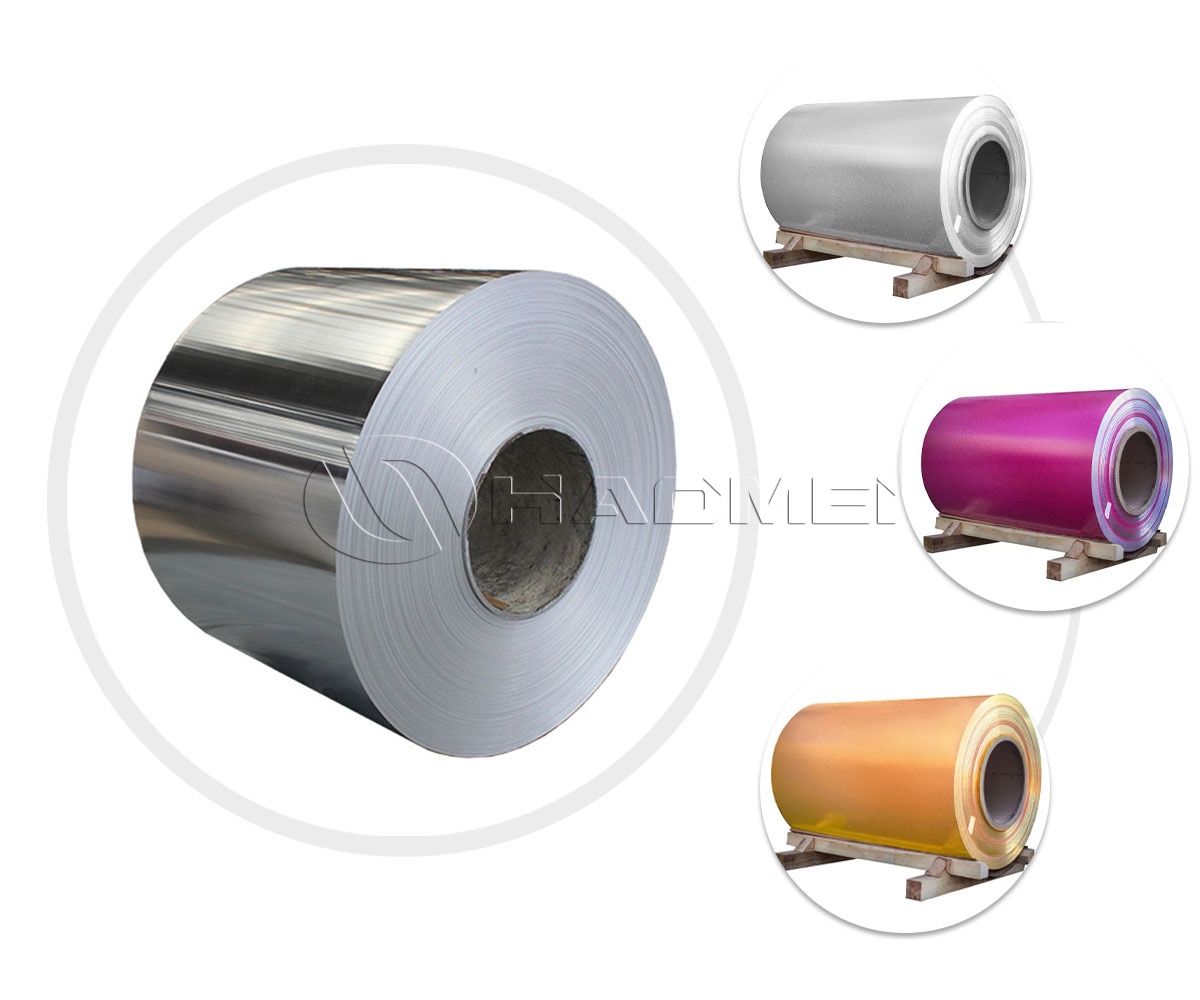
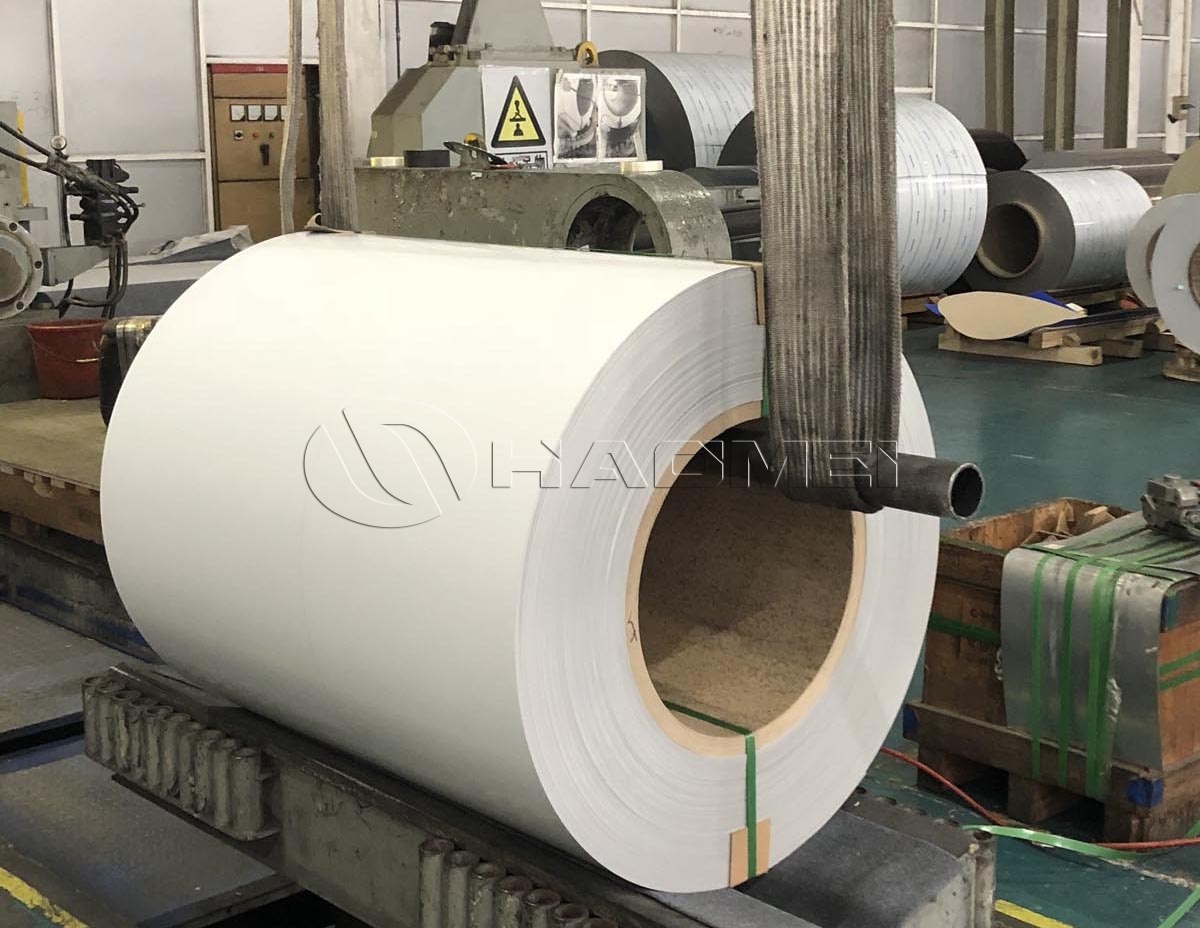
PVDF coated aluminum coil for curtain walls is positioned as a premium, long-life architectural skin material for exterior facade cladding, including aluminum composite panels (ACP/ACM), solid aluminum panels, soffits, trims, flashings, and other formed profiles that demand stable color and weather resistance.
Why PVDF is the preferred finish for curtain wall environments
Curtain wall systems operate in one of the harshest service conditions for coated metals: continuous UV exposure, thermal cycling, wind-driven rain, airborne salts in coastal zones, and urban pollutants. A PVDF (fluorocarbon) coating is widely specified for these envelopes because the C-F bond structure resists photochemical degradation, helping retain gloss and color over long outdoor lifetimes. In practice, this means improved resistance to chalking, fading, and surface embrittlement compared with general-purpose polyester systems.
For designers, PVDF also supports a broad palette and effect range: solid colors, metallics, mica effects, and controlled gloss levels. For fabricators, the finish is engineered to balance hardness (scratch resistance) with flexibility (post-forming performance) so the coil can be routed, bent, roll-formed, or stamped into curtain wall components without premature cracking.
Substrate selection: alloy, temper, and the role of pretreatment
A PVDF finish performs best when the substrate is chosen for the forming mode and when surface preparation is controlled.
Alloy choice: 3xxx/5xxx series are commonly used for curtain wall elements due to their strength and corrosion resistance balance. For example, 3003/3004/3105 suit general cladding and formed trims; 5005/5052 are often selected when higher strength, better surface quality, or improved marine resistance is required.
Temper: H24/H26 and similar tempers are frequently used where controlled formability is needed; harder tempers support flatter large panels but demand larger bend radii.
Pretreatment: Before coating, the coil is cleaned and chemically treated (typically chrome-free conversion or equivalent) to create an adherent, corrosion-inhibiting interface. This pretreatment layer is critical: it anchors the primer and improves resistance to underfilm corrosion at cut edges, seams, and fastener zones.
This material-coating interface is what ultimately determines whether a curtain wall panel survives years of humidity and cyclic exposure without blistering or delamination.
Coating system architecture: primer + PVDF topcoat, engineered as a system
A curtain wall PVDF system is not just a single paint layer. It is typically built as:
Primer layer: tuned for adhesion, flexibility, and corrosion resistance; it also promotes intercoat bonding and improves edge protection behavior.
PVDF topcoat: delivers the primary weathering barrier and color stability; premium systems are designed to align with demanding architectural performance expectations (often referenced against AAMA 2605-class requirements, depending on project specification).
Back-side coatings can be configured for the application: a service coat for interior-facing sides, or higher-performance back coats when additional chemical or humidity resistance is needed in enclosed cavity conditions. For curtain wall fabrication, coating selection is commonly coordinated with sealants, tapes, and insulation materials to reduce risks of staining, plasticizer migration, or compatibility issues.
For product context, specifications often refer to a dedicated PVDF Coated Aluminum Coil offering where coating formulation, gloss window, and film build can be matched to facade exposure class and color requirements.
Manufacturing process: coil coating consistency that supports facade quality
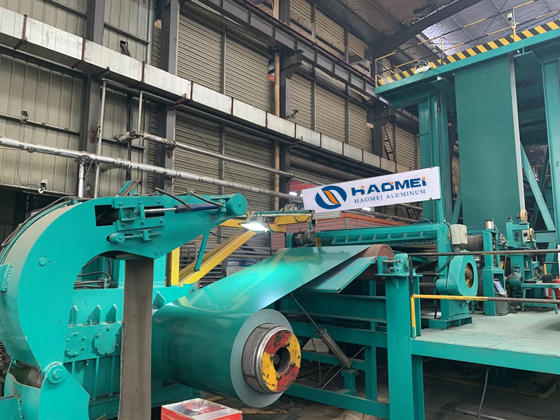
Curtain wall panels highlight every surface imperfection, so the manufacturing route matters as much as the chemistry. PVDF coated aluminum coil is typically produced by a continuous coil coating process where key steps are tightly controlled:
Entry and tension control to ensure stable strip tracking and flatness.
Degreasing and cleaning to remove rolling oils and contaminants.
Chemical pretreatment to establish a uniform conversion layer.
Primer coating and oven curing to reach target crosslinking without overbake.
PVDF topcoat application and curing with calibrated peak metal temperature for full film performance.
Cooling, inspection, and recoiling with protective measures to reduce handling marks.
Inline measurements (film thickness, gloss, color delta, and surface inspection under controlled lighting) help ensure lot-to-lot uniformity, which is essential when multiple curtain wall elevations must match across different production dates.
Practical application in curtain walls: forming, joining, and long-term durability
In curtain wall fabrication, coated coil is commonly converted into:
Aluminum composite panels (ACP/ACM) where PVDF coil serves as the face sheet laminated to a core; the coating must tolerate lamination heat and maintain adhesion.
Solid aluminum panels produced by cutting, CNC routing, bending, and stiffener attachment; the coating must withstand forming strain at corners and returns.
Profiles and trims made by roll forming or press braking; controlled bend radius and edge handling reduce micro-cracking risk.
Core specifications for PVDF coated aluminum coil used in curtain walls
Table: PVDF Coated Aluminum Coil Specifications (Curtain Wall Use)
| Item | Typical Range / Option | Notes |
|---|---|---|
| Alloy | 3003, 3004, 3105, 5005, 5052 (others by request) | Selected by strength, forming, corrosion environment |
| Temper | H14, H24, H26 (custom) | Balance between flatness and formability |
| Thickness | 0.8-3.0 mm | Common for facade sheets, ACP skins, and formed parts |
| Width | 1000-1600 mm | Slitting available to fabrication width |
| Coating type | PVDF (fluorocarbon) | Exterior architectural grade |
| Coating structure | Primer + topcoat (back coat optional) | System design affects adhesion and corrosion resistance |
| Dry film thickness (DFT) | 25–-35 μm typical | Per project and performance class |
| Gloss | Matte to high gloss (custom) | Managed by resin/pigment and bake schedule |
| Color | Solid, metallic, mica, custom matched | Color delta control per batch agreement |
| Surface finish | Smooth (standard), selected textures optional | Texture must be compatible with forming |
| Protective film | Optional | Recommended for panel processing and transport |
| MOQ | 1-3 tons | |
-
Durable Color Coated Aluminum Coil for Coastal Areas
Coastal color coated aluminum coil with PVDF coating, corrosion resistant alloys, and salt spray durability for roofing, facades, and ceilings in coastal areas.
2026-06-05
-
PE Coated Aluminum Coil 0.5mm Thickness
Technical overview of PE coated aluminum coil 0.5mm thickness, covering alloys, coating structure, specifications, and building decoration applications.
2026-05-18
-
5000 Series Color Coated Aluminum Coil for Roofing
Explore 5000 series color coated aluminum coil for roofing, including 5005, 5052, and 5754 alloys, coating systems, specs, and roofing performance.
2026-04-02
Contact Directly
-

ADD: No.14 Waihuan Road, CBD, Zhengzhou, China
-

WhatsApp: +86-18703635966
-

E-MAIL: sales@alummc.com