

News
 By Hermione
Color-Coated Aluminum Coils Are Used for Metal Roofing and Ceilings
Color-coated aluminum coils are pre-painted aluminum materials designed for roll forming, pressing, bending, and panel fabrication. In building envelope applications, they are widely used for metal roofing sheets, standing-seam roof panels, corrugated roofing, soffits, suspended ceilings, clip-in ceiling panels, and decorative interior ceiling systems. The coil coating process provides a consistent color finish before fabrication while preserving the lightweight, corrosion-resistant characteristics of aluminum.
Product Positioning for Building Systems
For roofing, pre-painted aluminum coil functions as an exterior cladding material that must withstand sunlight, moisture, temperature cycling, airborne contaminants, and forming stress. For ceilings, the material serves both functional and decorative roles, providing clean visual surfaces, low structural weight, and compatibility with perforated, embossed, roll-formed, or cassette-style panels.
Compared with uncoated aluminum sheet, color-coated aluminum coil combines the aluminum substrate with a controlled coating system. This structure supports color consistency across large panel areas and reduces the need for post-fabrication painting.
Coil Coating Structure and Performance
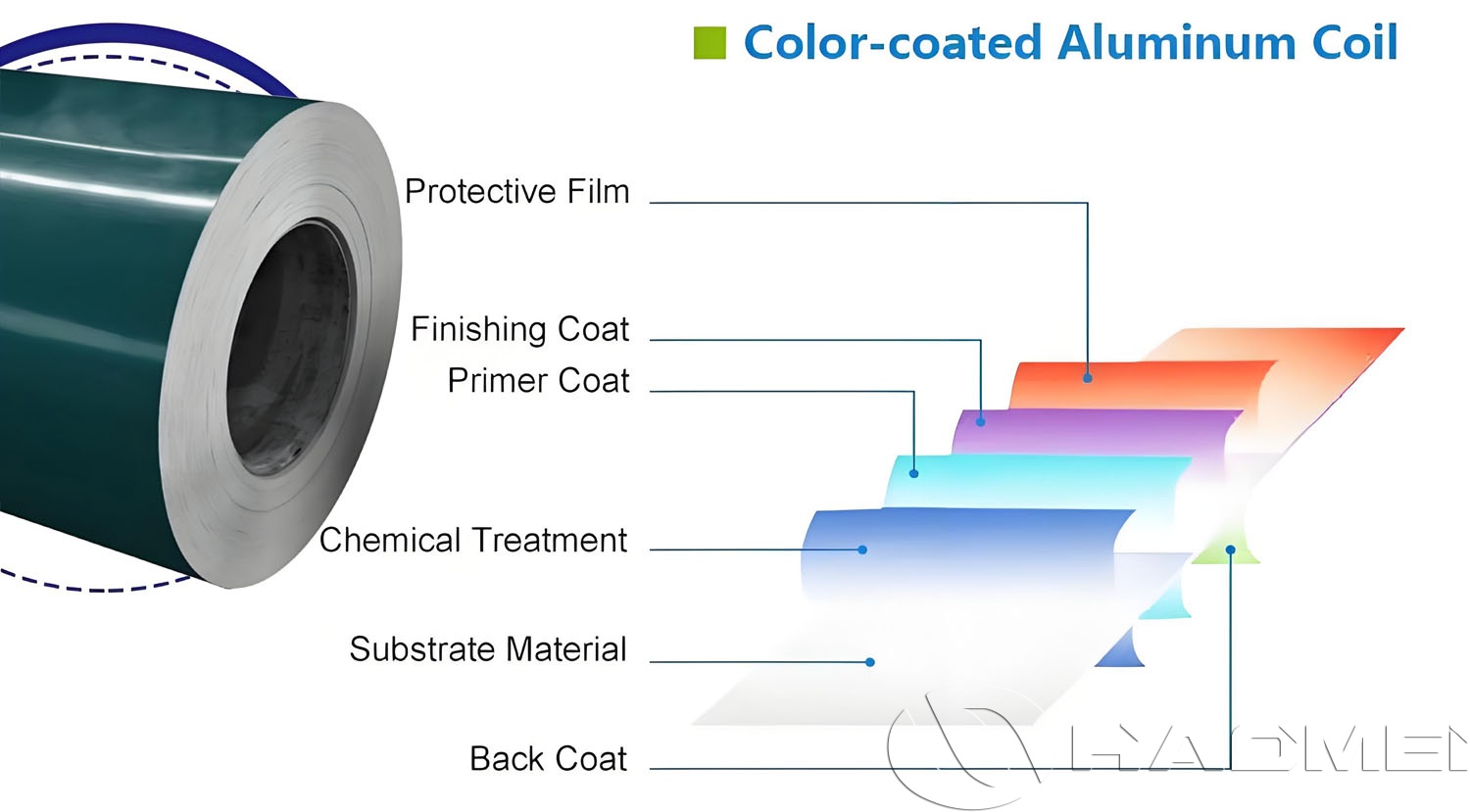
A typical coated aluminum coil includes several functional layers:
Aluminum alloy substrate
Chemical pretreatment layer for coating adhesion and corrosion resistance
Primer coat
Topcoat in the required color, gloss, or texture
Optional back coat for handling protection and reverse-side durability
The substrate is cleaned and chemically pretreated before coating. Primer improves intercoat adhesion and assists corrosion protection, while the topcoat provides color, weathering resistance, and surface appearance. Coating systems are cured in a continuous line, creating a uniform finish suitable for downstream forming.
Core Specifications of Color-Coated Aluminum Coil for Roofing and Ceilings
| Core Specification | Typical Range or Option | Roofing and Ceiling Relevance |
|---|---|---|
| Alloy | 1060, 1100, 3003, 3105, 5052 | Balances formability, strength, and corrosion resistance |
| Temper | O, H14, H16, H18, H24 | Influences bending, profiling, flatness, and panel stiffness |
| Thickness | 0.30-1.20 mm | Common range for roofing sheets, ceiling panels, trims, and soffits |
| Coil width | 500-1,600 mm | Supports slitting and roll-forming requirements |
| Coating type | PE, SMP, PVDF, polyester-modified systems | Determines weathering, color retention, and application environment |
| Topcoat thickness | Commonly 15-35 μm | Varies by coating system and exposure level |
| Back coat thickness | Commonly 5-10 μm | Protects the reverse side during processing and service |
| Surface finish | Gloss, matte, textured, metallic, wood grain, embossed | Supports architectural appearance and interior decoration |
| Coil inner diameter | 405 mm or 508 mm | Compatible with standard processing equipment |
| Coil weight | Customized within handling limits | Matched to decoiling, transport, and fabrication conditions |
Common Aluminum Alloys
1060 and 1100 Aluminum Coil
1060 and 1100 are commercially pure aluminum grades with high aluminum content, excellent corrosion resistance, and strong workability. Their relatively low strength makes them suitable for interior ceiling panels, decorative trims, light-gauge soffits, and applications requiring deep drawing or complex pressing.
For architectural ceiling production, 1100 alloy is commonly processed in soft or intermediate tempers to support punching, perforation, and bending. 1100 Color Coated Aluminum Coil is often used where surface quality and forming performance are central material requirements.
3003 Aluminum Coil
3003 is an aluminum-manganese alloy with higher strength than 1xxx-series aluminum while retaining good formability and corrosion resistance. It is frequently used for roofing sheets, wall cladding, ceiling carriers, rainwater components, and formed architectural panels.
Its balance of moderate strength and processability makes 3003 suitable for roll forming and conventional bending. In roof applications, this added strength can improve profile rigidity compared with commercially pure aluminum at the same thickness.
3105 Aluminum Coil
3105 is also an aluminum-manganese alloy and is widely used for painted building sheet. It offers good formability, practical strength, and stable coating compatibility for profiled roofing and exterior cladding products. 3105 Color Coated Aluminum Coil is commonly associated with roll-formed roofing panels, fascia, gutters, and ceiling sheet applications.
5052 Aluminum Coil
5052 is an aluminum-magnesium alloy with stronger mechanical properties and good resistance to humid or mildly corrosive conditions. It is used in higher-strength ceiling components, coastal architectural details, specialized roofing accessories, and panels requiring improved dent resistance. Its higher strength may require closer control of bend radius and forming conditions than 1xxx or 3xxx alloys.
PE and PVDF Coating Systems
The coating type is a key factor in the long-term appearance and service performance of color-coated aluminum coils.
PE Coating
PE coated aluminum coil uses a polyester-based coating system that provides good color appearance, processability, and cost efficiency. It is commonly used for interior ceilings, soffits, sheltered architectural elements, and building products with moderate environmental exposure. PE finishes are available in solid colors, high-gloss surfaces, matte finishes, metallic effects, and decorative patterns.
PVDF Coating
PVDF coated aluminum coil is designed for demanding exterior architectural use. PVDF coatings provide enhanced resistance to ultraviolet radiation, weathering, chalking, and color fading. They are widely applied to metal roofing, façade panels, canopies, and exposed building envelope systems, particularly where long-term color retention is important.
PVDF systems are generally selected for exterior exposure, while PE systems are commonly used for indoor or protected applications. Actual coating performance depends on film thickness, pigment type, resin formulation, curing quality, and the local service environment.
Roofing Applications
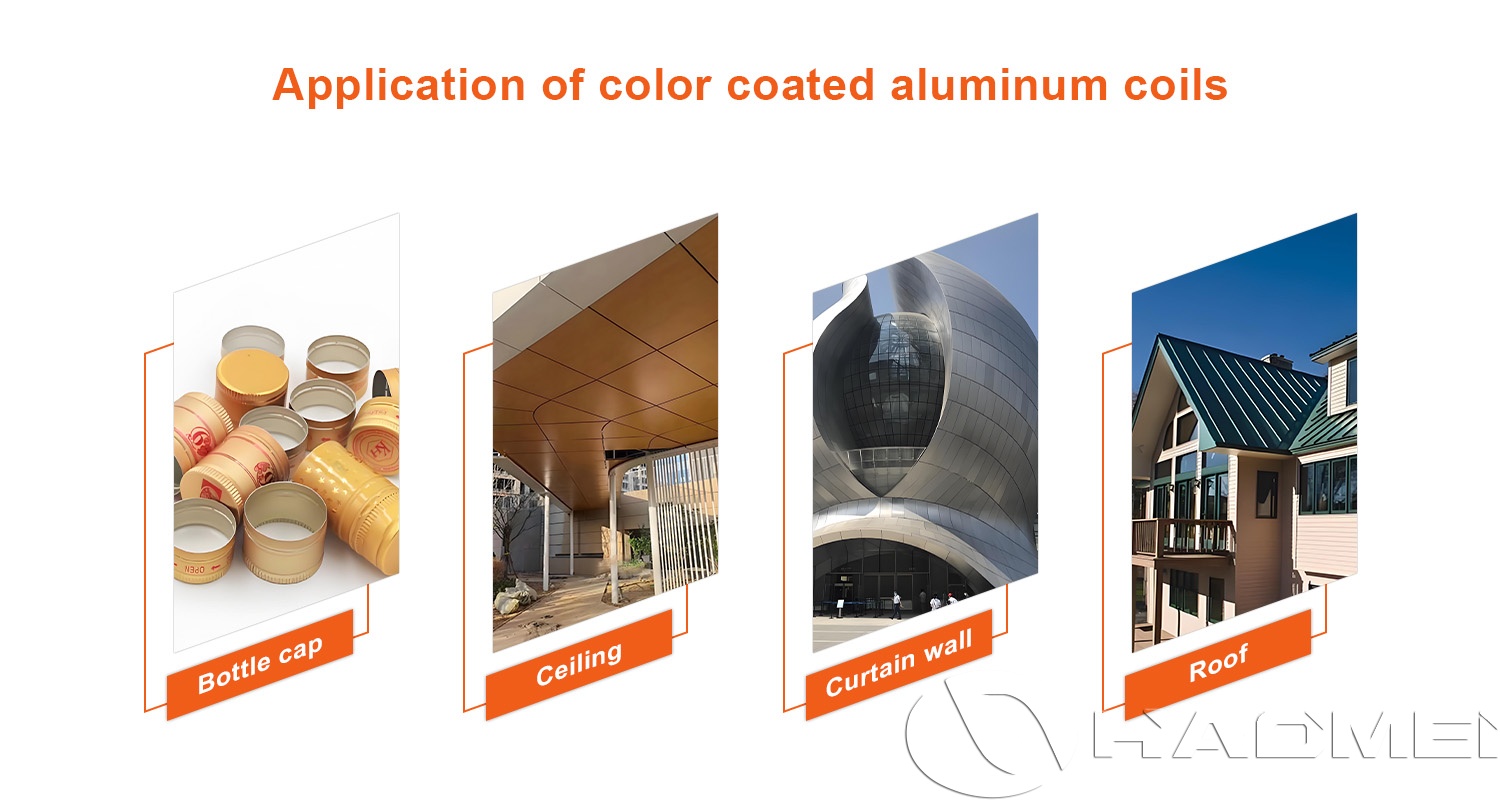
Color-coated aluminum coil is processed into a variety of roofing profiles, including standing-seam panels, corrugated sheets, trapezoidal roofing, insulated sandwich-panel skins, roof edging, flashings, ridge caps, and gutter components. Aluminum's low density reduces dead load on the supporting structure, which is particularly useful for large-span roofs and renovation projects.
For roofing, material performance depends on the interaction of alloy, temper, thickness, panel geometry, fastener design, thermal expansion allowance, and coating durability. Aluminum has a relatively high coefficient of thermal expansion, so long panels and standing-seam systems typically incorporate design details that accommodate thermal movement.
In wet or coastal environments, roofing systems also require attention to water drainage, cut-edge exposure, contact with dissimilar metals, and the potential for galvanic corrosion. The coating protects the exposed face, while the aluminum substrate provides inherent corrosion resistance when the system is properly detailed.
Ceiling Applications
For ceilings, color-coated aluminum coils are fabricated into suspended ceiling panels, lay-in tiles, clip-in panels, linear strips, baffle ceilings, perforated acoustic panels, and integrated soffit systems. The material supports a broad range of visual finishes, including white, black, silver, wood grain, stone-like patterns, brushed metallic effects, and custom architectural colors.
Aluminum ceiling coil is especially suitable for areas where low weight, moisture resistance, and easy forming are important. Typical use environments include commercial interiors, transportation hubs, offices, retail spaces, kitchens, corridors, exterior soffits, and covered public areas. Perforated aluminum ceiling panels can also be combined with acoustic backing materials to improve sound absorption.
Forming and Fabrication Considerations
The coating and substrate must remain stable through slitting, roll forming, bending, stamping, and panel assembly. Formability is influenced by alloy, temper, coating flexibility, coating thickness, bend radius, tooling condition, and forming speed.
A softer temper generally offers improved bendability, while harder tempers provide greater panel stiffness. For tight-radius bends and complex press work, coating adhesion and flexibility are evaluated through bend testing, impact testing, and forming trials. Protective film may be applied to the painted surface when the production route involves extensive handling, profiling, or stamping.
Surface scratches, coating cracks, edge damage, and inconsistent gloss can affect the visual quality of roofing and ceiling panels. Coil processing therefore commonly includes controls for tension, roller cleanliness, line speed, curing temperature, recoiling pressure, and packaging protection.
Appearance Options and Surface Design
Color-coated aluminum coils can be supplied in a wide range of architectural finishes:
Solid RAL and custom colors
High-gloss and low-gloss finishes
Matte and textured surfaces
Metallic and pearlescent coatings
Embossed finishes for enhanced stiffness or visual depth
Wood grain and marble-pattern decorative surfaces
Anti-scratch and easy-clean surface systems
For large roof and ceiling installations, color consistency is managed through controlled coating batches, gloss measurement, film-thickness monitoring, and visual inspection under standardized lighting. Metallic finishes require particularly close control because viewing angle and panel orientation can influence perceived color variation.
Quality Control for Pre-Painted Aluminum Coil
Performance validation for color-coated aluminum coils typically includes substrate verification, coating thickness measurement, gloss testing, color difference assessment, adhesion testing, pencil hardness, T-bend evaluation, impact resistance, solvent resistance, and salt-spray or humidity testing where applicable.
For exterior roofing materials, weatherability assessment may include accelerated ultraviolet exposure and corrosion testing. For ceiling applications, important controls include surface flatness, coating appearance, punchability, edge quality, and compatibility with panel-forming operations. These controls help ensure that pre-painted aluminum coil maintains coating integrity and consistent appearance from coil processing through finished roofing and ceiling panel fabrication.
-
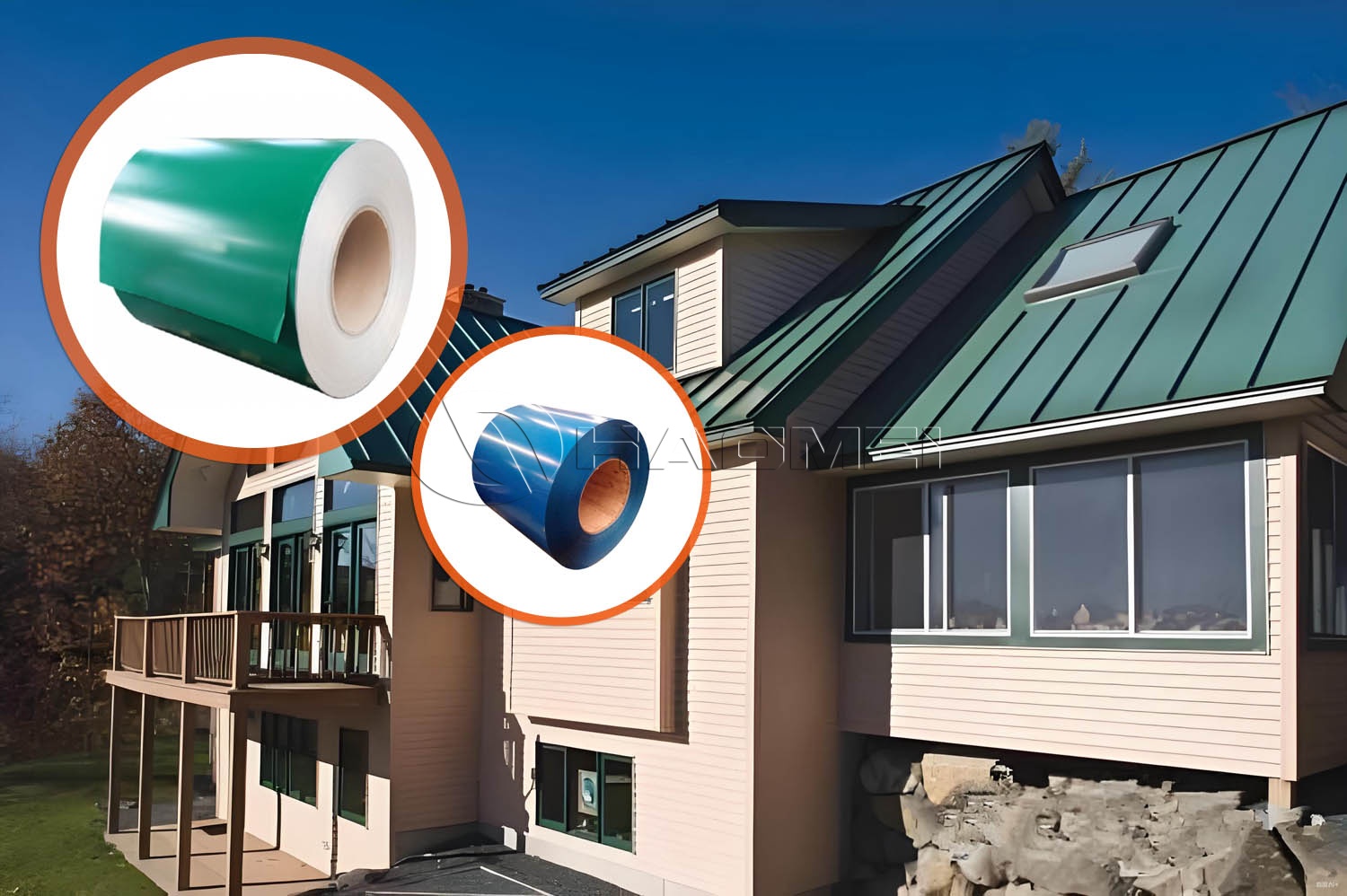
3003 Color Coated Aluminum Coil For Roofing
Explore 3003 color coated aluminum coil for roofing, including alloy features, PVDF and PE coating options, core specs, and roofing applications.
2026-04-07
-
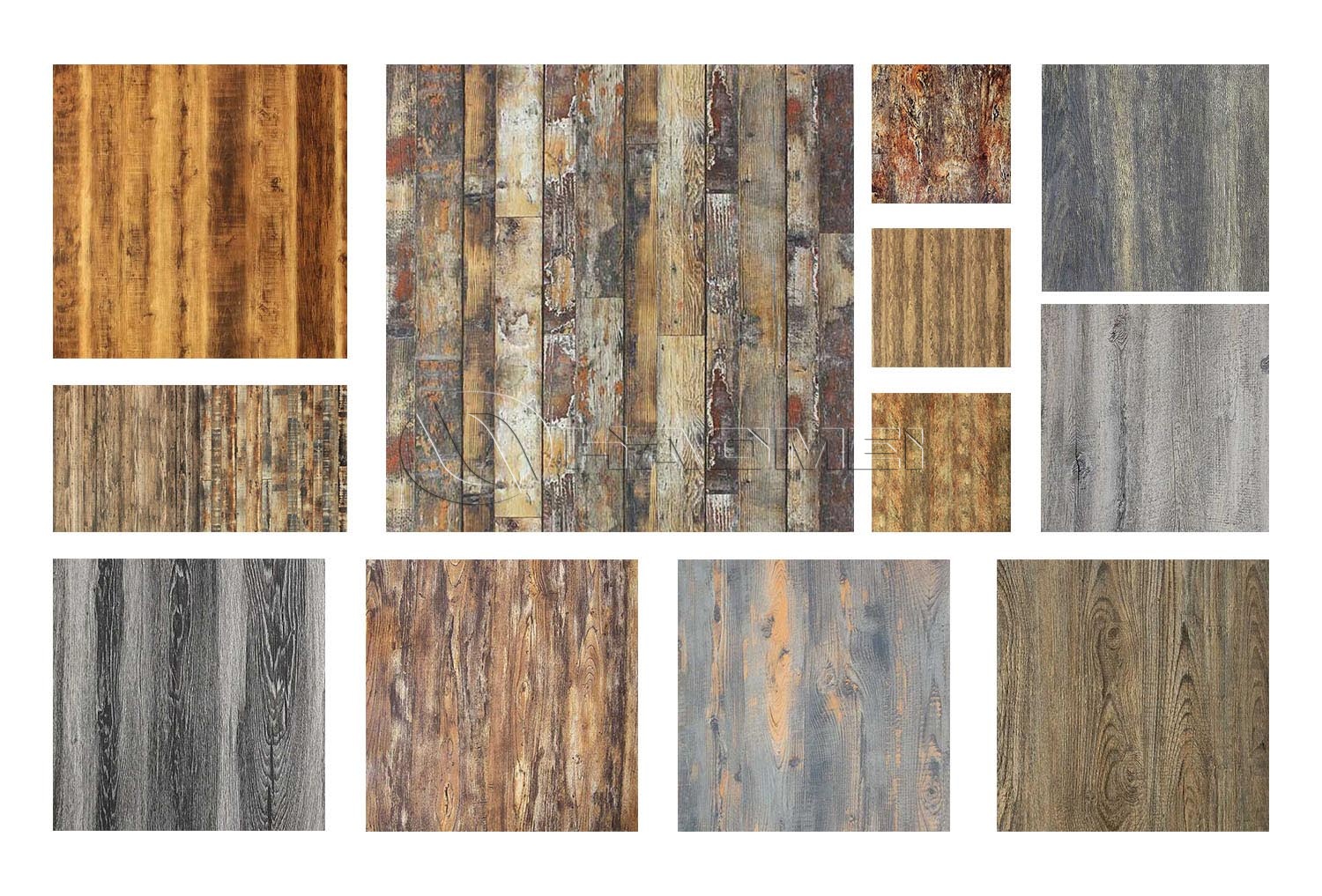
Custom Wood Grain Patterns for Aluminum Coils
Custom wood grain aluminum coil with PE or PVDF coating and transfer printing for stable color, corrosion resistance, and consistent patterns in cladding, ceilings, and shutters.
2026-02-27
-
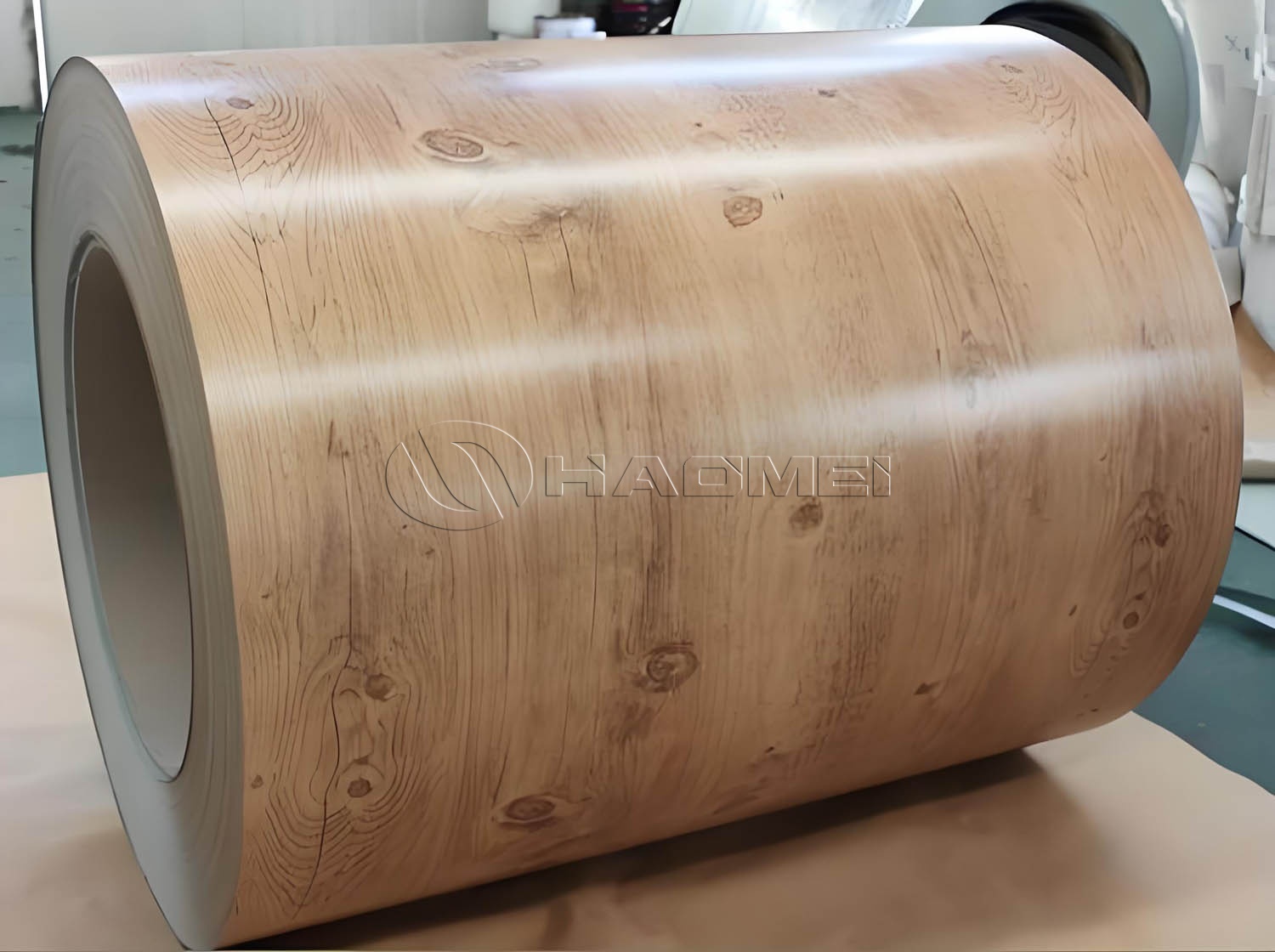
Eco-Friendly Wood Grain Color-Coated Aluminum
Eco-friendly wood grain color-coated aluminum combines recyclable metal, PE/PVDF coatings, and timber patterns for facades, ceilings, furniture, and shutters.
2026-07-09
Contact Directly
-

ADD: No.14 Waihuan Road, CBD, Zhengzhou, China
-

WhatsApp: +86-18703635966
-

E-MAIL: sales@alummc.com