

News
 By Hermione
Service Life of Camouflage-Coated Aluminum Coils
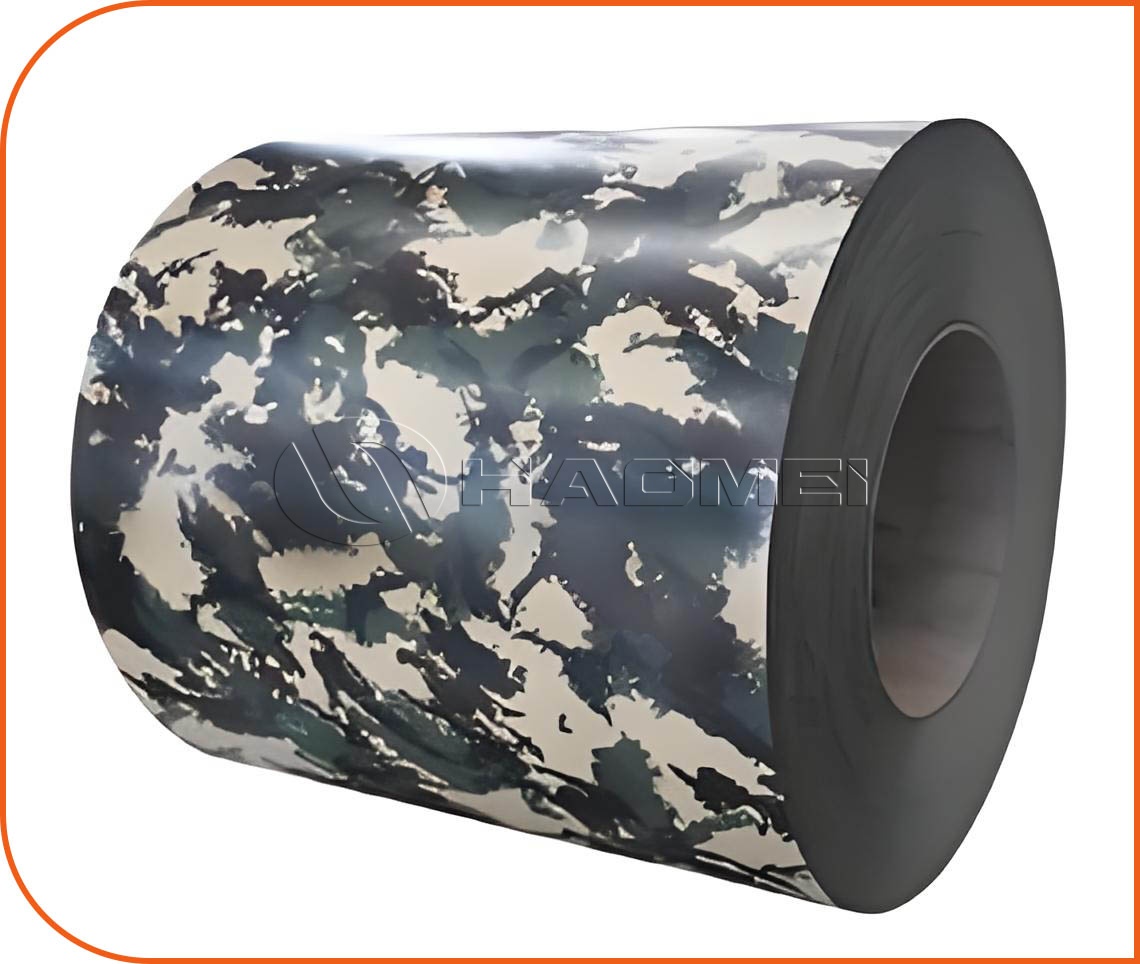
Camouflage-coated aluminum coil is a functional decorative pre-painted aluminum material positioned for projects requiring both lightweight metal performance and a patterned visual surface. It is commonly used in exterior wall panels, roofing accessories, temporary shelters, modular buildings, transport equipment, container panels, ceiling systems, and military-style commercial or architectural decoration. Its service life depends on the aluminum alloy, coating resin, pretreatment quality, pattern layer stability, installation environment, and long-term exposure conditions.
What Determines Service Life
The service life of a camouflage-coated aluminum coil is not defined only by whether the coating remains attached to the metal. In practical engineering, it usually refers to a combination of appearance retention, corrosion resistance, color stability, adhesion, chalking resistance, cracking resistance, and edge durability.
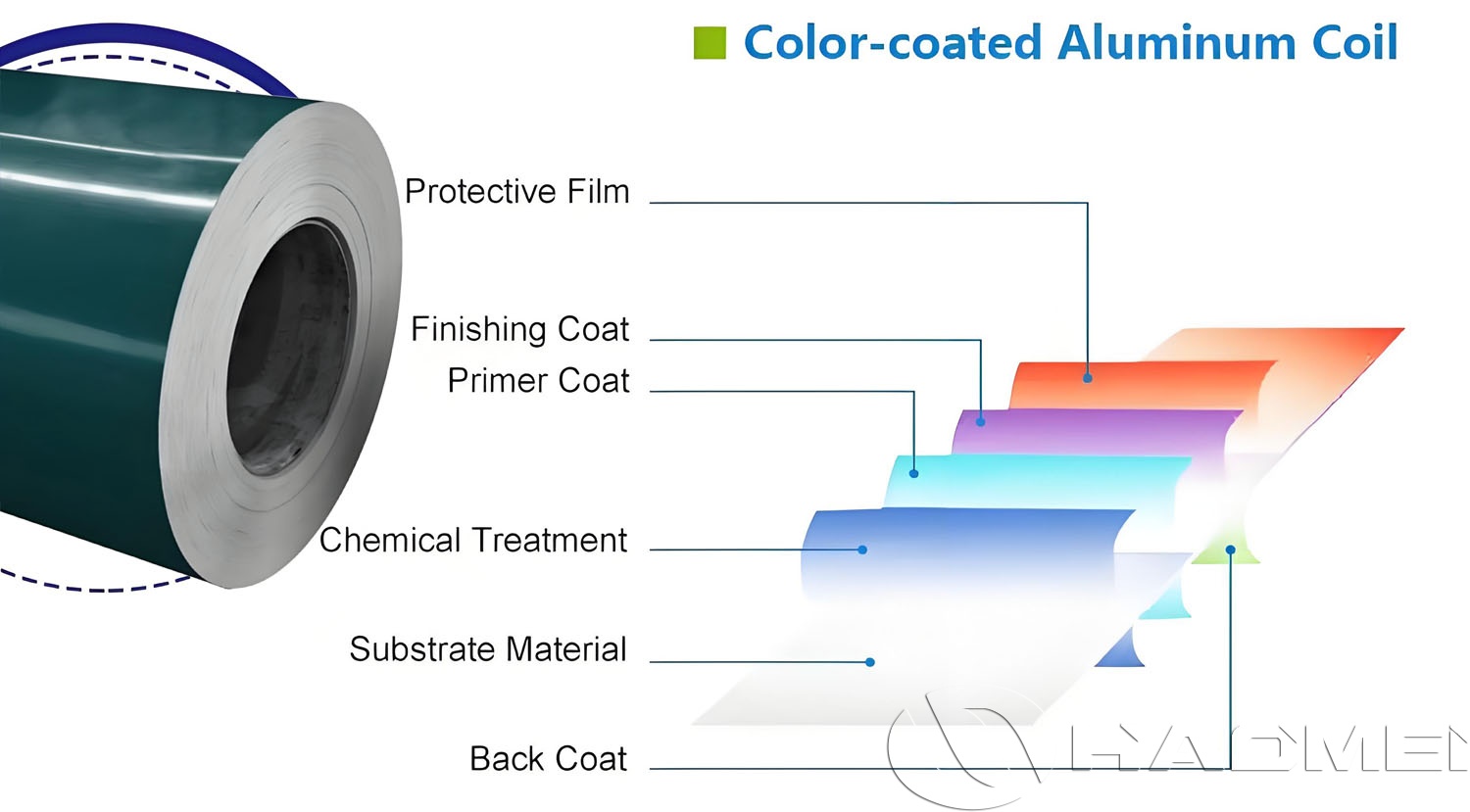
For camouflage patterns, the coating system is more complex than a single-color coil. A typical structure includes aluminum substrate, chemical conversion layer, primer, base color layer, camouflage pattern layer, and protective topcoat. The camouflage layer must maintain color contrast and pattern clarity under ultraviolet radiation, moisture, temperature cycling, and mechanical forming.
Typical Service Life by Coating System
PE and PVDF are the most common coating systems for color-coated aluminum coils. PE coatings are widely used for interior decoration, ceilings, partitions, and mild outdoor environments. PVDF coatings provide stronger UV resistance, weatherability, and color retention, making them more suitable for exterior cladding, roofing, and demanding outdoor applications.
A Camouflage Color-Coated Aluminum Coil used in exterior applications normally requires stricter control of pretreatment, primer adhesion, topcoat thickness, and curing conditions. For long-term weather resistance, a fluorocarbon system such as PVDF Coated Aluminum Coil offers better performance stability than conventional polyester systems.
| Coating System | Typical Application Environment | Approximate Service Life | Main Performance Characteristics |
|---|---|---|---|
| PE coating | Interior and mild exterior environments | 5-8 years | Good processability, economical decorative performance |
| HDP or modified polyester | General outdoor building panels | 8-12 years | Better weatherability than standard PE |
| PVDF coating | Exterior facades, roofing, harsh sunlight areas | 15-25 years | Excellent UV resistance, color retention, and chalking resistance |
| PVDF with clear protective layer | Outdoor camouflage pattern surfaces | 15-25 years | Improved pattern protection and surface durability |
Core Specifications of Camouflage-Coated Aluminum Coil
| Item | Common Range or Option |
|---|---|
| Alloy | 1060, 1100, 3003, 3004, 3105, 5005, 5052, 5754 |
| Temper | O, H14, H16, H18, H24, H26 |
| Thickness | 0.20-3.00 mm, depending on application |
| Width | 600-1600 mm, customizable by production line capability |
| Coating Type | PE, HDP, PVDF, modified polyester |
| Coating Thickness | PE: about 16-25 microns; PVDF: about 25-35 microns or higher by specification |
| Pattern Type | Woodland camouflage, desert camouflage, digital camouflage, custom multi-color pattern |
| Surface Finish | Matt, low gloss, semi-gloss, textured or protective clear coat |
| Inner Diameter | 405 mm, 505 mm, 508 mm |
| Performance Tests | T-bend, impact, adhesion, MEK rub, gloss, color difference, salt spray, QUV aging |
Common Alloys and Their Effect on Durability
The aluminum substrate does not provide the camouflage appearance, but it strongly affects mechanical performance, corrosion behavior, forming quality, and service reliability.
1060 and 1100 aluminum coils are commercially pure aluminum grades with high formability and excellent corrosion resistance. They are suitable for ceilings, interior decorative panels, signage, insulation jacketing, and lightly formed components. Their strength is relatively low, so they are less suitable for large exterior panels requiring higher stiffness.
3003 aluminum coil is one of the most widely used alloys for color-coated aluminum. The manganese addition improves strength while retaining good corrosion resistance and formability. It is commonly used for roofing, wall panels, trailer panels, gutters, and general architectural decoration.
3004 and 3105 aluminum coils provide higher strength than 3003 and are often used for exterior building envelope materials, roofing systems, and components that require better rigidity after roll forming or bending.
5005 aluminum coil offers good corrosion resistance and surface quality, making it suitable for architectural panels and decorative systems where flatness and appearance consistency are important.
5052 and 5754 aluminum coils contain magnesium and provide higher strength, better fatigue resistance, and strong corrosion resistance. These alloys are used in transport equipment, marine-adjacent environments, vehicle panels, and structural decorative applications where the coated surface must withstand more demanding service conditions.
How the Coating Structure Protects the Pattern
The camouflage surface is usually built through roller coating, printing, or multi-pass coating technology. The base layer provides background color, while the pattern layer creates visual camouflage effects. A clear or pigmented topcoat protects the pattern from abrasion, moisture penetration, chalking, and UV degradation.
For exterior use, the topcoat plays a key role in service life because the printed or patterned layer may otherwise fade faster than a solid-color surface. Proper curing is also critical. Under-curing reduces solvent resistance and adhesion, while over-curing can make the film brittle and reduce flexibility during forming.
Environmental Factors Affecting Service Life
Outdoor exposure is the primary factor that shortens the service life of camouflage-coated aluminum coils. Strong ultraviolet radiation can cause fading and chalking, especially in dark green, brown, black, and desert-tone camouflage patterns. High humidity, salt spray, acid rain, and industrial pollutants may accelerate corrosion at cut edges, scratches, and fastener locations.
Roofing applications usually experience stronger thermal cycling, rain impact, and surface contamination than vertical facade panels. Transport and shelter applications may also involve vibration, abrasion, stone impact, and repeated handling. These conditions influence the coating thickness, alloy temper, primer system, and final performance requirements.
Manufacturing Controls Related to Long-Term Performance
Stable service life depends on consistent production control from substrate cleaning to final winding. Key control points include degreasing efficiency, chemical conversion coating weight, primer compatibility, wet film thickness, oven temperature, curing time, pattern registration, coil tension, and surface protection during rewinding.
Quality validation normally includes coating adhesion, T-bend flexibility, pencil hardness, reverse impact resistance, solvent resistance, color difference, gloss retention, neutral salt spray testing, and accelerated weathering. For camouflage-coated coils, pattern repeatability and multi-color consistency are also important inspection items because color deviation can affect both visual performance and batch-to-batch uniformity.
Service Life in Typical Applications
In interior ceiling and decorative panel applications, camouflage-coated aluminum coils may maintain appearance for more than 10 years when there is limited UV exposure and low chemical contamination. In mild exterior building environments, PE-coated camouflage coils generally provide a shorter decorative life, while PVDF-coated systems can maintain gloss and color stability for 15-25 years depending on climate and coating specification.
For exterior facades, the vertical installation angle helps reduce water retention and surface abrasion, supporting longer coating life. For roofs, equipment covers, vehicle panels, and temporary structures, stronger sunlight, standing water, mechanical wear, and thermal movement may reduce the effective decorative service period even when the coating adhesion remains acceptable.
-
Color-Coated Aluminum Coils for Ceiling Applications
In modern architectural decoration, ceilings are no longer merely functional structures for concealing pipelines. They play a critical role in enhancing overall aesthetics, improving durability, and reducing long-term maintenance costs. From large airport
2025-12-26
-
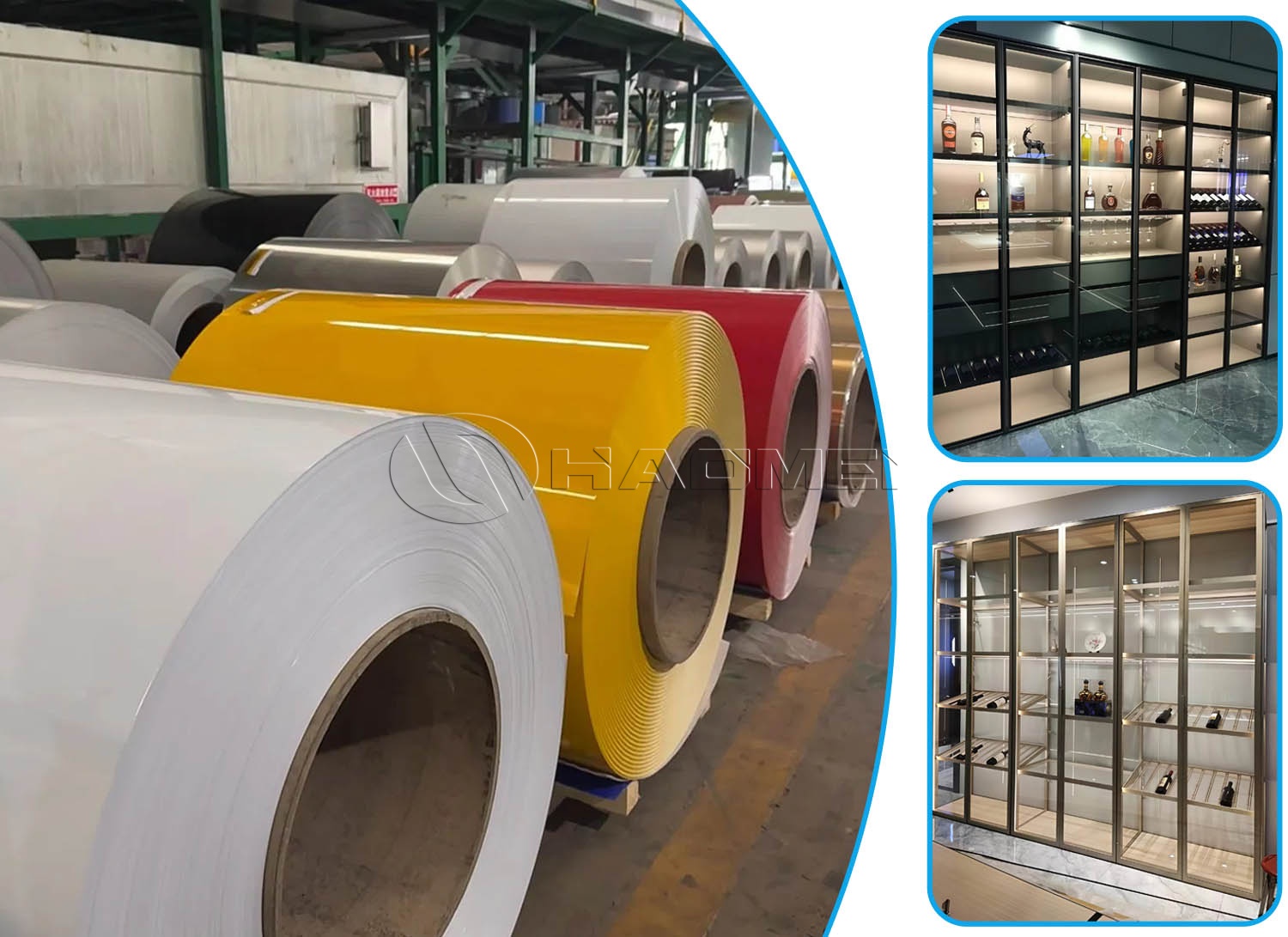
3004 PE / PVDF Color-Coated Aluminum Coil for Shopping Mall Display Cabinets
3004 PE/PVDF color-coated aluminum coil provides formability, durable finishes, and clean visual appeal for shopping mall display cabinets and trims.
2026-09-24
-
Customized 1100 Double-Layer Color-Coated Aluminum Coil
Overview of customized 1100 double-layer color-coated aluminum coil with PVDF/PE options, core specs, common alloys, and performance for roofing and cladding.
2026-03-19
Contact Directly
-

ADD: No.14 Waihuan Road, CBD, Zhengzhou, China
-

WhatsApp: +86-18703635966
-

E-MAIL: sales@alummc.com