


News
 By Hermione
ASTM B209 3105-H14 PVDF Color-Coated Aluminum Coil for Building Roofing and Curtain Walls
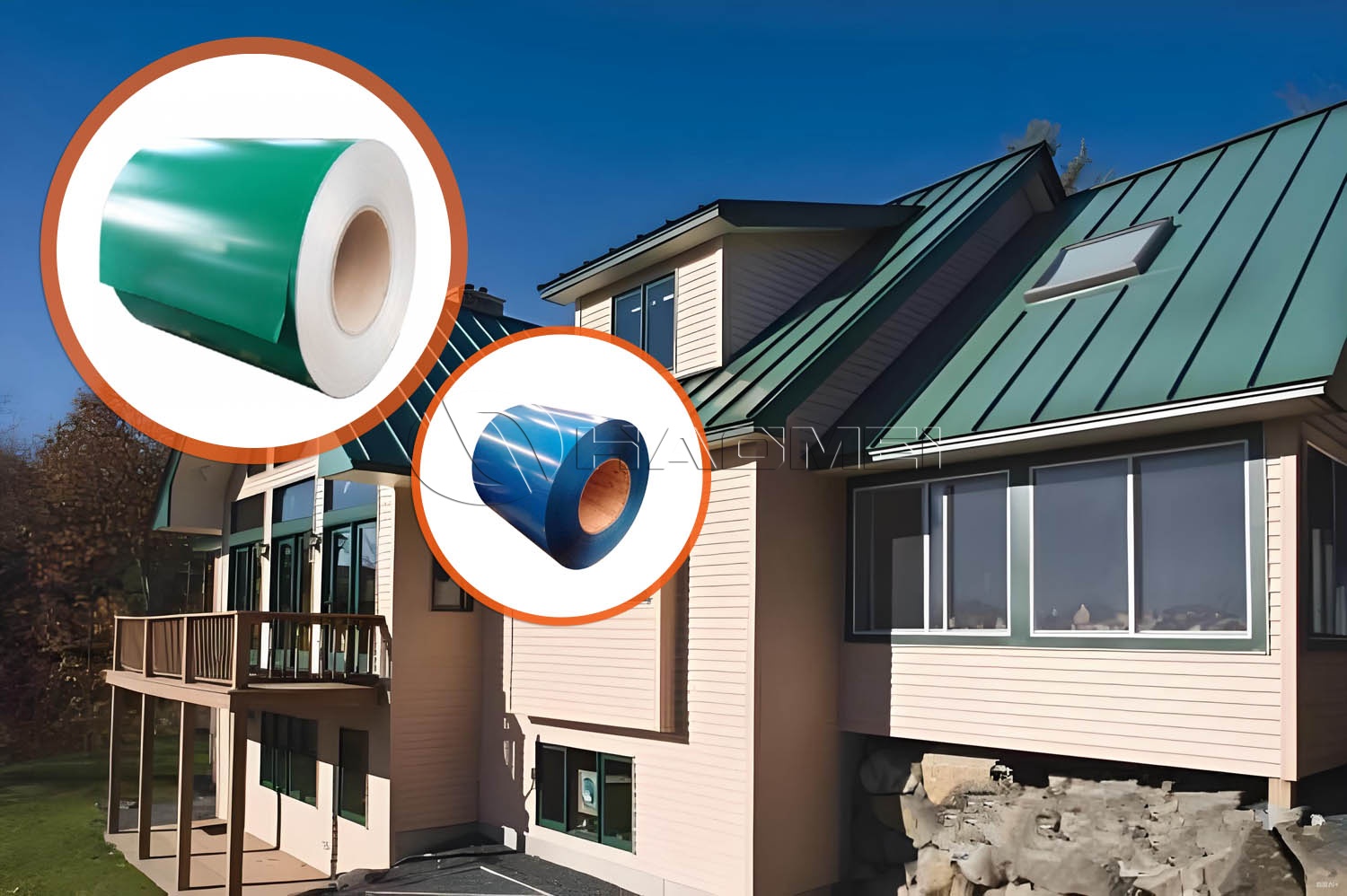
ASTM B209 3105-H14 PVDF color-coated aluminum coil is a pre-painted architectural material developed for metal roofing, wall cladding, curtain walls, soffits, fascia, and exterior decorative panels. Combining the formability of 3105 aluminum alloy with the long-term weather resistance of a PVDF coating system, it provides a lightweight, corrosion-resistant surface for building envelope applications exposed to sunlight, rain, humidity, and temperature cycling.
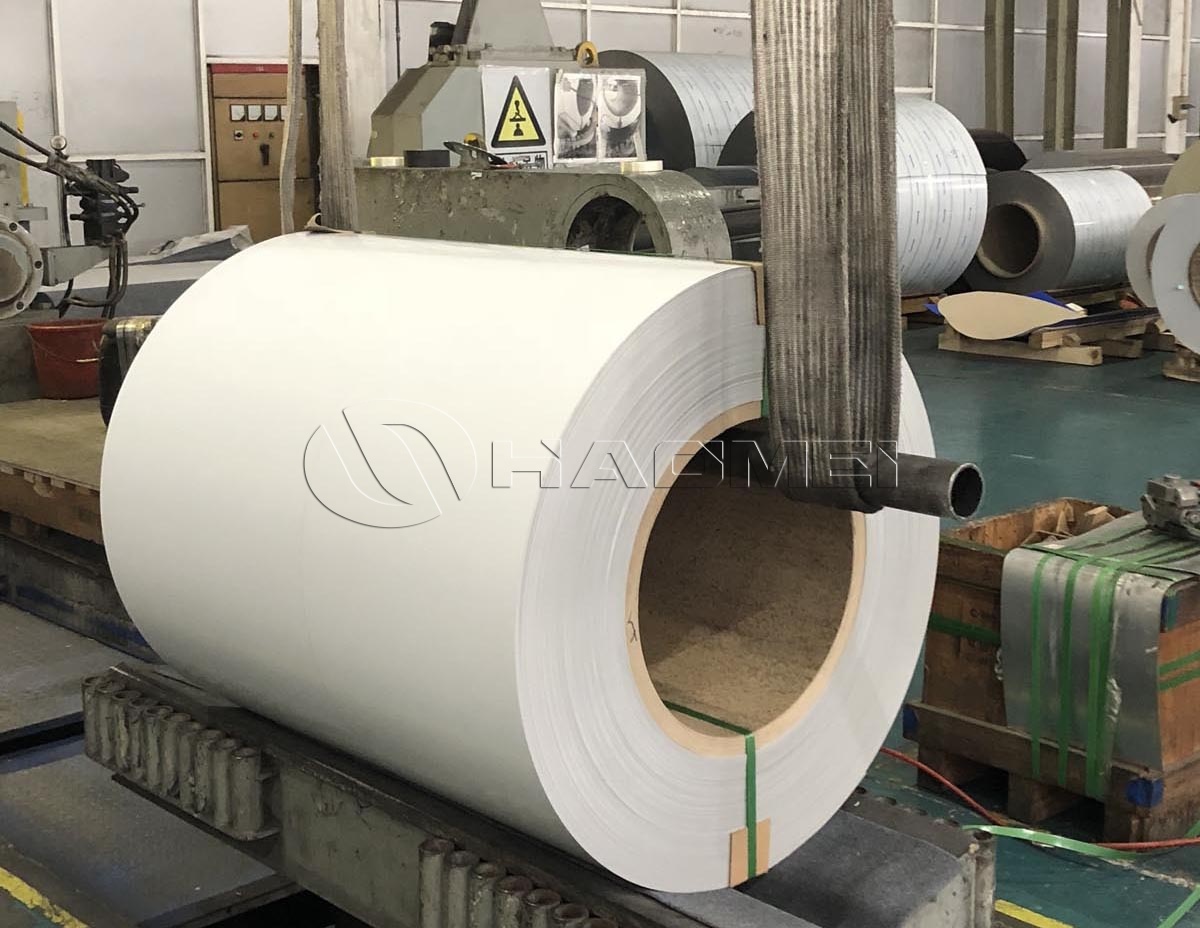
Material Basis: ASTM B209 3105-H14 Aluminum Coil
ASTM B209 covers aluminum and aluminum-alloy sheet and plate, including requirements related to chemical composition, mechanical properties, dimensional tolerances, and product quality. For color-coated coil, the ASTM B209 substrate provides the metal base, while the pre-treatment, primer, finish coat, film thickness, color, gloss, and coating performance are controlled through the agreed coating specification.
Alloy 3105 is an aluminum-manganese alloy containing a controlled amount of magnesium. It offers higher strength than commercially pure 1xxx series aluminum while retaining good bending and roll-forming performance. The H14 temper indicates strain-hardened material at approximately half-hard condition, creating a practical balance between rigidity and fabrication capability for roofing profiles and facade panels.
Typical benefits of 3105-H14 substrate include:
Good formability for roll forming, press bending, hemming, and panel profiling
Higher strength than 1050, 1060, and 1100 aluminum grades
Low density, helping reduce dead load in roofing and curtain wall assemblies
Natural corrosion resistance suitable for architectural coating systems
Stable flatness and handling performance for continuous fabrication processes
For products requiring defined substrate performance, 3105 Color Coated Aluminum Coil provides an architectural-grade balance of strength, weight, and surface quality.
PVDF Coating System for Exterior Durability
PVDF, or polyvinylidene fluoride, is widely used for exterior-grade aluminum coil coatings where color retention, chalk resistance, and UV durability are important. Architectural PVDF systems commonly use fluoropolymer resin technology with weather-resistant pigments to maintain appearance during long-term outdoor exposure.
A typical pre-painted coil structure includes aluminum substrate, chemical conversion treatment, primer, PVDF topcoat, and optional back coat. The conversion layer promotes adhesion and improves corrosion resistance, while the primer supports coating flexibility and barrier protection. The PVDF finish layer provides the visible color and primary weathering performance.
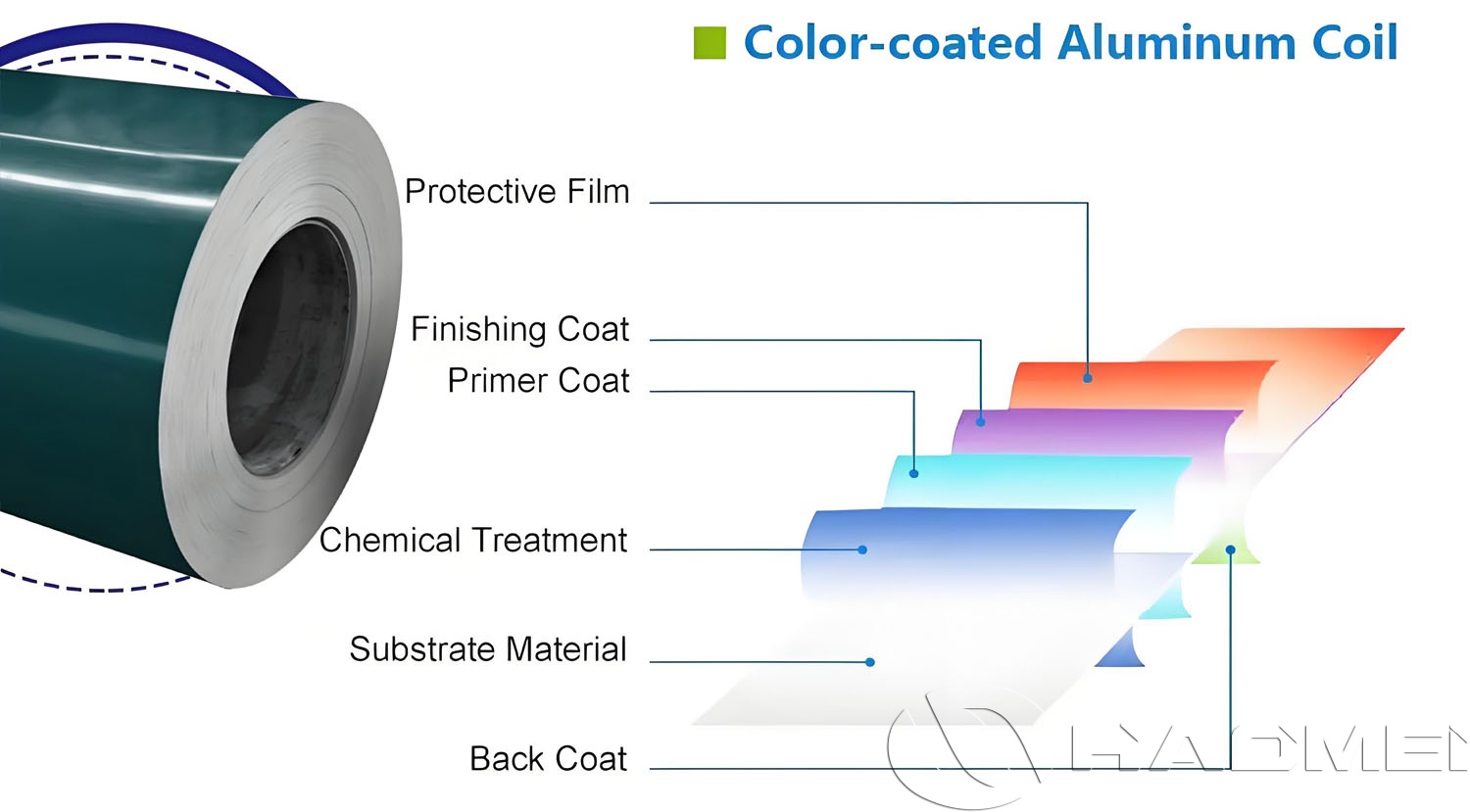
Depending on the building design, the finish can be supplied in solid colors, metallic shades, matte surfaces, high-gloss surfaces, embossed textures, or selected architectural patterns. A PVDF Coated Aluminum Coil is particularly suitable where the exterior surface must maintain a consistent visual appearance under prolonged sunlight and changing weather conditions.
Core Specifications of ASTM B209 3105-H14 PVDF Color-Coated Aluminum Coil
Product Specification Table
| Item | Typical Specification |
|---|---|
| Product name | ASTM B209 3105-H14 PVDF color-coated aluminum coil |
| Base alloy | AA 3105 |
| Temper | H14 |
| Applicable substrate standard | ASTM B209 |
| Coating type | PVDF fluoropolymer coating |
| Coating structure | Conversion coating + primer + PVDF topcoat + optional back coat |
| Top-coat thickness | Commonly 20-30 μm, subject to coating system specification |
| Back-coat thickness | Commonly 5-10 μm, subject to end use |
| Aluminum thickness | Commonly 0.30-1.50 mm |
| Coil width | Commonly 600-1,600 mm |
| Coil inner diameter | Commonly 508 mm or 610 mm |
| Surface finish | Smooth, matte, gloss, metallic, embossed, or customized pattern |
| Color | Standard architectural colors or customized colors |
| Main applications | Roofing sheets, curtain walls, facade panels, soffits, gutters, flashings, ceilings |
Actual mechanical values, coating thickness, dimensions, and test requirements vary with coil gauge, coating formulation, panel design, fabrication method, and project specification.
Performance in Roofing and Curtain Wall Systems
Roofing Applications
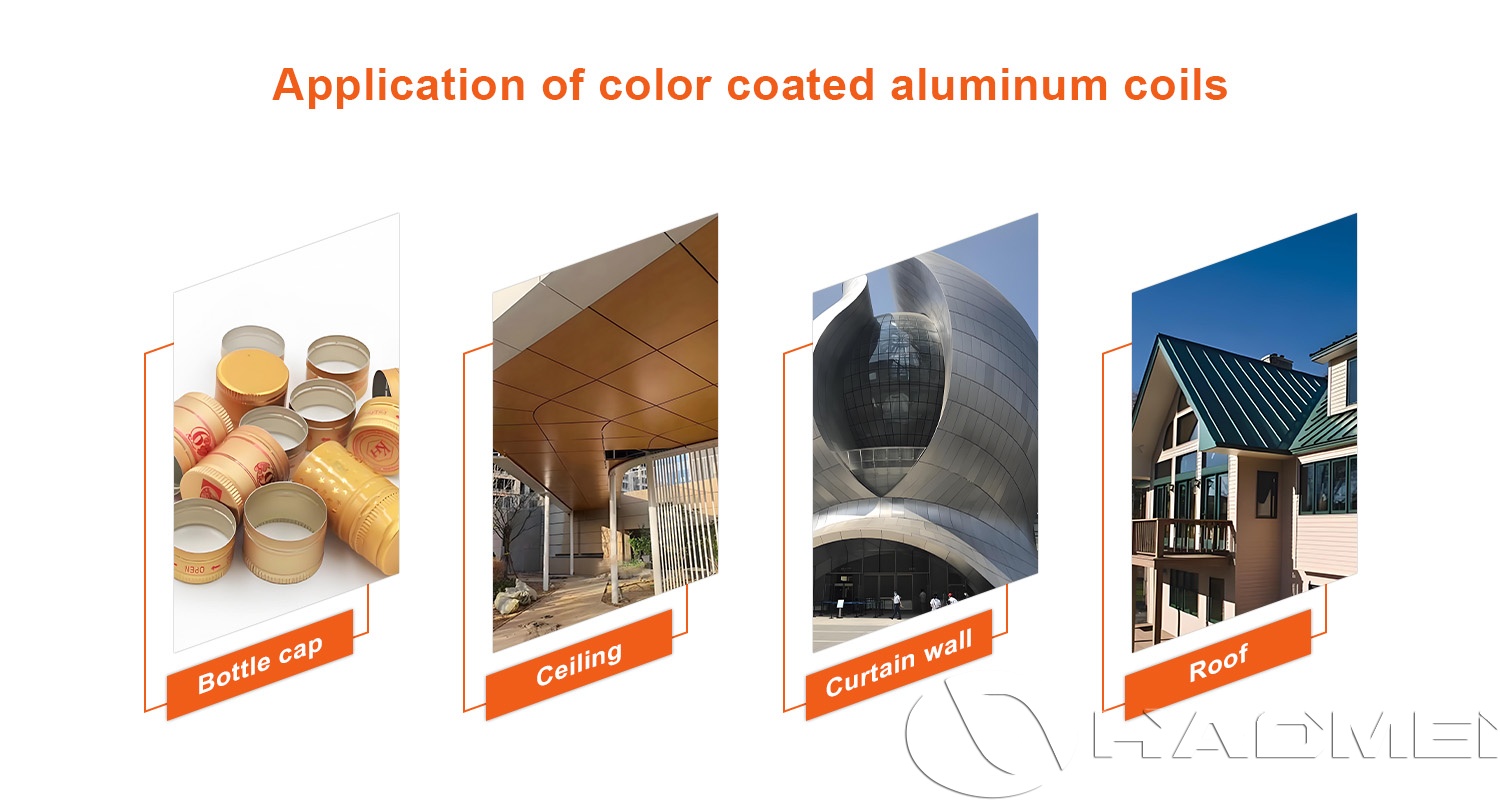
3105-H14 PVDF color-coated aluminum coil is processed into standing seam panels, corrugated roofing sheets, insulated sandwich panels, roof flashings, ridge caps, gutters, and drainage components. The alloy's moderate strength supports profile definition during roll forming, while its ductility helps accommodate bends and hems used in roofing details.
Aluminum's light weight is advantageous in large-span roofs and renovation projects where structural load management is important. The PVDF finish provides a durable exterior layer that resists UV-related fading and surface chalking more effectively than conventional interior-grade coatings.
Curtain Walls and Facade Cladding
For curtain walls and facade systems, pre-painted 3105 aluminum coil can be fabricated into cassette panels, rainscreen cladding, column covers, spandrel panels, trims, louvers, and decorative architectural profiles. Uniform factory-applied coating supports consistent color and gloss across multiple panels, helping maintain visual continuity over broad elevations.
The coil coating process applies paint to flat aluminum strip before fabrication. This controlled production route supports even film build and surface appearance, including at locations later formed into bends, hems, or profiled sections within the allowable forming range of the coating system.
Common Aluminum Alloys for Color-Coated Architectural Coil
Although 3105-H14 is widely used for roofing and curtain wall applications, several aluminum alloys are used across the color-coated coil range. The appropriate alloy depends on required panel stiffness, forming complexity, thickness, exposure environment, and structural configuration.
| Alloy | General Characteristics | Typical Architectural Uses |
|---|---|---|
| 1050 / 1060 / 1100 | High aluminum purity, excellent formability, lower strength | Ceilings, interior trim, decorative panels, light-duty cladding |
| 3003 | Aluminum-manganese alloy with good corrosion resistance and formability | Roofing, wall panels, gutters, general building sheet |
| 3004 | Higher strength than 3003 with good forming capability | Profiled roofing, stronger wall cladding, formed panels |
| 3105 | Moderate strength, good flatness, strong roll-forming suitability | Roofing sheets, curtain walls, fascia, soffits, siding |
| 5005 | Good anodizing appearance and architectural surface quality | Decorative facade panels and architectural sheet |
| 5052 | Higher magnesium content, improved strength and corrosion resistance | Coastal cladding, marine-influenced environments, robust formed parts |
| 5754 | Good corrosion resistance and medium strength | Transportation-related building components and demanding exterior panels |
Compared with 1xxx series color-coated aluminum, 3105-H14 generally provides better rigidity for building panels of equivalent thickness. Compared with higher-magnesium 5xxx series alloys, it offers an economical and highly processable solution for many standard architectural roofing and facade systems.
Manufacturing and Surface Quality Control
The quality of PVDF color-coated aluminum coil depends on both substrate consistency and coating-line control. Before coating, the aluminum strip is cleaned and chemically treated to remove contaminants and create a conversion layer that supports adhesion. Primer and PVDF finish coats are then applied in a continuous coil-coating process and thermally cured under controlled conditions.
Key quality-control items typically include:
Aluminum thickness, width, camber, and flatness
Alloy and temper verification
Surface cleanliness before coating
Dry-film thickness of primer, topcoat, and back coat
Color consistency, gloss level, and visual surface uniformity
Coating adhesion and bend performance
Solvent resistance and impact resistance, where specified
Salt spray, humidity, and accelerated weathering performance according to the applicable coating specification
Coating flexibility is particularly important for roll-formed roofing and folded curtain wall profiles. A properly balanced PVDF system maintains adhesion during fabrication while preserving exterior durability after installation.
Architectural Fabrication Considerations
3105-H14 PVDF aluminum coil is commonly converted into finished building products by slitting, roll forming, press braking, stamping, folding, and panel fabrication. Coil thickness and temper influence the minimum bend radius, profile depth, oil-canning tendency, fastening layout, and overall panel stiffness.
For exterior construction, the final assembly also affects service performance. Factors such as drainage design, thermal movement, edge treatment, contact with dissimilar metals, sealant compatibility, and ventilation behind cladding panels influence the long-term behavior of the aluminum roofing or curtain wall system.
PVDF color-coated surfaces are generally intended to retain a uniform appearance in outdoor environments, but visible performance can be affected by installation orientation, local pollution, cleaning exposure, roof runoff, and differences in adjacent materials. Consistent coil batches and controlled coating parameters help reduce variation across large architectural elevations.
-
Advantages of 1100 Prepainted Aluminum Coil for Roofing
Explore the advantages of 1100 prepainted aluminum coil for roofing, including corrosion resistance, formability, coating options, and alloy selection.
2026-03-24
-
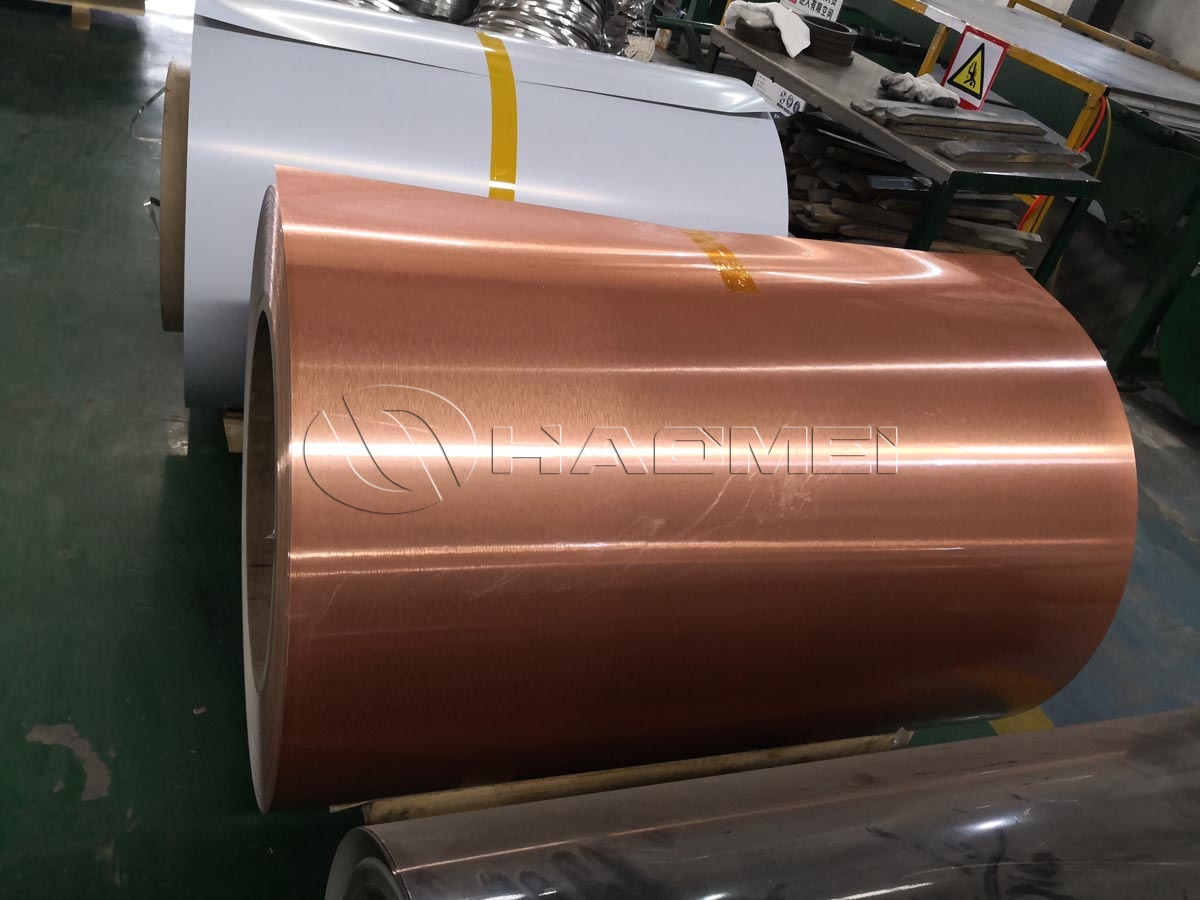
Matte Finish 1000 Series Color Coated Aluminum
Matte finish 1000 series color coated aluminum coil with PE/PVDF options, clean forming, and stable color for trim, ceilings, and lightweight panels.
2026-01-20
-
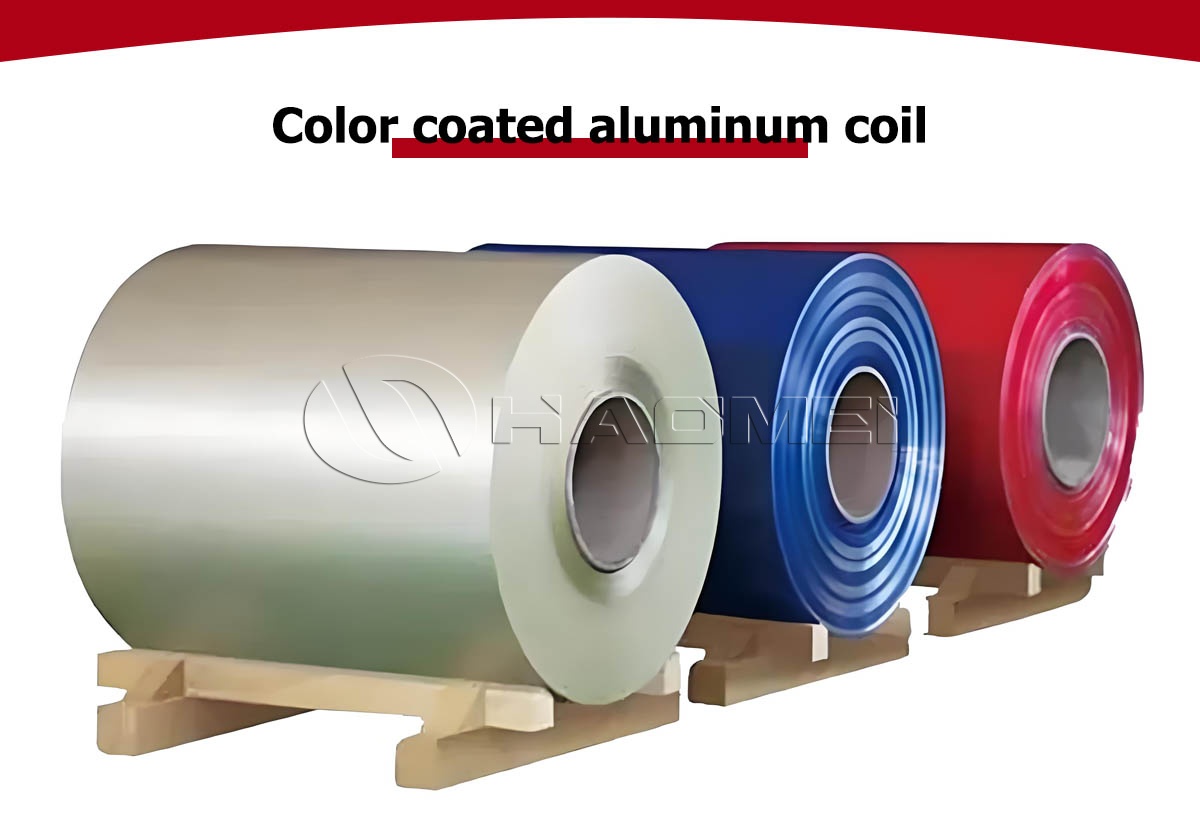
1060 H24 Color Coated Aluminum Coil For Sale
Explore 1060 H24 color coated aluminum coil with PE or PVDF coating, stable formability, and corrosion resistance for roofing, cladding, fascia, and trim.
2026-02-13
Contact Directly
-

ADD: No.14 Waihuan Road, CBD, Zhengzhou, China
-

WhatsApp: +86-18703635966
-

E-MAIL: sales@alummc.com
