

News
 By Hermione
Pvdf Aluminum Coil For Curtain Wall Systems
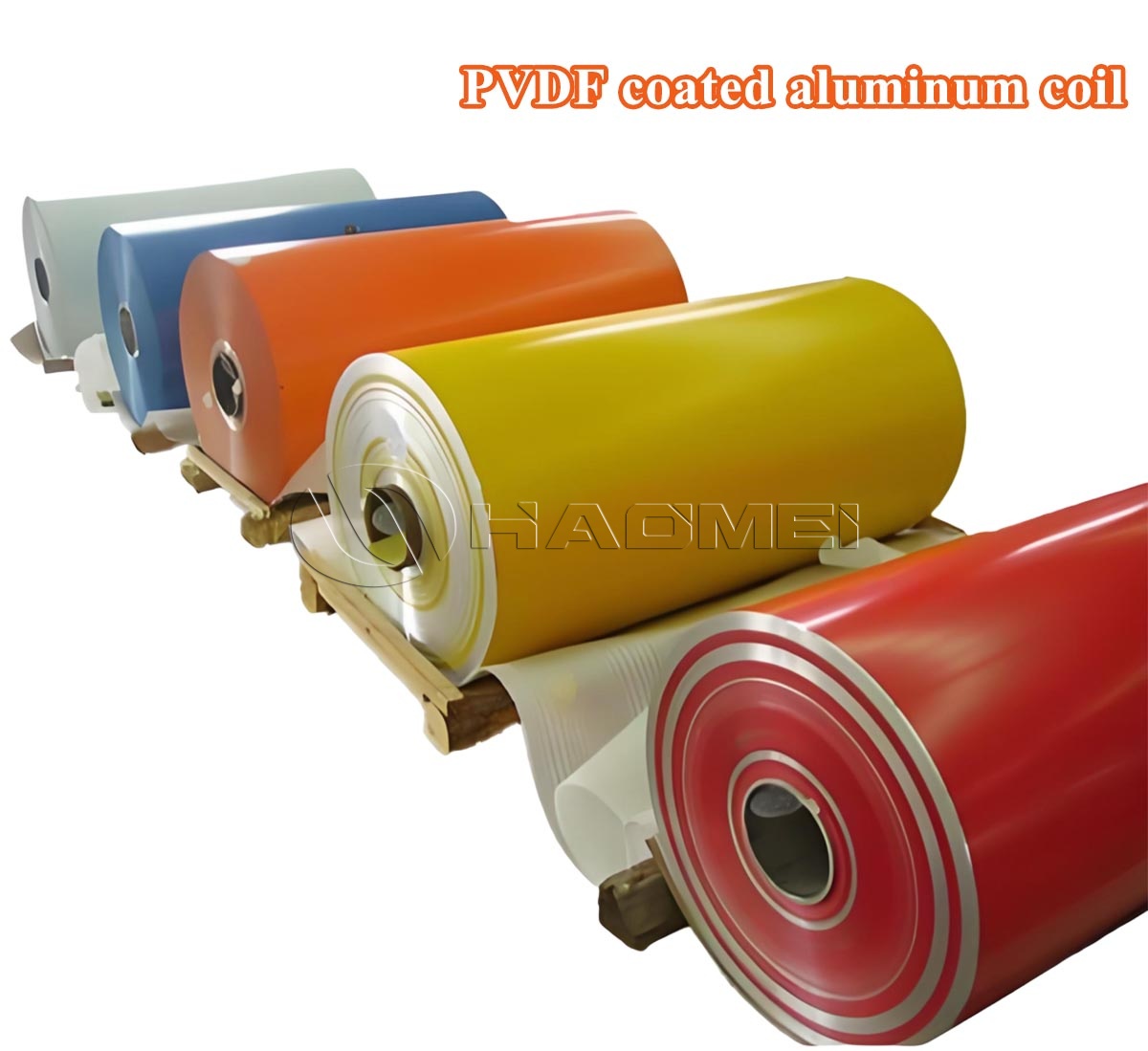
PVDF coated aluminum coil for curtain wall systems is positioned as a high-durability pre-painted aluminum material for exterior architectural envelope applications. It is widely used in aluminum solid panels, aluminum composite panels, honeycomb panels, column covers, soffits, canopies, fascia systems, and other facade components exposed to sunlight, rain, wind, pollution, and temperature variation.
Material Role in Curtain Wall Systems
Curtain wall cladding requires a material that combines low weight, stable flatness, corrosion resistance, color consistency, and long-term weatherability. PVDF coated aluminum coil meets these requirements by combining an aluminum substrate with a fluorocarbon coating system. The coil-coated format also supports continuous production, controlled film thickness, uniform color, and efficient downstream fabrication.
Compared with post-painted panels, pre-painted coil provides more stable coating quality because cleaning, chemical pretreatment, primer application, top coating, baking, and inspection are completed under continuous process control. For curtain wall panels, this helps maintain consistent gloss, color difference, adhesion, and surface appearance across large facade areas.
A typical PVDF Coated Aluminum Coil used for curtain wall systems is selected according to panel type, forming method, exposure environment, design color, gloss level, and expected service life.
PVDF Coating Structure and Performance
PVDF coating is based on polyvinylidene fluoride resin, commonly formulated with high-performance pigments and additives. In architectural applications, the PVDF resin content is usually specified at a high level to support resistance to UV degradation, chalking, color fading, and chemical attack.
The coating system is generally arranged as follows:
Aluminum substrate
Chemical conversion layer for corrosion protection and paint adhesion
Primer layer for bonding and barrier performance
PVDF topcoat for color, gloss, and weather resistance
Optional clear coat for metallic, mica, or special effect finishes
Back coat or service coating depending on panel design
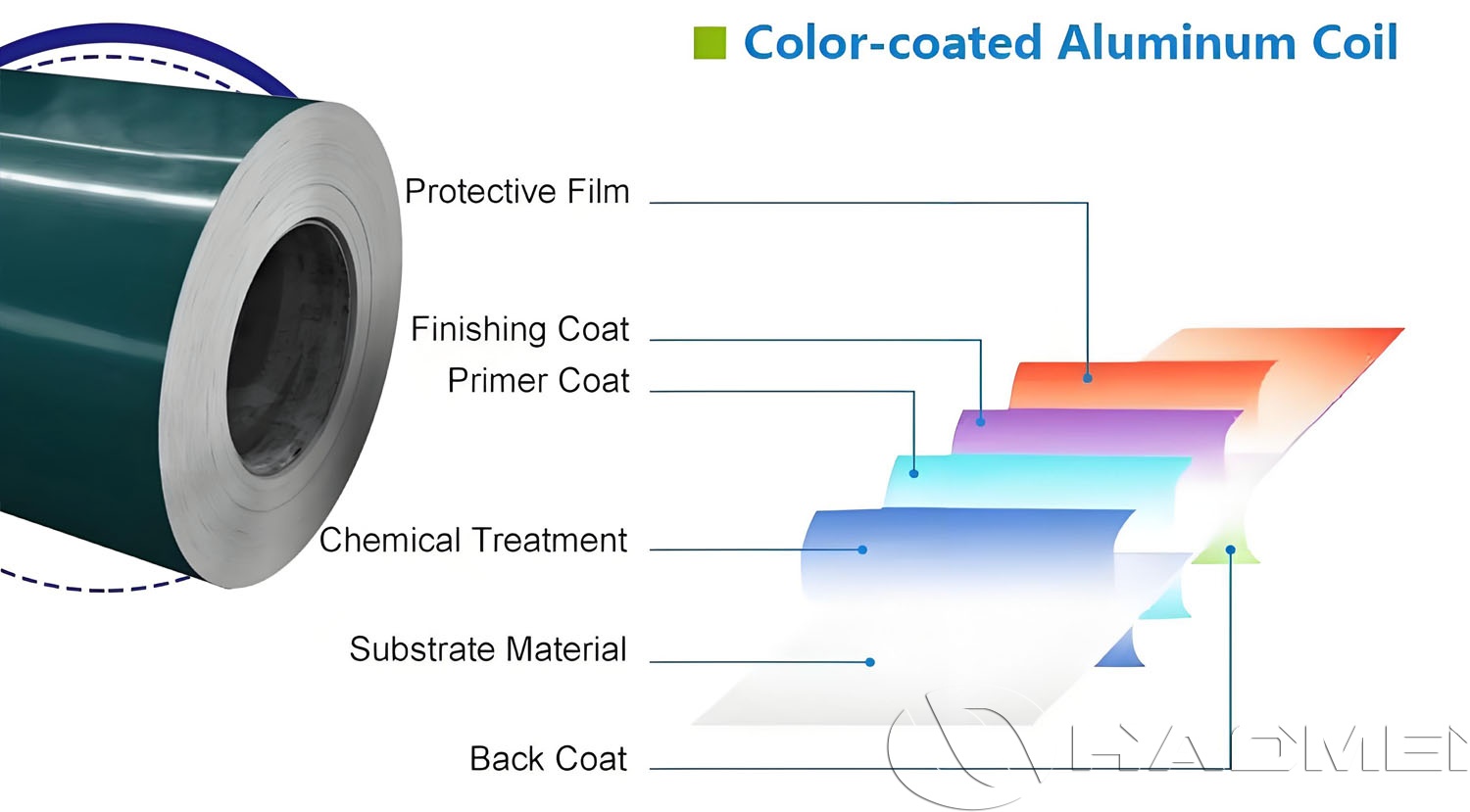
For exterior curtain walls, two-coat PVDF systems are commonly used for solid colors, while three-coat or four-coat systems are often applied to metallic colors, pearlescent finishes, and projects requiring enhanced depth or protection. The coating must maintain adhesion during bending, routing, roll forming, and panel assembly.
Core Specifications of PVDF Coated Aluminum Coil for Curtain Wall Systems
| Specification Item | Common Range or Option |
|---|---|
| Product type | PVDF color coated aluminum coil |
| Typical applications | Curtain wall panels, ACP skins, honeycomb panels, soffits, column covers, facade trim |
| Common alloys | 1100, 1060, 3003, 3004, 3105, 5005, 5052 |
| Common tempers | O, H14, H24, H26, H32, H34, H44, depending on alloy and forming requirement |
| Thickness range | 0.20-3.00 mm, with facade panels often using medium to thick gauges |
| Width range | Commonly 800-1600 mm, subject to coating line capability |
| Coating system | 2-coat, 3-coat, or 4-coat PVDF fluorocarbon coating |
| Top coating thickness | Commonly 20-25 μm for standard exterior use |
| Total coating thickness | Commonly 25-35 μm, higher for special systems |
| Back coating | Epoxy, polyester, or service back coat according to bonding and corrosion requirements |
| Surface finish | Solid color, metallic, mica, matte, high gloss, stone-like or customized architectural finish |
| Color standard | RAL, Pantone, customer sample, or project-specific color control |
| Key performance | Weather resistance, color retention, corrosion resistance, formability, coating adhesion |
Performance Advantages of PVDF Aluminum Coil for Curtain Wall Systems
Excellent Weather Resistance:
The PVDF fluorocarbon coating offers strong resistance to UV radiation, high and low temperatures, acid rain, and salt spray. It can be used outdoors for more than 20 years without fading or chalking.
Corrosion and Stain Resistance:
The dense and stable coating effectively blocks moisture and corrosive media. Its self-cleaning surface makes dust and stains easy to wash away, reducing maintenance costs.
Good Mechanical Properties and Processability:
The aluminum substrate has excellent toughness and can be bent, roll-formed, and cut, making it suitable for complex curtain wall designs. The coating has strong adhesion and will not peel or crack during processing.
Rich and Stable Colors:
A wide range of colors is available with minimal color difference, ensuring a uniform visual effect across the entire curtain wall and maintaining a long-lasting decorative appearance.
Fire-Resistant and Eco-Friendly:
It offers good flame-retardant performance, is non-toxic and odorless, and complies with building fire safety and environmental protection standards.
Commonly Used Aluminum Alloys
Alloy selection directly affects strength, formability, flatness, corrosion resistance, and fabrication performance. Curtain wall systems do not rely only on coating quality; the substrate must also match the structural and forming requirements of the final panel.
1100 and 1060 Aluminum
1100 and 1060 are commercially pure aluminum grades with excellent formability and corrosion resistance. They are suitable for decorative cladding components, ceilings, trim parts, and applications where severe forming is required but high mechanical strength is not the primary design factor. These alloys are also valued for smooth surface quality before coating.
3003 Aluminum
3003 is one of the most common alloys for architectural coated aluminum because it offers a balanced combination of moderate strength, good formability, corrosion resistance, and stable coating performance. A 3003 Color Coated Aluminum Coil is frequently used for aluminum composite panel skins, solid panels, and general facade cladding where bending and flatness are both important.
3004 and 3105 Aluminum
3004 and 3105 provide higher strength than 3003 while maintaining good workability. They are often selected for exterior building panels, roofing-related components, wall cladding, and formed facade elements that require improved rigidity. Their mechanical properties make them suitable for medium-duty architectural applications exposed to outdoor environments.
5005 Aluminum
5005 is widely used for architectural facade panels because of its good anodizing and coating compatibility, improved strength compared with pure aluminum grades, and attractive surface quality. For curtain wall projects where panel flatness and visual consistency are important, 5005 is often considered a premium architectural substrate.
5052 Aluminum
5052 offers higher strength and better marine corrosion resistance due to its magnesium content. It is suitable for coastal facades, transportation hubs, industrial buildings, and other environments where strength and corrosion resistance are more demanding. Its forming behavior should be considered during bending radius design and panel fabrication.
Manufacturing and Process Control
PVDF aluminum coil production begins with substrate inspection to confirm thickness, width, surface cleanliness, and mechanical properties. The aluminum strip then passes through degreasing and chemical pretreatment to create a stable conversion layer. This step is essential for coating adhesion and under-film corrosion resistance.
After pretreatment, primer and PVDF topcoat are applied through precision roll coating. Baking temperature, line speed, wet film thickness, curing profile, and cooling conditions are controlled to ensure the coating reaches the required hardness, flexibility, solvent resistance, and adhesion. For metallic colors, orientation of aluminum or mica pigments must be carefully managed to reduce color variation between batches and panel directions.
Key process control points include:
Substrate surface cleanliness and roughness
Chemical pretreatment weight and uniformity
Primer compatibility with PVDF topcoat
Dry film thickness control across coil width
Oven temperature and peak metal temperature
Gloss, color difference, and metallic effect consistency
T-bend, impact, adhesion, and MEK resistance testing
Curtain Wall Fabrication Considerations
PVDF coated aluminum coil used for curtain wall systems is often processed into flat sheets or panel skins before cutting, grooving, bending, bonding, riveting, or cassette assembly. The coating must withstand fabrication without cracking, peeling, or excessive whitening at bends.
For aluminum composite panels, coil thickness, coating flexibility, and back coat compatibility influence lamination quality and panel stability. For solid aluminum panels, the alloy-temper combination must support routing and bending while maintaining stiffness after installation. For honeycomb panels, surface skin thickness and coating performance affect overall flatness, bonding reliability, and facade appearance.
Important engineering factors include panel size, wind load, fixing method, thermal expansion allowance, bending radius, and joint design. In large curtain wall elevations, batch color control and installation direction are especially important for metallic or mica PVDF finishes.
Performance Validation for Architectural Use
PVDF coated aluminum coil for curtain walls is typically evaluated through a combination of laboratory tests and production inspections. Common performance items include coating thickness, color difference, gloss, pencil hardness, adhesion, impact resistance, T-bend flexibility, solvent resistance, salt spray resistance, humidity resistance, acid and alkali resistance, and accelerated weathering.
For exterior facades, weatherability is a core requirement. A properly formulated PVDF coating helps resist UV exposure, temperature cycling, airborne contaminants, and moisture. This makes the material suitable for long-term use on commercial buildings, public facilities, airports, railway stations, office towers, residential complexes, and industrial architectural envelopes.
Finish Options for Curtain Wall Design
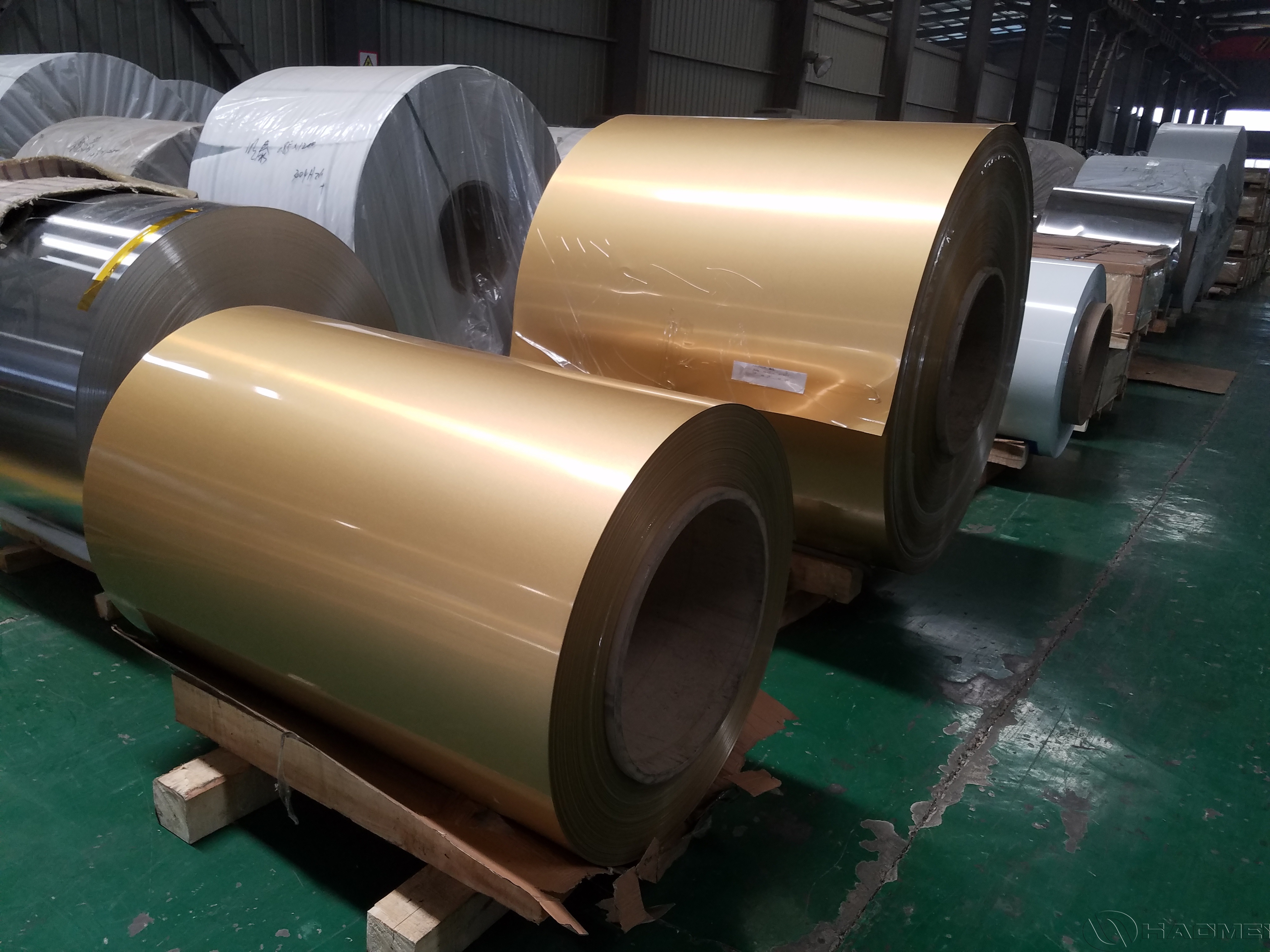
PVDF aluminum coil can be produced in a broad range of architectural finishes. Solid colors provide clean and stable facade expression, while metallic and mica finishes create depth and light reflection. Matte finishes are often used for modern low-glare designs, and special decorative patterns can be developed for project-specific visual effects.
Color control is especially critical for curtain wall systems because panels are installed side by side across large surfaces. Production batch management, color measurement, gloss control, and directional marking help reduce visible variation after installation.
Technical Advantages in Facade Applications
PVDF aluminum coil supports curtain wall performance through a combination of material and coating advantages:
Low density helps reduce building envelope weight
Good formability supports bending, routing, and panel fabrication
Fluorocarbon coating improves UV and weather resistance
Aluminum substrate provides corrosion resistance and recyclability
Coil coating ensures uniform film thickness and stable surface quality
Multiple alloy options match different strength and forming requirements
Wide color and gloss range supports architectural design requirements
These characteristics make PVDF aluminum coil a practical material platform for curtain wall systems that require durability, dimensional stability, process efficiency, and long-term visual consistency.
-
Pvdf Aluminum Coil For Curtain Wall Systems
PVDF aluminum coil for curtain wall systems, covering coating structure, alloys, specifications, durability, and facade performance for architectural cladding.
2026-05-29
-
Oak Wood Grain Color-Coated Aluminum Coil
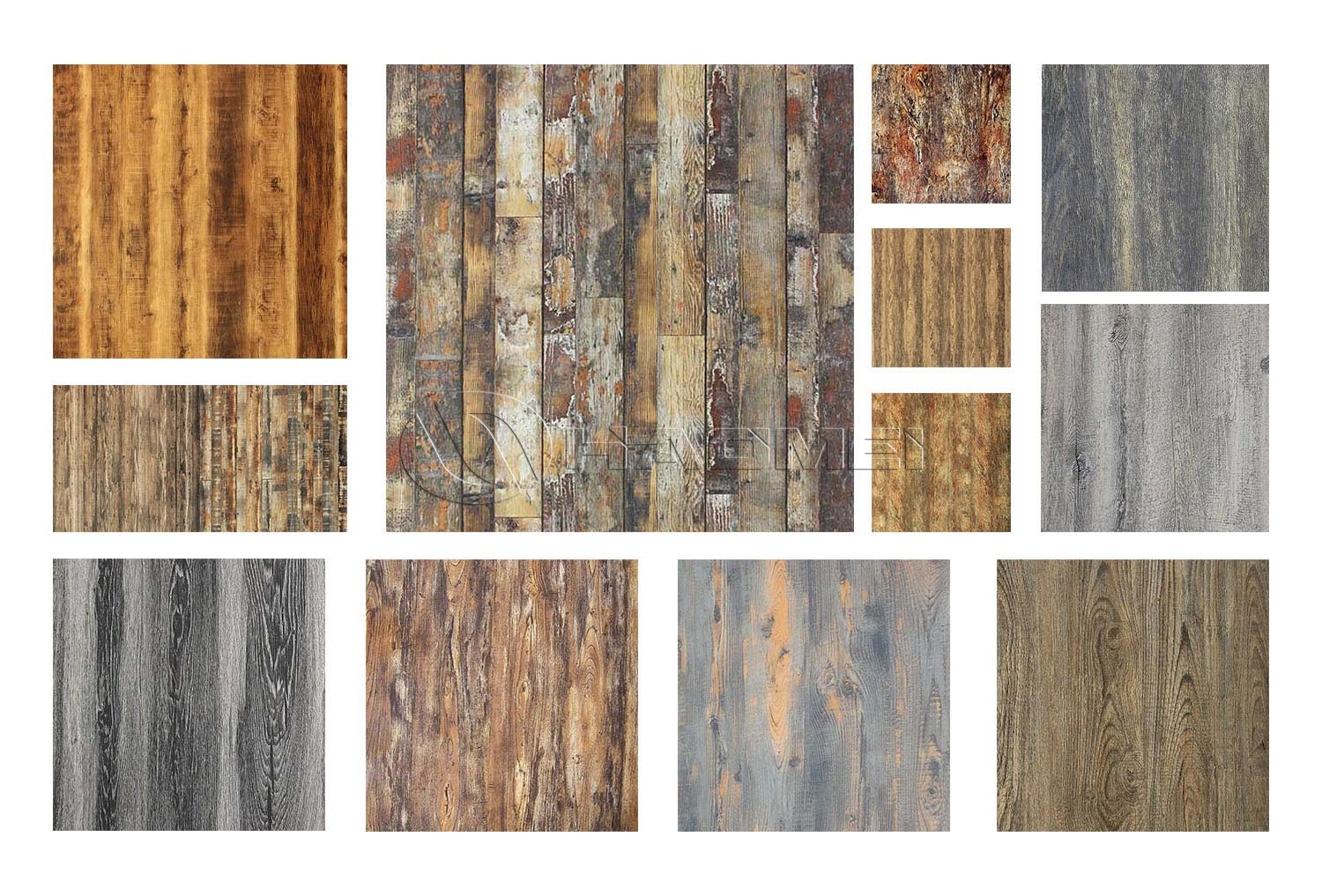
Oak wood grain color-coated aluminum coil combines realistic timber texture, PE/PVDF coating, and formable aluminum for facades, ceilings, shutter doors.
2026-07-10
-
Pvdf Coated Aluminum Coil For Exterior Cladding
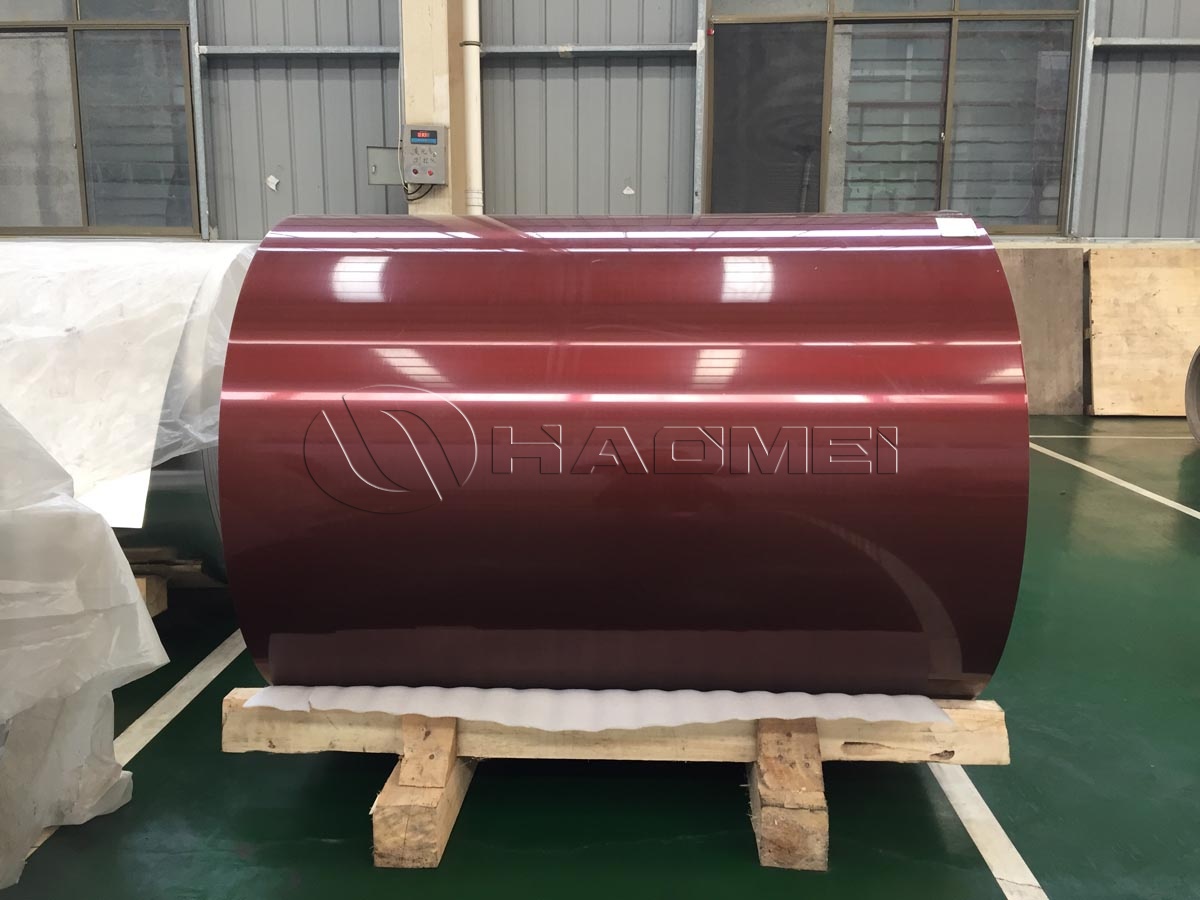
PVDF coated aluminum coil for exterior cladding delivers long-lasting color, UV resistance, and corrosion protection via a controlled coil coating process for facades.
2026-01-29
Contact Directly
-

ADD: No.14 Waihuan Road, CBD, Zhengzhou, China
-

WhatsApp: +86-18703635966
-

E-MAIL: sales@alummc.com