

News
 By Hermione
0.3-1.0mm 3003 PVDF Pre-Painted Aluminum Coil
Product Positioning and Applications
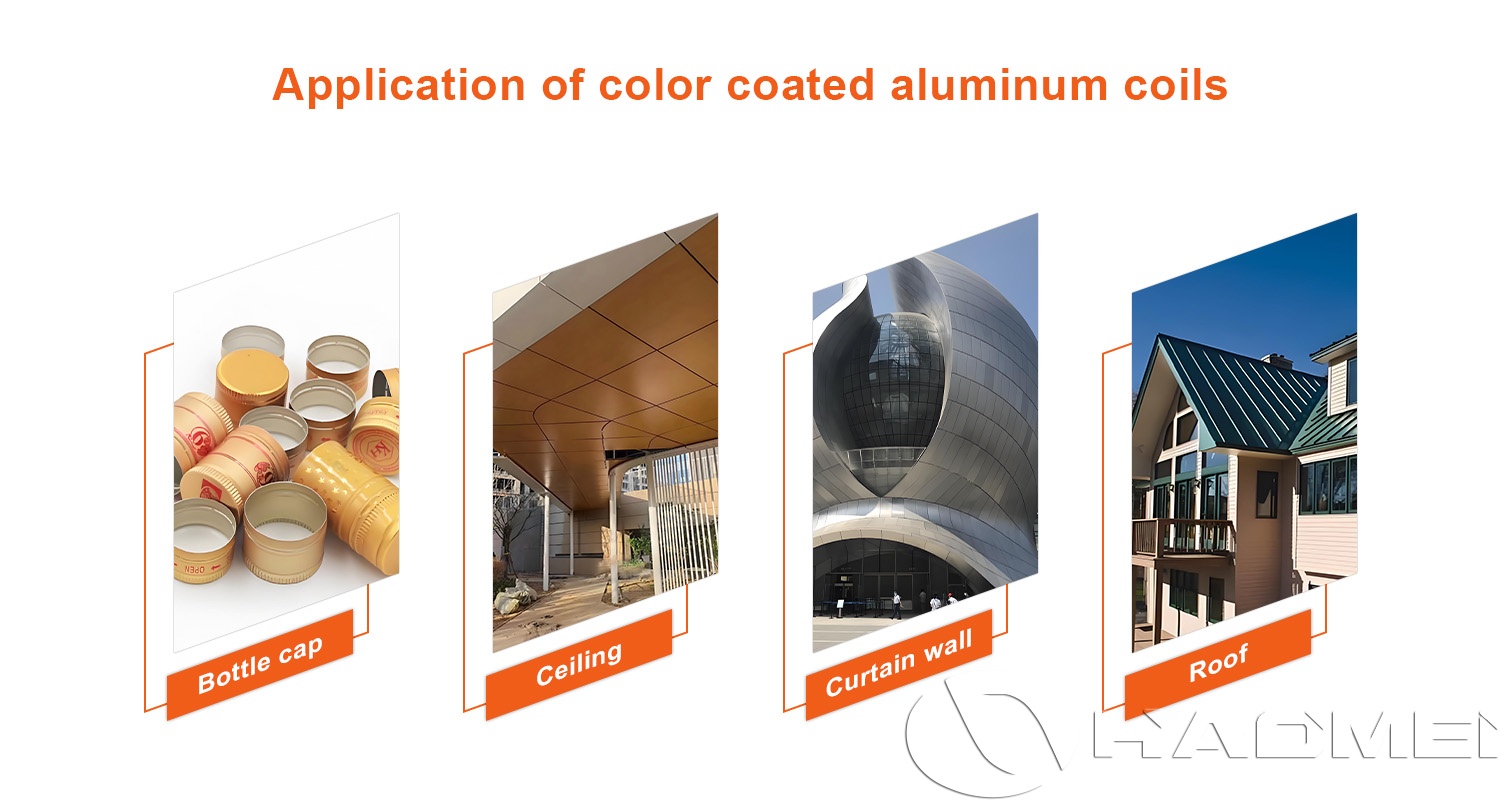
0.3-1.0mm 3003 PVDF pre-painted aluminum coil is an architectural-grade coil material combining the moderate strength and formability of 3003 aluminum alloy with the long-term weather resistance of a PVDF coating system. It is widely used in exterior roofing, wall cladding, curtain wall panels, soffits, fascia, gutters, insulated sandwich panels, and profiled building sheets where appearance retention and corrosion resistance are required.
Compared with post-painted sheet, coil-coated aluminum provides a more uniform finish, controlled coating thickness, and stable adhesion before fabrication. The 0.3-1.0mm thickness range supports both lightweight roll-formed profiles and more rigid architectural panel applications.
Why 3003 Aluminum Is Used for Pre-Painted Coil
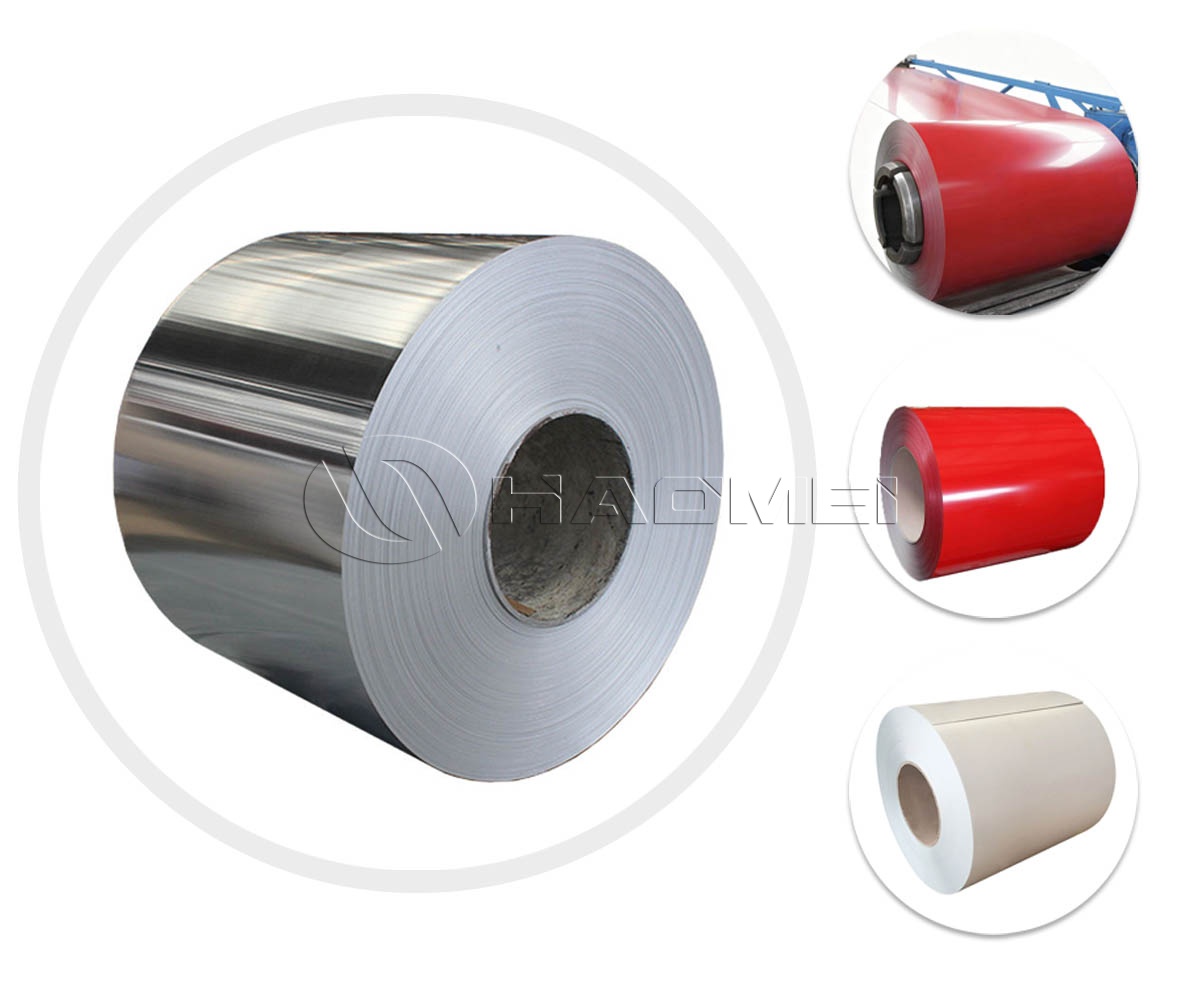
3003 is an aluminum-manganese alloy with higher strength than commercially pure 1000 series aluminum while retaining good ductility for bending, roll forming, stamping, and profiling. Its balance of mechanical performance, corrosion resistance, and processing stability makes it a common substrate for coated construction coil.
For PVDF-coated products, 3003 is particularly suitable for applications that involve:
Roll-formed roofing panels and corrugated sheets
Exterior wall cladding and cassette panels
Canopies, fascia boards, eaves, and gutter systems
Ceiling panels and architectural trim
Composite panel facing sheets
Common tempers include H14, H16, H18, H24, and H26. Softer tempers offer improved forming capability, while harder tempers provide increased rigidity for profiled sheets and structural panel designs. Temper selection should account for the panel profile, minimum bending radius, forming direction, and final service environment.
Core Specifications of 0.3-1.0mm 3003 PVDF Pre-Painted Aluminum Coil
| Item | Typical Specification |
|---|---|
| Base alloy | 3003 aluminum alloy |
| Thickness range | 0.30-1.00 mm |
| Common tempers | H14, H16, H18, H24, H26 |
| Coil width | Commonly 600-1,600 mm, subject to production capability |
| Coil inner diameter | Typically 150 mm, 300 mm, 405 mm, or 505 mm |
| Coil outer diameter | According to coil weight, packing, and transport requirements |
| Coating system | PVDF fluorocarbon coating system |
| Top coating | Commonly 20-35 μm, depending on coating design and exposure level |
| Back coating | Typically 5-10 μm service coating or customized backing system |
| Surface finish | Gloss, matte, high gloss, textured, solid color, metallic, and custom finishes |
| Color | Standard colors or customized color matching |
| Typical applications | Roofing, facade cladding, wall panels, gutters, soffits, ceiling systems, composite panels |
PVDF Coating System and Surface Performance
PVDF, or polyvinylidene fluoride, is widely used for exterior architectural coatings due to its resistance to ultraviolet radiation, moisture, temperature variation, and atmospheric pollutants. A typical PVDF pre-painted aluminum coil uses a pretreatment layer, primer, PVDF topcoat, and protective back coating applied through a continuous coil-coating process.
The coating system is designed to provide stable color and gloss retention during outdoor exposure. Depending on the project specification, the finish may be configured as a two-coat or three-coat PVDF system. Three-coat systems can provide enhanced visual depth and improved durability for demanding facade and roofing applications.
Key surface properties include:
Strong adhesion between coating and aluminum substrate
Resistance to UV degradation and chalking
Good flexibility during bending and roll forming
Resistance to humidity, rainwater, and common urban atmospheres
Consistent film thickness and color appearance across the coil
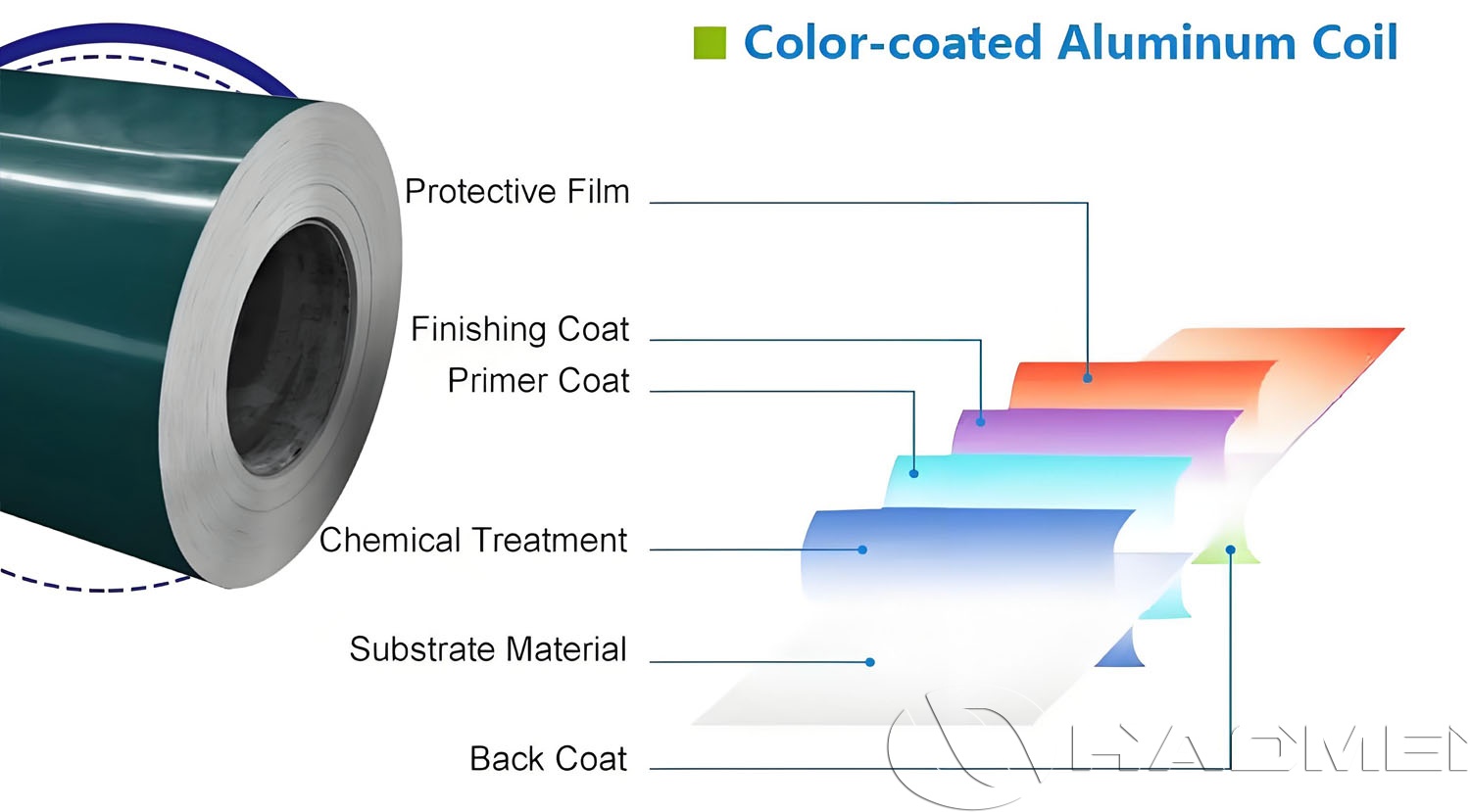
Surface pretreatment is critical to coating reliability. Before painting, the aluminum strip is cleaned and chemically treated to improve adhesion and improve resistance to under-film corrosion. The coated strip is then cured under controlled oven conditions to establish the designed coating properties.
Advantages of 3003 PVDF Pre-coated Aluminum Coils
1.Excellent Weather Resistance: The PVDF coating offers superior UV and aging resistance, making it suitable for long-term outdoor use.
2.Strong Corrosion Resistance: The combination of 3003 aluminum alloy and PVDF coating effectively resists moisture, rainfall, and atmospheric corrosion.
3.Excellent Coating Adhesion: The uniform and stable pre-coating process ensures the coating does not easily peel or crack.
4.Good Workability: 3003 aluminum coils offer excellent forming, bending, and stamping properties, making them ideal for applications such as curtain walls and roofing.
5.Durable Appearance: Features uniform color and excellent color retention; available in a wide range of colors and surface finishes.
6.Lightweight with Moderate Strength: Easy to transport and install, while offering excellent overall mechanical properties.
7.Low Maintenance Costs: The weather-resistant surface eliminates the need for frequent maintenance during long-term use.
8.Wide Range of Applications: Suitable for architectural curtain walls, roofing panels, decorative panels, aluminum-plastic composite panels, and interior/exterior decoration.
Fabrication Considerations for 0.3-1.0mm Coil
The final performance of PVDF coated aluminum coil depends on both the coil quality and downstream fabrication control. During slitting, roll forming, bending, stamping, or panel assembly, the coating should not be overstressed beyond its designed flexibility range.
Important fabrication factors include:
Selecting a temper appropriate for the intended bend radius
Maintaining clean forming rolls and tooling surfaces
Preventing scratches from metal chips, burrs, or handling equipment
Avoiding excessive tension during recoiling and profiling
Using compatible sealants, adhesives, and protective films where required
Managing contact between dissimilar metals to reduce galvanic corrosion risk
For exterior applications, cut edges, overlaps, fasteners, drainage design, and installation orientation also affect the long-term service performance of the completed system.
Quality Control for PVDF Pre-Painted Aluminum Coil
Quality control begins with incoming aluminum substrate inspection and continues through pretreatment, coating application, curing, slitting, and packaging. Key inspection items normally include thickness, width, coating thickness, color consistency, gloss, adhesion, bend performance, hardness, solvent resistance, and surface appearance.
Color is commonly measured against an approved standard using instrumental color difference testing, while gloss is checked at the specified measurement angle. Coating adhesion may be evaluated through cross-hatch testing, and flexibility can be assessed through bend testing according to the coating and substrate requirements.
PVDF coating performance is also influenced by the selected color. Dark colors can experience higher surface temperatures under solar exposure, while metallic and special-effect finishes may require tighter control of coating uniformity and visual consistency. For projects requiring fluorocarbon weather resistance across a broader range of finishes, PVDF Coated Aluminum Coil systems can be configured according to substrate, coating thickness, color, and exterior exposure requirements.
Packaging and Storage Conditions
Pre-painted aluminum coil is typically protected with interleaving materials, moisture-resistant wrapping, edge protection, and reinforced export packaging where applicable. Packaging should prevent coil movement, edge damage, surface abrasion, and moisture ingress during transport and storage.
Coils should be stored in a dry, ventilated environment away from condensation, corrosive chemicals, standing water, and direct ground contact. If coil material is moved from a cold environment to a warm and humid workshop, sufficient temperature equalization helps reduce the risk of condensation between coil layers. Proper storage preserves the PVDF finish and helps maintain surface quality through subsequent fabrication.
-
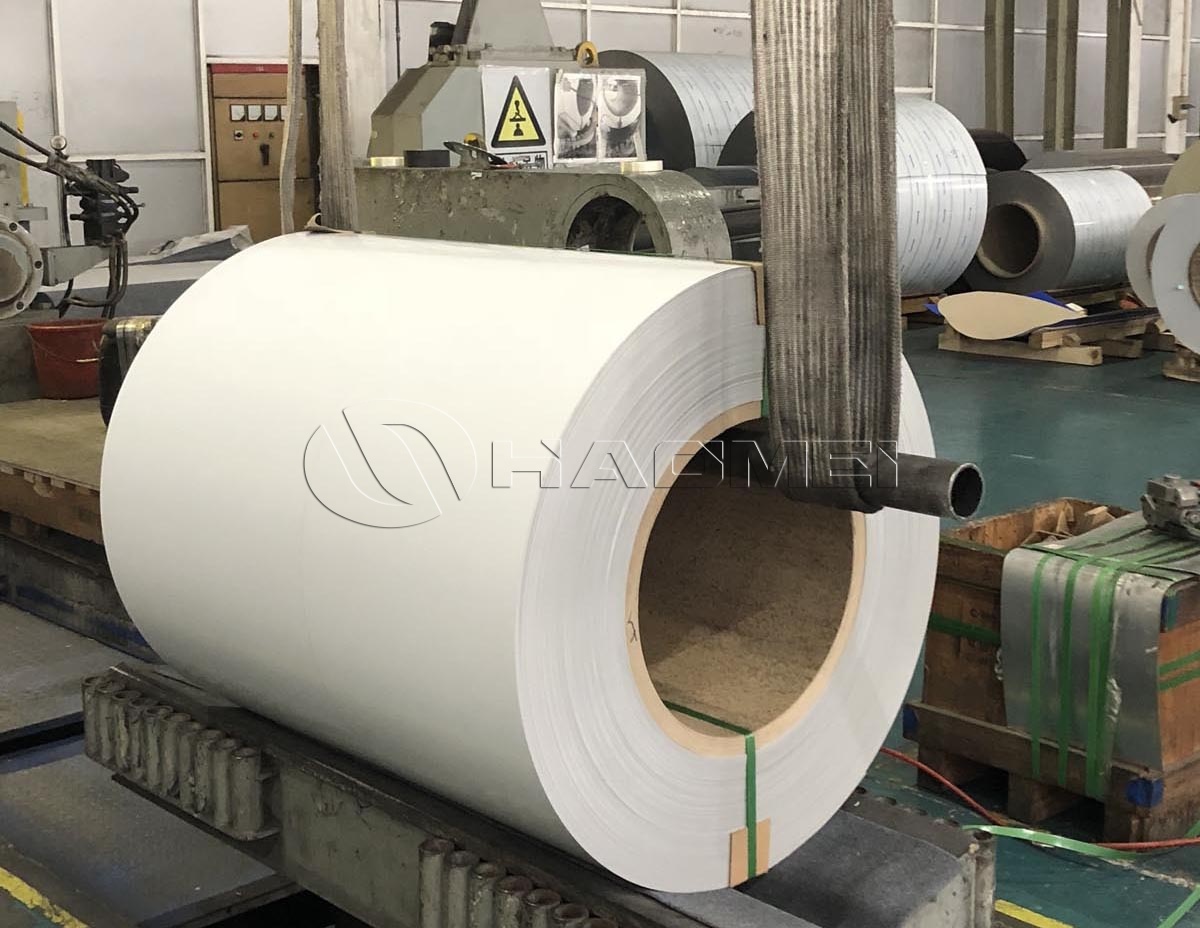
PVDF Coated Aluminum Coil Thickness Range
Explore PVDF coated aluminum coil thickness ranges, alloys, coating structures, and applications for durable architectural panels, roofing, and facades.
2026-07-28
-
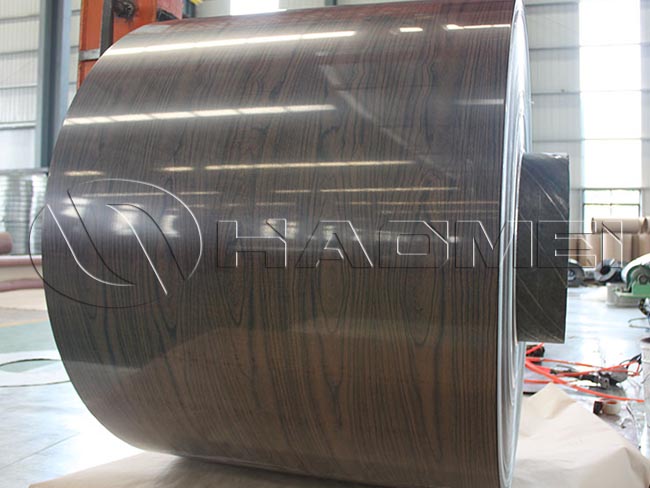
Color coated Aluminum Coils for Roofing, Ceiling, and Wall Systems
Color-coated aluminum coil is widely used in roofing, ceiling, and wall systems, offering advantages such as lightweight construction, excellent weather resistance, strong decorative appeal, and easy processing.
2026-01-04
-
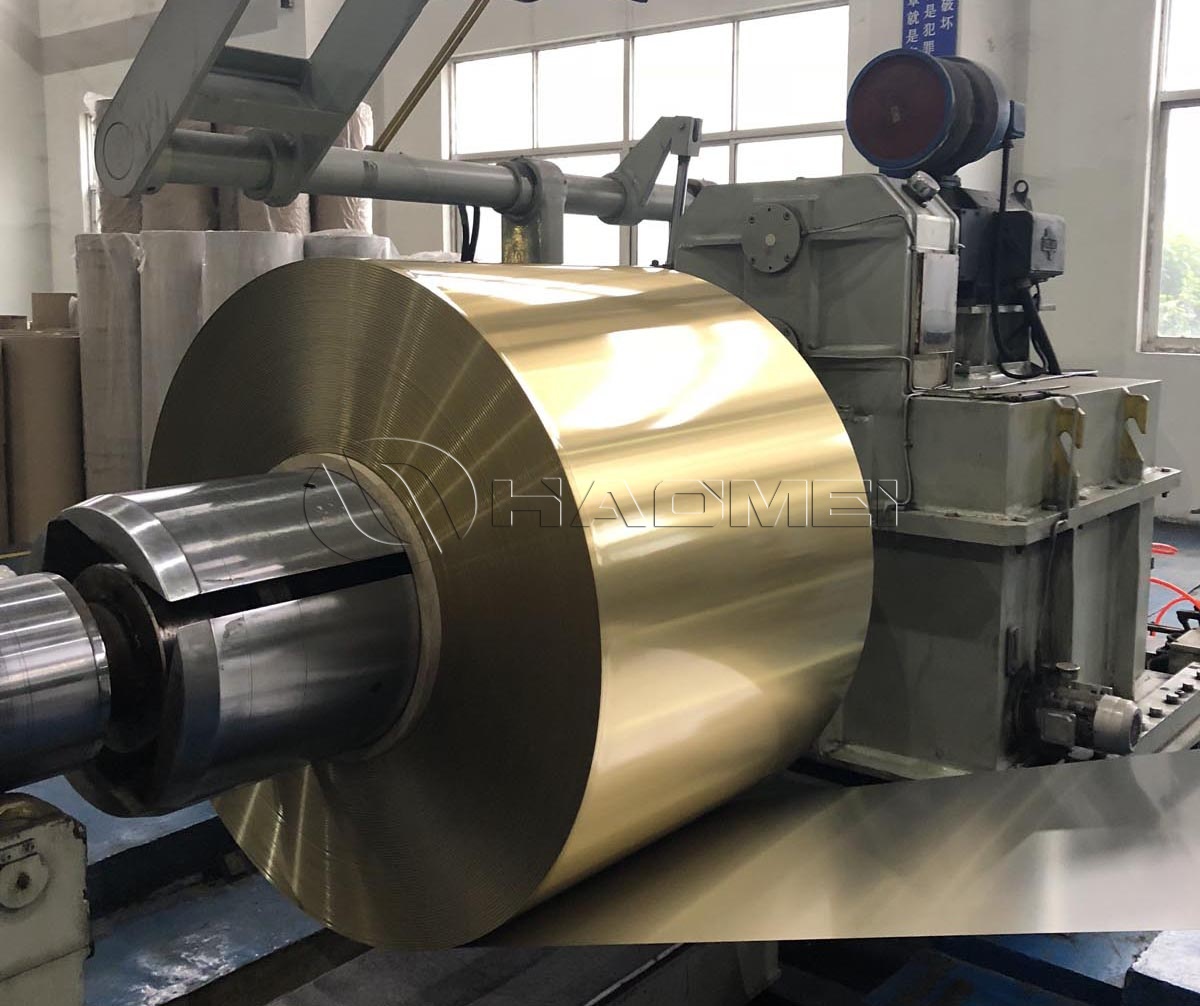
5000 Series Color Coated Aluminum Coil for Signage
Explore 5000 series color coated aluminum coil for signage, including 5005 and 5052 alloys, coating options, dimensions, fabrication, and durability.
2026-09-14
Contact Directly
-

ADD: No.14 Waihuan Road, CBD, Zhengzhou, China
-

WhatsApp: +86-18703635966
-

E-MAIL: sales@alummc.com